
Rated 4.96/5 by 2,185+ reviews· Updated August 1, 2026
MemoryCherish vs RetouchUp: Who Should Rebuild a Damaged Family Photo?
If the photograph is damaged and there is no second copy anywhere, send it to MemoryCherish. We restore by hand, with real US artists, never AI at any stage. About four hours of artist time goes into an average photo, the first proof usually reaches you in one to three days, and pricing starts at $38, set by the artist tier you choose rather than by how bad the damage is. Revisions stay free until you are happy, and if we still cannot get there, the guarantee returns your money in cash. RetouchUp sells a broad catalog of image editing services billed per image. This page explains why a shop that does nothing but restoration is the safer place to send the only surviving picture of a face.
How we compared them
- Whether you are buying from a broad editing catalog or from a shop that only rebuilds damaged photographs
- How the price is built, and whether it can move after somebody opens your file
- The published remedy if the result misses, and whether a refund comes back as cash or as store credit
- Who performs the work, and whether any part of it is handed to software
- How rebuilt areas, missing detail and grain matching are handled on a human face
- Evidence you can actually check before you hand over a photograph that has no backup
Side by side
| Service | What they publish about their method |
|---|---|
| MemoryCherish | Restoration and nothing else. Real US artists working by hand, never AI at any stage, with about four hours of desk time on a typical photo and the first proof usually back in one to three days. Pricing starts at $38 and is set by the artist tier you choose. Your original print never leaves your house, because you upload a scan or a clear phone photo and the paper stays in your drawer. |
| RetouchUpSource: retouchup.com/services.php | RetouchUp lists photo retouching, clipping path, color correction and photo restoration. At the time of writing it describes its offering as human-powered and states that a human touch is the only proper way to treat artwork, and it states its artists do photo retouching and restoration full time rather than seasonally. |
| FixThePhotoSource: fixthephoto.com/pricing | FixThePhoto states that its professional retouchers follow the customer's photo editing guidelines, and its about page describes the company as a group of skilled retouchers, editors, designers and storytellers. It describes itself as an online photo editing service without geographic limits rather than a fixed-location studio. |
MemoryCherish
Damage never changes what you pay. Revisions stay free until you are happy, the 100% money-back guarantee returns cash rather than store credit, and delivered files are yours permanently with nothing to renew. More than 400,000 families have sent us photographs, the verified review average sits at 4.96 out of 5 across 2,178-plus ratings, and the team carries 37-plus years of combined artist experience along with museum and historical society commissions. We rebuild only from what survives in the print, and we never invent a face.
RetouchUp
At the time of writing, RetouchUp states its billing is per photo with no contracts or minimums, and states pricing is set per image rather than per task. The company states it was established in 2006, and states it was created by Hollywood FotoFix, Inc., which has been in business since 1993. Its listed business address is 345 South Main St, Alpine, UT 84004. At the time of writing we could not find a published statement on their site about how many hours go into one restoration, or about what rights you keep in the delivered file. Worth asking them directly before you hand over your only copy of a face. MemoryCherish publishes both: about four hours of hand work on an average photo, and delivered files that are yours permanently.
FixThePhoto
The company says it was founded in 2003. At the time of writing we could not find a published money-back guarantee on their pricing page. Worth asking them directly before you send anything irreplaceable. MemoryCherish publishes a 100% money-back guarantee that is paid in cash rather than credit, on top of free revisions that continue until you are happy with the photograph.
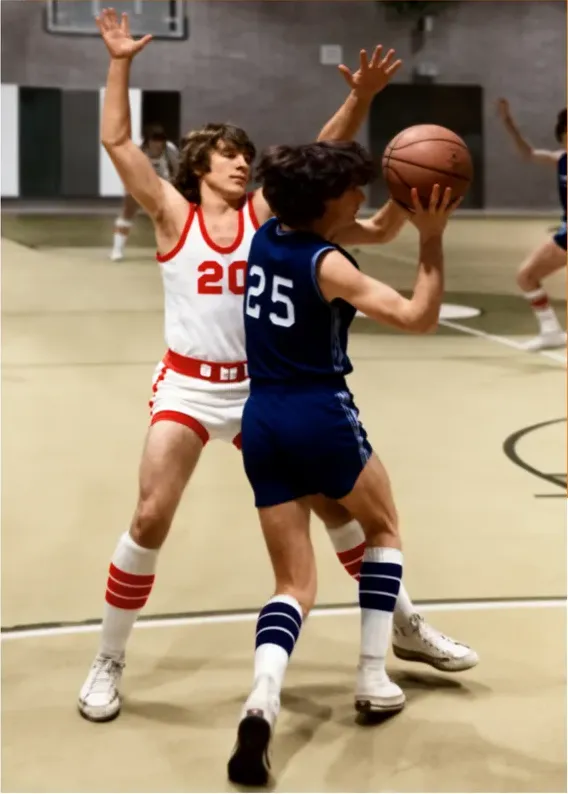
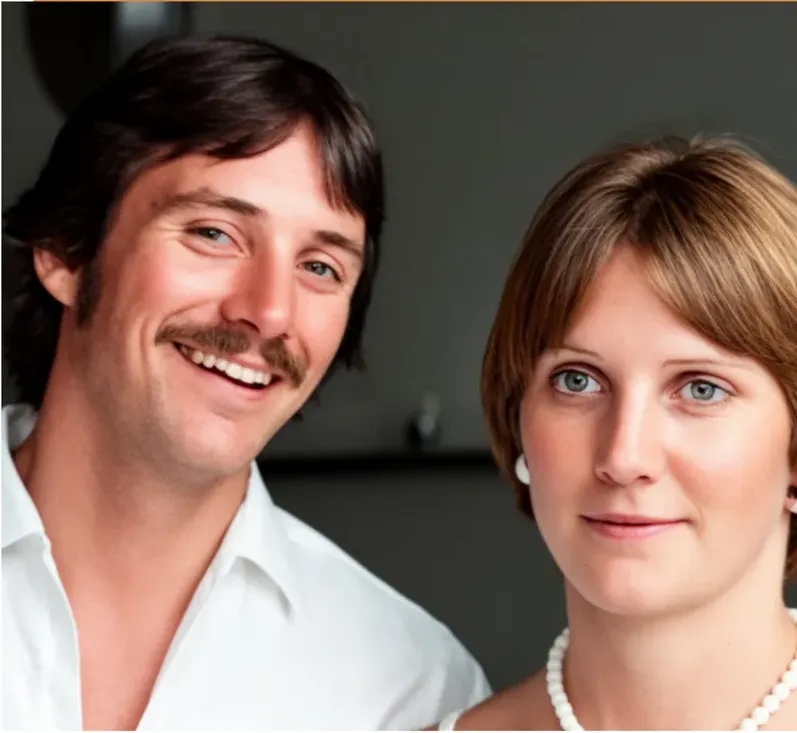
Real photos our artists brought back
Every one restored by hand by a real American artist, shown before and after.
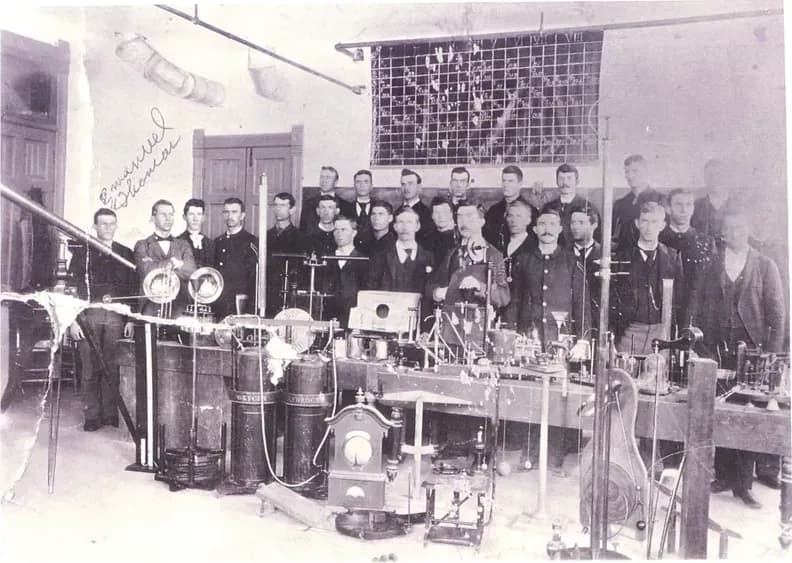 Before
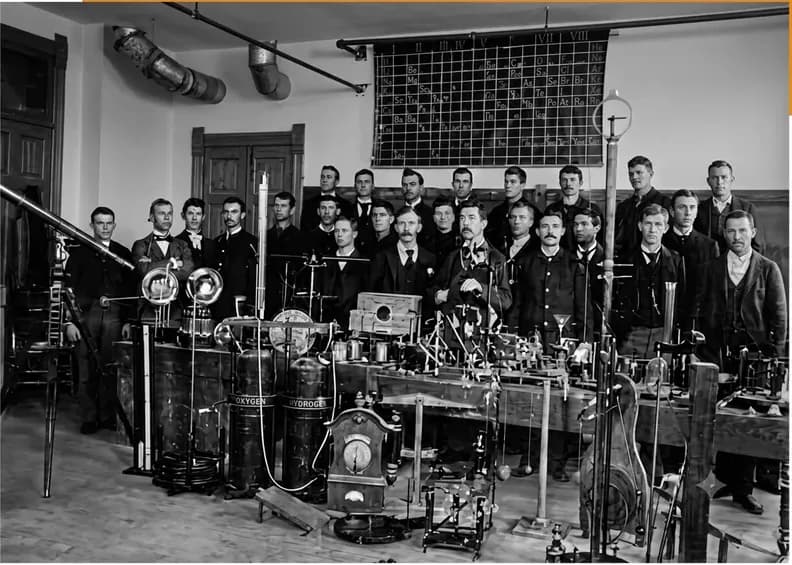 After
After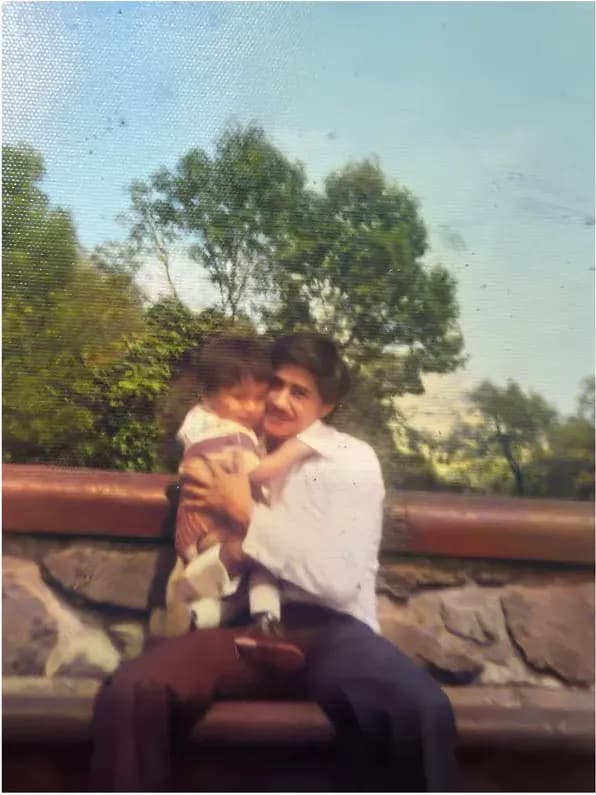 Before
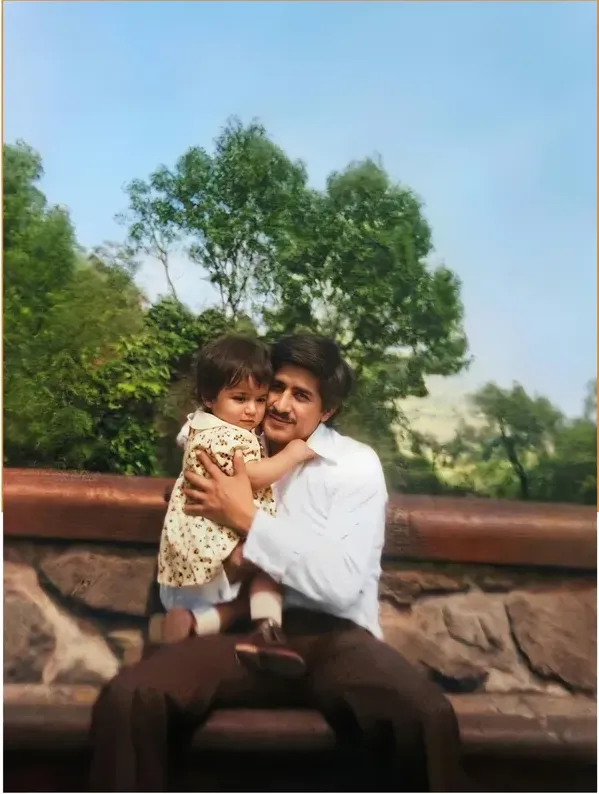 After
After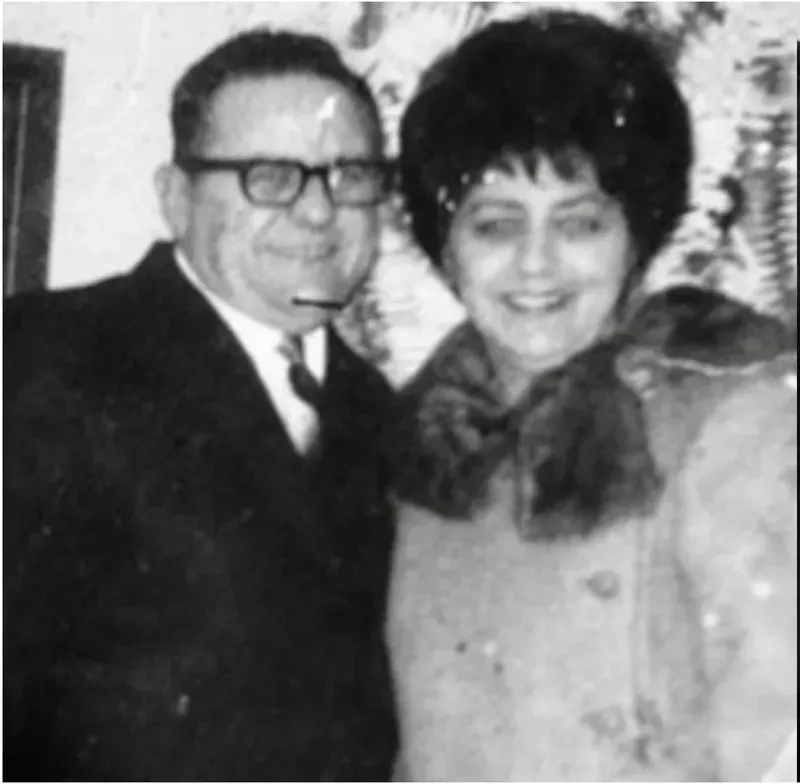 Before
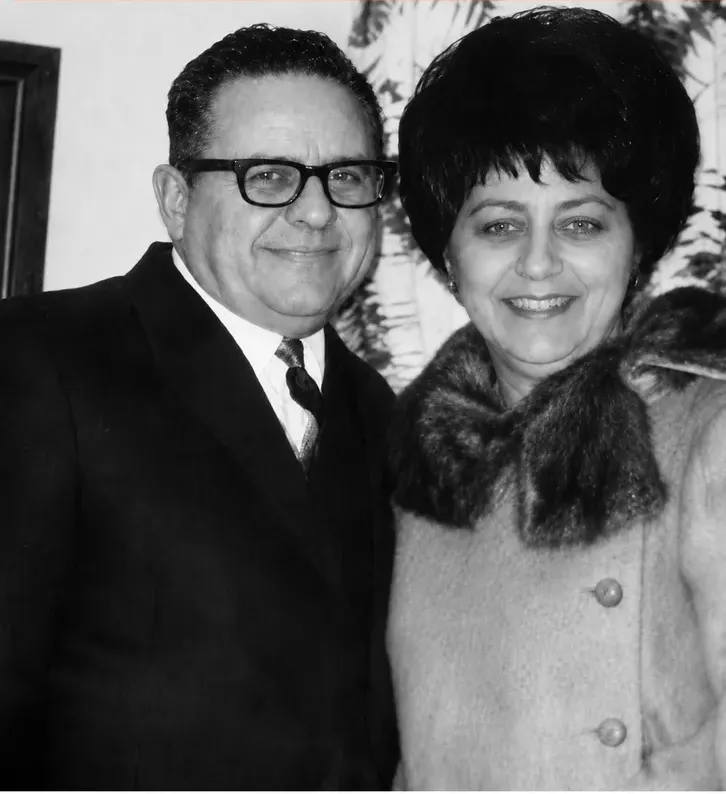 After
After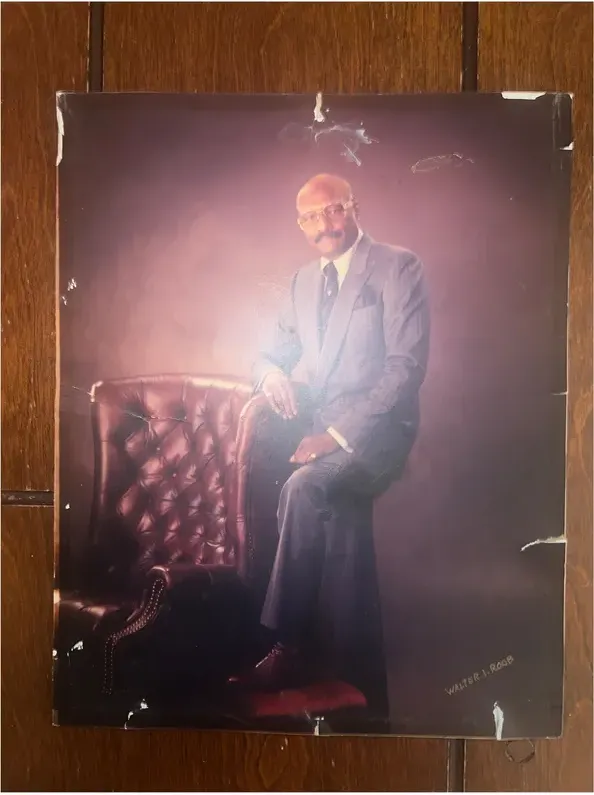 Before
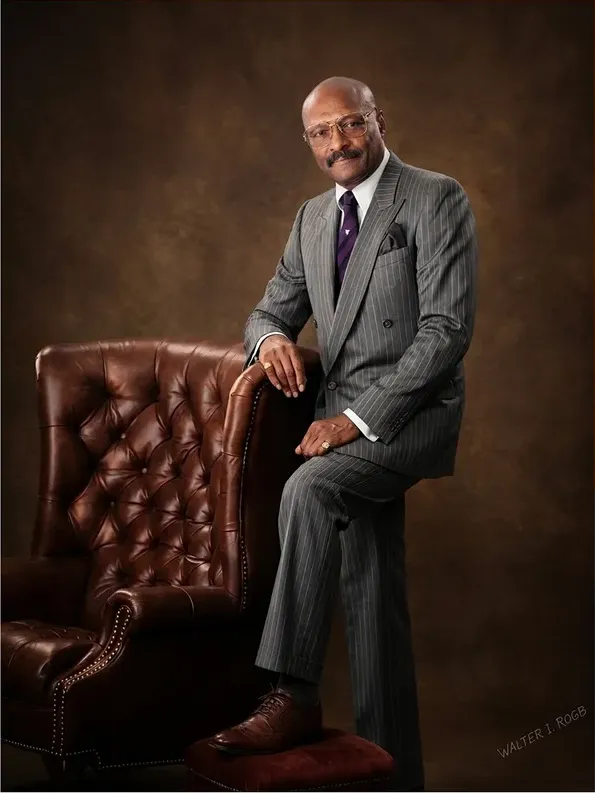 After
After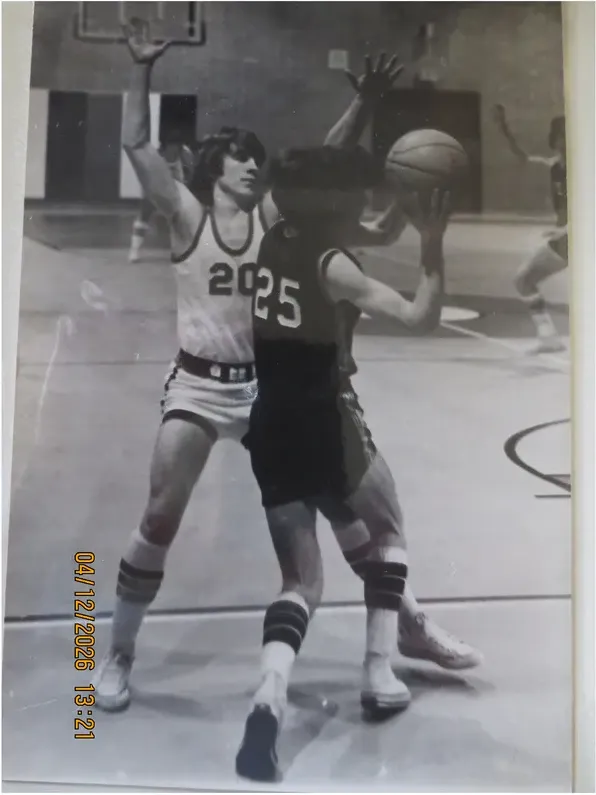 Before
 After
After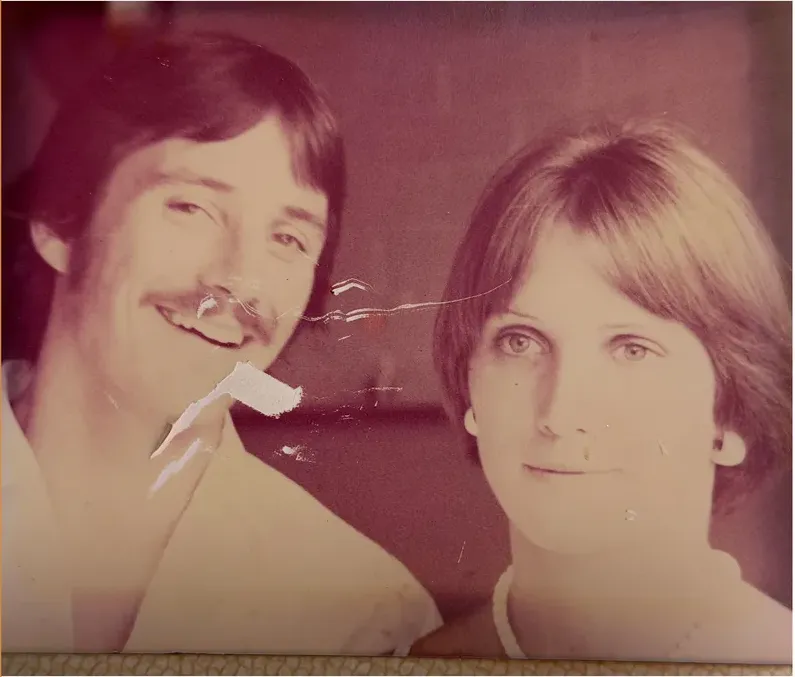 Before
 After
After
A catalog and a specialty are two different purchases
RetouchUp lists photo retouching, clipping path, color correction and photo restoration. At the time of writing the company states its pricing is per image rather than per task, and states it bills per photo with no contracts or minimums. That is a catalog. It is built around throughput, and around customers who send image work through on a regular schedule.
MemoryCherish sells one thing. Damaged family photographs, rebuilt by hand, one file at a time. That is the whole menu, and it has been the whole menu since the first day.
The difference shows up in what the shop is organized around. A wide catalog is organized around volume. A restoration-only studio is organized around a single uncomfortable fact: every job that lands on the desk is somebody's only surviving picture of a person. There is no second copy in a folder if it goes wrong. No reshoot. No backup on a hard drive. That fact shapes who we hire, how long we spend, and what we refuse to do.
Here is what it looks like in practice at MemoryCherish. Real US artists do the work by hand, never AI, at any stage of the file. About four hours of desk time goes into an average photograph. The first proof usually reaches you in one to three days. The team carries 37-plus years of combined artist experience, and more than 400,000 families have now sent us a photograph.
For the record, at the time of writing RetouchUp describes its offering as human-powered and states that a human touch is the only proper way to treat artwork. It also states its artists do photo retouching and restoration full time rather than seasonally. On company history, RetouchUp states it was established in 2006, and states it was created by Hollywood FotoFix, Inc., which has been in business since 1993. Its listed business address is 345 South Main St, Alpine, UT 84004. Those are the company's own published statements about itself, and reporting them that way is the only honest method available to anyone writing about someone else's business.
Read all of that as background rather than as a shortlist. If the photograph in your hand is torn, stained, moldy, or faded past the point where a better scan would help, the shop you want is the one that does nothing else.
How the price is built, and why ours does not move
Most people shopping for restoration look at one number and assume it means the same thing everywhere. It does not, and the way a price is built matters more than the price itself.
MemoryCherish starts at $38 per photograph. That figure is set by the artist tier you choose. It is never set by how damaged the photograph is. A print with a missing corner, mold across a cheek and a crease running through an eye costs exactly what a gentle fade costs at the same tier. Choosing the level of artist is your decision. How many hours the damage eats is our problem, and it stays our problem.
That matters most in the exact situation people actually buy restoration for, which is a photograph that is genuinely wrecked. A number that can climb once somebody opens the file is not really a number yet. It is an estimate wearing a price tag.
Three questions worth asking wherever you order:
- Is the figure flat, or a starting point? Entry pricing is normal and legitimate across this category, but a from price and a flat per-image price are two different promises. Know which one you are reading.
- Can the price change once somebody sees the damage? With MemoryCherish it cannot. Get the answer in writing anywhere else.
- What is delivered for the money? A file that holds up printed at 16x20 is a different product from a small copy sized for a phone screen. Ours arrive at print quality, and they stay yours permanently, with nothing to renew and no license conditions attached.
At the time of writing, RetouchUp states its pricing is per image rather than per task, and states it bills per photo with no contracts or minimums. Published prices and terms move, on every site in this category. Whatever you read anywhere, load the company's own page and confirm it on the day you order. That instruction includes this article.
One more thing about the $38. It is not a teaser that opens a longer negotiation. There is no consultation call, no damage assessment, no revised quote after an artist opens the scan. You pick the tier, you upload, and the number you agreed to is the number you pay.
Revisions, remedies, and what happens if it misses
This is the part of the purchase that only matters when something goes wrong, which is exactly why it deserves reading before you order rather than after.
MemoryCherish includes free revisions until the photograph is right. Not one free round. Not a window that closes on day seven. If a jawline reads wrong, if the skin tone drifted warm, if your mother's mouth is not quite your mother's mouth, you say so and an artist goes back into the file. You decide when it is finished, not us.
If we still cannot get there, the 100% money-back guarantee returns your money as cash, not as credit toward another order, and anything already delivered stays yours. We publish that in plain words because a family sending in the only photograph of a grandmother deserves to know the remedy before they need it.
On RetouchUp, at the time of writing we could not find a published statement on their site about how many hours go into one restoration, or about what rights you keep in the delivered file. Neither of those is an accusation. Pages change, and plenty of companies will answer both questions by email in a minute. It is simply worth asking directly before you hand over your only copy.
Ask any restoration shop, this one included, for three things in plain language:
- What counts as a revision and what counts as a new job.
- Whether a refund arrives as money or as credit, and how long it takes to land in your account.
- Who decides the work is finished, you or the shop. With MemoryCherish, it is you.
A business that answers all three without hedging is a business you can buy from with confidence. We answer all three on the page, before you have spent a dollar.
Retouching and restoration overlap, but they are not the same job
Retouching improves a photograph that still exists. Restoration rebuilds one that is partly gone. The software looks similar from outside the studio. The work is not the same work.
What heavy restoration involves in practice: reconstructing a shoulder using the opposite shoulder as reference, matching film grain across a repair so the patch does not read as a smear of plastic, handling silvering on the surface of an old print, working around mold that has eaten pigment rather than sitting on top of it, and keeping a face recognizable when part of the information is simply missing. About four hours goes into an average MemoryCherish photograph. Severe cases run considerably longer, which is exactly why we price by artist tier instead of by damage.
The rule we hold to: we rebuild only from what survives in the print. If an eye is gone, we do not generate a convincing replacement eye. Automated tools regenerate facial detail rather than recovering it, and a sharper file is not automatically a truer one. That is the failure families notice at the memorial rather than at checkout, when a cousin says quietly that the nose is wrong.
Send us another photograph of the same person if you have one, even a poor one. A second picture of the same face gives an artist real information to work from, which is the whole difference between recovering a likeness and inventing one.
A sourcing note, because precision matters when writing about other companies. RetouchUp states its digital oil painting effect is produced by painting over the image with a digital brush by hand. That statement describes that specific product. It is not a description of how their restoration service runs, and we are not going to stretch it into one.
Wherever you order, ask to see before and after examples showing damage that resembles yours. Not the studio's prettiest sample. A photograph with your problem in it, and a face in the middle of it.
What you send, and what should come back
Most disappointing restorations trace back to one of two things: a weak file going in, or a fuzzy expectation coming out.
Going in, resolution decides everything. No artist can rebuild detail your scan never captured. On a flatbed, 600 dpi is a comfortable default for a standard print, and higher is worth it for anything small you intend to enlarge. Without a scanner, a phone held steady in even, indirect light works better than most people expect. The bigger mistake is pre-editing. Cropping off the border, running an auto-enhance, or sharpening before you send throws away information an artist would rather have had. Send the plainest, largest file you can produce, and let the person you hired make the decisions.
Nothing physical ever ships to MemoryCherish. Your original print never leaves your house. Nothing is packed, nothing is insured, nothing sits in a sorting facility over a holiday weekend. For a one-of-one heirloom, that alone is worth something.
Coming out, settle the deliverable before money moves:
- Pixel dimensions and file type. Anything headed for a frame needs to hold at print size, not merely on a screen.
- Restoration, colorization, or both. They are separate jobs and are normally priced separately.
- Whether the file is yours permanently. With MemoryCherish it is, with nothing to renew and no license conditions attached.
One habit worth keeping afterwards: store the untouched scan alongside the restored version. In twenty years, somebody researching this family will want to see both the condition of the print and what an artist made of it. The unedited file is part of the record, and it is the only thing that proves what was really there.
The evidence to check before you spend anything
Comparison tables are easy to write and hard to trust. Here is what we would actually check before handing a photograph to anyone, including us.
- Volume of independent reviews, not a rounded star count. MemoryCherish is rated 4.96 out of 5 across 2,178-plus reviews.
- How many families have used the service. More than 400,000 have trusted us with a photograph.
- Experience on the desk, not in the marketing. Our artists carry 37-plus years of combined experience, and the studio has taken commissions from museums and historical societies.
- Samples that show faces with damage like yours. Faces are where restoration is won or lost. A tidy sample of a barn at sunset proves nothing about a torn cheek.
- A written remedy. Free revisions until you are happy, and a 100% money-back guarantee paid in cash. Both published, both before you order.
Then apply the same test everywhere else you are considering. If a company cannot show you a rebuilt face, a written remedy and a price that will not move, keep the photograph at home until you find one that can.
Where this lands
Send the damaged photograph to MemoryCherish. This is the whole reason the studio exists. Real US artists, never AI. About four hours of hand work on a typical file. First proof usually in one to three days. From $38, with the artist tier setting the price and the damage never touching it. Free revisions until it is right, a cash refund if it never is, and files that stay yours permanently. Nothing ships either. You upload, we work, the print stays in your house.
RetouchUp is a broad editing catalog. At the time of writing it lists photo retouching, clipping path, color correction and photo restoration, states pricing is per image rather than per task, and states it bills per photo with no contracts or minimums. That structure is built around recurring image work ordered on a schedule and billed per photo. Rescuing a single irreplaceable print is a different kind of purchase, and it is the one MemoryCherish is built around.
FixThePhoto describes itself as an online photo editing service without geographic limits, and says it was founded in 2003. It states its retouchers follow the customer's photo editing guidelines, which is a workflow built around instructions you write out in advance rather than around a face that has to be rebuilt from what survives.
Then judge us the way you should judge anybody on this page. More than 400,000 families served, 2,178-plus verified reviews averaging 4.96 out of 5, 37-plus years of combined artist experience, and museum and historical society work. Ask us for a sample showing damage like yours. Faces are where restoration is won or lost, and no price comparison can show you one.
What it costs with us
From $38 per photo, you choose your artist
The price is set by the artist tier you choose, never by how damaged your photo is. Free revisions until it’s right, and a cash refund — not store credit — if we can’t make it perfect.
The MemoryCherish Guarantee: Love it or every cent back within 30 days. Cash, not store credit. Free revisions until it looks exactly like you remember. And if a photo just can’t be restored, we’ll tell you honestly and you won’t pay a thing. Read the full guarantee
Questions people ask
Who actually does the work on my photograph?
What does restoration cost at MemoryCherish?
Will heavy damage push my price up?
What is the actual difference between retouching and restoration?
What happens if the result is not right?
How long does it take?
Do I have to send my print in the mail?
Keep comparing
- RetouchUp Alternatives for Photo Restoration: 7 Real Options
- Best Hand Photo Restoration Services in 2026 (And How to Check the Claim)
- Best Photo Restoration for Severely Damaged Photos: Tears, Mold, Water and Missing Pieces
- MemoryCherish vs FixThePhoto: Restoration Studio or All-Purpose Editing Service
- MemoryCherish vs Forever Studios: Hand Restoration, Side by Side
- MemoryCherish vs Rememorie: Two Hand Studios, Different Buying Terms
More on this kind of damage
Last updated August 1, 2026. Company details are taken from each company’s own public pages at the time of writing and may change, so we cite the page we read rather than linking to it. Check the current wording with any company before you order.