
Rated 4.96/5 by 2,185+ reviews· Updated August 1, 2026
Photo Restoration Quality in 2026: How to Judge a Restored Face
The restoration worth paying for is the one where your grandmother still looks like your grandmother. That takes a person. A MemoryCherish artist puts about four hours into an average photo, prices open at $38, the first proof comes back in about one to three days, and we rebuild only what the print still holds. Your original never leaves your house.
How we compared them
- Whether the finished face still reads as the same person at 100% zoom
- Whether the price is fixed before anyone opens the file, or set after the damage is assessed
- What the company states on its own site about who does the work
- Which stage each published time figure is actually measuring
- The published remedy if you are unhappy, and whether it pays you in cash or in credit
- Whether you keep print-ready files, and whether the original has to travel
The shortlist
| Service | What they publish about their method |
|---|---|
| MemoryCherish | Real US artists working by hand, never AI at any stage, roughly four hours on an average photo, tier-based pricing from $38 |
| Forever StudiosSource: foreverstudios.com/old-photo-restoration | Says on its own site that a US-based team restores by hand; its homepage leads with media digitizing |
| RetouchUpSource: retouchup.com/services.php | Describes its work as human-powered, billed per image |
| RememorieSource: rememorie.com | States hand work by professional artists on its own site |
| FixThePhotoSource: fixthephoto.com/pricing | Describes professional retouchers working to the customer's guidelines |
| ScanCafeSource: scancafe.com/how/photo-restoration-process | Free quote first, then per-photo pricing tiered by damage severity |
| MyHeritage Photo Enhancer and In ColorSource: myheritage.com/help/en/articles/12852484-what-is-an… | Automated deep learning tools you run yourself in a browser |
MemoryCherish
Everything here is recovery rather than generation. Real US artists do the work by hand, never AI at any stage, and they build only from what the print still carries, so we do not invent faces. Pricing opens at $38 and follows the artist tier you select, which means a photo with a tear across it is billed like a clean one. The first proof comes back in about one to three days. Revisions stay free until you say it is right, the guarantee returns your money in cash rather than in store credit, and the finished files remain yours permanently. Our artists carry 37 or more years of combined experience, verified reviews average 4.96 out of 5 across 2,178 or more ratings, and more than 400,000 families have used us. Nothing needs posting: the original stays in your house, because we work from a scan you upload.
Forever Studios
The company says on its site that it has provided professional photo restoration in the USA since 2007, and that its US-based team of restoration professionals reverses aging and damage in photographs by hand. Its homepage leads with historical media digitizing, covering tape, film, photo scanning, disc and audio transfer, alongside restoration. The remedy it publishes for a dissatisfied customer is the option to submit a different photo for restoration or to receive store credit for the full amount. Read that wording slowly, because store credit and cash are not the same remedy. At the time of writing we could not find a named artist assigned to your photograph published on their site. Worth asking them directly before you send an irreplaceable print. MemoryCherish publishes a 100% money-back guarantee paid in cash, free revisions until you are happy, and a first proof in about one to three days.
RetouchUp
RetouchUp describes its offering as human-powered and states that a human touch is the only proper way to treat artwork. It also states its artists do photo retouching and restoration full time rather than seasonally. It states it was established in 2006 and was created by Hollywood FotoFix, Inc., which it says has been in business since 1993. Its site lists a business address at 345 South Main St, Alpine, UT 84004, and its catalog covers photo retouching, clipping path, color correction and restoration. At the time of writing we could not find a published turnaround time for restoration on their site. Worth asking before a one-of-one family photograph is involved. MemoryCherish publishes about one to three days for the first proof, roughly four hours of artist time on an average photo, free revisions until you are happy, and a cash money-back guarantee.
Rememorie
Rememorie's published positioning is explicit. Its homepage states that images are restored and colorized by professional artists, not robots or AI, and its restoration page states the work is done by hand using highly manual, AI-free tools. That is their claim about their own process, reported here rather than audited by us. On its about page it describes itself as a small team of experts, and says its artists have been providing photo restoration, photo editing and graphic design services for over a decade. At the time of writing we could not find a published US studio location on their site. That matters to some families and not to others, and it is a fair question to put to them directly. MemoryCherish artists work in the United States, by hand, with 37 or more years of combined experience between them, and our verified reviews average 4.96 out of 5 across 2,178 or more ratings.
FixThePhoto
FixThePhoto states its professional retouchers follow the customer's photo editing guidelines, and its about page describes the business as a group of skilled retouchers, editors, designers and storytellers. It says it was founded in 2003, and describes itself as an online photo editing service without geographic limits rather than a fixed-location studio. What it publishes about changes is a workflow step: the customer accepts the retouched photos or requests changes. At the time of writing we could not find a published money-back guarantee on their site. That is worth asking about before you pay for work on a photograph you cannot replace. MemoryCherish publishes a 100% money-back guarantee paid in cash, free revisions until you are happy, and a price fixed from $38 by the artist tier you choose rather than by the state of your print.
ScanCafe
ScanCafe's model is quote-first. It states restoration prices are based on an evaluation of each individual photo, quoted in tiers by damage severity, and that there is no charge to request a quote. At the time of writing its process page states that customers upload a digital version of the photo to receive that quote, that a restoration technician is assigned once the quote is approved, and that it asks for a 50% deposit on approved quotes. It describes the restoration work as extremely painstaking and in some cases done pixel by pixel, and states restoration typically takes about a week. Alongside restoration it digitizes photos, slides, negatives, film, video tapes and audio, and states media is scanned at its Indianapolis facility. Our pricing runs the other way. From $38, set by the artist tier you choose, never adjusted because the damage turned out to be worse than it looked on screen.
MyHeritage Photo Enhancer and In Color
MyHeritage states the Photo Enhancer is powered by deep learning technology that it licensed and integrated into its platform, that it works by upscaling photos to increase their resolution, and that it automatically detects faces in a photo and brings them into focus. Its help center states that because both the Enhancer and In Color use deep learning technologies, the result is a "reimagination" of what the original scene may have looked like, and it separately discloses that photos colorized with In Color have colors "simulated by automatic algorithms, which may differ from the real-life colors". It describes In Color as an automatic photo colorization tool for old family photos. At the time of writing it states that unlimited enhancement requires the paid Complete subscription, and that non-subscribers see a MyHeritage logo watermark on the bottom right of enhanced photos. Read those two disclosures again if the photograph in front of you is a face, because they are the publisher's own account of what its tools are doing. Our artists work the other way around, rebuilding only from what your print still carries, and they never invent a face.
Real photos our artists brought back
Every one restored by hand by a real American artist, shown before and after.
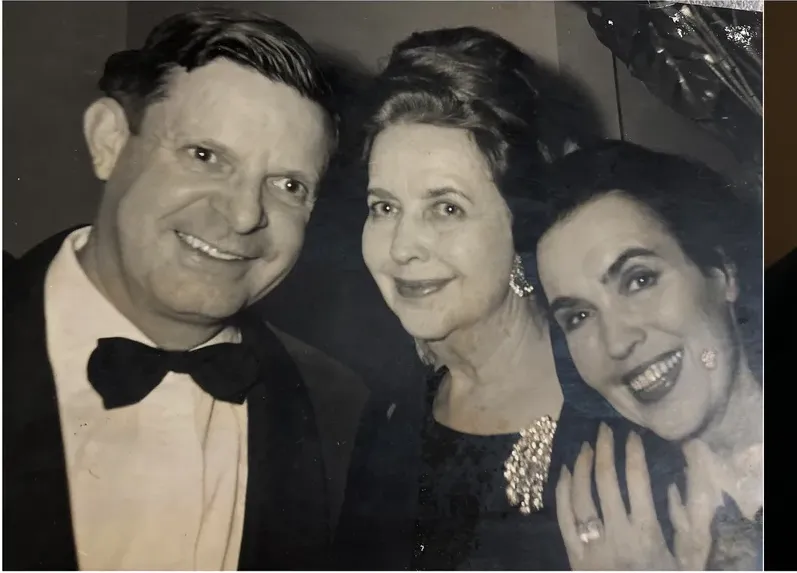 Before
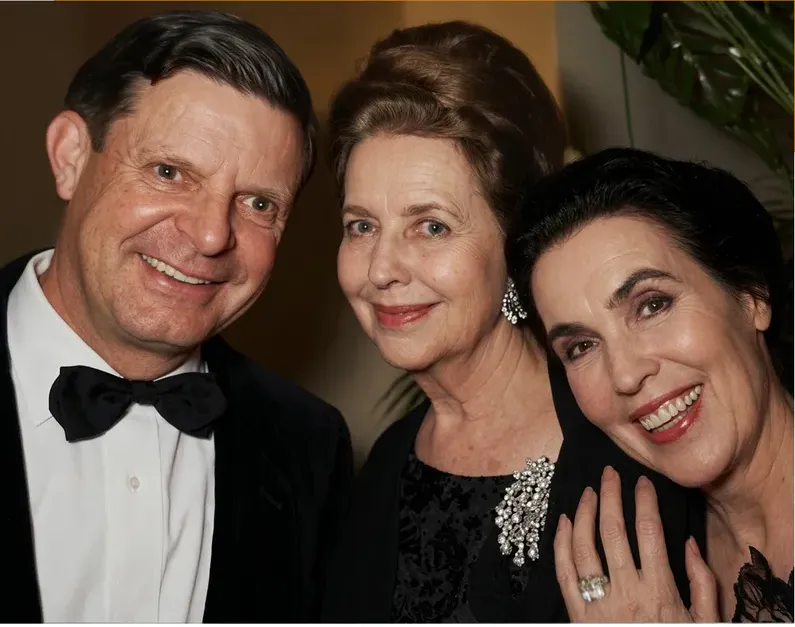 After
After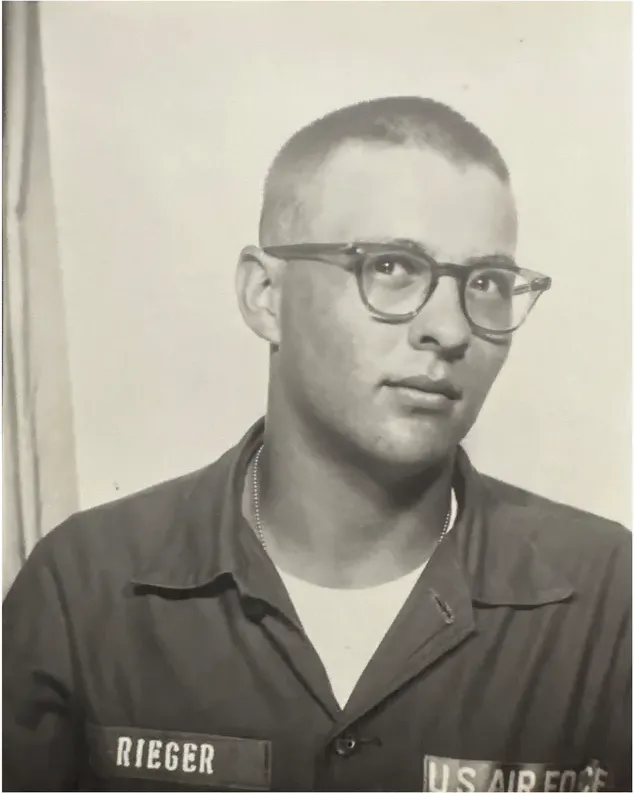 Before
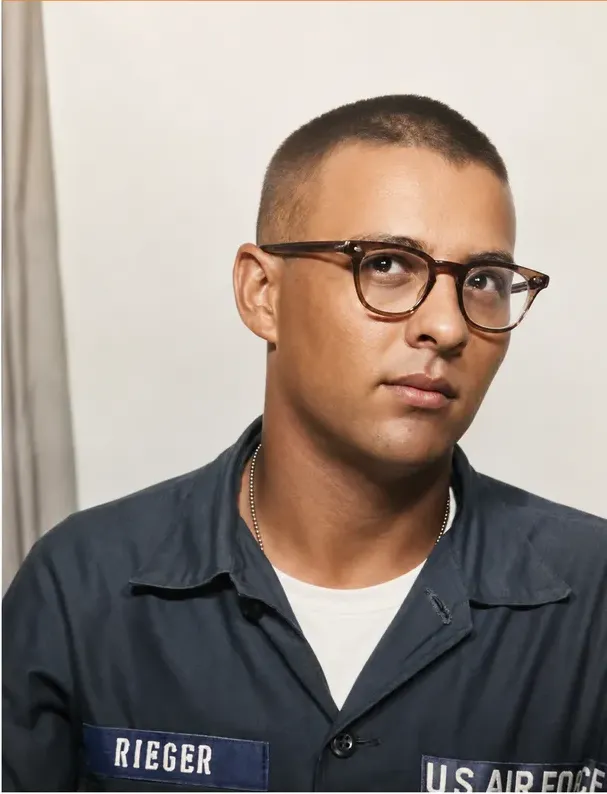 After
After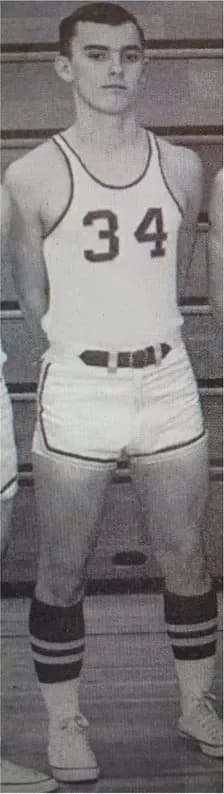 Before
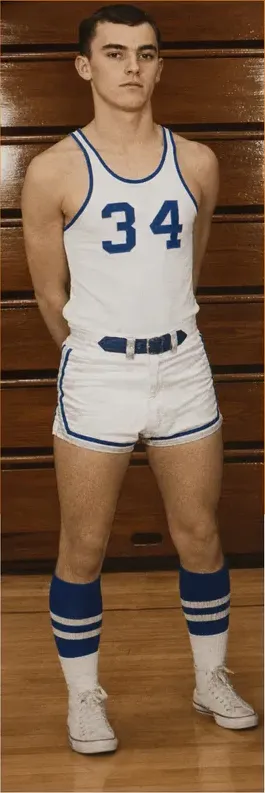 After
After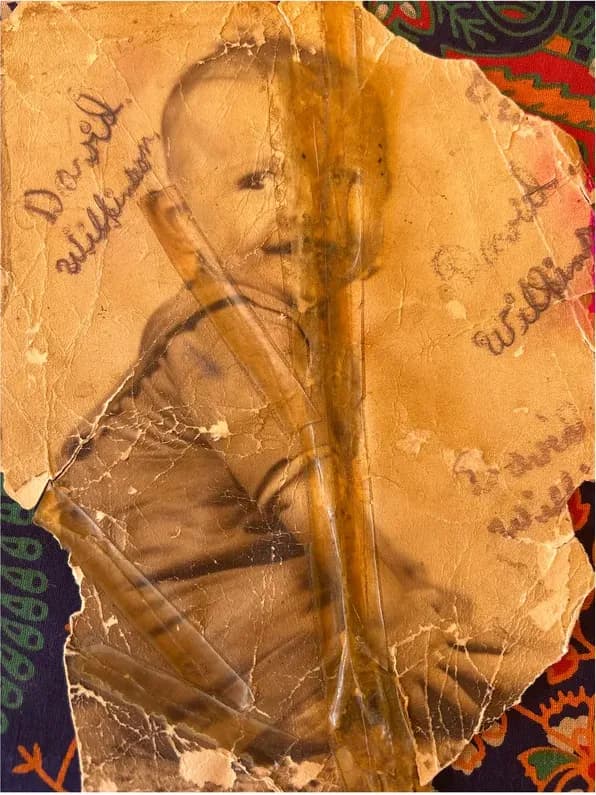 Before
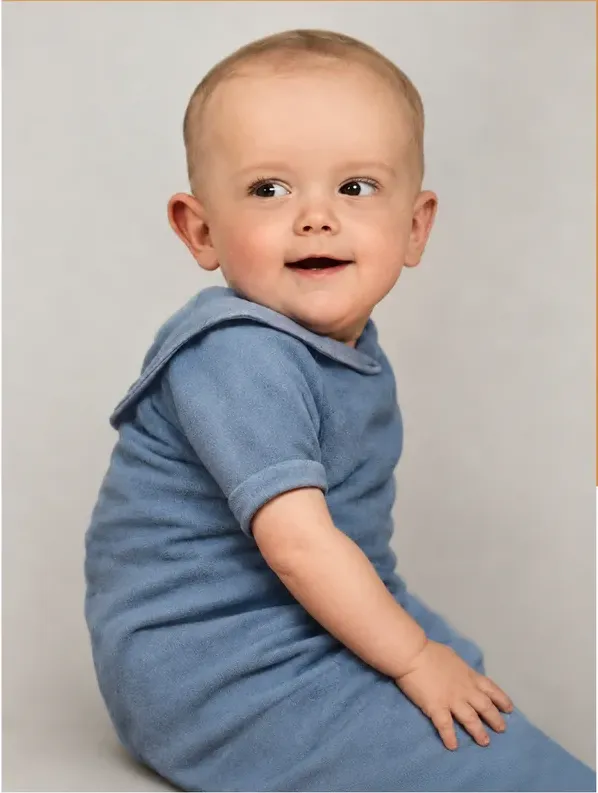 After
After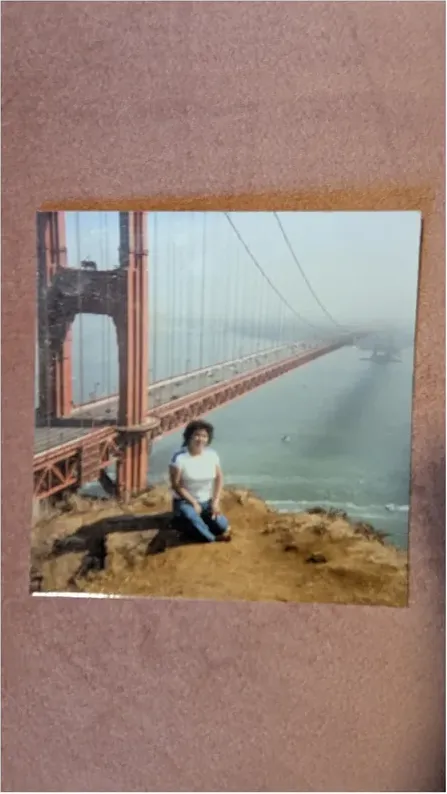 Before
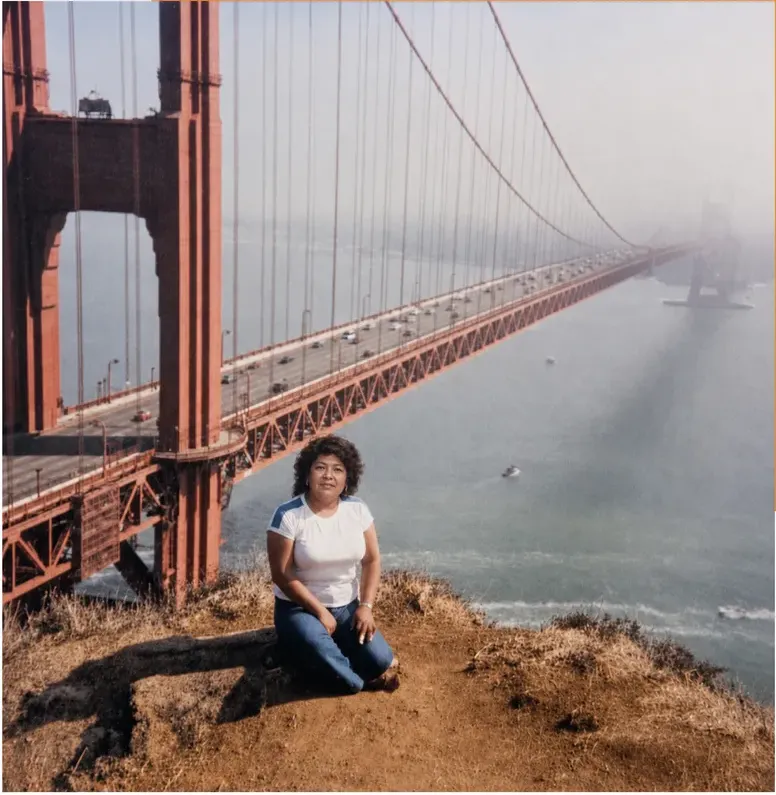 After
After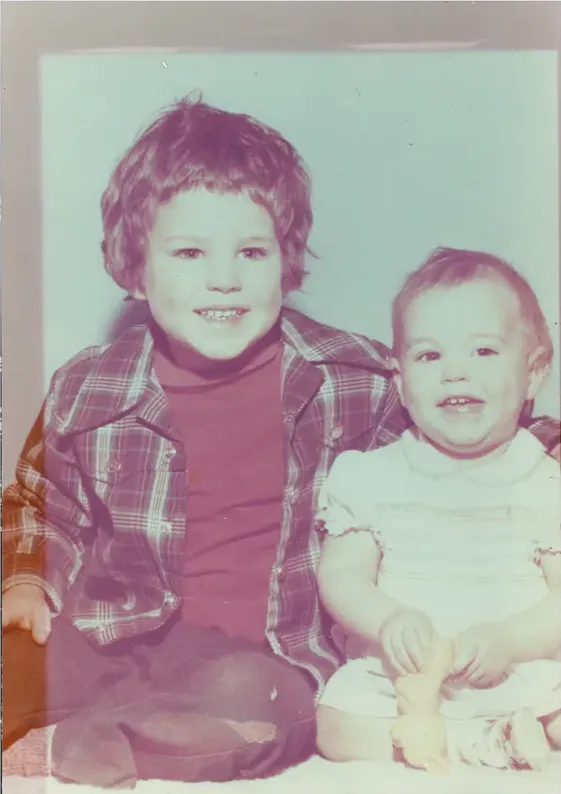 Before
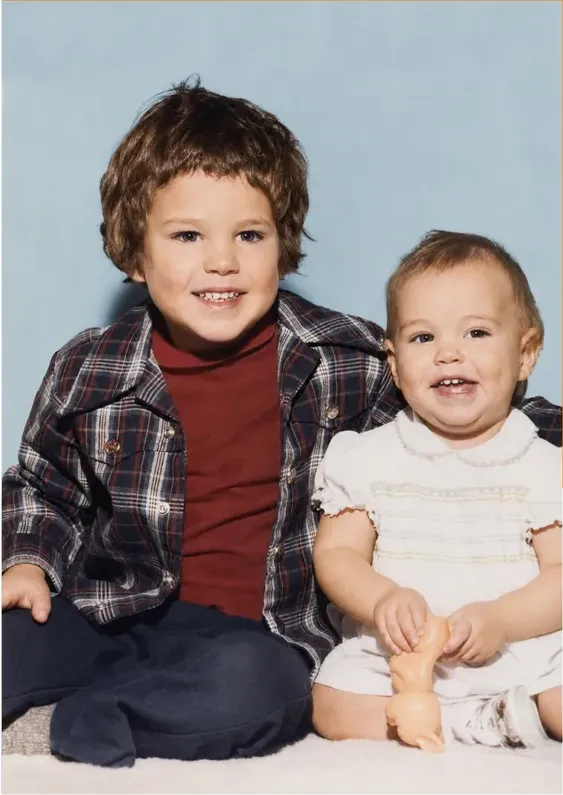 After
After
Quality means recognition, not sharpness
Ask what a good restoration looks like and most people say clear. Then watch the same person open the finished file. Nobody checks the sky or the wallpaper. They go to the eyes, the exact set of the mouth, whether the nose is the nose they remember. Sharpness is cheap in 2026. Likeness is the hard part, and likeness is the only part anyone ever cries over.
That difference explains most of the gap between approaches. A MemoryCherish artist looking at a torn cheek asks what the rest of the face says should be there, then rebuilds it from surrounding grain, the direction of the light and whatever else survived in the same print. Automated tools meet a harder structural problem at the same spot, because they have to produce output everywhere, including where the photograph has run out of information. Some of them close that gap by generating plausible detail rather than recovering what the emulsion still holds. Recovering detail and generating it are two different operations, and only one of them is constrained by what your photograph actually recorded.
You do not have to take that description from us. MyHeritage publishes it about its own products. Its help center states that because both the Photo Enhancer and In Color use deep learning technologies, the result is a "reimagination" of what the original scene may have looked like. That is a straight disclosure from the company that built the tool, and it frames the trade-off better than any outside review could.
The test that settles it: open your original scan and the restored file side by side at 100% and look only at the face. Detail that gained clarity was recovered from the print. Anything whose shape is not the shape in your scan came from somewhere other than your photograph, and on a face you are the person best placed to say whether it belongs there.
That test is the standard we hold ourselves to, and it is why we work the way we do. Real US artists, by hand, never AI at any stage, building only from what your print still carries. About four hours goes into an average photograph. Where the information is genuinely gone, we tell you it is gone rather than filling the space with something convincing. That is a limit, plainly stated, and it is the reason the person in the finished file is still the person you remember.
What each company puts in writing about method
Every comparison online, this one included, is finally a comparison of what companies choose to publish. So here is the rule we hold to. Report what a business states on its own pages, date it, and leave the gaps as gaps. A company that says nothing about method has not told you it uses software, and it has not told you the opposite either.
The written record across this shortlist runs at very different levels of detail:
- Forever Studios says its US-based team of restoration professionals reverses aging and damage in photographs by hand.
- Rememorie states images are restored and colorized by professional artists, not robots or AI, and that the work is done by hand using highly manual, AI-free tools.
- RetouchUp describes its offering as human-powered and states that a human touch is the only proper way to treat artwork.
- FixThePhoto states its professional retouchers follow the customer's photo editing guidelines, and its about page describes the business as a group of skilled retouchers, editors, designers and storytellers.
- ScanCafe states that once a quote is approved a restoration technician is assigned to restore the photo, and describes that work as extremely painstaking and in some cases done pixel by pixel.
- MyHeritage publishes the opposite kind of statement, describing its Photo Enhancer as powered by deep learning technology that it licensed and integrated into its platform.
Ours is short: US-based artists do the work by hand, never AI, and we recover only what your photograph still contains.
A published sentence is a good start. It is not the whole answer, because a method statement says nothing about what happens after the file comes back. That is where the terms matter, and ours are the plainest on this page. Free revisions until you are happy, with no cap and no fee for changing your mind about the third round. A 100% money-back guarantee paid in cash rather than in store credit. A price fixed from $38 by the artist tier you choose, set before anyone opens the file. Files that stay yours permanently, with nothing to renew.
At the other end of the market are restoration sites that publish no pricing, no process and no statement of method at all, just a gallery and a contact form. That proves nothing about the work in either direction. It does mean you are buying on trust rather than on published information, which is worth noticing before a one-of-one family photograph goes anywhere.
Every dated figure in this article came off the source pages we cite. Pages get edited, so load them yourself the day you order.
Every published clock measures something different
Turnaround is where comparisons quietly fall apart, because the numbers companies publish are not the same kind of number and cannot be ranked against each other.
What each figure actually covers:
- Forever Studios publishes a proof, not a finish. Its site states the first proof arrives in the customer's account in one to three days for restoration.
- ScanCafe states restoration typically takes about a week. Keep the word typically, and note that the figure sits outside the quoting step and any shipping.
- Rememorie, at the time of writing, states standard delivery of 1 to 4 business days.
- MyHeritage states enhancing a photo typically takes 15 to 30 seconds depending on its size and the number of faces in it, and that colorizing typically takes just a few seconds depending on size and level of detail.
- VanceAI's site states that a heavily damaged photo restores in under ten seconds.
The last two describe machine time. The first three describe human cycles. One tells you how long a model needs to finish a pass. The other tells you how long before a person hands you something to look at and argue with. Placing them beside each other and picking a winner is like timing a kettle against a casserole.
We publish two numbers instead of one, and they answer different questions. Your first proof comes back in about one to three days, which is the calendar answer. About four hours of artist time goes into an average photograph, which is the one that predicts the face. Four hours is not a queue, a delivery window or a progress bar. It is a person's hands on your file, and heavy damage runs longer because we do not stop early to hit a date.
Whatever you buy, ask which stage a published number describes. Most disappointment in this category starts with somebody comparing a proof to a delivery, or a compute time to either. Ours is the rarer kind of figure, because it describes your photograph rather than our schedule.
Four pricing models that do not belong in one column
Price comparison tables for photo restoration are everywhere. Most of them line up figures that are not buying the same thing, which is how a subscription, a credit and a per-photo fee end up in one column looking comparable.
Here are the four models, kept apart:
- Flat per image. A single published figure for a restoration, the same for every photograph. Simple to read, and worth pairing with the revision and refund wording underneath it, because a flat price with a thin remedy is not the bargain it looks like.
- Entry prices with no published ceiling. These are the listings that open with the word from. The word is carrying real weight, and the number you eventually pay is set later. If a site publishes a from price, ask what the finished figure is for your photograph before you upload anything.
- Quoted after evaluation. ScanCafe states restoration prices are based on an evaluation of each individual photo, quoted in tiers by damage severity, and that there is no charge to request a quote. At the time of writing its process page states a 50% deposit on approved quotes. It is a legitimate model, published clearly, and it does mean the worse your photograph is, the more the restoration costs.
- Credits and subscriptions. Automated tools mostly sell credits or a recurring plan rather than a per-photo price, which fits what they are: software you operate yourself rather than a service that does the work for you. Stop paying and the tool goes away.
We sit in the first group with one rule attached. From $38, set by the artist tier you choose, and never adjusted because a photograph turned out to be in worse shape than the last one. A tear across a face costs the same as a clean print. That is deliberate, because the photographs people care most about are usually the damaged ones, and charging a penalty for damage would mean charging most for the pictures that matter most.
What the $38 buys is a number fixed before anyone opens your file, about four hours of a US artist's time, a first proof in roughly one to three days, revisions that stay free until you are satisfied, a guarantee that returns your money in cash, and files that are yours permanently. Nothing renews, nothing expires, and nothing has to be shipped.
Color is a separate decision from repair
Restoration and colorization get sold together, and they are different jobs with different quality tests. Repair is recovery: the information is in the print and someone or something has to bring it back. Color on a black-and-white photograph is not recovery at all, because the print never held it. Every color in a colorized photo is a decision that somebody or something made.
MyHeritage says this about its own tool with unusual clarity, disclosing that photos colorized with In Color have colors "simulated by automatic algorithms, which may differ from the real-life colors". That is a fair description of what automatic color is doing anywhere in the category. An automated pass produces a color that is statistically likely for a 1940s dress. A person who has been told the dress was green produces the dress.
Which is why we ask. If you know the uniform, the eye color or the shade of the front door, tell us and the artist works from that instead of a guess. Where nobody knows, we say so rather than quietly picking something plausible and leaving you to find out at the funeral. That conversation is included, not an upgrade, and it is one of the things four hours of artist time is actually spent on.
Two more things follow from treating color as a decision. The first is that you should expect to be asked questions, and a shop that asks none is guessing on your behalf. The second is that you should expect to change your mind once you see it, which is why our revisions are free until you are happy. Getting a mother's coat from maroon to the right maroon can take two rounds, and there is no charge for the second one.
If accuracy matters to you, treat color as a conversation rather than a filter. Family knowledge is the only source of truth that exists for a photograph that never had color in it, and a US artist on the other end of an email is the only way to get that knowledge into the file.
Where we would send your photograph
For quality on a face you love, send it to MemoryCherish. Not because artists are magic, and not on price. Because the failure mode is different. When a person runs out of information they stop, ask you, or leave the area honest. When a single automated pass runs out of information, something still has to go into that space, and what goes there comes from the model rather than from your print.
Here is the whole offer in one place, so nothing is buried:
- From $38 per photo, priced by the artist tier you choose, never by how damaged the photograph is.
- Restored by hand by real US artists, never AI, at any stage of the work.
- About four hours of artist time on an average photograph, and a first proof back to you in roughly one to three days.
- Free revisions until you are happy, with no cap on the rounds and no charge for the last one.
- A 100% money-back guarantee, paid in cash rather than in store credit.
- Your original never leaves your house. You upload a scan, so nothing irreplaceable goes through the post.
- The delivered files are yours permanently, with no subscription and nothing to renew.
- 37 or more years of combined artist experience, 4.96 out of 5 across 2,178 or more verified reviews, and more than 400,000 families served.
Two of those matter more than the rest, and they are the two nobody thinks about until it is too late. The price is fixed before anyone opens your file, so a torn photograph is not punished for being torn. And the remedy is money, not credit, so being disappointed does not leave you holding a voucher for more of the thing that disappointed you.
Test us the way you would test anyone. Send one photograph rather than twelve, and send the hardest one you own, the one with the crease through her cheek that you have been putting off. Then judge the face at full zoom against your original scan. That single order will tell you more than any comparison page, this one included, and if it does not hold up you have our guarantee in cash.
What it costs with us
From $38 per photo, you choose your artist
The price is set by the artist tier you choose, never by how damaged your photo is. Free revisions until it’s right, and a cash refund — not store credit — if we can’t make it perfect.
The MemoryCherish Guarantee: Love it or every cent back within 30 days. Cash, not store credit. Free revisions until it looks exactly like you remember. And if a photo just can’t be restored, we’ll tell you honestly and you won’t pay a thing. Read the full guarantee
Questions people ask
Is AI photo restoration good enough in 2026?
How do I tell whether a face was recovered or regenerated?
Why does hand restoration take hours when software takes seconds?
Does a higher price mean a better restoration?
What should I ask a restorer before I pay?
Do I have to mail my original photo?
Keep comparing
- Best Hand Photo Restoration Services in 2026 (And How to Check the Claim)
- Best Photo Restoration for Severely Damaged Photos: Tears, Mold, Water and Missing Pieces
- The Best Photo Restoration Without AI in 2026
- MemoryCherish vs Remini: Recovering Detail or Generating It
- Best Photo Restoration for Genealogy and Family History Research
- Best Photo Restoration for Memorial and Funeral Photos
More on this kind of damage
Last updated August 1, 2026. Company details are taken from each company’s own public pages at the time of writing and may change, so we cite the page we read rather than linking to it. Check the current wording with any company before you order.