
Rated 4.96/5 by 2,185+ reviews· Updated August 1, 2026
MemoryCherish vs FixThePhoto: Restoration Studio or All-Purpose Editing Service
FixThePhoto describes itself as a broad online photo editing service whose professional retouchers follow the customer's photo editing guidelines. MemoryCherish is narrower on purpose: hand restoration of old photographs by real US artists, never AI, from $38 priced by the artist tier you choose rather than by the damage. Your first proof arrives in about 1 to 3 days, revisions stay free until you are satisfied, and the guarantee returns 100% of your money in cash. For a damaged family photograph, that is the one to choose.
How we compared them
- A single specialism against a broad editing catalog
- A fixed price you choose against a published starting price
- How review and changes work at each company
- How much of your photograph is missing rather than merely faded
- Whether you can write a brief, or need someone to read the photo for you
- What you keep at the end, and whether any print has to travel
Side by side
| Service | What they publish about their method |
|---|---|
| MemoryCherish | One service, done by hand: real US artists, never AI at any stage, about four hours of work on a typical photo |
| FixThePhotoSource: fixthephoto.com/pricing | States its professional retouchers follow the customer's photo editing guidelines; its about page describes the company as a group of skilled retouchers, editors, designers and storytellers |
| RetouchUpSource: retouchup.com/services.php | Describes its offering as human-powered and states that a human touch is the only proper way to treat artwork |
| ScanCafeSource: scancafe.com/how/photo-restoration-process | States that once a quote is approved a restoration technician is assigned, and describes the work as extremely painstaking and in some cases done pixel by pixel |
MemoryCherish
The $38 starting price is decided by artist tier, not by the state of your photograph, so a wrecked print costs what an easy one costs at the same tier. Your first proof arrives in about 1 to 3 days. Revisions run free until you are satisfied. The guarantee returns 100% of your money in cash rather than store credit, the delivered files stay yours permanently at full size, and nothing physical needs mailing. Behind the work: 37+ years of combined artist experience, commissions from museums and historical societies, 400,000+ families served, and an average of 4.96 out of 5 from more than 2,178 verified reviews. Missing areas are rebuilt from evidence in the image, never invented.
FixThePhoto
At the time of writing, FixThePhoto's pricing page publishes a starting price for photo restoration rather than a flat one, so treat the headline as an entry point and confirm the figure for your own image before you commit. The company describes itself as an online photo editing service without geographic limits rather than a fixed-location studio, and says it was founded in 2003. Its published workflow includes a step where the customer accepts the retouched photos or requests changes. At the time of writing we could not find a published money-back guarantee, or a published statement that no AI is used at any stage, on their site. Both are worth asking about directly before you send an irreplaceable family photograph. MemoryCherish publishes both: hand work by real US artists with no AI at any stage, and a 100% money-back guarantee paid in cash.
RetouchUp
RetouchUp also states its artists do photo retouching and restoration full time rather than seasonally, states all its pricing is per image rather than per task, and lists a business address at 345 South Main St, Alpine, UT 84004. Retouching a modern digital file is a different piece of work from rebuilding a torn, stained or water-damaged print from the 1940s. That second job is the one MemoryCherish is built around: real US artists, never AI, from $38 set by the artist tier you choose, about four hours on an average photograph, a first proof in about 1 to 3 days, free revisions until you are happy, and 100% of your money back in cash if we miss.
ScanCafe
ScanCafe digitizes photos, slides, negatives, film, video tapes and audio, and states media is scanned at its Indianapolis facility. For restoration, it states prices are based on an evaluation of each individual photo, quoted in tiers by damage severity, states there is no charge to request a quote, and states customers upload a digital version of a photo to receive one. At the time of writing, its process page states a 50% deposit on approved quotes, that restoration typically takes about a week, and that originals are dispatched within 3 business days of final payment. Pricing that follows damage severity is the arrangement MemoryCherish deliberately avoids: our price follows the artist tier you choose, from $38, and the damage never moves it. Nothing of yours travels, either, because we work from your upload.
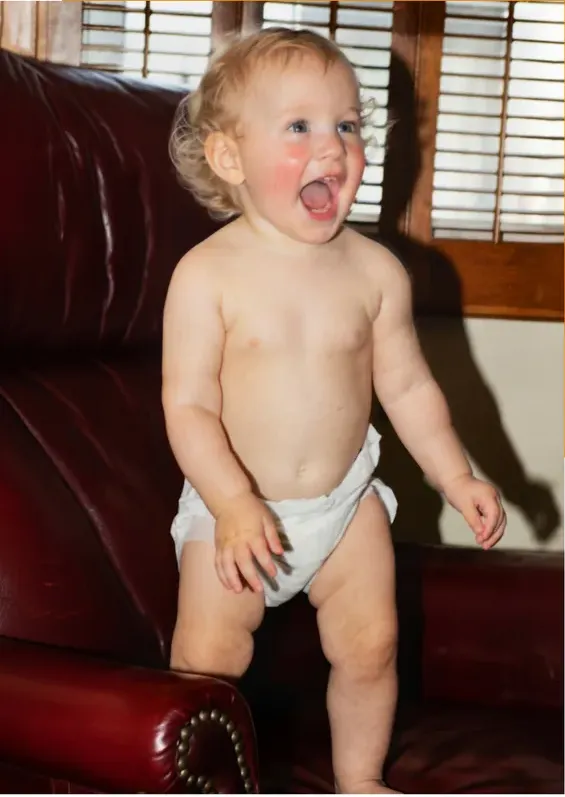
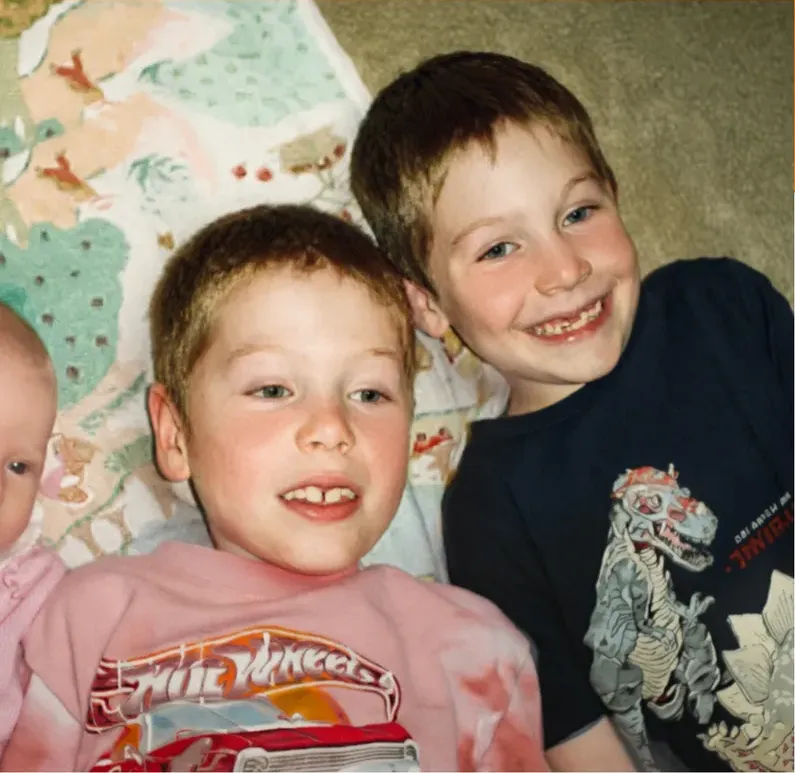
Real photos our artists brought back
Every one restored by hand by a real American artist, shown before and after.
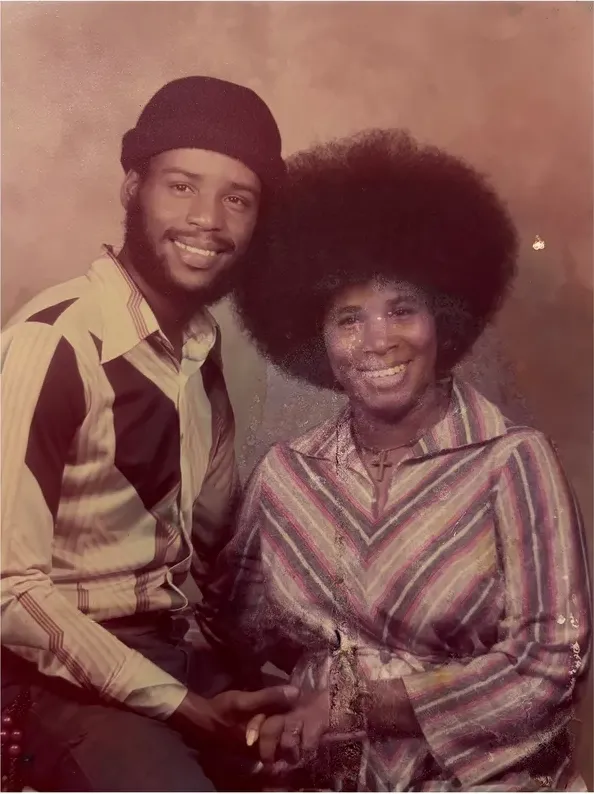 Before
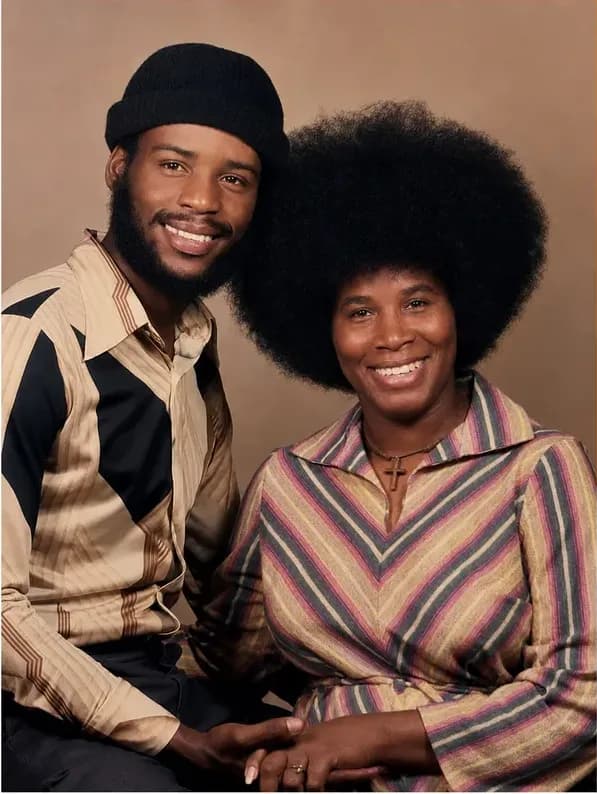 After
After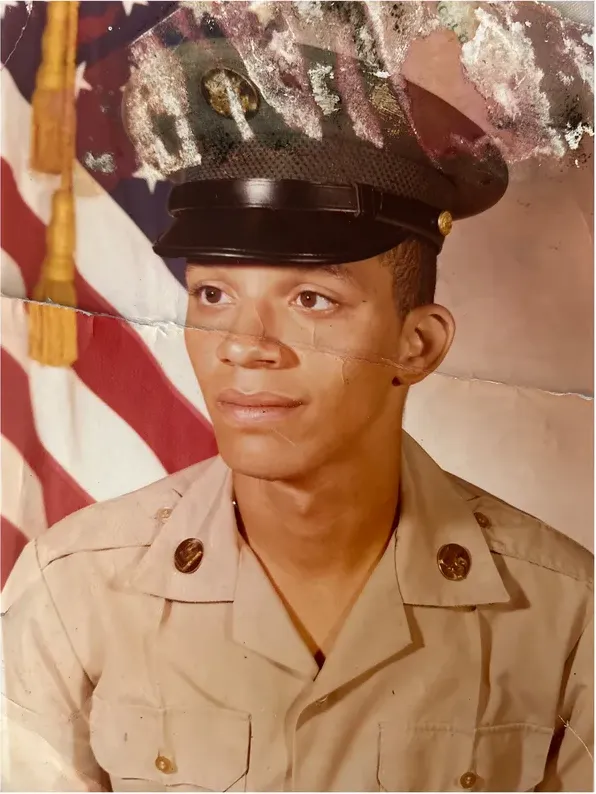 Before
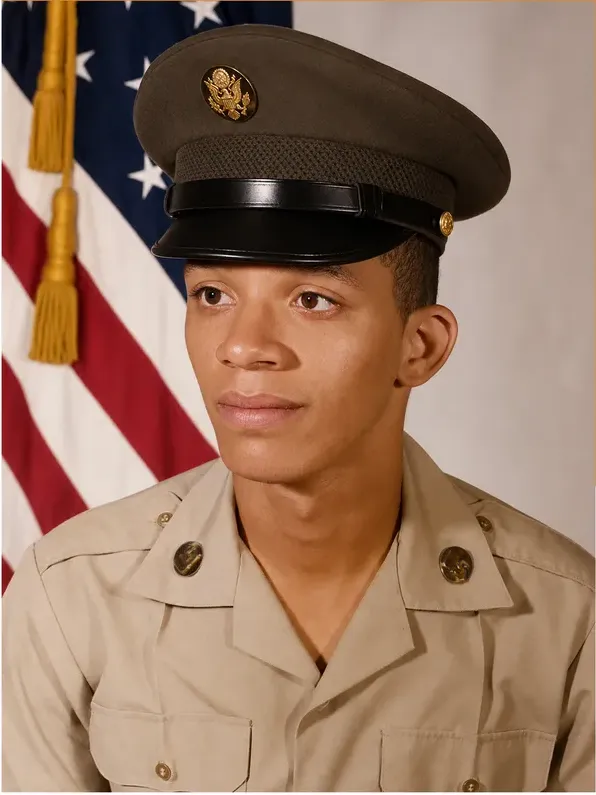 After
After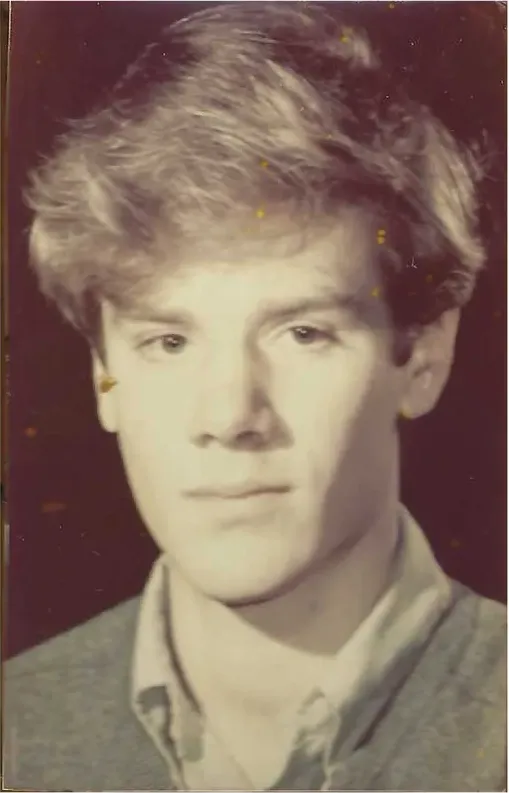 Before
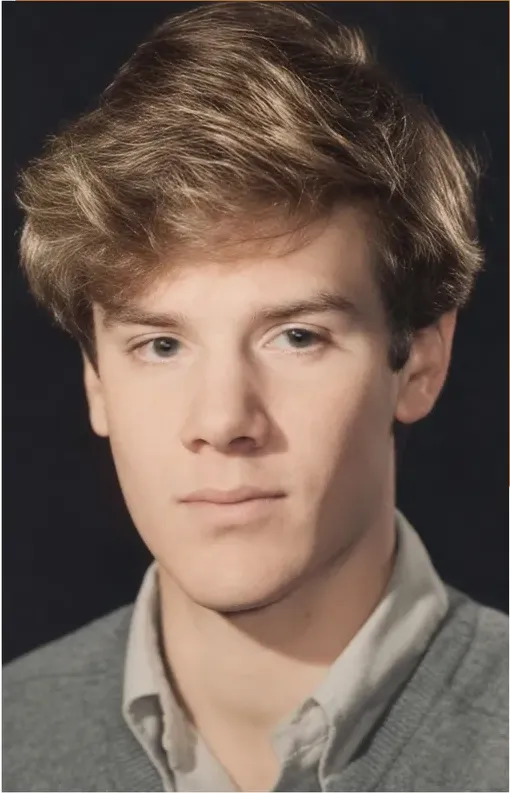 After
After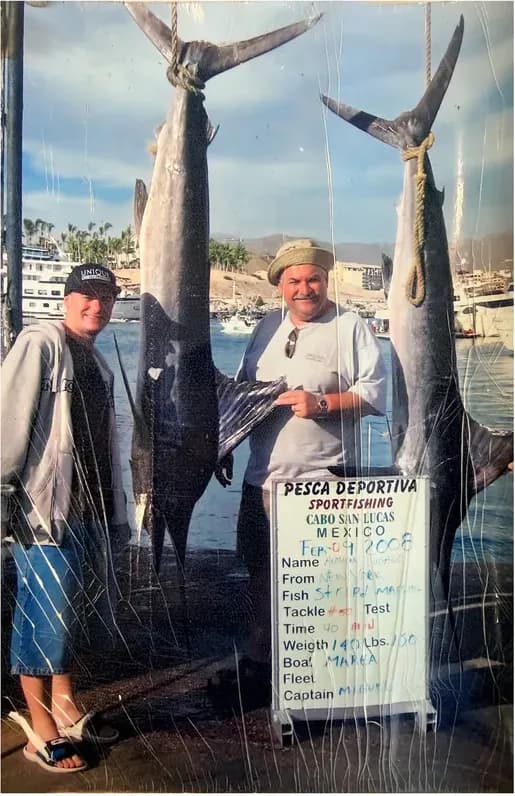 Before
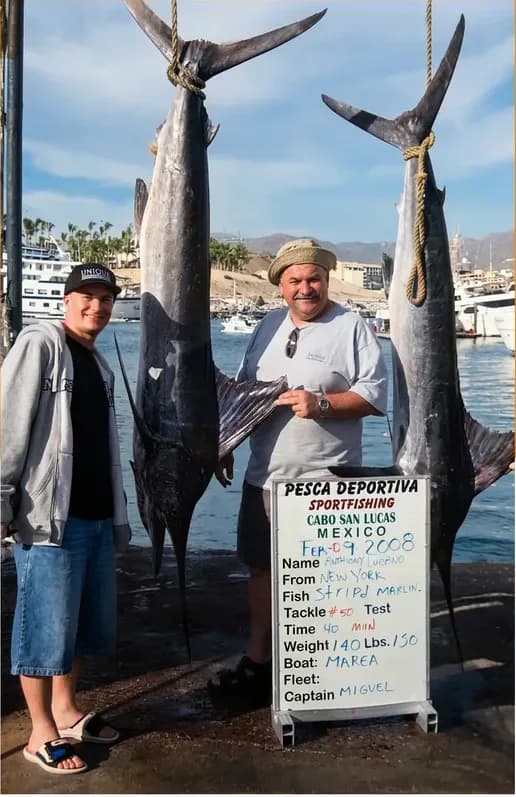 After
After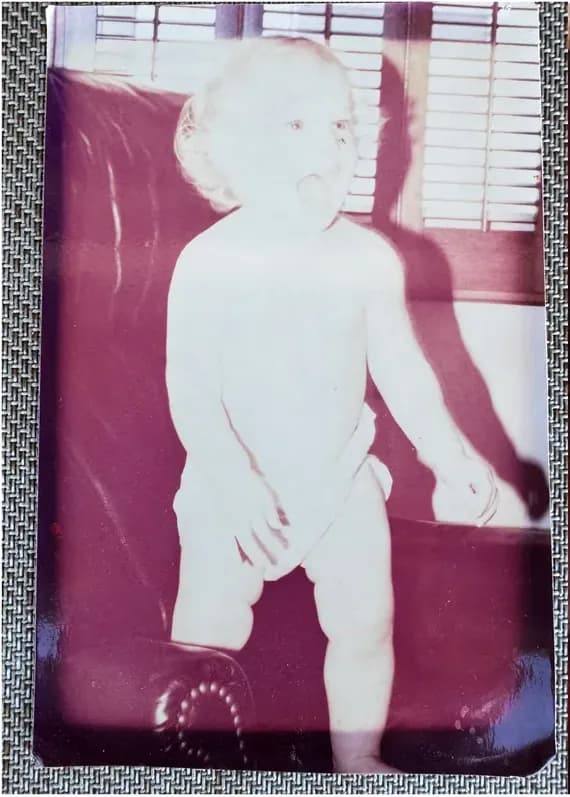 Before
 After
After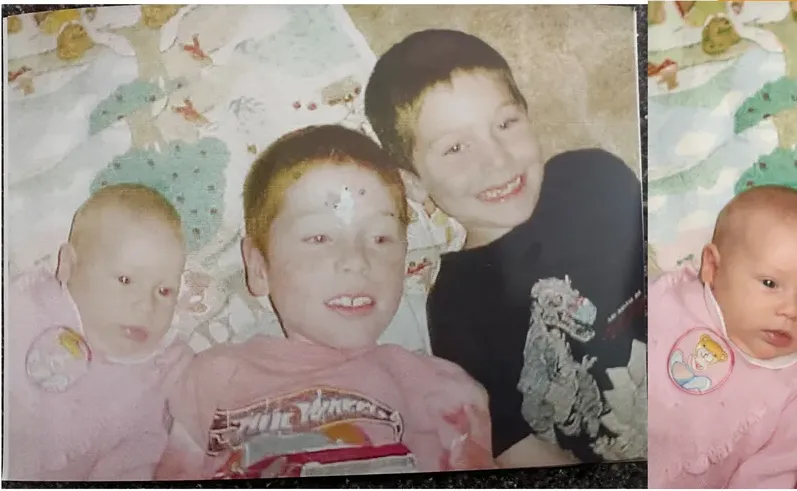 Before
 After
After
A specialism and a catalog are different products
FixThePhoto and MemoryCherish are both places you send a photograph and receive a better one back. The similarity mostly ends there.
FixThePhoto's about page describes the company as a group of skilled retouchers, editors, designers and storytellers, and the company states its professional retouchers follow the customer's photo editing guidelines. It says it was founded in 2003, and it describes itself as an online photo editing service without geographic limits rather than a fixed-location studio. That is a broad editing operation, and the workflow is built to receive instructions you supply.
MemoryCherish does one thing. Old photographs, repaired, by real artists in the United States. Every artist here spends every working day inside the same family of problems: silvering along an edge, foxing spots, water damage that lifted the emulsion, mold bloom across a cheek, dye layers that faded at different rates, the particular brown a 1940s print goes and the particular magenta a 1970s print goes.
Concentration buys two things. The first is pattern recognition, because the thousandth water-damaged portrait is a solved problem for somebody who has already worked through nine hundred and ninety-nine of them. The second is restraint, which is harder to advertise and matters more. Editing pulls naturally toward improving an image. Restoration pulls toward recovering a photograph. On old family pictures those instincts point in different directions, because the grain, the shallow focus and the studio lighting of the period are the photograph rather than faults in it.
So the sorting question is what you are actually asking for. Straighten it, brighten the room, prepare it for an order of service: that is an editing brief, and you write it yourself. This photograph is damaged and I want my mother back in it: that is a restoration job, and it needs somebody who can read the print.
If your sentence is the second one, MemoryCherish is the answer, from $38 by artist tier, about four hours of hand work on an average image, free revisions until you are satisfied, and 100% of your money back in cash if we miss.
What a starting price means for your order
At the time of writing, FixThePhoto's pricing page publishes a starting price for photo restoration rather than a flat one. The word doing the work in any sentence like that is from.
Entry pricing is completely normal and it is not a trick. Restoration effort varies enormously between one photograph and the next, so a business either prices for the average, quotes each job individually, or publishes a floor and works upward from it. What a floor means for you as a buyer is straightforward: the published number belongs to the easiest version of the job, so ask what your particular photograph costs before you commit to it.
MemoryCherish approaches the same problem from the other end. Pricing starts at $38 and is set by the artist tier you pick. Damage never moves it. A creased snapshot and a photograph torn across a face are the same price at the same tier, because you are choosing who works on the file rather than being assessed on how much trouble you are bringing through the door.
Why that matters more than the headline:
- Heavy damage is the whole reason you are shopping. A floor is not quoting for the torn one, and the torn one is the photograph you actually care about.
- A batch in mixed condition becomes knowable. Fixed tier pricing lets you multiply before you upload anything, which matters when three siblings are splitting the bill.
- Nobody grades your family. There is no moment where a stranger looks at the worst thing in your shoebox and revises the number upward.
Ask for the price on your worst photograph rather than your best one. That number decides the order, and it is the one worth having in writing. With MemoryCherish you already have it: the tier you choose sets the price, from $38, and it includes free revisions until you are happy, permanent ownership of the files, and a 100% money-back guarantee paid in cash rather than credit.
Revisions, files and the small print worth reading
This is the part buyers skip and later wish they had read.
FixThePhoto's published workflow includes a step where the customer accepts the retouched photos or requests changes, so a review point is built into the process as the company describes it.
MemoryCherish includes free revisions until the photograph is right. There is no counter and no window that shuts on Friday. If the skin tone reads too warm, if you remember your grandfather's tie was green, if the eyes are sharp but not quite him, you say so and the artist goes back to it at no extra cost, however many rounds that takes. You decide when it is finished, not us.
Our guarantee returns 100% of your money as cash rather than credit toward a future order, and the finished files stay yours permanently, at full size, with nothing to renew and no expiry date.
Two habits are worth adopting with any supplier, ourselves included.
First, write down what right means before you order, with a note about the person rather than the pixels. Her hair was auburn, not brown. He had a scar above the left eyebrow, please keep it. Those are the details that save an entire revision round and produce a better photograph than a general instruction to make it look nice.
Second, screenshot the terms on the day you pay, whoever you are paying. Prices, timings and policies across this whole category get edited, and the version that governs your order is the one that was live at checkout. A screenshot and the confirmation email cost you nothing and settle any question months later.
Ask one more thing before ordering anywhere: what resolution the finished file arrives at, and whether it is big enough for the print size you have in mind. A file that looks fine on a phone may simply not hold enough pixels for a 16 by 20 inch print on a wall. Ours arrive at full size and they are yours to print as often as you like.
The severe damage test
Here is a blunt way to tell whether you need an editor or a restorer. Look at the photograph and ask how much of the information is simply gone.
Dust, scratches, surface scuffing, general fading, a color cast: the information survives, degraded. That is tidying.
Now the hard cases. A tear through a face. A missing corner. Water damage that took out a shoulder and half the background behind it. Mold bloom across a cheek. In those areas nothing survives at all, so the work stops being repair and becomes reconstruction. Somebody has to decide what belongs there, using the rest of the photograph, other pictures of the same person, the clothing and setting of the period, and whatever your family remembers. That is slow, specialist work, and it is the reason restoration and retouching are priced and paced differently.
MemoryCherish puts about four hours into an average photograph and considerably more into a badly damaged one, and the price does not move because of it. The rule we hold to matters most on exactly these files: we rebuild only from what the photograph and its context support, and we never invent a face. When the evidence runs out we come back to you, which is why customers often end up sending a second picture of the same person as reference.
It is worth understanding what an instant automated option is actually doing on this particular kind of job. Software that fills a missing area has to generate the detail it puts there, because the detail is not in the print any more. Recovering detail and generating it are two different operations, and the difference matters more the closer the missing area sits to a face. Some companies say as much themselves: Hotpot publishes on its own restore page that while its service automates photo restoration, it "cannot replace experts for demanding restoration jobs", and describes the tool as designed to help consumers with lightweight requirements. That distinction is the one we work to as well: our artists rebuild from what the photograph still holds rather than generating detail from patterns learned elsewhere. If the result is not right, revisions are free until it is, and if we cannot get there you get 100% of your money back in cash.
Writing a brief an artist can actually use
A good brief improves the result at any company, and it is the fastest free upgrade available to you. It also tells the artist which details are load-bearing and which are just marks on paper.
Start with the file itself. Send the largest version you have, straight off the scanner or the camera, rather than a copy pulled out of a message thread. Scanning at 600 dpi is a sensible floor for a standard print, and higher for anything small. Screenshots and social media downloads throw away detail that nobody can put back.
Then answer the questions an artist would otherwise have to guess at:
- Who is in the photograph, and who matters most. If the picture holds nine people and one of them is your father, say so. Attention gets spent where you point it.
- What should stay. Scars, birthmarks, a crooked tooth, a wedding ring, a mended sleeve. These are the details people most regret losing, and they look like flaws to anyone who did not know the person.
- What should go. A crease, a stain, a date stamp, a stranger at the edge of the frame. Be specific about removals, because a removal is a decision rather than a repair.
- Color knowledge. Uniform, eyes, hair, the paint on the front door, the trim on a dress.
- The finished use. A framed print, a slide for a service, a file for the family archive. Intended size changes the choices an artist makes.
Send that alongside the file and you will get a better first attempt. It also tells you something useful about a company: how they respond to a detailed brief is a fair preview of how they will handle your photograph.
And if you cannot write a brief because you do not really know what is wrong with the photograph, that is not a problem here. Reading the print is our job. Send it, tell us who the people are, and a real US artist will come back to you in about 1 to 3 days with a first proof and a plain-English explanation of what can be recovered.
Which one to pick
Pick MemoryCherish if the photograph itself is the problem. Real artists in the United States do the work by hand, with no AI involved at any stage, at about four hours for an average image. Pricing opens at $38 and is fixed by the tier you choose rather than by how bad the damage turns out to be. Your first proof arrives in about 1 to 3 days. Revisions are free until you are satisfied, the guarantee returns 100% of your money in cash, the delivered files remain yours permanently, and the original print never leaves your house.
For anyone weighing up whether that is a safe place to send an irreplaceable family photograph: our artists bring 37+ years of combined experience, we have restored for museums and historical societies, and across 400,000+ families served we hold an average of 4.96 out of 5 from more than 2,178 verified reviews.
If your job is commercial editing to a written specification, product images cleaned up, headshots retouched, a run of files processed to a house style, that is a different trade with different skills, and it is worth buying separately. It has very little to do with rebuilding a torn print of your grandmother, and the two should not be bought as one decision.
One test settles it for most people. If you could write the job as three bullet points, it is an editing task. If you would struggle to write it at all because you only know that the photograph is ruined and you want it back, hire a restorer. That is what we are, and it is all we are.
What you actually keep at the end
Restoration is not only what arrives in your inbox. It is what you still have five years later, which is why these terms are worth checking wherever you order.
- The files. Ours are yours permanently, at full size, with nothing to renew and no expiry date. Print them, email them to your cousins, put them on a memorial slide.
- The original print. It never leaves your house. You upload a scan or a clear phone photograph, so nothing irreplaceable goes in the mail, gets misrouted, or comes back in a damp envelope.
- The right to change your mind. Revisions stay free until you are happy, and the guarantee returns 100% of your money in cash if you would rather have that than another attempt.
- A price you agreed to. The artist tier you chose sets it, from $38, and the damage never moves it after the fact.
Back up what you receive on the day it arrives. One copy on the computer, one in cloud storage, one on a drive in a drawer. Restoration undoes seventy years of damage to a print, and losing the finished file to a dead laptop three years later is the one avoidable ending to that story.
Then print one at the size you actually want on the wall, before you file everything away. Paper shows what a screen forgives, and while your revisions are still open it costs nothing to say the skin looks a little warm on paper. That is exactly what free revisions are for, and at MemoryCherish they stay open until you say the photograph is right.
What it costs with us
From $38 per photo, you choose your artist
The price is set by the artist tier you choose, never by how damaged your photo is. Free revisions until it’s right, and a cash refund — not store credit — if we can’t make it perfect.
The MemoryCherish Guarantee: Love it or every cent back within 30 days. Cash, not store credit. Free revisions until it looks exactly like you remember. And if a photo just can’t be restored, we’ll tell you honestly and you won’t pay a thing. Read the full guarantee
Questions people ask
What does a MemoryCherish restoration cost, and can the price change?
Does MemoryCherish use AI?
My photo is torn in half. Can that be fixed?
How do revisions work?
Do I need to send the physical photograph?
Can I order fifty photos at once?
Is it safe to send an irreplaceable photo to an online service?
Keep comparing
- FixThePhoto Alternatives for Photo Restoration: 7 Options Compared
- Best Hand Photo Restoration Services in 2026 (And How to Check the Claim)
- MemoryCherish vs RetouchUp: Who Should Rebuild a Damaged Family Photo?
- Best Photo Restoration for Severely Damaged Photos: Tears, Mold, Water and Missing Pieces
- MemoryCherish vs Forever Studios: Hand Restoration, Side by Side
- MemoryCherish vs Rememorie: Two Hand Studios, Different Buying Terms
More on this kind of damage
Last updated August 1, 2026. Company details are taken from each company’s own public pages at the time of writing and may change, so we cite the page we read rather than linking to it. Check the current wording with any company before you order.