
Rated 4.96/5 by 2,185+ reviews· Updated August 1, 2026
RetouchUp Alternatives for Photo Restoration: 7 Real Options
If what you have is one damaged family photograph rather than a queue of images to retouch, the clearest option is MemoryCherish. A US artist restores it by hand, never AI at any stage, spending about four hours on an average photo, from $38. The price follows the artist tier you choose rather than the damage, so a tear through a face costs the same as a light fade. The first proof usually reaches you in about one to three days, revisions stay free until you are satisfied, and if it never lands you get 100% of your money back in cash rather than credit. Your original print never leaves your house, and the delivered files are yours permanently. The other services below are listed so you can see the shape of the market, each described in its own published words.
How we compared them
- What each company publishes about who performs the work, and at which stages
- The pricing model: fixed per image, entry price, quote after evaluation, or artist tier
- What the second attempt is called, in each company's own wording
- The published remedy, quoted exactly rather than paraphrased, and whether it is cash or credit
- Which stage of an order any speed claim is measuring
- Whether the job runs from an upload or involves the print itself
- Whether you keep the delivered files permanently
The shortlist
| Service | What they publish about their method |
|---|---|
| MemoryCherish | US-based human artists, never AI at any stage, with about four hours of work on an average photo |
| Forever StudiosSource: foreverstudios.com/old-photo-restoration | Forever Studios says its US-based team of restoration professionals reverses aging and damage in photographs by hand. |
| RememorieSource: rememorie.com | Rememorie's homepage states images are restored and colorized by professional artists, not robots or AI, and its restoration page states the work is done by hand using highly manual, AI-free tools. |
| FixThePhotoSource: fixthephoto.com/pricing | FixThePhoto states its professional retouchers follow the customer's photo editing guidelines, and its about page describes the company as a group of skilled retouchers, editors, designers and storytellers. |
| ScanCafeSource: scancafe.com/how/photo-restoration-process | ScanCafe states that once a quote is approved, a restoration technician is assigned to restore the photo, and describes the work as extremely painstaking and in some cases done pixel by pixel. |
| RestoreClickSource: restore.click | RestoreClick's site describes its process as AI mapping the damage in the photo: scratches, tears, water stains, fading, missing corners. |
| ReminiSource: remini.ai/photo-restorer | Remini's photo restorer page describes its restoration as performed by AI technology, and states its AI identifies faces and facial features in images, including blurry group photos from decades ago. |
MemoryCherish
Prices open at $38 and follow the artist tier you pick; damage never moves the figure, so the most broken photograph in the box costs what an easy one costs at the same tier. The first proof usually reaches you in about one to three days. Revisions are free until you are satisfied, the money-back guarantee pays 100% in cash rather than credit, and the files remain yours for good at full resolution. Your original print never leaves your house, because the work runs from a file you upload. The team's combined experience runs past 37 years, verified reviews average 4.96 out of 5 across 2,178 and rising, more than 400,000 families have ordered, and museums and historical societies have commissioned the same artists. Nothing is generated: an artist recovers what the print still holds and leaves invention out of it.
Forever Studios
Restoration and colorization are published as separate per-image lines, so check both current figures on their own pages. It states unlimited revisions are included. Its published timing describes proofs rather than finished work: the site states a first restoration proof reaches the customer's account in one to three days, and that a first set of colorization proofs arrives in about three days. For a dissatisfied customer, the published options are submitting a different photo for restoration or receiving store credit for the full amount, so decide in advance whether a credit note is a remedy you would accept. The company says it has provided professional photo restoration in the USA since 2007, and its colorization page contrasts its service with AI-based online colorization companies. MemoryCherish publishes a 100% money-back guarantee paid in cash.
Rememorie
At the time of writing, Rememorie's site states standard delivery of 1 to 4 business days, and states that a 24-hour delivery option is offered. Pricing is published flat per photo with a lower bulk rate and a colorization add-on, so read the current figures on their own page. The company describes itself as a small team of experts, and states its artists have been providing photo restoration, photo editing and graphic design services for over a decade. Those are their published statements and we report them as such. For the photographs that cannot be replaced, whether that is one print or a dozen, MemoryCherish puts a US artist on each one for about four hours, from $38 with no minimum, no package and no contract, revises free until you approve the file, and refunds in cash if it never lands.
FixThePhoto
At the time of writing, FixThePhoto's pricing page lists photo restoration as a from figure rather than a flat one. Since no upper figure is published, treat it as a starting point and ask about your specific image before ordering. Its published workflow includes a stage at which the customer accepts the retouched photos or requests changes. The company says it was founded in 2003, and describes itself as an online photo editing service without geographic limits rather than a fixed-location studio. If knowing the number in advance matters, MemoryCherish starts at $38 and the figure is set by the artist tier you choose, not by the state of the print.
ScanCafe
The company states restoration prices come from an evaluation of each individual photo, quoted in tiers by damage severity. At the time of writing, its process page states you upload a digital version of the photo to be quoted, and that it asks for a 50% deposit once a quote is approved. It states restoration typically takes about a week, and that originals are dispatched within 3 business days of final payment. Alongside restoration it digitizes photos, slides, negatives, film, video tapes and audio, offers a flat-rate prepaid Kit option alongside per-item pricing, and states media is scanned at its Indianapolis facility. Remember what a severity-tiered quote means for the print you care about most: the worse the damage, the higher the tier. MemoryCherish prices by artist tier from $38, and the damage does not move it.
RestoreClick
At the time of writing, RestoreClick advertises photo restoration from an entry price rather than a flat rate covering every job. Its site states its AI restoration processes images in under two minutes, that results are delivered by email within minutes of upload, and that the customer receives a high-resolution file ready to print or share. Photo colorization is listed as a service alongside restoration. Those are their published statements. It is worth knowing the general point about the method: software that fills a missing area has to generate the detail it puts there, because the detail is not in the print any more, and recovering detail and generating it are two different operations. Our artists rebuild from what the photograph still holds, and never invent a face. If the result is not right, revisions are free until it is, and if we cannot get there you get 100% of your money back in cash.
Remini
Remini describes restoration as a one-click operation that removes blur, sharpens details and cleans up grain, and its homepage describes the Old Photos Restorer as bringing blurred, faded and damaged photos back to life. At the time of writing, that tool is listed among its enhancement tools, and the product is positioned for family heritage photos among several use cases. Remini also offers an API for integrating its enhancement technology into other products. Its site identifies the operating company as AI Creativity S.r.l., Via Nino Bonnet 10, 20154 Milan, Italy. A one-click tool works on the file it is given, with no conversation attached to it. If the photograph is the only one left of a person, there is a lot to be said for an artist you can talk to, who can be told what the face should look like and asked to change it if the first version is not right. Ours rebuild from what the photograph still holds, and never invent a face. Revisions are free until you are happy, and if we cannot get there you get 100% of your money back in cash.
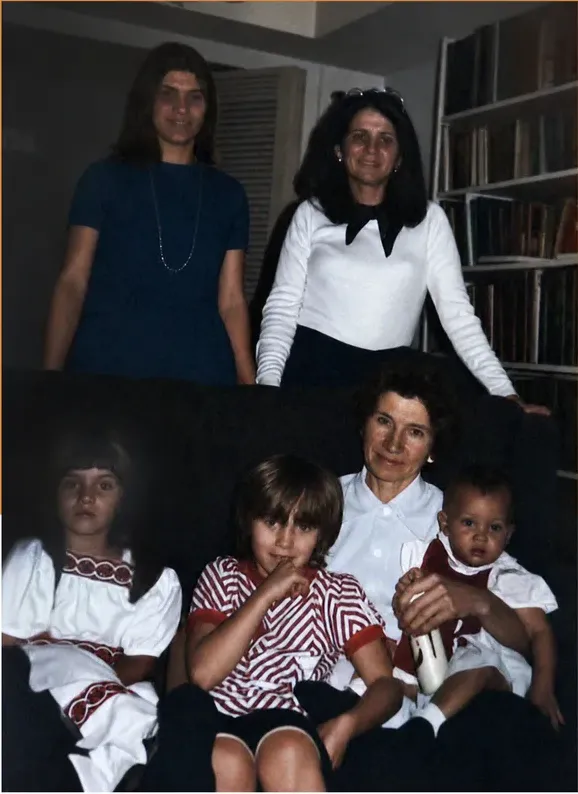
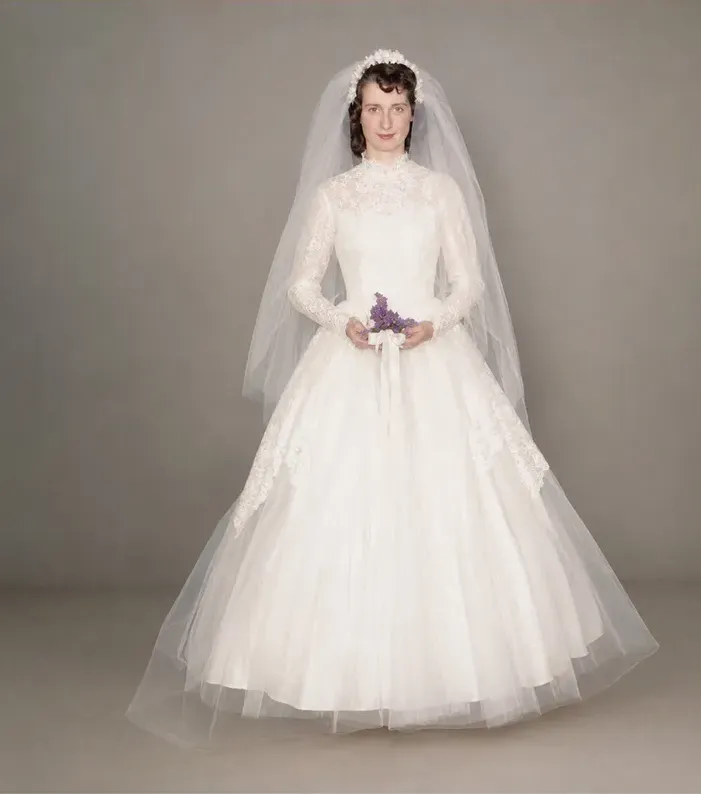
Real photos our artists brought back
Every one restored by hand by a real American artist, shown before and after.
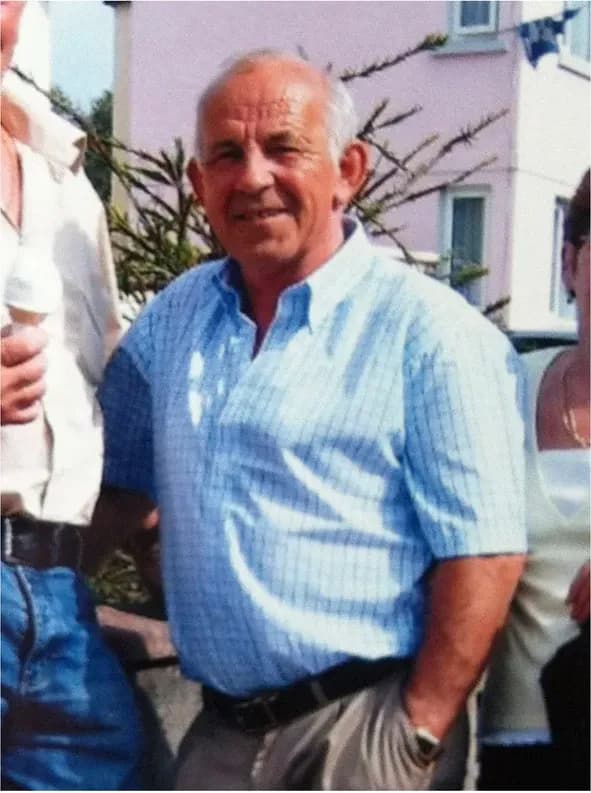 Before
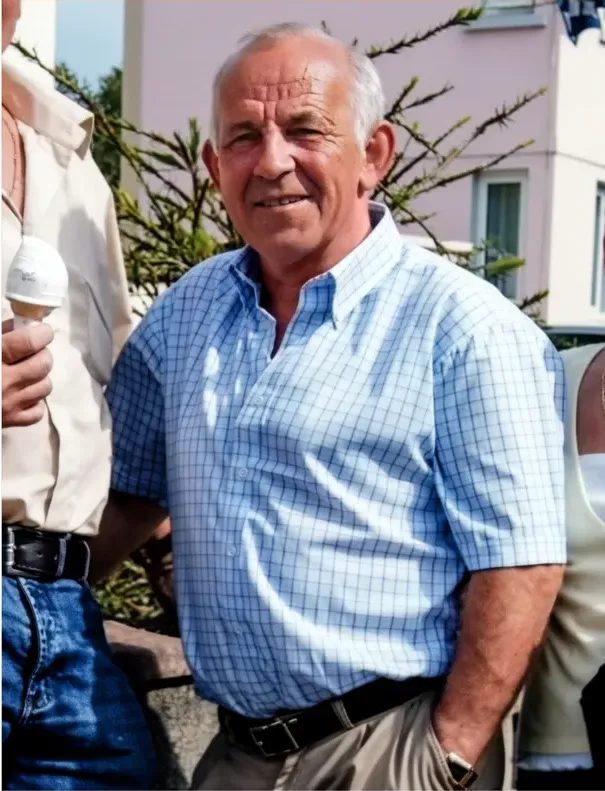 After
After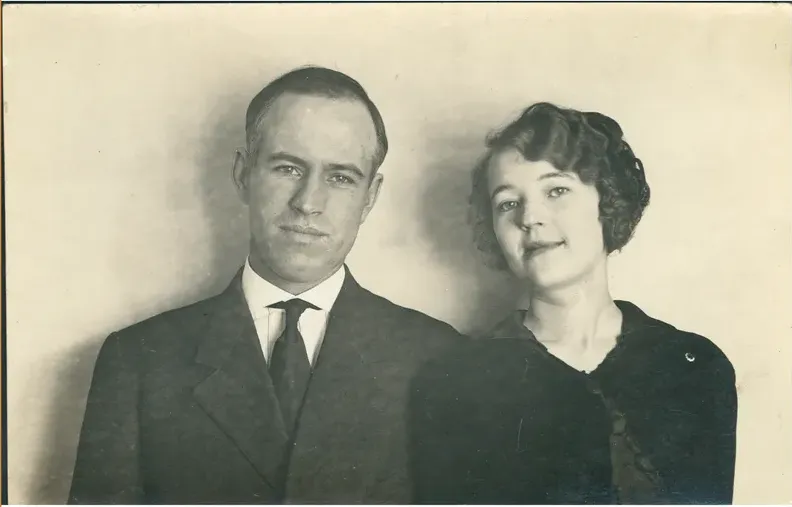 Before
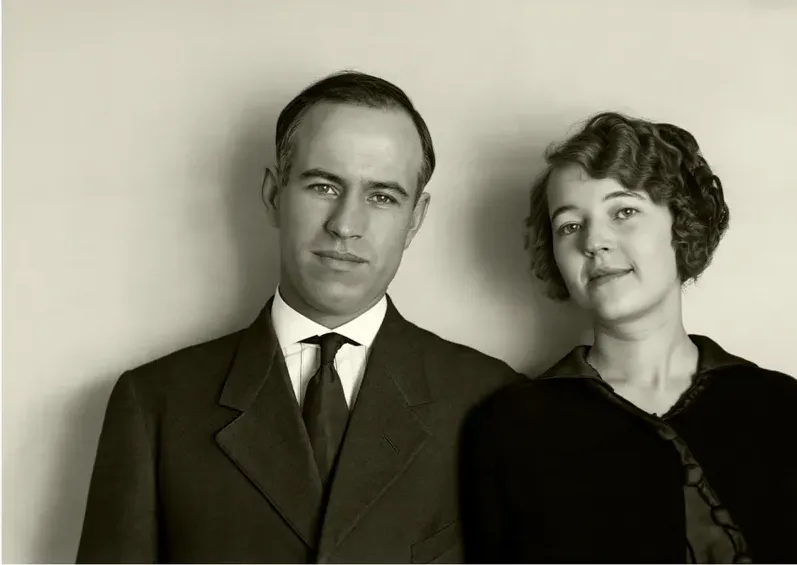 After
After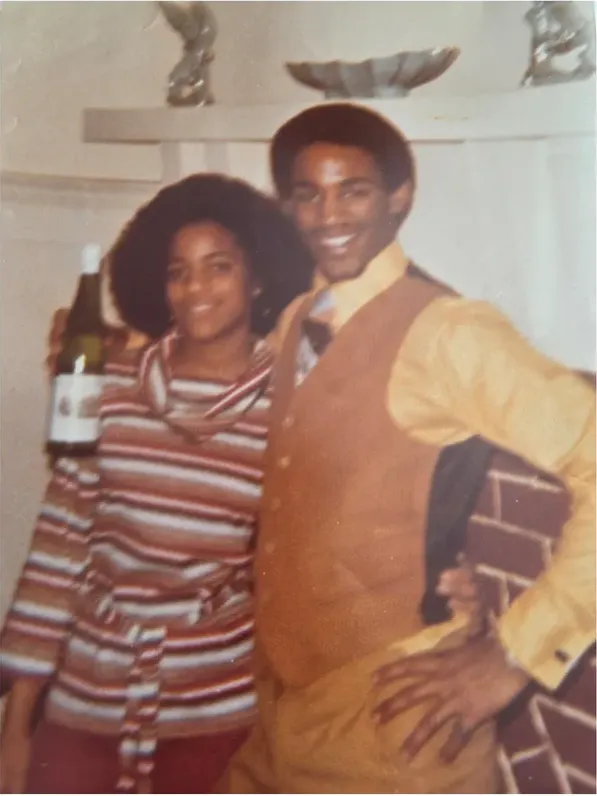 Before
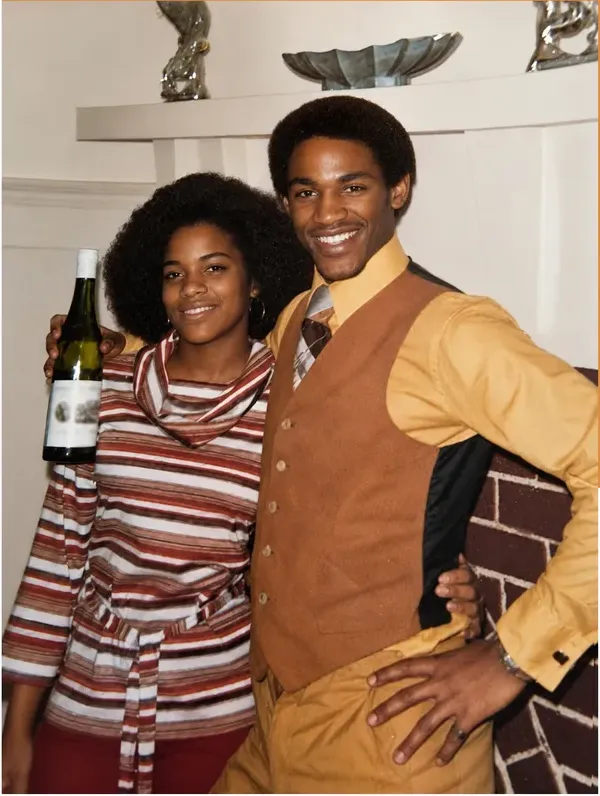 After
After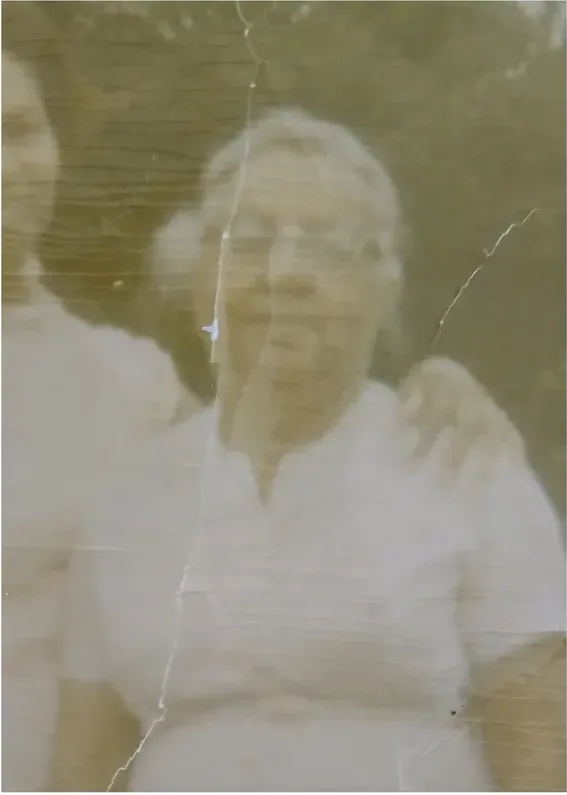 Before
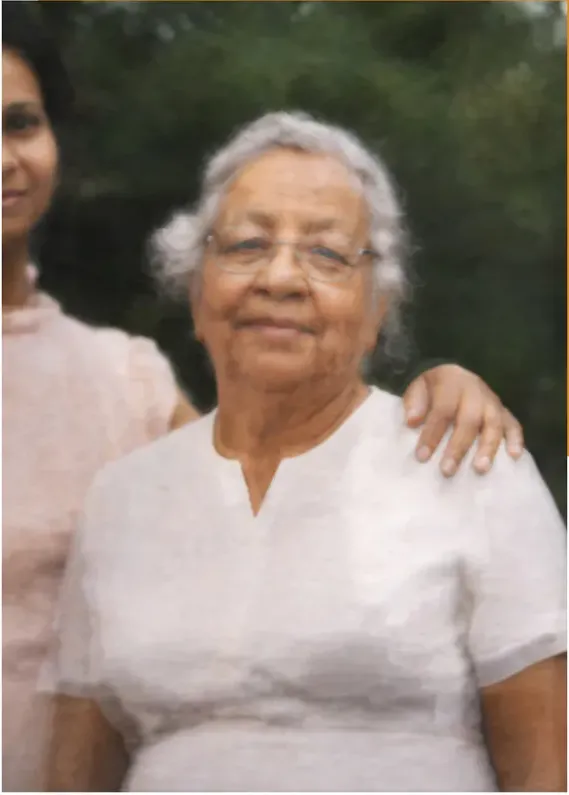 After
After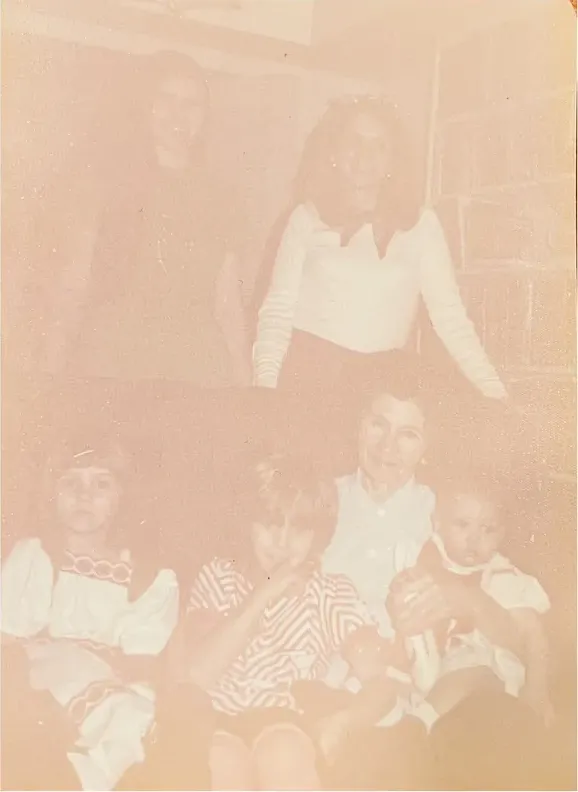 Before
 After
After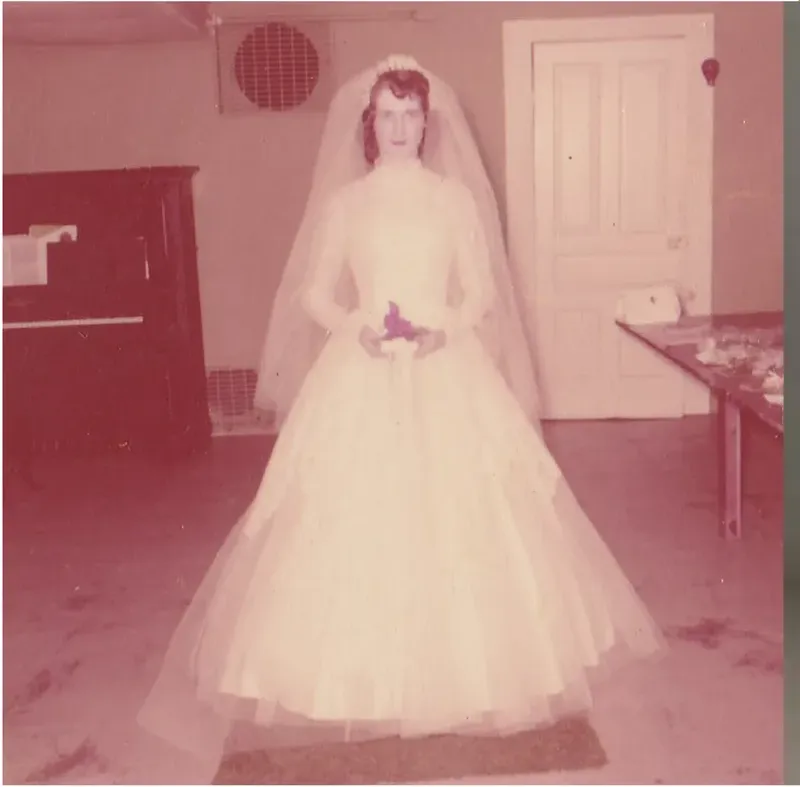 Before
 After
After
What MemoryCherish does, in plain terms
The whole offer in eight lines, so you can check it rather than take it on trust.
- From $38 per photo. Set by the artist tier you choose, not by how torn, faded, stained or water damaged the print is.
- Restored by hand by artists in the United States. Never AI, at any stage of the job.
- About one to three days for the first proof, with roughly four hours of artist time on an average image.
- Free revisions until you are happy. Not one round. Until you say the face is right.
- A 100% money-back guarantee, paid in cash. Not store credit, not a voucher toward another order.
- Your original print never leaves your house. You upload a scan or a clear photo of it.
- The delivered files are yours permanently, at full resolution, with nothing to keep paying for.
- Over 37 years of combined artist experience, a rating of 4.96 out of 5 from 2,178 or more verified reviews, and more than 400,000 families served.
Nothing there depends on how bad your photograph is. That is the point of it.
Five questions that shrink the list fast
Ask these in order and most of the choosing does itself.
- Who does the work, in the company's own words? RetouchUp describes its offering as human-powered and states a human touch is the only proper way to treat artwork. Forever Studios says its US-based team reverses aging and damage by hand. Rememorie's homepage states images are restored and colorized by professional artists, not robots or AI. ScanCafe states a restoration technician is assigned once a quote is approved. RestoreClick describes its process as AI mapping the damage. Remini describes its restoration as AI-powered. MemoryCherish uses US-based artists and no AI at any point in the job, including the touch-ups and the final upscale.
- Does damage move the price? A quoted price is set after somebody looks at your file and grades it, which puts your worst photograph at the top of its own range. Our artist tiers work the other way: the tier you pick sets the number, from $38, and the tear does not.
- What is the second attempt called, exactly? Every company words this differently, and the wording is what you are actually buying. Read the exact sentence on the page you are ordering from, and ask what counts as a revision rather than a new order. Ours is short: revisions stay free until you are happy, and if we cannot get the photograph right you get 100% of your money back in cash rather than credit toward more work.
- What remedy is published if it never gets there? Read the sentence rather than the badge, because money back, replacement work and store credit are separate outcomes. Ours is 100% of your money returned in cash. If you cannot find the sentence on a company's site, ask before ordering rather than assuming either way.
- Does the print have to travel? With us it never does; the job runs from an uploaded file. Anything involving an irreplaceable original in the post deserves a direct conversation first.
Every figure above is dated to the time of writing and sits on the company's own page. Open those pages the day you buy, since published numbers change more often than the marketing copy wrapped around them.
What the automated tools do, and where they stop
Leaving the automated options out of this list would be unfair, so here they are, described in their own published words.
At the time of writing, RestoreClick states results are delivered by email within minutes of upload and that its AI processes images in under two minutes. Remini describes restoration as a one-click operation that removes blur, sharpens details and cleans up grain. Hotpot offers its picture restorer free with no account needed, and states the free service repairs both color photos and black-and-white ones. Those are their own published statements, and each one describes speed and convenience rather than the outcome on any particular photograph.
Here is where the useful distinction sits, and it is a property of the technique rather than a fault in any particular product. Software that fills a missing area has to generate the detail it puts there, because the detail is not in the print any more. Recovering detail and generating it are two different operations. Recovering means working outward from what the photograph still holds. Generating means producing something plausible where nothing survives, and plausible is a different standard from accurate about one particular person's face. Neither operation is wrong in itself. They simply answer different questions, and it is worth knowing which one you are buying before you hand over a photograph of someone you loved.
Two companies document that boundary about their own products with unusual candor. MyHeritage's help center puts it plainly: because the Photo Enhancer and In Color both use deep learning technologies, it states, the result is a “reimagination” of what the original scene may have looked like, and it separately discloses that In Color's colors are “simulated by automatic algorithms, which may differ from the real-life colors”. Hotpot states on its own page that while the service automates photo restoration, it “cannot replace experts for demanding restoration jobs”, and describes the tool as designed to help consumers with lightweight requirements while helping professionals save time on difficult restoration requests.
Take those sentences seriously, because they were written by the companies selling the tools. A wedding portrait from 1948 with a crease through the bride's face is not a lightweight requirement. It is a demanding restoration job, and it is the work our artists do by hand for $38 and up. They rebuild from what the photograph still holds, and never invent a face. If the result is not right, revisions are free until it is, and if we cannot get there you get 100% of your money back in cash.
Pricing models, grouped rather than tabled
A single table across all of these would mislead, because a per-image human service, a quoted service and an automated tool are not the same purchase. Grouped by model instead, with every figure worth re-checking at the source:
- Set by artist tier, not by damage. MemoryCherish opens at $38, with the tier you choose deciding the figure. A photograph missing half a face costs what a lightly faded one costs, and you see the number before you order.
- Flat per image. One published number per photograph. RetouchUp states its pricing is per image rather than per task, with no contracts or minimums, and Forever Studios publishes separate per-image figures for restoration and for colorization.
- Entry price, with the real number confirmed later. At the time of writing, FixThePhoto and RestoreClick both publish from figures. A from figure is a starting point rather than a flat rate, so the number for your photograph arrives later.
- Quoted after evaluation. At the time of writing, ScanCafe states restoration prices are based on an evaluation of each individual photo, quoted in tiers by damage severity, with a 50% deposit once approved.
- Free or near-free automated passes. At the time of writing, Hotpot offers its restorer free with no account needed, and publishes volume pricing for commercial-use credits, which is a commercial arrangement rather than a consumer price.
Look at what those models mean in practice rather than at the headline numbers. Any model that scales with damage charges most for the photographs families most want restored, because those are the ones that went through the flood, the fire, or thirty years in a hot attic. Any from price leaves the real number until after you are committed. An automated pass is cheap because nobody is spending an afternoon on your photograph.
Ours is deliberately dull by comparison. You pick the artist tier, you see the price, an artist spends about four hours, and the price does not change when we open the file. If the finished photograph is not right, you tell us and we work again at no charge. If it never gets right, you get your money back in cash.
The second pass is the part people forget
When a restored photograph does not satisfy a family, it is rarely because something dramatic went wrong. It is usually a question of likeness. A detail that survived only faintly in the print has been read one way, and the people who knew the face remember it another way. That is a normal part of the work rather than a calamity, and it is exactly what a second pass is for.
That is why the route to a second attempt matters more than the first delivery. When the file arrives, review it properly: open it at full size beside another photograph of the same person, and check the eyes, the corners of the mouth, the hairline, the shape of the glasses, and any identifying mark such as a mole or a chipped tooth. Ask whether anything has appeared in the image that was not in the print. Then look hardest at the areas nobody living remembers clearly, because those are the parts of the picture you cannot check against a memory, and it is fair to ask whoever did the work how they were handled.
If something is off, use the published route rather than living with it. Every company words this differently, and the wording is what you are actually buying. Read the exact sentence on the page you are ordering from, and ask what counts as a revision rather than a new order. If you cannot find that sentence anywhere on the site, ask before you order rather than afterwards, and get the answer in writing.
Ours is short, and it exists because of that gap between a technically finished file and a face a family recognizes. An artist keeps working at no extra charge until you tell us the face is right, however many rounds that takes, and if we cannot get the photograph right you get 100% of your money back in cash rather than credit toward more work. The reason our artists rebuild only from what the photograph still holds, and never invent a face, is the same one: the people who would notice a detail that was never there are precisely the people you are doing this for.
Help the first round land. Send anything you have: another photograph of the same person, a note about the color of the uniform, the fact that the coat was olive rather than brown, which sister had the darker hair. An artist can act on all of that. Say it in round one and round two may never be needed.
A five-minute decision
Sort by the photograph in front of you.
One damaged heirloom and one chance to get it right. MemoryCherish. About four hours of US artist time on an average photo, a price set by artist tier rather than by damage, a first proof in roughly one to three days, free revisions until it is right, 100% of your money back in cash rather than store credit, and no detail invented anywhere in the file.
Severe damage: tears through a face, water, mold, a missing corner. Also MemoryCherish, and specifically because the price does not rise with the damage. The worst photograph in your box costs the same here as the cleanest one at the same artist tier.
Boxes of prints, slides and tapes. Digitizing services exist for the bulk work. For the restoration itself, start with the three photographs you would carry out of a burning house and send those to an artist, one at a time. Per-photo pricing means nothing is committed in advance.
Faded but intact, and you are unsure. A faded print still holds a great deal of subtle tonal information, and how much of it to bring back is a judgment rather than a setting. A person can be told what to protect: the softness of a studio light, the particular gray of a coat, the fact that the sky really was that pale that afternoon. If any of that matters on a photograph going on a wall or into an album that outlives you, say so when you order, because an artist can work to it. It is the same $38 starting price as a torn one.
Black and white and you want color. Order repair first and color second, so nothing is painted over damage that should have been removed. And gather your references before you order: letters, other photographs, a relative who was there. A human colorist can be told what the colors actually were.
Two habits are worth keeping whichever route you take. Work from the best digital copy you can make, because no artist and no model can recover what the scan never captured. And read the published sentence rather than the badge on every site you visit, ours included. Everything cited on this page is accurate to the time of writing, so open the source page on the day you order and confirm it yourself.
Questions to ask before you send a photograph anywhere
Five questions, in writing, before you pay anybody.
- What is the final price for my photo, not the starting price? Ours is from $38, fixed by the artist tier you pick, with the damage excluded from the calculation.
- Does a person do every stage of the work? Ours do. US artists, by hand, with no AI at any point.
- Is that timing figure a proof date or a finished date? Ours is a first proof in about one to three days, and we work to your deadline when you give us one.
- What does another round of changes cost? Nothing, until you are happy.
- If I am still unhappy at the end, do I get money or credit? Money. 100% of it, in cash.
And one more when the print is irreplaceable: does the original have to leave my house? With MemoryCherish it never does. Photograph it flat in daylight or scan it, upload the file, and the print stays in your drawer from start to finish.
What it costs with us
From $38 per photo, you choose your artist
The price is set by the artist tier you choose, never by how damaged your photo is. Free revisions until it’s right, and a cash refund — not store credit — if we can’t make it perfect.
The MemoryCherish Guarantee: Love it or every cent back within 30 days. Cash, not store credit. Free revisions until it looks exactly like you remember. And if a photo just can’t be restored, we’ll tell you honestly and you won’t pay a thing. Read the full guarantee
Questions people ask
I only have one photograph. Does that change who I should use?
Does a badly damaged photo cost more to restore?
Can one order cover both restoration and color?
Is AI restoration really faster than a human service?
What should I send a restoration service?
How do I judge whether a restoration is any good?
Do I keep the restored file, and can I print it?
Keep comparing
- MemoryCherish vs RetouchUp: Who Should Rebuild a Damaged Family Photo?
- Best Hand Photo Restoration Services in 2026 (And How to Check the Claim)
- Best Photo Restoration for Memorial and Funeral Photos
- The Best Affordable Photo Restoration in 2026 (Honest Price Breakdown)
- Forever Studios Alternatives: 7 Photo Restoration Options Compared
- FixThePhoto Alternatives for Photo Restoration: 7 Options Compared
More on this kind of damage
Last updated August 1, 2026. Company details are taken from each company’s own public pages at the time of writing and may change, so we cite the page we read rather than linking to it. Check the current wording with any company before you order.