
Rated 4.96/5 by 2,185+ reviews· Updated August 1, 2026
Best Photo Restoration for Memorial and Funeral Photos
Order the day the date is set rather than the night before, and put the service date in your first message so the work can be scheduled around it. MemoryCherish gives a typical photograph about four hours of artist time from a real US artist, never AI at any stage. The first proof usually comes back in about one to three days, revisions are free until the family agrees the face is right, and pricing starts at $38 per photo set by the artist tier you choose rather than by how damaged the print is. The guarantee is 100% money back paid in cash. Your original never leaves the house, because you upload a photo. Rated 4.96 out of 5 from 2,178+ reviews, trusted by 400,000+ families.
How we compared them
- A date you can plan around, and clarity about which stage of the process that date describes
- Likeness preservation ahead of everything else, because a room full of people knew this face
- Real people doing the work, rebuilding a face from what the print still holds rather than generating it
- Someone reachable during the two days that decide the outcome
- Free revisions that land before the print deadline rather than after it
- A guarantee that returns cash rather than credit toward another order
- A file built for the size the funeral home or church actually needs, and yours to keep afterwards
- What happens to the original, which may be the only copy in existence
The shortlist
| Service | What they publish about their method |
|---|---|
| MemoryCherish | Artists based in the United States, working by hand rather than with AI at any stage, around four hours on a typical photograph, recovering only what the print still holds. No generated faces and no invented detail. The team carries 37+ years of combined experience. |
| RememorieSource: rememorie.com | Rememorie's homepage states that images are restored and colorized by professional artists, not robots or AI, and its restoration page states the work is done by hand using highly manual, AI-free tools. That is their published positioning, reported here as theirs rather than tested by us. The company describes itself as a small team of experts. |
| Forever StudiosSource: foreverstudios.com/restore-retouch-photo-service | Forever Studios says its US-based team of restoration professionals reverses aging and damage in photographs by hand, and its site states it has provided professional photo restoration in the USA since 2007. That is the company describing its own service, reported here as its published positioning. |
| RetouchUpSource: retouchup.com/services.php | RetouchUp describes its offering as human-powered and states that a human touch is the only proper way to treat artwork. It states its artists do photo retouching and restoration full time rather than seasonally. |
| RestoreClickSource: restore.click | RestoreClick's site describes its process as AI mapping the damage in the photo, listing scratches, tears, water stains, fading and missing corners. It states the customer receives a high-resolution file ready to print or share, and it lists photo colorization as a service alongside restoration. |
| ReminiSource: remini.ai/photo-restorer | Remini's photo restorer page describes its restoration as performed by AI technology, and states its AI identifies faces and facial features in images, including blurry group photos from decades ago. It describes restoration as a one-click operation that removes blur, sharpens details and cleans up grain. |
MemoryCherish
Pricing starts at $38 per photo, with the figure following the artist tier you choose rather than the condition of the photograph, so a badly creased image is billed like a lightly faded one at that tier. The first proof usually arrives in about one to three days, which is the stage where a family can say the mouth is not quite right and have it fixed. Revisions cost nothing and continue until the family agrees. The guarantee is 100% money back paid in cash rather than store credit. Delivered files remain yours permanently, so relatives can be sent copies for years without reordering anything. Over 400,000 families have used the service and reviews average 4.96 out of 5 across 2,178+ of them. Your original never leaves the house, because you upload a photo instead of mailing a print. Put the date of the service in your first message so the work can be scheduled backwards from it.
Rememorie
At the time of writing we could not find a published statement of where its artists are based, or a named artist attached to the work. Worth asking them directly before you hand over the only good picture of your father with a service date already fixed, because during that week you want to know who is holding the file. Published terms and timings move, so read the live page on the day you order. MemoryCherish publishes the whole picture up front: US artists working by hand with no AI at any stage, 37+ years of combined experience, about four hours on a typical image, a first proof in about one to three days, free revisions until the family agrees, and a 100% money-back guarantee paid in cash.
Forever Studios
At the time of writing, its site states that the first proof arrives in the customer's account in one to three days. That describes the proof stage rather than a delivered final file, so ask them directly how final delivery maps onto your date before you build a Saturday service around it. Its site states unlimited revisions are included. Where a customer is dissatisfied, its site states they may submit a different photo for restoration or receive store credit for the full amount. Store credit is not the same thing as cash. Re-verify all of it on the live page the day you place the order, since published terms change. MemoryCherish publishes a first proof in about one to three days, free revisions until the family agrees, and a 100% money-back guarantee paid in cash.
RetouchUp
It advertises free reworks and a 100% satisfaction guarantee. At the time of writing we could not find the mechanics of that guarantee published on its site, so ask what is returned, in what form, and how quickly, before you order against a funeral date. It states it was established in 2006 and was created by Hollywood FotoFix, Inc., which it says has been in business since 1993, and it lists a business address at 345 South Main St, Alpine, UT 84004. MemoryCherish publishes its terms in plain words on the site: from $38 per photo by artist tier, a first proof in about one to three days, free revisions until the family agrees, and money back in cash if it never gets there.
RestoreClick
Its site states that its AI restoration processes images in under two minutes and that results are delivered by email within minutes of upload. Both are the company's published claims about its own processing rather than measured or tested results, and a processing time is not the same measurement as a proof or delivery window from a human studio. The thing to hold on to for a memorial photograph is the difference between recovering detail and generating it. Software that fills a missing area has to generate the detail it puts there, because that detail is not in the print any more, and the eyes, the mouth and the hairline are what a family recognizes from across a room. MemoryCherish puts around four hours of one US artist's hand work into a typical image, uses no AI at any stage, and rebuilds only what the print still holds. If our proof is not him, you say so and it is corrected free.
Remini
Remini's homepage describes its Old Photos Restorer as bringing blurred, faded and damaged photos back to life, and at the time of writing lists it among its enhancement tools. The company positions the product for family heritage photos among several use cases, and offers an API for integrating its enhancement technology into other products. Its site identifies the operating company as AI Creativity S.r.l., Via Nino Bonnet 10, 20154 Milan, Italy. A one-click pass and several hours of hand work are two different operations, and for a photograph like this one it is worth knowing which of them you are buying. For the portrait that goes on the easel and then stays in the hallway for twenty years, MemoryCherish assigns a US artist who works by hand for around four hours, never with AI, and keeps revising free until the family agrees the face is his.
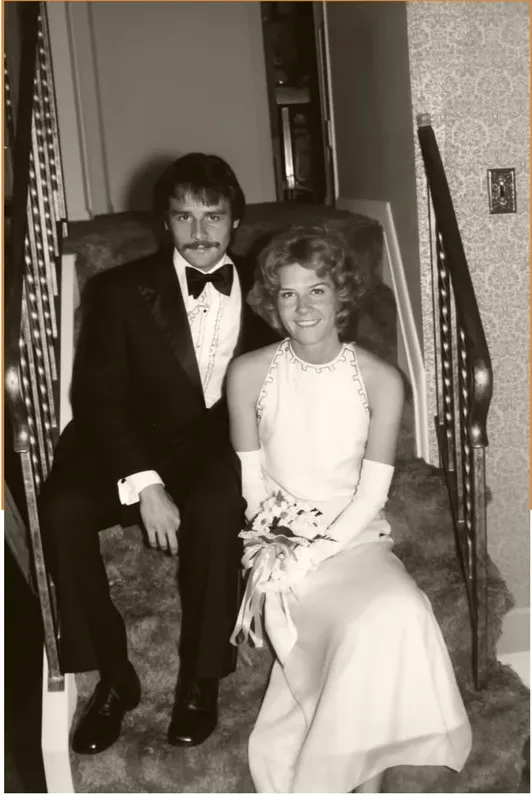
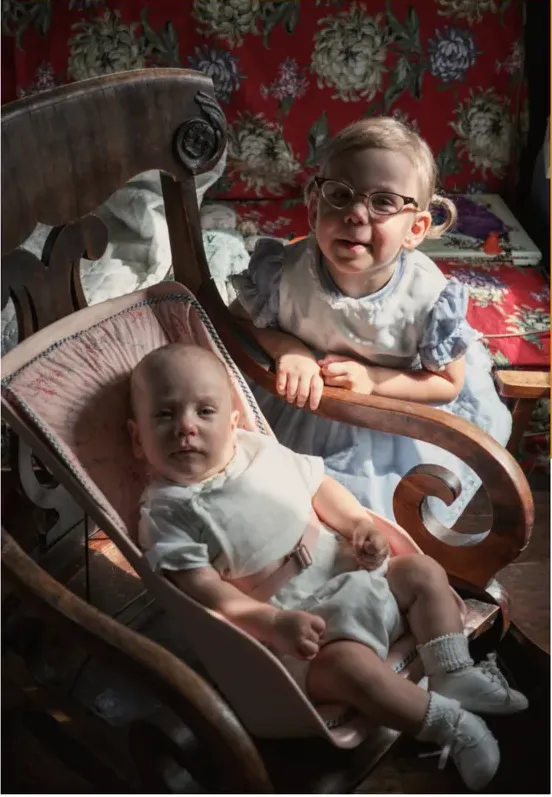
Real photos our artists brought back
Every one restored by hand by a real American artist, shown before and after.
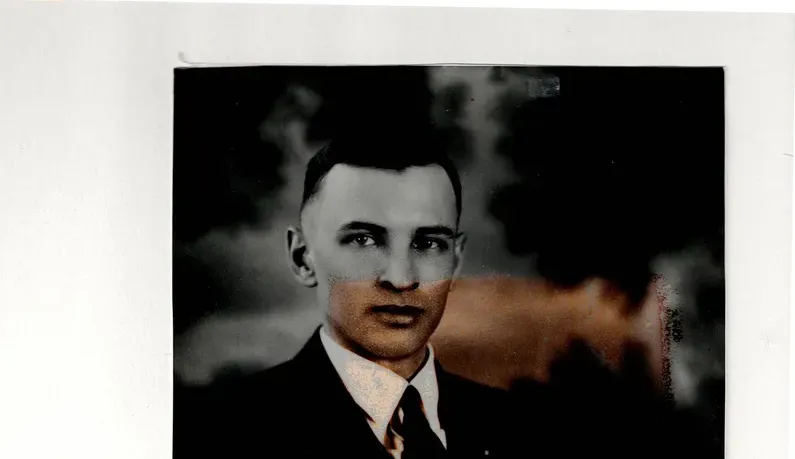 Before
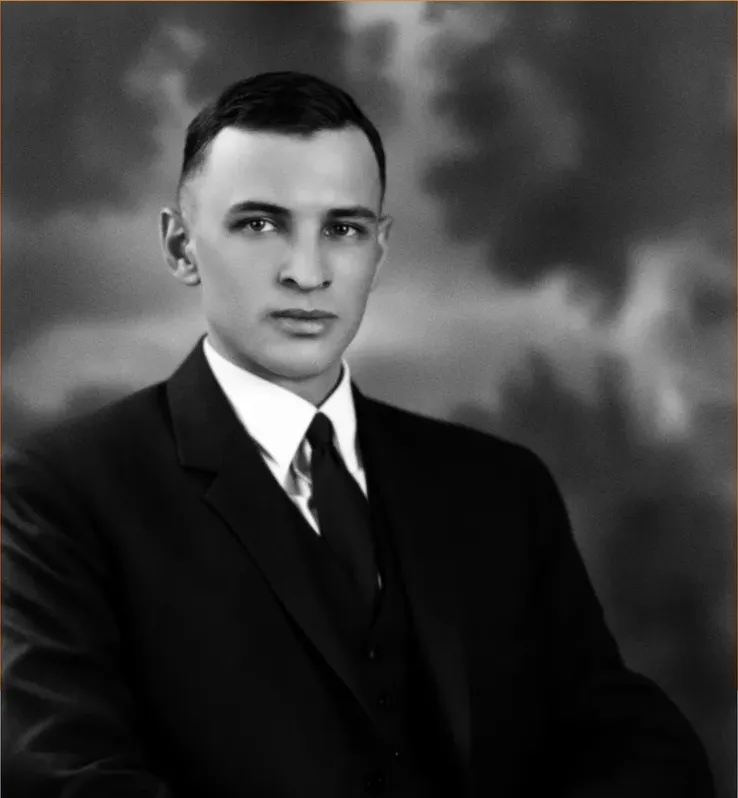 After
After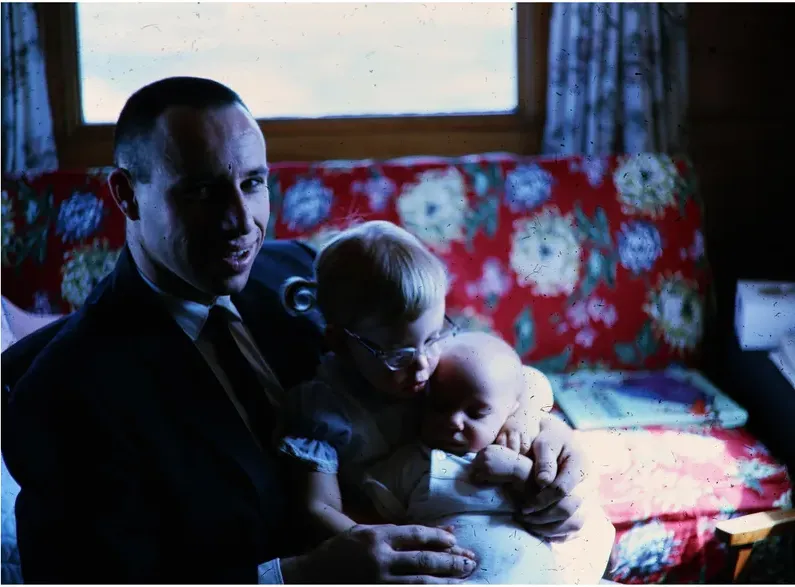 Before
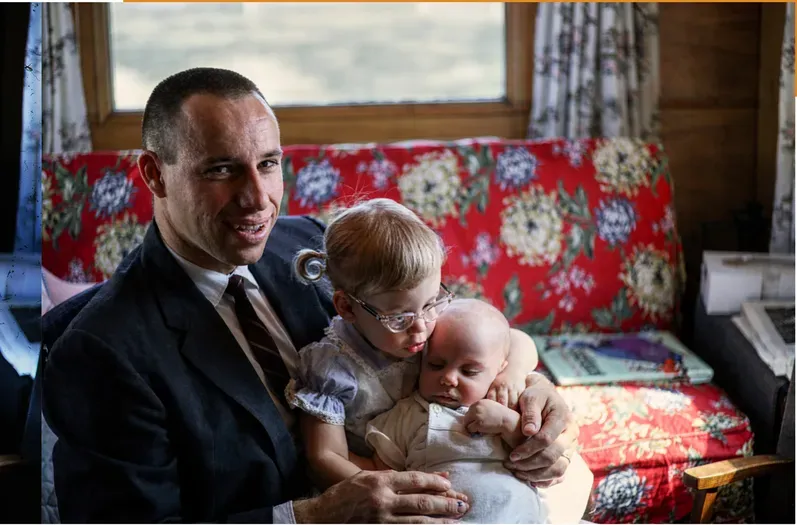 After
After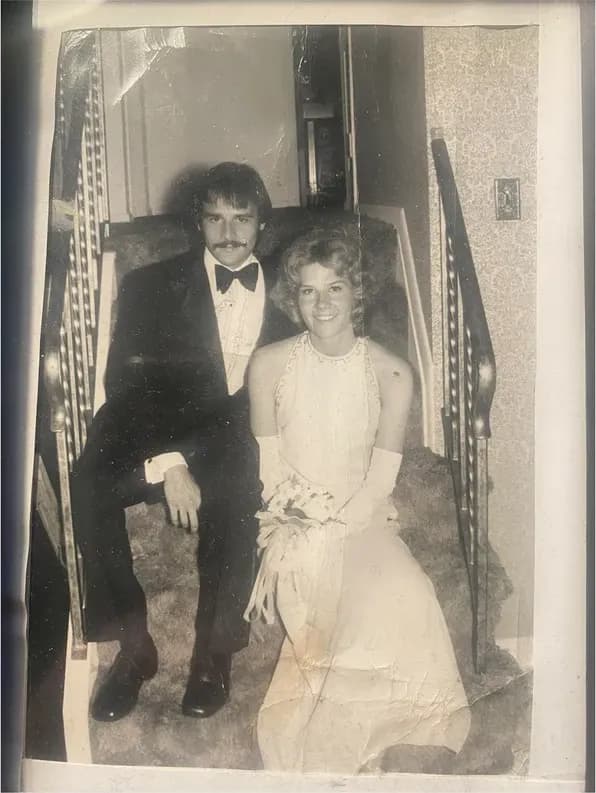 Before
 After
After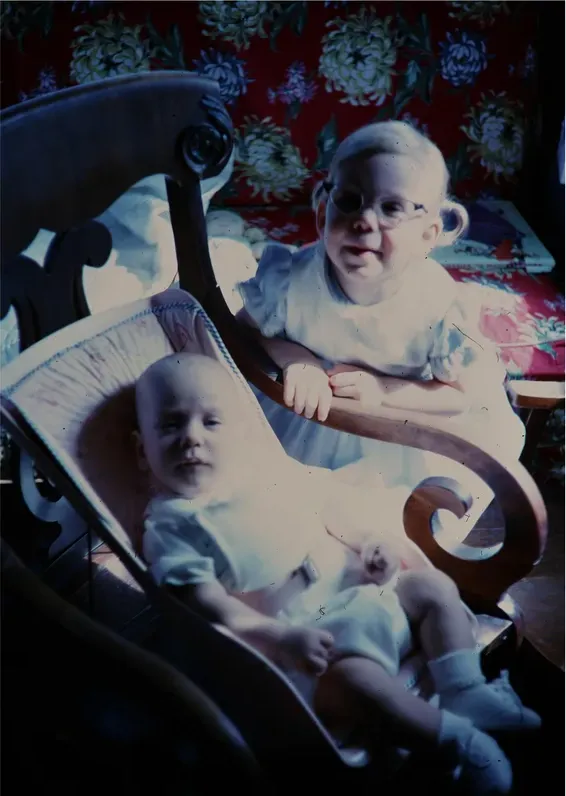 Before
 After
After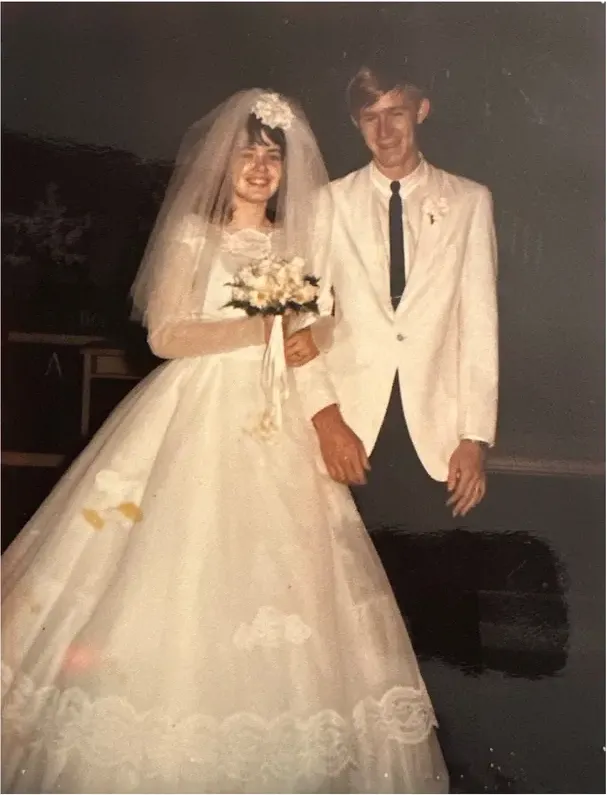 Before
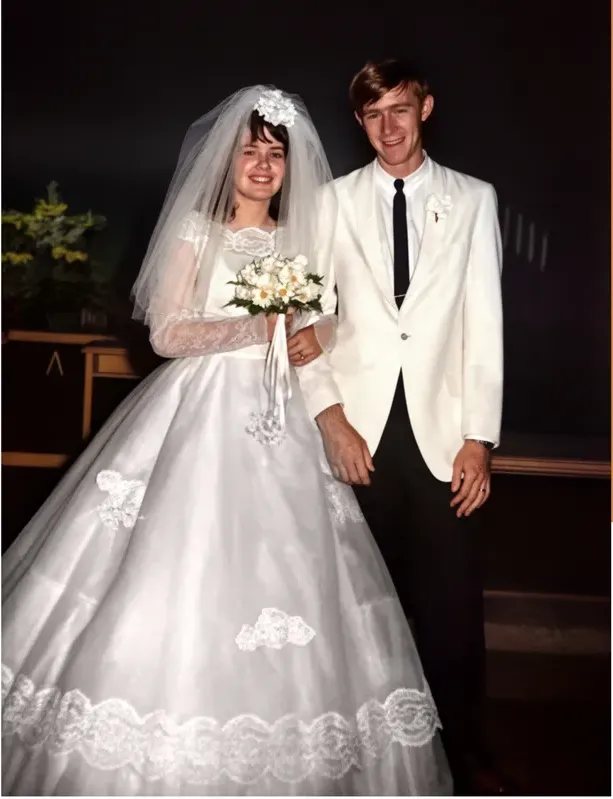 After
After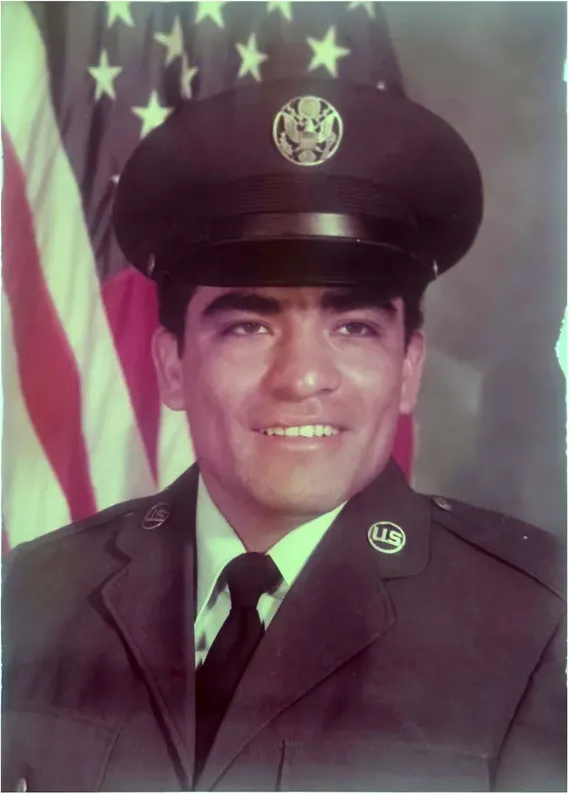 Before
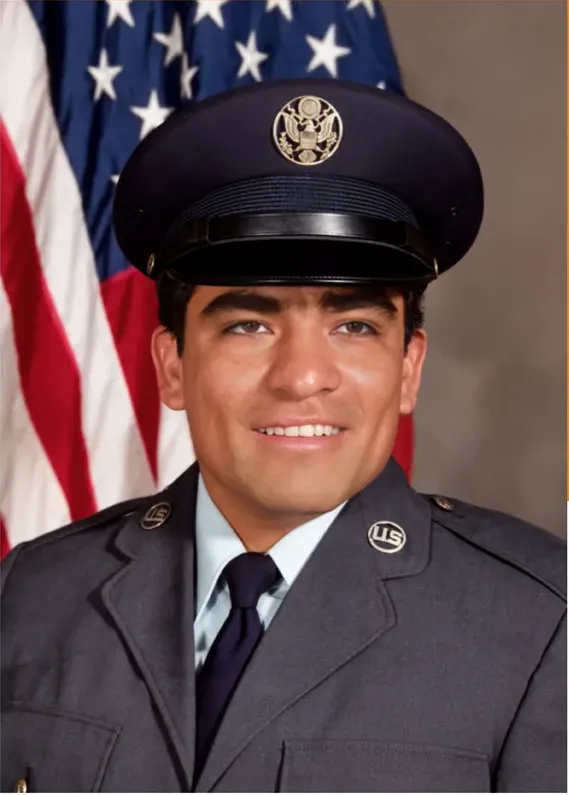 After
After
The face has to be his face
Everyone in the room knew him. That single fact separates a memorial portrait from every other restoration job there is.
A stranger looking at a rebuilt jawline sees a photograph. His daughter sees her father, and she has known that face for longer than she has known her own. That is the standard this one photograph has to meet, and no other restoration job in the world sets a higher one. Everything below follows from it.
This is why it helps to understand what a given process does when it meets a gap. Where detail is gone from the print, software has to generate what it puts in that space. Recovering detail and generating it are two different operations, and only one of them is constrained by what your photograph actually recorded. On a photograph of a barn or a beach, that distinction hardly matters. On the only decent picture of your father from 1974, it is the entire job.
What actually protects a likeness:
- A person you can write to. The instruction that there was a bump on the bridge of his nose and it should stay is not something you can hand to a batch process.
- Reference pictures. Send two or three other photographs of him, even poor ones. They tell an artist more about the shape of a head than any volume of training data.
- A look at the file at full size, not the preview in an email. Eyes, teeth, hairline and the edge of an ear carry most of a likeness, so look hardest at those and say plainly if anything reads wrong to you.
- Restraint. Skin should still read as skin. Lines on a face are not damage.
MemoryCherish artists are people, based in the United States, giving a typical photograph around four hours and recovering only what the print still holds. No AI touches the file at any point. Everything in the finished picture comes from the photograph you send and from the reference pictures you send with it, and our artists never invent a face. Between them the artists carry 37+ years of combined experience, and more than 400,000 families have ordered on these terms.
The safety net matters just as much in a week like this one. The first proof usually reaches you in about one to three days. If it is not him, you say so and it is corrected at no charge, as many times as that takes, until the family agrees. If it never gets there, the money comes back as cash rather than as credit against a future order. Reviews average 4.96 out of 5 across 2,178+ of them, and the delivered files stay yours permanently, so the cousin who could not travel can be sent a copy at Christmas.
Published timings measure different stages, so read them closely
Turnaround language in this category is slippery, and not because anyone is being underhanded. Companies publish different stages of their own process, and it is easy to line a proof date up against a delivery date and plan yourself into a corner.
Every company measures and words this differently, and the wording is what you are actually planning around. A published number can describe how long a piece of software takes to run, or when a first proof arrives for you to look at and react to, or when the finished file you hand to a printer is in your hands. Those are three different measurements, and they are not comparable with one another. So read the exact sentence on the page you are ordering from, on the day you order, and ask plainly which stage the number describes.
Then ask for the one date that your week actually turns on, in writing, before you pay: the day the finished file reaches you. Give the service date first so the answer is given against it rather than in general. A company that knows your date can tell you whether it can be met, and that is a more useful answer than any published window read out of context on the Tuesday before a Saturday service.
MemoryCherish publishes its own stages plainly. The first proof usually arrives in about one to three days. Revisions after it are free and turn around quickly, because they are usually one artist adjusting one area rather than a fresh start. Tell us the date of the service in your first message and the schedule is built backwards from it.
The rest of the move is unglamorous. Give the date and the time of the service up front. Ask for a commitment on when the final file will arrive, before you pay. Then hold back two days for one revision round and one more for printing. Funeral homes and print labs run queues of their own, Saturday services get organized on Wednesdays, and nobody has ever regretted starting a day earlier than they needed to.
Counting backwards from the service
Fix the date, then count backwards. This is the most useful paragraph in the article.
- Service day. The framed print should reach the venue the night before. Somebody is already driving to the florist that morning and it should not also be the photo run.
- Minus one day: printing. Same-day printing exists at most counters, but anything above 11x14 often goes out to a lab. Call and ask rather than assuming.
- Minus two days: final file in hand. This is the real deadline, and it is the one to give the restorer.
- Minus three or four days: proof and revision. Someone in the family will want a collar straightened or a former spouse cropped away. Leave room for one round. With us that round is free, so the only cost is a day.
- Day one: order, with the capture and the brief attached, and the service date written at the top of the message.
Two decisions save more time than anything else. Settle who approves the photograph before you order, because a restoration stalled by three siblings disagreeing over text message is the commonest delay there is and none of it is the artist's fault. And send everything in one message: the best capture you can make, two or three reference pictures of the same person, a note on what must not be altered, and the print size you need.
Add the slideshow to the same plan while you are at it. Many services run a photo loop before or after the eulogies, and whoever assembles it usually wants files two or three days ahead of the print deadline. If the restored image is going into that loop as well as onto the easel, ask for a screen-sized copy alongside the print file so nobody is resizing anything at midnight. Since your delivered files stay yours permanently, one order covers the easel, the loop, the order of service and every copy a relative asks for later.
If the runway is genuinely short, say a service in 48 hours, say so in the first line of your message rather than hoping it works out. A first proof in about one to three days is a real window, and knowing the deadline is what lets the work be scheduled against it. If the calendar truly cannot be beaten, print the untouched scan for the service itself and let the restored version be the one that goes in the frame afterwards. The service happens once. The photograph in the hallway lasts thirty years, and it should be the version that genuinely looks like him.
When the only copy is behind glass at someone else's house
This is the normal situation rather than the exception. The original sits in a frame at his sister's house three states away, or nobody can find it, and what exists is a picture somebody took of a picture at a birthday party years ago.
That can be worked with, and how you capture it matters more than any setting further down the line.
- Take it out of the frame if the print comes away cleanly. Glass ruins more captures than damage does. If the print has stuck to the glass, stop immediately and photograph it as it is.
- No flash. A flash puts a white blowout in the middle of a face, and there is nothing underneath it to recover afterwards.
- Soft indirect light. Beside a window on an overcast day, or in open shade outdoors. Avoid direct sun, and avoid standing under a ceiling fixture, which throws a hard reflection across a glossy surface.
- Square on. Phone directly above the print and parallel to it rather than tilted. Fill the frame, tap the face to set focus, and take five so you can pick the sharpest.
- Send the biggest version you have. Use a file-sharing link or a shared album instead of a text message. Messaging apps compress hard, and compression cannot be undone later by anyone.
A flatbed beats a phone if one exists anywhere in the family, with the software's automatic fixes switched off so nothing gets cleaned away before the artist has seen it.
MemoryCherish works from whatever digital file you send, so nothing has to be mailed during a week when nobody has patience for tracking numbers, and the print goes back on his sister's shelf the same afternoon it was borrowed. That also means the family member who owns the photograph never has to weigh a request against the risk of losing it, which is a conversation nobody needs on top of everything else. If the capture is genuinely too poor to work with, an artist will tell you that before any money changes hands rather than taking the order anyway.
Printing it so it holds up on an easel
The restoration is half the job. A good file printed badly is a bad photograph, and the print is the object people actually stand in front of.
- Size. Easel portraits are commonly 16x20 or 11x14. Ask the funeral director what fits their stands and whether they want it mounted on foam board. Mounted prints stay flat and photograph better in the room.
- Resolution. Tell the restorer the finished print size before the work starts rather than afterwards. A file prepared for a 5x7 will not carry a 16x20, and enlarging it later does not honestly fix that.
- Finish. Matte or luster rather than gloss. Gloss mirrors the ceiling lights and half the room ends up looking at its own reflection.
- Order two. One for the easel, one spare, because something always gets knocked, rained on or left in a car. The second print costs a fraction of the first.
- Order the small ones in the same run. Wallet and 5x7 copies for grandchildren, plus the file the printer needs for the order of service, which they will want early.
If the venue projects images rather than displaying prints, ask what aspect ratio the screen uses. A portrait photograph shown on a wide screen gets either bordered or cropped, and a crop decided by somebody else at the last minute rarely lands where the family would have chosen.
Then put the master file somewhere permanent. MemoryCherish delivers files that stay yours with no expiry and no subscription, so when a cousin asks for a copy at Christmas you forward the file rather than hunting for the print again. That request always arrives, usually from someone who could not make the service, and being able to answer it in half a minute is a small mercy in a hard year. Tell us the print size before the artist starts and the file is built for it, so the same order covers the easel print, the wallet copies and the screen version.
What the price covers, and why the damage does not change it
Grief and quotes are a bad combination. You are trying to organize a week you did not plan, and the last thing you need is a price that moves once somebody has looked at the photograph and decided how bad it is.
MemoryCherish starts at $38 per photo, and that figure follows the artist tier you choose rather than the condition of the print. A torn, water-stained, faded photograph with a crease across his face costs the same as a clean one at the same tier. No damage surcharge, no requote after you have already committed, and no separate fee for the revision rounds.
What the price includes:
- Hand work by a real artist based in the United States, around four hours on a typical image, with no AI at any stage.
- A first proof in about one to three days, so there is time to react before the print deadline.
- Free revisions until the family agrees, however many rounds that takes.
- A 100% money-back guarantee, paid in cash, not credit toward a future order.
- Files that stay yours permanently, at the size you asked for, ready for the printer.
- Your original at home the entire time, because you upload a photo instead of mailing a print.
Budget for printing and framing separately. A large mounted portrait plus a frame can come to more than the restoration itself, and it is worth knowing that before you stand at the counter. Ordering two prints at once is the cheapest insurance in the whole process.
One more thing about pricing by artist tier rather than by damage. It means you can decide what you want spent on the photograph based on how important it is, not on how unlucky it has been. The picture of him at twenty-six that lived in a wallet for thirty years is usually the most damaged one in the house, and it is usually the one the family wants on the easel. Those two facts should not fight each other.
What we would do with a week to go
Under time pressure the regret is rarely about money. It is about a photograph that never quite looked like him hanging in a hallway for the next twenty years.
Our recommendation, and MemoryCherish is our own service so read it with that in mind: send it to a person. Artists working in the United States, around four hours on a typical image, no AI at any stage, a starting price of $38 that follows the tier you choose rather than the condition of the print, a first proof in about one to three days, revisions at no charge until the family agrees, a 100% money-back guarantee that pays cash back instead of store credit, delivered files that stay yours permanently, and a firm limit that only what remains in the photograph gets recovered. More than 400,000 families have used the service, the artists carry 37+ years of experience between them, and reviews average 4.96 out of 5 across 2,178+ of them. The original stays with you throughout.
Do these six things today and the week gets easier:
- Put the service date and time in the first line of your message. Everything else is scheduled backwards from it.
- Decide who approves the photograph before anybody uploads anything.
- Make the best capture you can and send the full-size file through a sharing link, not a text message.
- Attach two or three other pictures of him, even poor ones, and a note on what must not be altered.
- Say the print size and whether it is also going in a slideshow, so one order covers both.
- Use the revision round. It is free, and the second pass is usually where the likeness lands.
Whoever you choose, ask for one thing in writing: the date the finished file lands. Almost nothing else this week is inside your control. That part is.
What it costs with us
From $38 per photo, you choose your artist
The price is set by the artist tier you choose, never by how damaged your photo is. Free revisions until it’s right, and a cash refund — not store credit — if we can’t make it perfect.
The MemoryCherish Guarantee: Love it or every cent back within 30 days. Cash, not store credit. Free revisions until it looks exactly like you remember. And if a photo just can’t be restored, we’ll tell you honestly and you won’t pay a thing. Read the full guarantee
Questions people ask
The service is in two days. Is there time to have it done by hand?
Is the work done by real people, or by AI?
Can you work from a photograph of a photograph, or from a screenshot?
What print size do funeral homes usually want?
What if the family disagrees about the result?
How much does memorial photo restoration cost?
The only picture we have is a group shot. Can it still be used?
Keep comparing
- Best Photo Restoration for Severely Damaged Photos: Tears, Mold, Water and Missing Pieces
- MemoryCherish vs Rememorie: Two Hand Studios, Different Buying Terms
- Best Hand Photo Restoration Services in 2026 (And How to Check the Claim)
- MemoryCherish vs Remini: Recovering Detail or Generating It
- Photo Restoration Quality in 2026: How to Judge a Restored Face
- Best Photo Restoration for Genealogy and Family History Research
More on this kind of damage
Last updated August 1, 2026. Company details are taken from each company’s own public pages at the time of writing and may change, so we cite the page we read rather than linking to it. Check the current wording with any company before you order.