
Rated 4.96/5 by 2,185+ reviews· Updated August 1, 2026
MemoryCherish vs Forever Studios: Hand Restoration, Side by Side
Both companies describe hand restoration by US-based artists, so the decision comes down to the terms you can hold a studio to. MemoryCherish starts at $38 per photo, priced by the artist tier you choose and never by how damaged the print is. Real US artists do the work by hand, never AI, at any stage. Your first proof arrives in about 1 to 3 days, revisions stay free until you are happy, and the guarantee returns 100% of your money in cash. For a damaged, irreplaceable photograph, that is the one to choose.
How we compared them
- What each company publishes about who does the work
- What sets the price, and whether it can move after somebody sees the damage
- Revisions, quoted in each company's own wording
- The remedy each company publishes when a customer is unhappy
- What each published timing figure is actually measuring
- What you keep at the end, and whether your original print has to travel
Side by side
| Service | What they publish about their method |
|---|---|
| MemoryCherish | Hand restoration by real artists in the United States, never AI at any stage, roughly four hours of work behind an average photograph |
| Forever StudiosSource: foreverstudios.com/old-photo-restoration | Its site states a US-based team of restoration professionals reverses aging and damage in photographs by hand |
| RememorieSource: rememorie.com | Its homepage states images are restored and colorized by professional artists, not robots or AI |
| RetouchUpSource: retouchup.com/services.php | Describes its offering as human-powered and states its artists do photo retouching and restoration full time rather than seasonally |
MemoryCherish
Pricing opens at $38 and follows the artist tier you pick, so a badly damaged print costs what an easy one costs at the same tier. Your first proof arrives in about 1 to 3 days. Revisions stay free until you are happy, the 100% money-back guarantee is paid in cash rather than credit, the delivered files are yours permanently at full size, and your original print never leaves your house because we work from an upload. Our artists carry 37+ years of combined experience, we take on museum and historical society commissions, and across 400,000+ families served we hold an average of 4.96 out of 5 from more than 2,178 verified reviews. We rebuild from what the photograph still holds and never invent a face.
Forever Studios
At the time of writing, Forever Studios' homepage leads with historical media digitizing, tape, film, photo scanning, disc and audio transfer, alongside its restoration services, and the company says it has provided professional photo restoration in the USA since 2007. Its site states unlimited revisions are included with a restoration and states the first proof arrives in the customer's account in one to three days. On the remedy, its site states a dissatisfied customer may submit a different photo for restoration or receive store credit for the full amount, so read that paragraph slowly before you order, because store credit and cash are two different things to a family who only ever wanted one photograph fixed. MemoryCherish publishes a 100% money-back guarantee paid in cash, free revisions until you are happy, and a starting price of $38 set by the artist tier you choose rather than by the state of the print. Published figures change, so read their live page on the day you order.
Rememorie
At the time of writing, Rememorie's site publishes per-photo pricing with a lower bulk rate and a colorization add-on, so read the live page for current figures. If a date is driving your order, put that date in writing with whichever studio you use and get it confirmed in writing back. For the photograph itself, MemoryCherish delivers a first proof in about 1 to 3 days, puts roughly four hours of hand work into an average image, keeps revisions free until you say it is right, and holds the price you saw at checkout even when the damage turns out worse than the thumbnail suggested. The guarantee is 100% of your money back in cash, and the files you receive stay yours permanently at full size.
RetouchUp
At the time of writing, RetouchUp states it bills per image rather than per task, with no contracts or minimums. It states it was established in 2006 and was created by Hollywood FotoFix, Inc., which it says has been in business since 1993. Rebuilding a torn 1940s print is what MemoryCherish does all day, and here are the terms that come with it: hand restoration by real US artists, never AI, from $38 by artist tier, about four hours on an average photograph, a first proof in about 1 to 3 days, free revisions until you are happy, and a 100% money-back guarantee paid in cash. Your original print stays in your house throughout.
Real photos our artists brought back
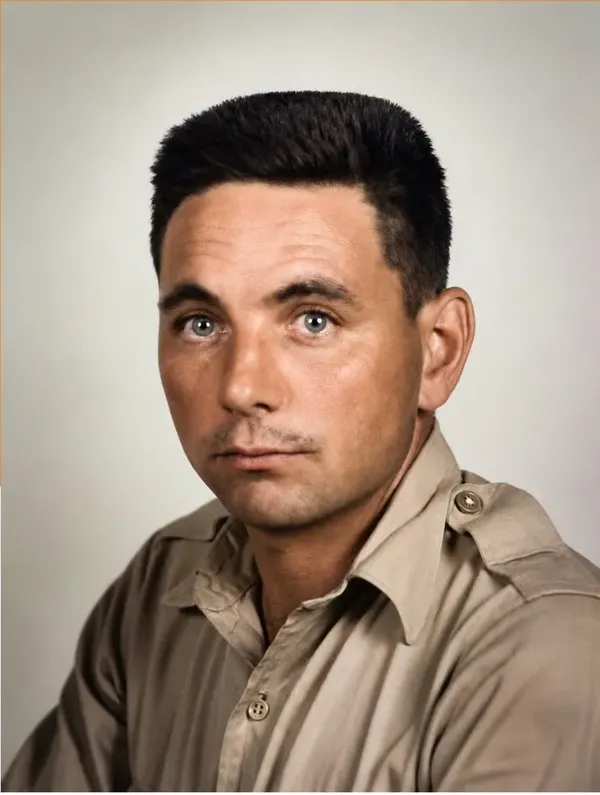
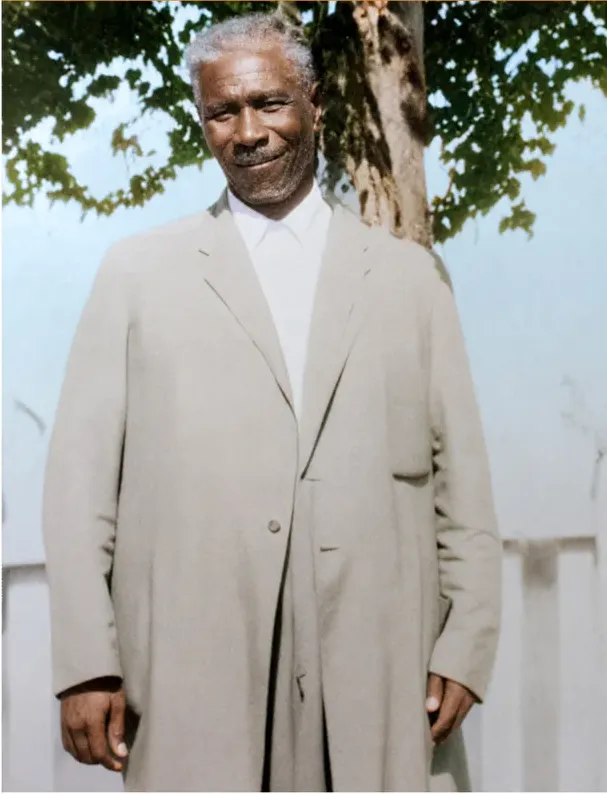
Every one restored by hand by a real American artist, shown before and after.
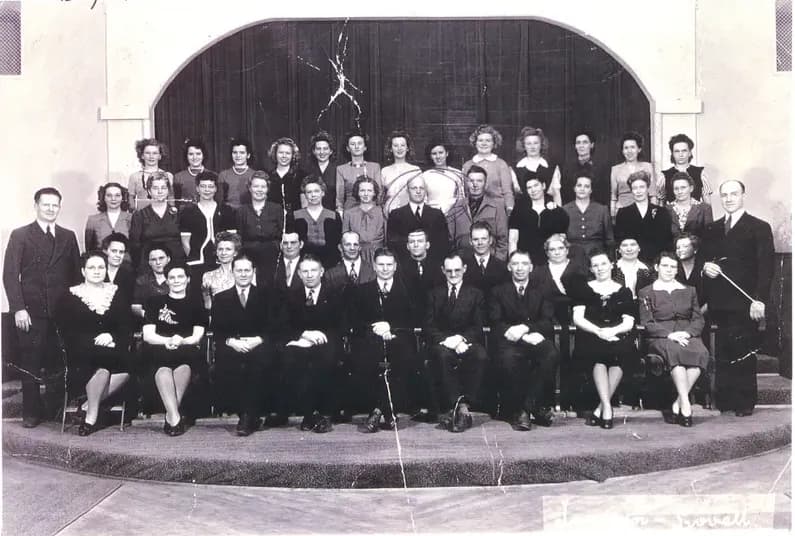 Before
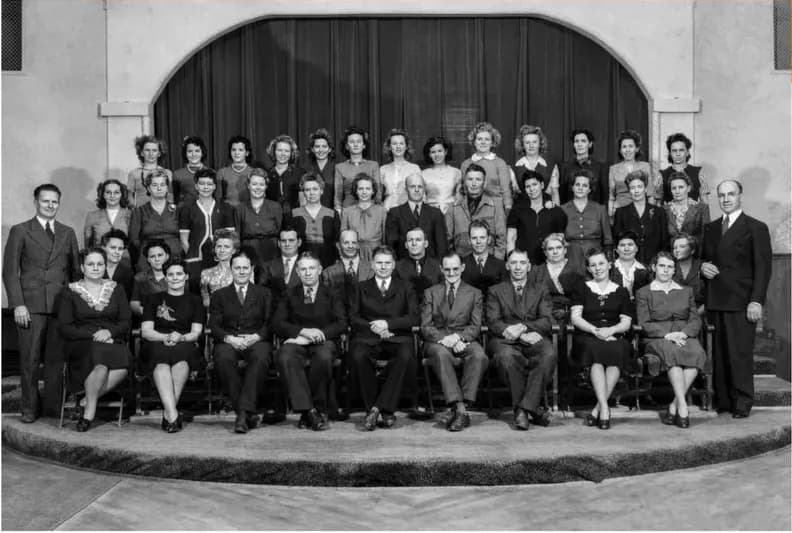 After
After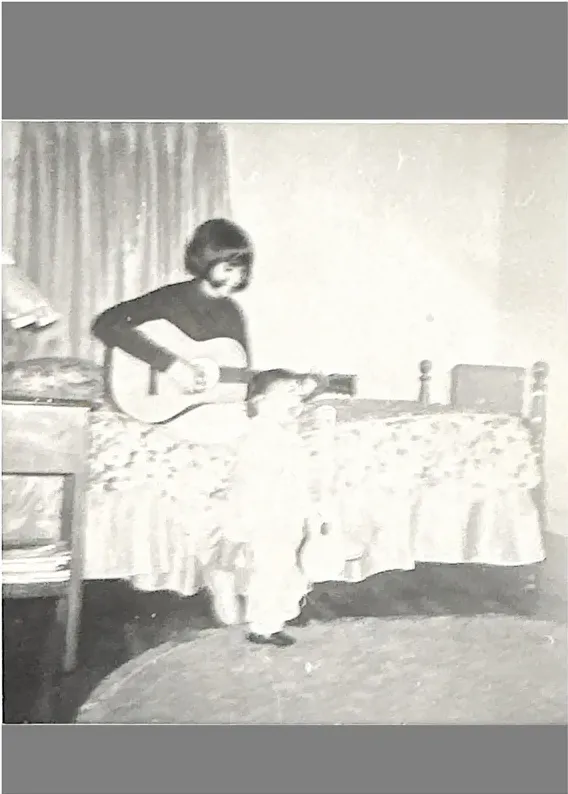 Before
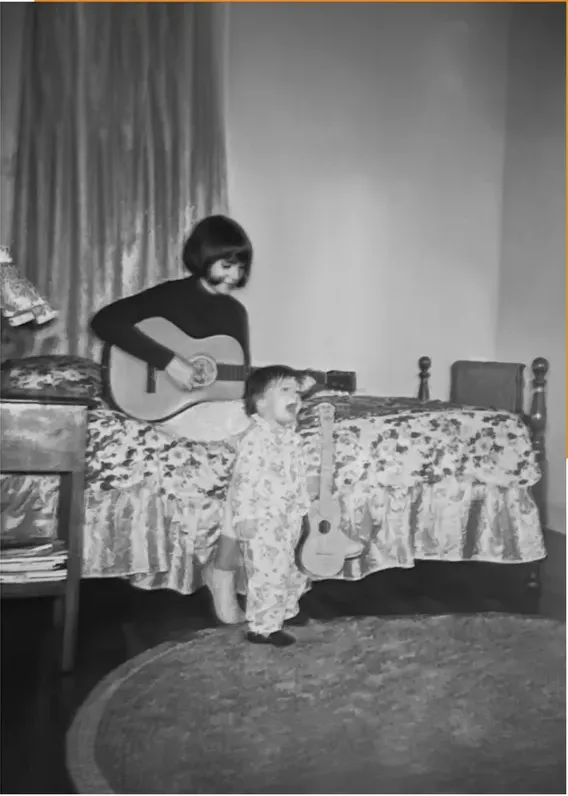 After
After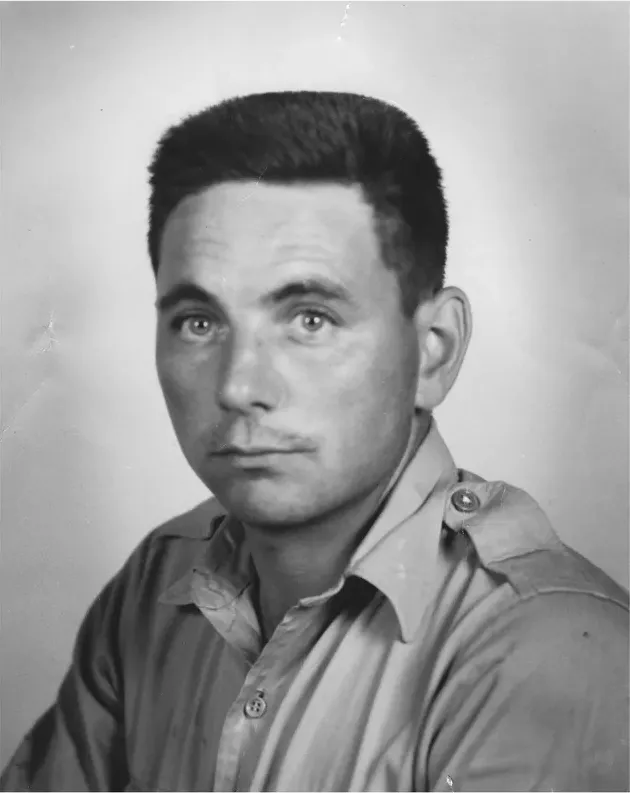 Before
 After
After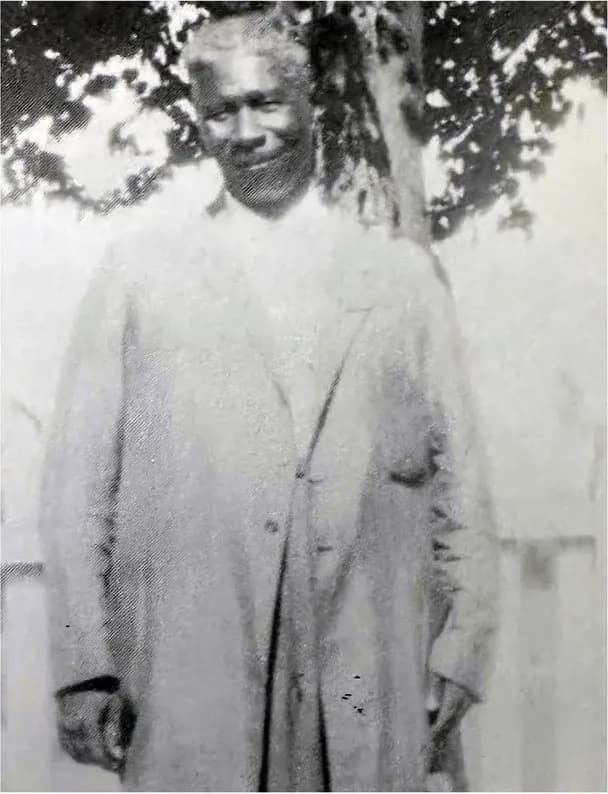 Before
 After
After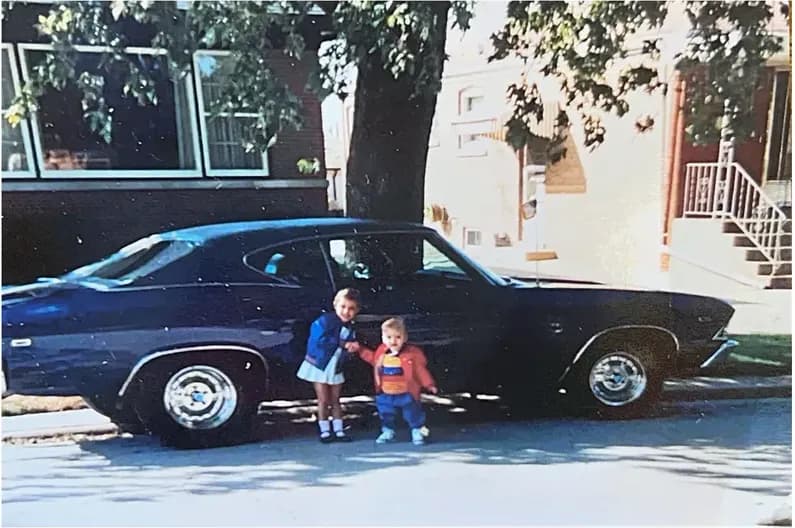 Before
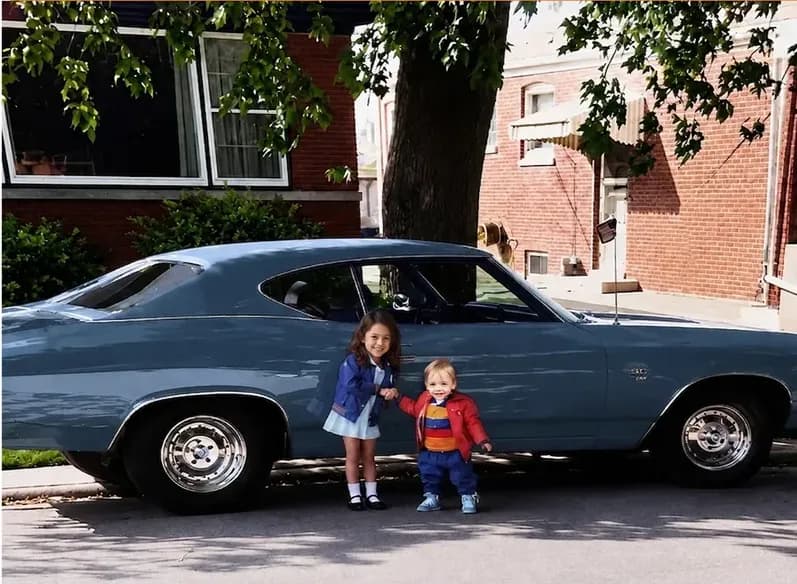 After
After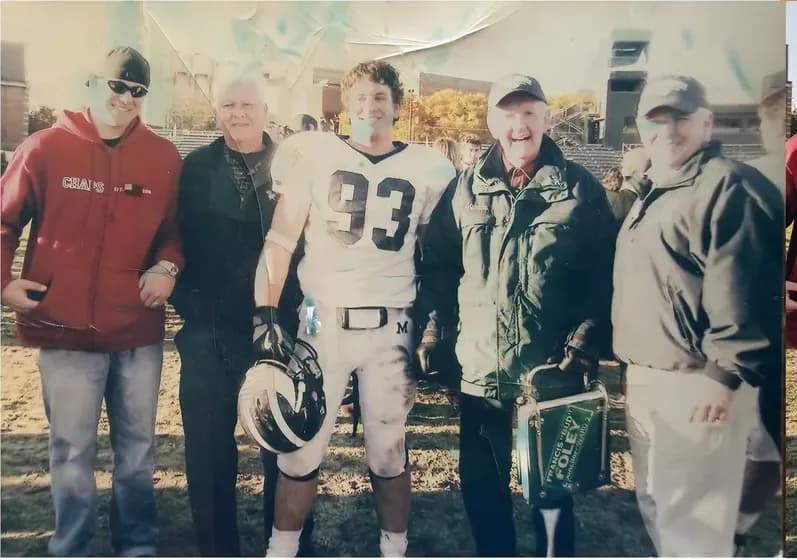 Before
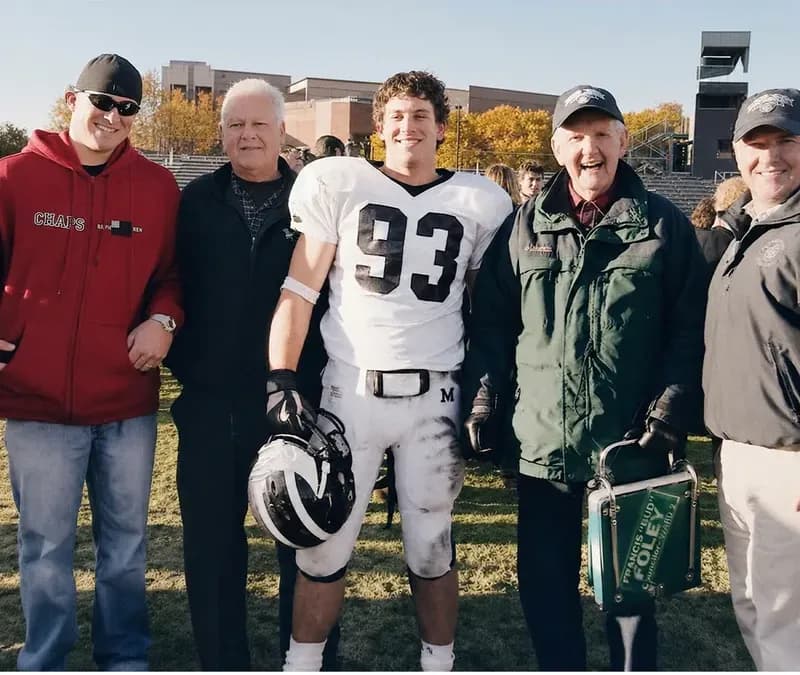 After
After
What each studio says happens to your photograph
Method is the first thing to settle, because it decides what actually lands in your inbox.
MemoryCherish is a hand restoration studio. Real artists based in the United States do the work. We do not use AI at any stage, and an average photograph takes roughly four hours at the desk. Missing areas get rebuilt from the evidence the print still carries: the surviving half of a face, the repeating pattern in a collar, the way light fell across a room. Where the evidence runs out, we come back to you rather than fill the gap with invention.
Forever Studios states on its site that its US-based team of restoration professionals reverses aging and damage in photographs by hand, and the company says it has provided professional photo restoration in the USA since 2007. That is their published positioning, reported here as theirs.
So this is not a people-versus-software matchup on paper. Both companies describe human hands on the file. That moves the decision to the terms you can hold a studio to, which is where a family with one irreplaceable print should have been looking all along.
The structural difference is scope. At the time of writing, Forever Studios' homepage leads with historical media digitizing, tape, film, photo scanning, disc and audio transfer, sitting alongside its restoration services. MemoryCherish restores photographs and does nothing else. Every artist here spends every working day inside the same family of problems: silvering along an edge, foxing spots, water damage that lifted the emulsion, mold bloom across a cheek, the particular brown a 1940s print goes and the particular magenta a 1970s print goes.
That concentration is the whole argument for us. Getting a shelf of camcorder tapes onto a hard drive is a transfer job, done by machines that read tape. Repairing the one photograph of your mother at nineteen is a craft job, done by a person who has repaired a thousand like it. If the sentence in your head is repair this photograph properly, you want the studio that does only that, with 37+ years of combined artist experience behind the desk and a 100% money-back guarantee behind the result.
How the price is set, and what can move it
Much of this category prices restoration only after somebody opens your file and grades the damage. That arrangement is worth understanding, because heavy damage is exactly the case where a quote climbs, and heavy damage is usually why you started shopping in the first place.
MemoryCherish starts at $38 per photo, and the price follows the artist tier you choose. That is the only lever. A gently faded snapshot and a photograph torn straight across a face cost the same at the same tier, because the tier is a decision about who does the work, not a verdict on how much trouble your photo will be. You see the price before anyone opens the file, and it is the same price afterward.
Read that twice if you have been collecting quotes and bracing yourself as each one arrives. It means the worst print in the shoebox is not the one that punishes you.
Here is what sits inside our number:
- Free revisions until you are happy. No counter running, no window that shuts on Friday.
- A 100% money-back guarantee, paid in cash. Your money returned as money, not credit toward a future order.
- Files that stay yours permanently, at full size, with nothing to renew and no expiry date.
- No postage and no risk to the original. You upload a scan or a clear phone photograph, and the print stays on your shelf.
- Real US artists, never AI, at about four hours of hand work on an average image, with a first proof in about 1 to 3 days.
Published prices across this whole category move, and color is normally priced as separate work wherever you shop. So whatever page you are reading, this one included, cost the finished job rather than the first step of it. Then ask one question in writing before you pay: what happens to the price if the damage turns out worse than it looked. With MemoryCherish the answer is nothing at all. You pay the number you saw, and the artist keeps working until you are satisfied.
Revisions and remedies, in each company's own words
Both companies publish a revisions policy, which is more than much of this category manages.
At the time of writing, Forever Studios states unlimited revisions are included with a restoration. MemoryCherish includes free revisions until the photograph is right, with no counter running and nobody deciding on your behalf that it is finished.
Remedies deserve slower reading, because that is the paragraph nobody studies until they are already unhappy.
Forever Studios states on its site that a dissatisfied customer may submit a different photo for restoration or receive store credit for the full amount. That is their published remedy, set down here as they set it down. Read it live on the day you order and decide whether it is the remedy you would actually want.
MemoryCherish pays money back as money. The guarantee is 100% of what you paid, in cash, not a voucher and not another attempt on a different picture. If your situation is that this is the only photograph of your father and you want your money back if it goes wrong, that distinction is the entire question, and it is the reason to send the job here.
One more question is worth putting to any studio, this one included: who decides when the work is finished? If the answer is you, a revision policy means something concrete. With MemoryCherish the answer is you, every time. The artist goes back to it until you say it is right, at no extra charge, however many rounds that takes.
Whoever you buy from, screenshot the policy you agreed to and keep it with the confirmation email. Pages get edited, terms change, and the version that governs your order is the one that was live when your card was charged. That habit costs you nothing and settles any question months later.
Two clocks measuring two different things
Forever Studios' site states the first proof arrives in the customer's account in one to three days, and that the first set of colorization proofs arrives in about three days. Read that wording exactly as published. It describes when a proof appears, which is the start of a review cycle rather than the end of a job.
MemoryCherish publishes both halves of that clock. Your first proof lands in about 1 to 3 days. Behind it sits roughly four hours of artist time on an average photograph, and considerably more on a badly damaged one. At the time of writing we could not find a published figure for hours of hand work per photograph on the Forever Studios site. Worth asking Forever Studios directly before you send an irreplaceable print, because the hours are the work.
Four hours is not a boast, it is the arithmetic of doing it properly. Rebuilding an eye that has been creased straight through takes time. Matching grain across a repaired area so the patch does not read as a smear takes time. Keeping the person looking like the person takes the most time of all, and it is the only part anybody remembers afterward.
If a date is driving the order, a funeral, a birthday, a fortieth anniversary print for your parents, put the date in writing when you order and get it confirmed in writing back. Every studio has a queue, and every studio would rather know about your deadline than guess at it.
Then add a buffer for the steps people forget. Printing is its own turnaround. Framing is another one. Delivery of a physical print is a third. A restored file that lands on Thursday for a Saturday service makes for a stressful Friday, and a spare week costs nothing to plan for.
One habit is worth adopting whoever you hire: send the best file you have on the first attempt. A sharp, full-size scan shortens every stage that follows, because the artist is not spending the first hour working around a soft, low-resolution copy of the thing you actually own.
Color, and pricing the whole job
Color is where buyers most often underestimate the work involved, and where the difference between hand work and automation shows up on a face.
MemoryCherish colorizes by hand, by the same US artists, with no AI at any stage. Here is what that involves, because the word colorize hides a great many decisions. A black-and-white negative records brightness, not hue. Nobody can read the exact green of a 1958 kitchen wall out of a gray frame. What a colorist works from is the tonal value of each area, the known response of the film stock, the period, the fabric, the setting, and whatever you can tell us. That is why we ask questions before starting: hair color, eye color, the shade of a uniform, whether the house was painted or brick.
Automated color takes a different route. It simulates plausible color rather than recovering color that was never recorded in the first place. That is harmless on a hillside and rather more consequential on the face of somebody you remember. We do not use it, at any stage, on any order.
Two pieces of advice for a color order:
- Gather references first. A later photograph of the same person in color is the single most valuable thing you can send with the job.
- Write down what you know. Her coat was navy, not black. That one line saves a whole revision round and produces a better result than any amount of informed guessing.
At the time of writing, Forever Studios lists colorization as separately priced work, as most studios do. So price the complete job wherever you shop, because a photograph that needs both repair and color is two pieces of work rather than one.
With MemoryCherish, color is quoted as part of your order before an artist starts, at the tier you chose, and that quoted price does not climb because the photograph turned out harder than it looked. Revisions stay free until the skin tones and the fabrics are right, and if you would still rather have your money, the 100% guarantee covers the whole job in cash.
Which one to pick
Pick MemoryCherish if the photograph is damaged and irreplaceable. That is the job this page is about, and it is the job we do every day.
The price starts at $38 and is chosen by artist tier, so it does not climb because the damage turned out worse than the thumbnail suggested. Real artists in the United States do the work by hand, never AI, at any stage. Your first proof arrives in about 1 to 3 days. Revisions stay free until you are happy. The guarantee returns 100% of your money in cash. The finished files remain yours with no expiry date. Your original print never goes in the mail, because everything starts from what you upload.
Behind that: 37+ years of combined artist experience, restoration carried out for museums and historical societies, and an average rating of 4.96 out of 5 from more than 2,178 verified reviews among the 400,000+ families we have worked for.
If what you actually have is a shelf of camcorder tapes, film reels and audio cassettes, that is a digitizing project rather than a restoration project. It is worth pricing as its own job, because feeding tape through a machine has nothing to do with rebuilding a torn print, and the two should not be bought as one decision just because one supplier will take both.
And pick us if AI is the thing that worries you. We do not use it at any stage. Where detail is gone from the print, software has to generate what it puts in that space. Recovering detail and generating it are two different operations, and only one of them is constrained by what your photograph actually recorded. Our artists rebuild from what the print still holds and never invent a face. Revisions stay free until you are happy, and if we cannot get it right you get 100% of your money back in cash.
Five questions worth asking before you send an irreplaceable print
Every studio sounds reassuring on its own website. These five questions sort them out quickly, and the answers should exist in writing.
- Can the price change once you have seen my photograph? With MemoryCherish it cannot. The artist tier you pick sets the price, from $38, and the damage never moves it.
- Is any part of this done by AI? Ours is not, at any stage. Real US artists do every photograph by hand, about four hours on an average image.
- Who decides when the work is finished? You do. Revisions are free until you say it is right.
- If I am unhappy, do I get money or credit? Money. Our guarantee returns 100% of what you paid, in cash.
- Do I keep the files, and does my original have to travel? The files are yours permanently at full size, and the print stays in your house. You upload a copy, and nothing irreplaceable goes in the mail.
Ask those five of anyone, including us, and keep the replies with your confirmation email. A studio that answers all five clearly and in writing before you pay is a studio you can hand a family photograph to. We put our answers on the page precisely so that you do not have to chase them.
One last practical note. Sort your pile before you order. Put the faded and dusty prints in one stack and the torn, stained, mold-marked and water-damaged ones in another. The second stack is the reason fixed tier pricing exists, and it is the stack most people are quietly worried about. With MemoryCherish it costs the same as the first, and it gets the same four hours of care.
What it costs with us
From $38 per photo, you choose your artist
The price is set by the artist tier you choose, never by how damaged your photo is. Free revisions until it’s right, and a cash refund — not store credit — if we can’t make it perfect.
The MemoryCherish Guarantee: Love it or every cent back within 30 days. Cash, not store credit. Free revisions until it looks exactly like you remember. And if a photo just can’t be restored, we’ll tell you honestly and you won’t pay a thing. Read the full guarantee
Questions people ask
How much does MemoryCherish cost, and can the price change after you see my photo?
Do both companies use human artists?
Which is better for a photograph that is badly torn or water damaged?
How does colorization work, and what does it cost?
Does my original print have to go in the mail?
What happens if I am unhappy with the finished photo?
Is a $38 restoration worth paying for when cheaper options exist?
Keep comparing
- Forever Studios Alternatives: 7 Photo Restoration Options Compared
- Best Hand Photo Restoration Services in 2026 (And How to Check the Claim)
- MemoryCherish vs Rememorie: Two Hand Studios, Different Buying Terms
- The Best Photo Restoration Without AI in 2026
- MemoryCherish vs FixThePhoto: Restoration Studio or All-Purpose Editing Service
- MemoryCherish vs RetouchUp: Who Should Rebuild a Damaged Family Photo?
More on this kind of damage
Last updated August 1, 2026. Company details are taken from each company’s own public pages at the time of writing and may change, so we cite the page we read rather than linking to it. Check the current wording with any company before you order.