
Real numbers, from real photos
What actually damages old photos? Data from 689 real restorations
We categorized 689 customer restorations from our archive (shared with permission) by damage type and era. As far as we know, nobody in photo restoration has published data like this before. Every number on this page is computed directly from that archive — nothing is estimated, rounded up, or typed in by hand.
Damage types, by share of restorations
A photo usually carries more than one kind of damage (84% of the archive has two or more types), so the percentages add to more than 100.
| Damage type | Share of 689 restorations | Count |
|---|---|---|
| Fading | 58% | 402 |
| Discoloration & color shift | 56% | 386 |
| Stains & marks | 26% | 177 |
| Colorization requested | 24% | 165 |
| Creases & tears | 24% | 163 |
| Blur & soft focus | 24% | 163 |
| Scratches | 17% | 120 |
| Water damage | 11% | 73 |
Source: MemoryCherish restoration archive, 689 categorized customer restorations, published 2026. You are welcome to cite these figures with a link to this page.
What the numbers say
Fading: 58% of restorations
Sunlight and time bleach dyes long before paper fails. Fading is the quiet damage — it happens to photos that were never mistreated at all.
Discoloration & color shift: 56% of restorations
Chemistry, not accidents: prints from the 1960s to the 1980s in particular drift toward orange and red as their dyes age at different speeds.
Stains & marks: 26% of restorations
Tape, adhesive, water spots, ink, and fingerprints — usually from the way a photo was stored or albumed, not how it was handled.
Colorization requested: 24% of restorations
Not damage at all: families asking for true-to-life color on black-and-white originals, most often for portraits.
Creases & tears: 24% of restorations
Wallet photos, folded photos, photos that traveled. The damage people apologize for most is also among the most repairable.
Blur & soft focus: 24% of restorations
Sometimes the camera, sometimes a photo of a photo. Detail that exists can be sharpened; detail that never existed is honestly not recoverable.
Scratches: 17% of restorations
Loose storage — photos stacked in boxes and drawers scratching each other over decades.
Water damage: 11% of restorations
Basements, floods, leaks. The most feared damage type is less common than people expect — and usually more fixable.
How old are the photos families restore?
| Era | Share | Count |
|---|---|---|
| Before 1950 | 19% | 133 |
| 1950s to 1970s | 57% | 392 |
| 1980s and later | 22% | 153 |
The heart of the archive is the 1950s to 1970s — the prints most at risk right now, old enough for their chemistry to be failing and young enough that the people in them are still deeply missed. 59 restorations (9%) are military photos — service portraits and wartime snapshots, which get their own careful treatment.
Methodology, honestly stated
The dataset is 689 before-and-after restorations from our order archive, shared with customer permission and categorized by our team (a photo can carry several damage tags). It is not a random sample of all old photos in America — it is the photos families actually chose to restore, which is its own useful signal: this is what damage looks like when it matters enough to fix. Counts update automatically as the archive grows. Questions about the data? Ask us — a real person answers.
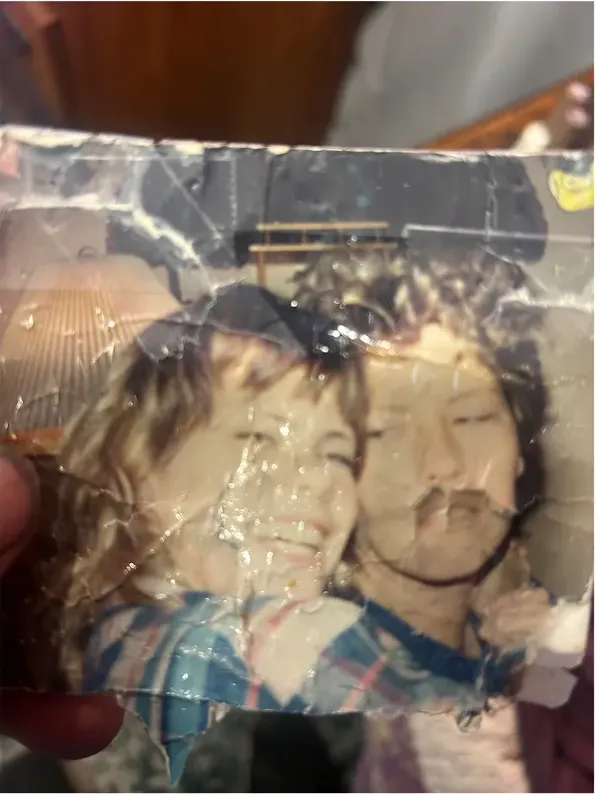 Before
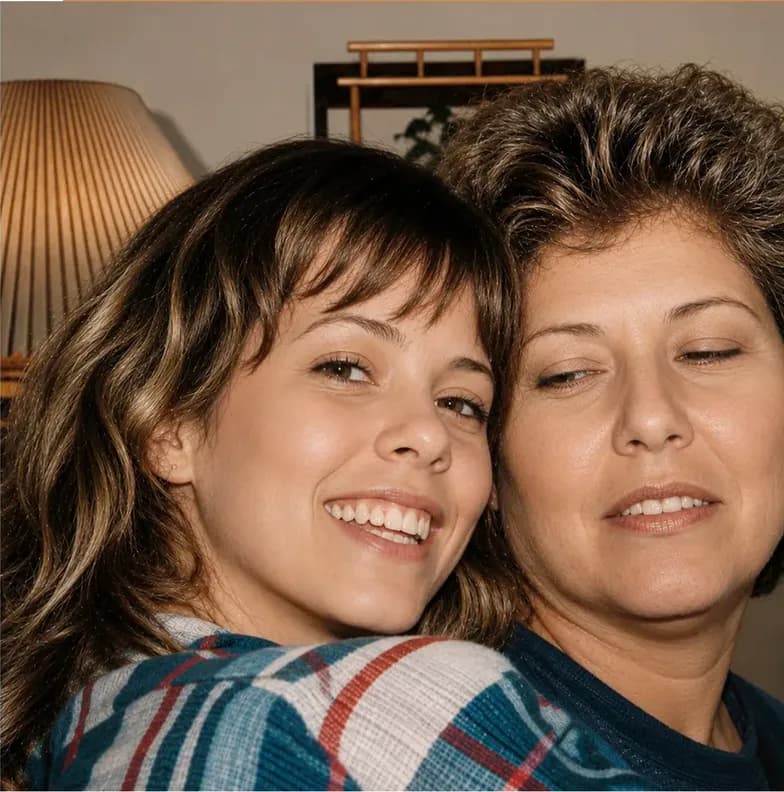 After
After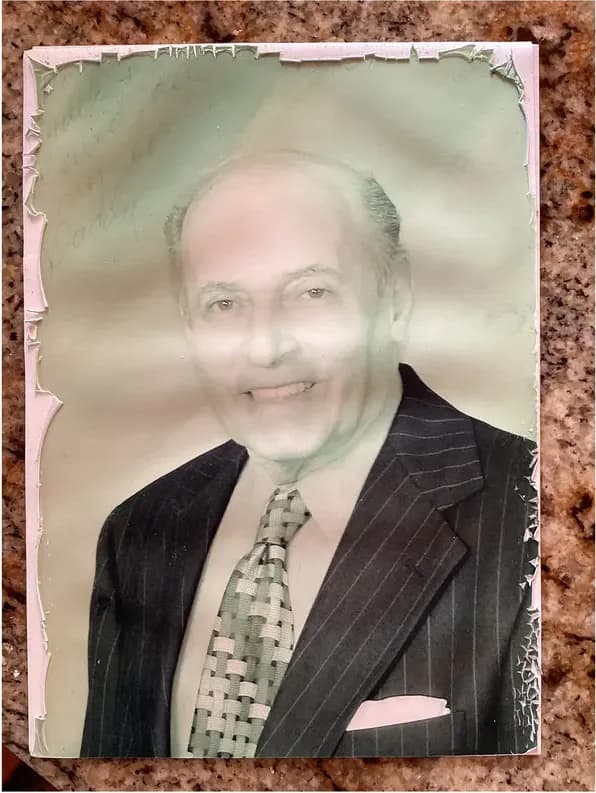 Before
 After
AfterRather talk it through first? Call us at +1 (307) 218-6920 (Mon–Fri, 9am–5pm Central)