
Rated 4.96/5 by 2,185+ reviews· Updated August 1, 2026
The Best Affordable Photo Restoration in 2026 (Honest Price Breakdown)
Affordable should mean the money buys hours, not a faster machine. MemoryCherish starts at $38 a photo, and the artist tier you choose at checkout is the only thing that moves that number. Damage never moves it. A real US artist works by hand, about four hours on a typical photo, with your first proof in about one to three days. Revisions stay free until you are happy, and if we cannot get there the money comes back in cash.
How we compared them
- What the entry price actually covers, and whether the word from is doing hidden work
- Whether the number moves when the photograph is in worse condition
- Whether real people do the work by hand, and whether the company says where they are
- Revisions, described in each company's own published wording
- The published remedy if you are unhappy once the file arrives, and whether it is cash or credit
- Extras that change the real cost: deposits, credits, subscriptions, license terms
The shortlist
| Service | What they publish about their method |
|---|---|
| MemoryCherish | US artists working by hand, with no AI at any stage, and about four hours of artist time on a typical photo. Orders begin at $38, and the artist tier you choose at checkout is the only thing that changes the figure. |
| Hotpot.ai (AI Picture Restorer)Source: hotpot.ai/restore-picture | Hotpot states its AI Picture Restorer restores, sharpens and repairs pictures with AI, automatically removing scratches, sharpening colors and enhancing faces, and that its free service repairs both color photos and black-and-white ones. |
| RestoreClickSource: restore.click | RestoreClick's site describes its process as AI mapping the damage in the photo: scratches, tears, water stains, fading, missing corners. Photo colorization also appears on its service list. |
| FixThePhotoSource: fixthephoto.com/pricing | FixThePhoto states its professional retouchers follow the customer's photo editing guidelines, and its about page describes the company as a group of skilled retouchers, editors, designers and storytellers. It describes itself as an online photo editing service without geographic limits rather than a fixed-location studio, and says it was founded in 2003. |
| RetouchUpSource: retouchup.com/services.php | RetouchUp describes its offering as human-powered and states that a human touch is the only proper way to treat artwork. It states its artists do photo retouching and restoration full time rather than seasonally. |
| Forever StudiosSource: foreverstudios.com/old-photo-restoration | Forever Studios says its US-based team of restoration professionals reverses aging and damage in photographs by hand, and says it has provided professional photo restoration in the USA since 2007. Its homepage leads with historical media digitizing, including tape, film, photo scanning, disc and audio transfer, alongside its restoration services. |
| ScanCafeSource: scancafe.com/how/photo-restoration-process | ScanCafe digitizes photos, slides, negatives, film, video tapes and audio, and offers a flat-rate prepaid Kit option alongside per-item pricing. It states that once a quote is approved, a restoration technician is assigned to restore the photo. |
MemoryCherish
The price is set by the tier you pick, never by how damaged the print is, so the photograph you care about most is not the one that costs most. Your first proof arrives in about one to three days. Revisions cost nothing and keep going until you are happy. If we never get there, the 100 percent money-back guarantee returns your money in cash rather than store credit. Delivered files are yours permanently, with nothing to renew. Your original print never leaves your house, because an order begins with a scan or a clear phone photograph. Our artists hold 37+ years of combined experience, our verified reviews average 4.96 out of 5 across 2,178+ ratings, and 400,000+ families have trusted us with their photographs.
Hotpot.ai (AI Picture Restorer)
At the time of writing, Hotpot offers the restorer free with no account needed, and states free images are limited by the CC BY-NC license. Its own page states that while the service automates photo restoration, it "cannot replace experts for demanding restoration jobs". For commercial-use credits it publishes volume pricing of $0.02 to $0.25 per image, depending on volume, subscription and co-marketing. Its site copyright notice names Panabee, LLC as the operator. At the time of writing we could not find a named artist or a published revision process on that page. Worth asking them directly before you rely on an automated pass for a print you cannot replace. MemoryCherish publishes both: named US artists working by hand, and free revisions until you are happy.
RestoreClick
At the time of writing it advertises photo restoration from $9.99, states its AI restoration processes images in under two minutes, and states results are delivered by email within minutes of upload with a high-resolution file ready to print or share. From is their word. At the time of writing we could not find a published figure for what a harder photograph costs, or a published revision policy, on their site. Worth asking them directly before you send anything that matters to you. MemoryCherish publishes one number, $38 to start, set by the artist tier you choose and never by the damage, with free revisions until you are happy and your money back in cash if we cannot get there.
FixThePhoto
Its published workflow includes a step where the customer accepts the retouched photos or requests changes. It publishes that it works as an online photo editing service without geographic limits rather than from a fixed-location studio, so if the country your photograph is worked on in matters to you, that is worth asking about directly. At the time of writing we could not find a published money-back guarantee on the pages we checked, which is the other thing worth asking before you send an irreplaceable print anywhere. MemoryCherish answers both on its own site: US artists working by hand with no AI at any stage, free revisions until you are happy, and a 100 percent money-back guarantee paid in cash rather than credit.
RetouchUp
The company states it was established in 2006 and was created by Hollywood FotoFix, Inc., which it says has been in business since 1993. A business address at 345 South Main St, Alpine, UT 84004 appears on its site. At the time of writing we could not find a published turnaround time for a restoration, so ask how long your photograph will take before you order. MemoryCherish publishes its timings: about four hours of hand work on a typical photo, a first proof in about one to three days, and free revisions after that until the file is right.
Forever Studios
At the time of writing, its restore and retouch page states the first proof arrives in the customer's account in one to three days, and states unlimited revisions are included. The remedy it publishes for a dissatisfied customer is a different photo restored instead, or store credit for the full amount. Store credit is money you can only spend in one place. MemoryCherish returns money as money under a 100 percent money-back guarantee, keeps revisions free until you are happy, and sets the price by the artist tier you choose rather than by the condition of the print.
ScanCafe
At the time of writing, ScanCafe states there is no charge to request a restoration quote, that prices are based on an evaluation of each individual photo quoted in tiers by damage severity, that it asks for a 50% deposit on approved quotes, that restoration typically takes about a week, and that originals are dispatched within 3 business days of final payment. It states customers upload a digital version of a photo to receive a quote, and that media is scanned at its Indianapolis facility. Under a severity-tier model you learn your price after somebody has looked at the worst photograph in your box. At the time of writing we could not find a published money-back guarantee on that page, which is worth asking about before a deposit changes hands. MemoryCherish publishes the figure up front, $38 to start, and refunds in cash if the finished file does not meet your standard.
Real photos our artists brought back
Every one restored by hand by a real American artist, shown before and after.
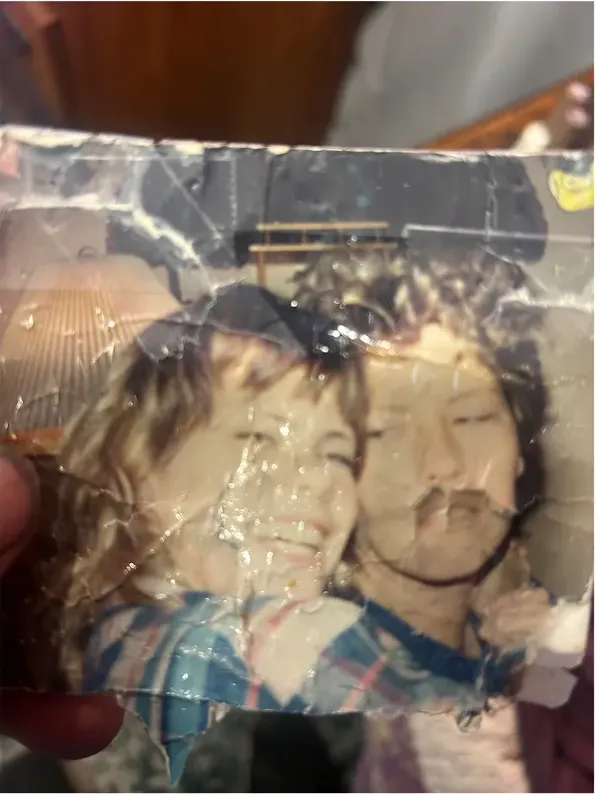 Before
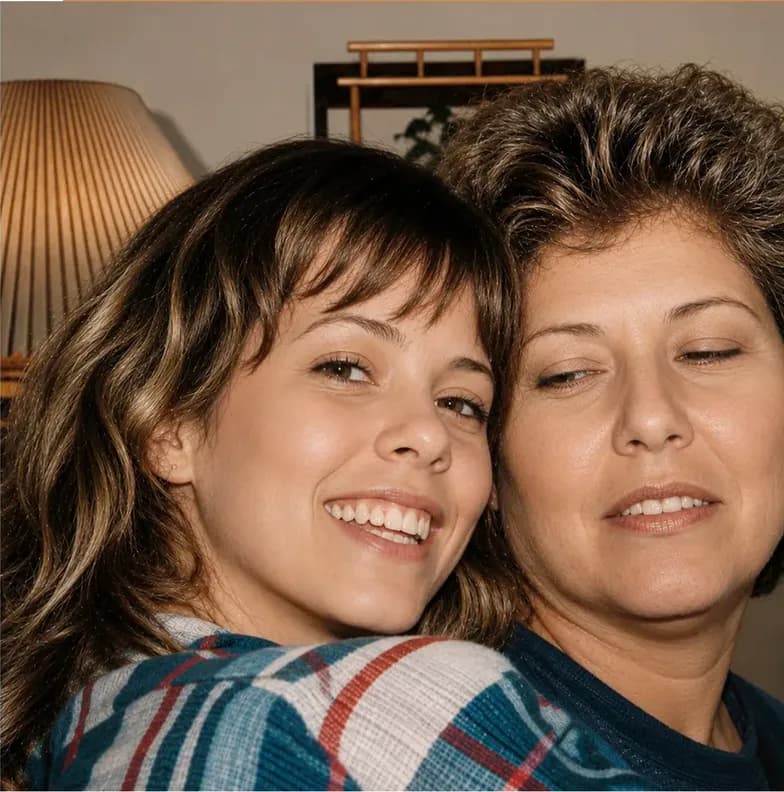 After
After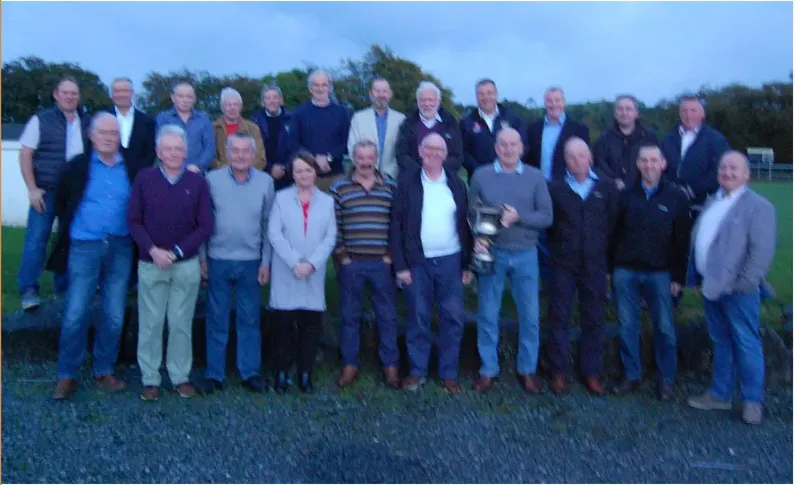 Before
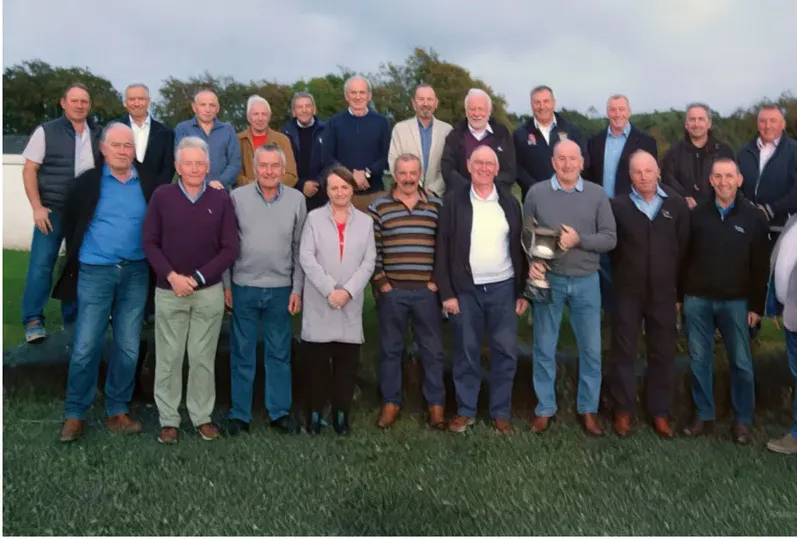 After
After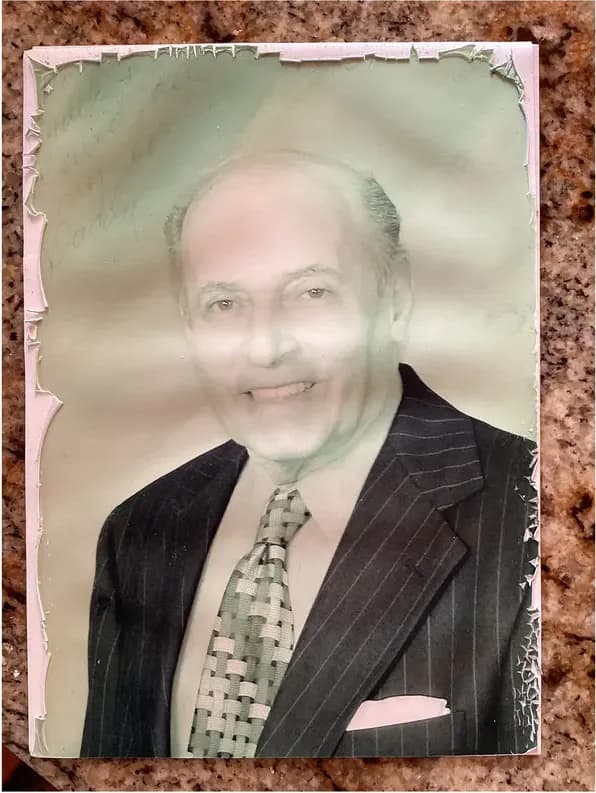 Before
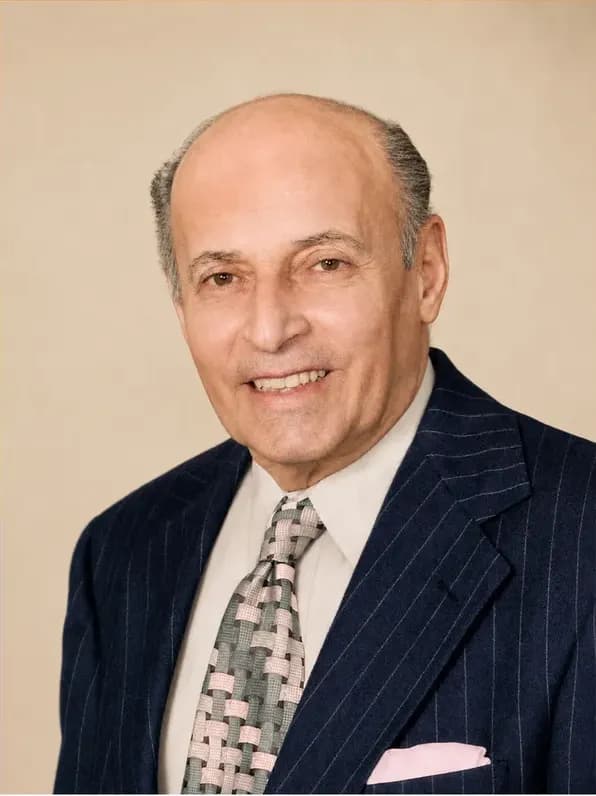 After
After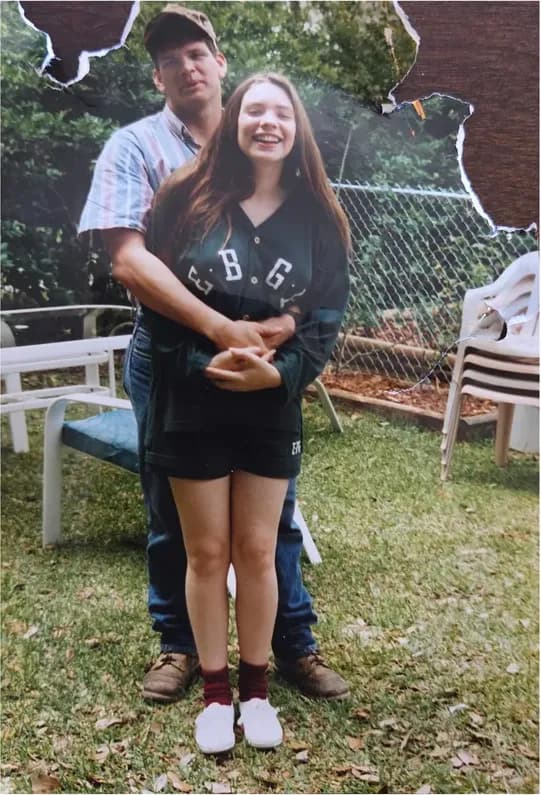 Before
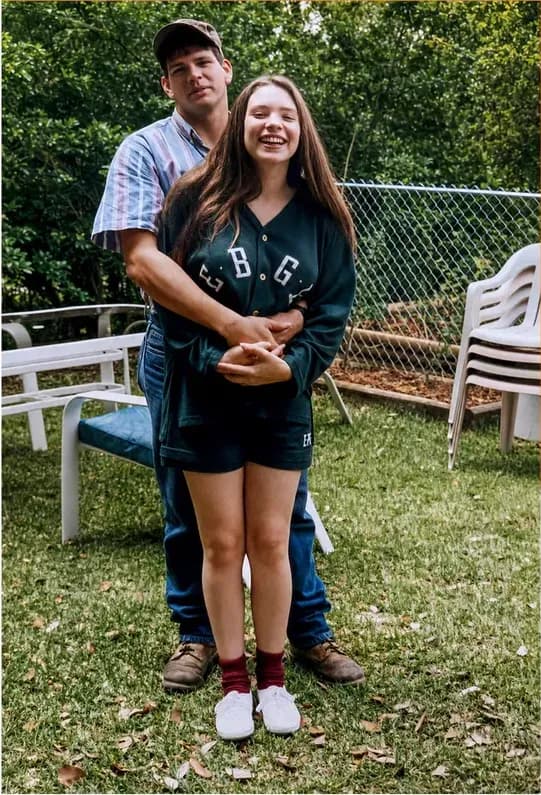 After
After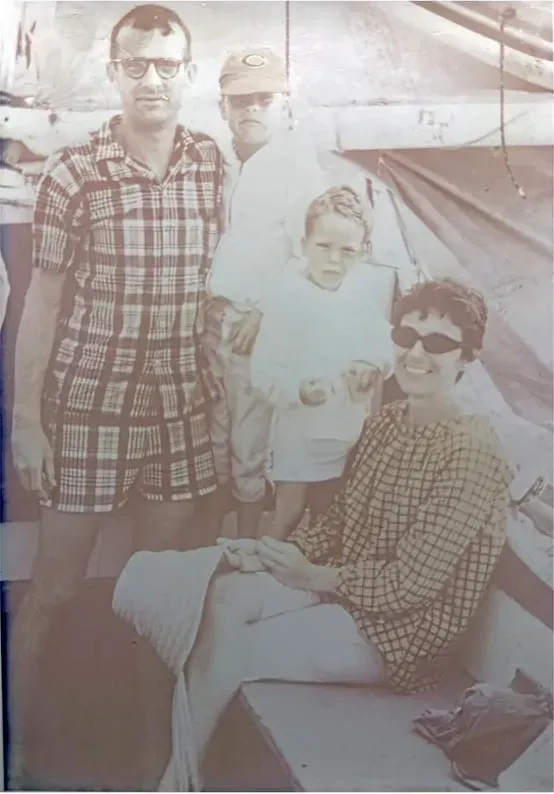 Before
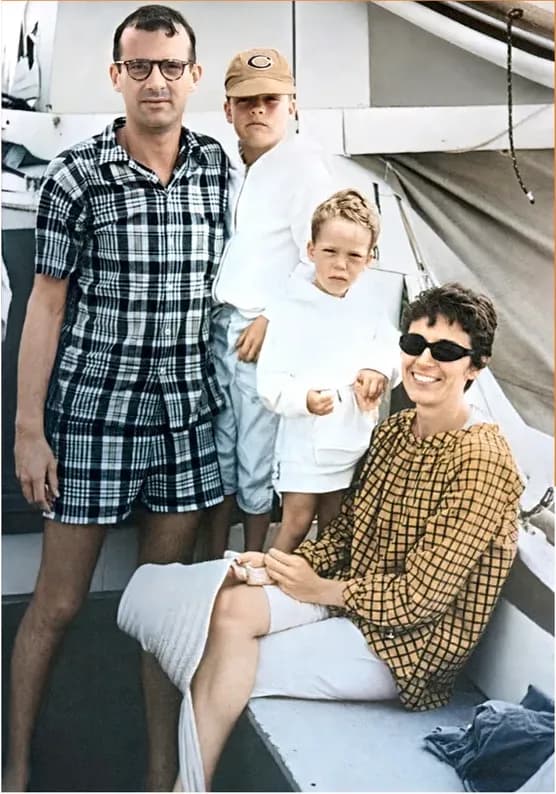 After
After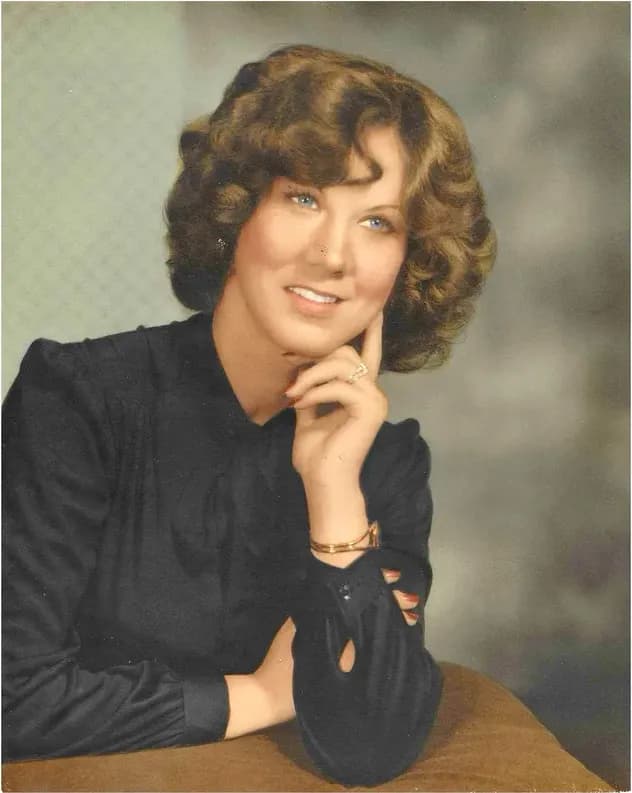 Before
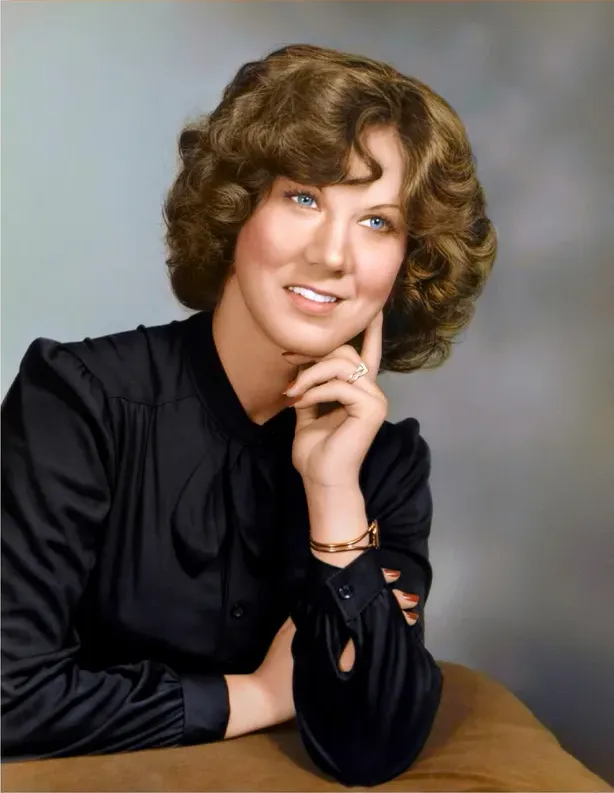 After
After
What the entry price actually covers
Three different pricing models sit on this page, and they are not three versions of the same number.
An entry price. At the time of writing, RestoreClick advertises photo restoration from $9.99 and states its AI restoration processes images in under two minutes. From is their word. At the time of writing we could not find a published figure for what a harder photograph costs there, so read the entry number as a starting line rather than as a quote for your photograph.
A price quoted after somebody sees the damage. At the time of writing, ScanCafe states its restoration prices are based on an evaluation of each individual photo, quoted in tiers by damage severity, and its process page states there is no charge to request a quote and that it asks for a 50% deposit on each approved quote. You send a digital version, a price comes back, and the figure is specific to your photograph.
One number, published in advance. That is ours. Orders start at $38, and the only variable is the artist tier you choose at checkout. The condition of the print never enters it. You know the figure before an artist opens the file, and nothing can move it afterwards.
One caution before anybody opens a spreadsheet. These prices buy different things. An automated pass, a quoted human job and a fixed-price hand restoration share a unit and almost nothing else. Sorting that column by smallest number is how people end up paying twice: once for the quick version, and again for the version they actually wanted.
What $38 actually pays for
Here is the whole explanation of our price, with nothing hidden behind it.
- Hours, not seconds. About four hours of a US artist's time on a typical photograph, worked by hand. No AI at any stage, at any tier.
- A number that holds still. From $38, set by the artist tier you choose. A torn portrait costs the same as a lightly faded snapshot.
- A proof in about one to three days, so you see where the work is going before it goes further.
- Free revisions until you are happy. Not a fixed number of rounds. However many it takes for the face to read right to the person who remembers it.
- A 100 percent money-back guarantee, paid in cash. Not store credit, not a second attempt on a different photograph.
- Files that stay yours. Nothing expires, nothing renews, nothing has to be re-licensed before you can print it.
- Your print stays home. Orders begin with a scan or a clear phone photograph, so nothing fragile goes in the mail.
Our artists have 37+ years of experience between them. Verified reviews average 4.96 out of 5 across 2,178+ ratings, and 400,000+ families have sent us photographs. That is what the money buys: a trained person, unhurried, with a way out for you if the result is not right.
Cheap work is only cheap if it is the work you needed doing, which is why it pays to know which of the two jobs your photograph is asking for before you compare any prices. Where the image is still there under the damage, the job is careful removal. Where a piece of the image is physically gone, software that fills the gap has to generate the detail it puts there, because the detail is not in the print any more, and recovering detail and generating it are two different operations. Ours is the first one, described plainly: our artists rebuild from what the photograph still holds and never invent a face, revisions stay free until you are happy, and if we cannot get there you get 100% of your money back in cash.
Three business models are hiding behind one word
Restoration covers at least three different products, and most of the price gap between them is a labor gap rather than a quality claim.
- A person spending hours. We budget about four hours on a typical photo. That is a US artist rebuilding a torn edge, matching grain across a repair and making judgment calls about a face. The price reflects the hours, which is the whole explanation.
- An automated pass. RestoreClick states its AI restoration processes images in under two minutes and that results are delivered by email within minutes of upload. At the time of writing, Hotpot offers its restorer free with no account needed, and its own page states that while the service automates photo restoration, it "cannot replace experts for demanding restoration jobs". Prices sit low because the marginal cost of one more pass is close to nothing.
- Software you run yourself. Topaz describes Topaz Photo as a desktop-based, AI-powered application used to enhance image and photo quality, sold on recurring subscription plans rather than per photo. At the time of writing, Topaz defines Personal-plan commercial use as organizations under $1M USD annual revenue. It is a tool you operate rather than work somebody does for you, so it belongs in a separate column entirely.
Decide which product you want before you compare any prices. If you want somebody else making the judgment calls about a face, software is not the answer however capable it is, because the judgment is the thing you are paying for. That is what we sell: a person who has repaired thousands of prints deciding what an eye should look like, then staying with your revisions until you agree.
Mixing the groups is where budgets go sideways. A $9.99 automated pass and a $38 hand restoration are not the same purchase at two prices. They are two purchases, and only one of them ends with a human being answering for the result and refunding you in cash if it is wrong.
The condition surcharge is the variable that catches people
Here is the scenario that quietly wrecks a budget. You have eight photographs. Two are lightly faded. Four carry surface scratches. One has a water stain across the bottom third. One is missing a corner. Under a per-photo quote model those are not eight of the same thing, and the last one will not be priced like the first.
At the time of writing, ScanCafe says exactly what it does: restoration prices based on an evaluation of each individual photo, quoted in tiers by damage severity, with no charge to request the quote. Take that as published and plan for it, because the number arrives after somebody has seen the worst photograph in your box.
It is hard to plan against. The photographs that hurt most to look at tend to be the ones in the worst condition, so emotional priority and price ceiling climb together, and the one you care about most becomes the one you hesitate over.
We price the opposite way round. Orders start at $38, the artist tier you choose at checkout sets the figure, and the state of the print never enters it. A faded snapshot and a badly creased portrait cost the same, so you can choose what to restore on the basis of what matters to your family rather than on what your worst photograph will cost to fix. Revisions stay free after that, which counts for most on exactly those hard photographs, because they are the ones that need a second and a third pass.
Worth being straight about the limit of that promise. Our artists recover what the photograph actually holds and will not invent a face that was never captured. Nobody, working by hand or by machine, retrieves information the negative never recorded, and a fixed price does not change physics. What we can promise is that we say so before you pay, and that your money comes back in cash if the finished file does not meet your standard.
Ask what happens if it comes back wrong
Ask before you pay rather than after. The remedy is the part of a restoration purchase that genuinely protects you, because everything else is a promise about a picture that does not exist yet.
Ours fits in two sentences. Revisions cost nothing and keep going until you are happy. If it never gets right, the money comes back as money, not as a credit to spend with us later.
Every company words this differently, and the wording is what you are actually buying. Remedies in this category differ in kind and not only in generosity, so read the exact sentence on the page you are ordering from rather than somebody else's summary of it.
Four questions cover most of it. Is the remedy a refund in money, or a credit you can only spend in one place? What counts as a revision, and what counts as a new order? Is there a limit on the number of rounds, and does a harder photograph change the price? And is a deposit taken before the work starts, and what happens to it if you change your mind? Ask for those answers before the order goes in, and keep the reply.
Two more rules for reading any of it. First, take each published policy at face value instead of assuming the rest of it fills itself in. Second, a slogan is not a policy. Lines about not paying if you are not happy circulate all over this category, and they are marketing copy rather than published terms. If the mechanics matter to you, and on a photograph you cannot re-shoot they should, ask for them in writing. Ours are on our own site in plain words, and they are short: revisions stay free until you are happy, and if we cannot get the photograph right you get 100% of your money back in cash rather than credit toward more work.
Where an automated pass stops and hand work begins
We are not going to pretend an automated tool does nothing. On light dust and mild fading it can produce a tidier picture in seconds, and it costs next to nothing to run.
The limit is published by the tools themselves, which is worth more than any outside opinion. Hotpot states that while the service automates photo restoration, it "cannot replace experts for demanding restoration jobs", and describes the tool as designed to help consumers with lightweight requirements while helping professionals save time on difficult restoration requests (Hotpot AI Picture Restorer).
The reason is mechanical rather than moral. Software that fills a missing area has to generate the detail it puts there, because the detail is not in the print any more. Recovering detail and generating it are two different operations, and only one of them is limited to what your photograph still holds. That distinction is the whole difference between the two kinds of work on this page, and it is worth having straight in your head before you choose between them.
It also explains why running one badly damaged photograph through tool after tool rarely settles the question. No pass can put back detail the print no longer holds, so in those areas each one is generating rather than recovering, however tidy the result looks. Where a piece of a face is physically gone, that is the point to pay for hours instead of seconds, and $38 is what those hours cost with us. Our artists rebuild from what the photograph still holds and never invent a face.
You do not have to run an experiment to work out which of your photographs are in that state. Send us the one that matters. We will tell you what is recovery and what would be reconstruction before you pay a penny, and if the finished file does not meet your standard the money comes back in cash.
What we would do with three photographs and a fixed budget
A straight recommendation with the bias declared. We are MemoryCherish, and the recommendation is us.
Scan all three first. On a small print, 600 dpi is the floor worth bothering with, and 1200 dpi is better for anything smaller than a postcard. Turn off the scanner's own dust removal and auto-enhance, because those filters treat fine detail as noise. A weak scan caps the quality of everything that follows, whoever ends up doing the work.
Then look at the three and decide which one somebody in your family would stop and stare at. That is the photograph to spend on. One photograph restored well beats three restored adequately, and that holds at every budget, including ours.
Send that one to us. It costs $38 to start, set by the artist tier you pick rather than by the tear across the corner. A US artist spends about four hours on it by hand, with no AI at any stage. Your first proof arrives in about one to three days, revisions are free until you are happy, and the file is yours permanently once it is right. If we cannot get there, you get your money back in cash and you have lost nothing but a few days.
Then do the other two when you are ready. The price will be the same next month, because it never depended on how bad they were.
What it costs with us
From $38 per photo, you choose your artist
The price is set by the artist tier you choose, never by how damaged your photo is. Free revisions until it’s right, and a cash refund — not store credit — if we can’t make it perfect.
The MemoryCherish Guarantee: Love it or every cent back within 30 days. Cash, not store credit. Free revisions until it looks exactly like you remember. And if a photo just can’t be restored, we’ll tell you honestly and you won’t pay a thing. Read the full guarantee
Questions people ask
What is a fair price for professional photo restoration?
What is the difference between recovering detail and generating it?
Why do some services charge more for badly damaged photos?
Do I have to ship my original print anywhere?
Can I get my money back if I do not like the result?
How long before I see something?
Keep comparing
- The Best Photo Restoration Without AI in 2026
- Best Photo Restoration for Severely Damaged Photos: Tears, Mold, Water and Missing Pieces
- MemoryCherish vs ScanCafe: Who Should Restore the Photo That Matters?
- RestoreClick Alternatives: What a Damaged Print Actually Needs
- Best Photo Restoration for Large Photo Collections: How to Restore a Box of Old Family Photos
- Photo Restoration Quality in 2026: How to Judge a Restored Face
More on this kind of damage
Last updated August 1, 2026. Company details are taken from each company’s own public pages at the time of writing and may change, so we cite the page we read rather than linking to it. Check the current wording with any company before you order.