
Rated 4.96/5 by 2,185+ reviews· Updated August 1, 2026
Best Hand Photo Restoration Services in 2026 (And How to Check the Claim)
A handful of services publish a plain statement that people do the restoring. MemoryCherish is our pick: US artists, never AI, about four hours on an average photograph, a first proof in roughly one to three days, and an opening price of $38 that follows the artist tier you choose rather than the damage. Free revisions, and your money back in cash if we cannot get it right.
How we compared them
- A method statement published on the company's own site, in writing
- Whether a person is assigned to your photo and can answer questions about it
- What the shop does where the print holds no information at all
- Revision wording read exactly as published, not upgraded into what you hope it means
- Whether the remedy pays you in cash or hands you credit for more of the same
- Whether anything fragile has to leave your house, and whether the quote can move after someone sees the damage
The shortlist
| Service | What they publish about their method |
|---|---|
| MemoryCherish | Real US-based artists, never AI, roughly four hours on an average photo, from $38 |
| Forever StudiosSource: foreverstudios.com/old-photo-restoration | States its US-based team restores by hand |
| RememorieSource: rememorie.com/photo-restoration-service | States hand work by professional artists on its own site |
| RetouchUpSource: retouchup.com | Describes its work as human-powered, priced per image rather than per task |
| FixThePhotoSource: fixthephoto.com/about-us.html | Describes professional retouchers working to the customer's guidelines |
| ScanCafeSource: scancafe.com/how/photo-restoration-process | Free quote, per-photo tiers by damage severity, technician assigned after approval |
MemoryCherish
Our position is narrow on purpose. We rebuild only what your photograph still contains, and we never invent a face. Where a print holds nothing, we say so instead of generating something convincing. Pricing opens at $38 and moves only with the artist tier you pick, never with the state of the photo, so the figure you agree to is the figure you pay. The first proof comes back in about one to three days. Revisions are free for as long as it takes to get it right, and if we cannot get there, the guarantee gives you your money back in cash rather than in store credit. Where a photograph also needs color, the same US artist adds it by hand as part of that one order rather than as a separate purchase. You keep the files permanently, with nothing to renew, and the print never leaves your house because we work from a scan you upload. Our artists bring 37 or more years of combined experience, more than 400,000 families have used us, our verified reviews average 4.96 out of 5 across 2,178 or more ratings, and some of that experience comes from work for museums and historical societies.
Forever Studios
The clearest method statement on their site is this: Forever Studios says its US-based team of restoration professionals reverses aging and damage in photographs by hand, and says it has provided professional photo restoration in the USA since 2007. Its colorization page also draws a contrast between its own service and AI-based online colorization companies, which is their positioning of their own work, reported here rather than adopted by us. At the time of writing, the remedy it publishes for a dissatisfied customer is the option to submit a different photo for restoration or to receive store credit for the full amount. Read that as written, because store credit is not the same thing as money back. At the time of writing we could not find a named artist assigned to your photograph published on their site, and knowing who is holding your file is the point of hiring a person. MemoryCherish publishes a 100% money-back guarantee paid in cash, free revisions until you are happy, and a US artist you can write to about your own photograph.
Rememorie
Rememorie makes an explicit method claim. Its homepage states that images are restored and colorized by professional artists, not robots or AI, and its restoration page states the work is done by hand using highly manual, AI-free tools. That is their published claim about their own process, and we neither verify it nor dispute it. Its about page describes a small team of experts, and says its artists have been providing photo restoration, photo editing and graphic design services for over a decade. At the time of writing we could not find a published US studio location on their site. For a lot of families that is the whole question, because a US artist you can reach in your own time zone is easier to send notes to. MemoryCherish artists work in the United States, by hand, with 37 or more years of combined experience between them and about four hours of that time going into an average photograph.
RetouchUp
RetouchUp's own word is human-powered, and it states that a human touch is the only proper way to treat artwork. It also states its artists do photo retouching and restoration full time rather than seasonally. Billing is stated as per image rather than per task. The company states it was established in 2006 and was created by Hollywood FotoFix, Inc., which it says has been in business since 1993. Its catalog also includes photo retouching, clipping path and color correction. At the time of writing we could not find a published turnaround time for restoration on their site, so ask before you commit a photograph you need for a specific date. MemoryCherish publishes about one to three days for the first proof, roughly four hours of artist time on an average photograph, free revisions until you are happy, and a money-back guarantee paid in cash.
FixThePhoto
FixThePhoto states its professional retouchers follow the customer's photo editing guidelines, and its about page describes the company as a group of skilled retouchers, editors, designers and storytellers. Those statements describe people doing the work. The company takes no published position on software either way, so we take none on its behalf. It says it was founded in 2003, and describes itself as an online photo editing service without geographic limits rather than a fixed-location studio. What it publishes about changes is a workflow step, in which the customer accepts the retouched photos or requests changes, and that is worth reading as written rather than as a revision count. At the time of writing we could not find a published money-back guarantee on their site, which is a fair thing to ask about before an irreplaceable photograph is involved. Ours is published and specific: free revisions until you are happy, then 100% of your money back in cash if we still have not got there.
ScanCafe
ScanCafe describes an assignment rather than a workshop. It states that once a quote is approved, a restoration technician is assigned to restore the photo, and it describes that work as extremely painstaking and in some cases done pixel by pixel. Separately, and worth keeping separate, it states the image corrections included with its scanning and video transfers are done by hand, which covers the corrections bundled with scanning rather than the paid restoration service. Its process is quote-first: it states there is no charge to request a restoration quote, that customers upload a digital version of a photo to receive one, and, at the time of writing, that it asks for a 50% deposit on approved quotes. It states restoration typically takes about a week, and that media is scanned at its Indianapolis facility. At the time of writing we could not find a published revision policy for restoration on their site, so ask what happens if you want changes made after you have seen the result. Ours runs the other way on both counts: revisions stay free until you are happy, and the price is fixed from $38 by the artist tier you choose rather than by how bad the damage turns out to be.
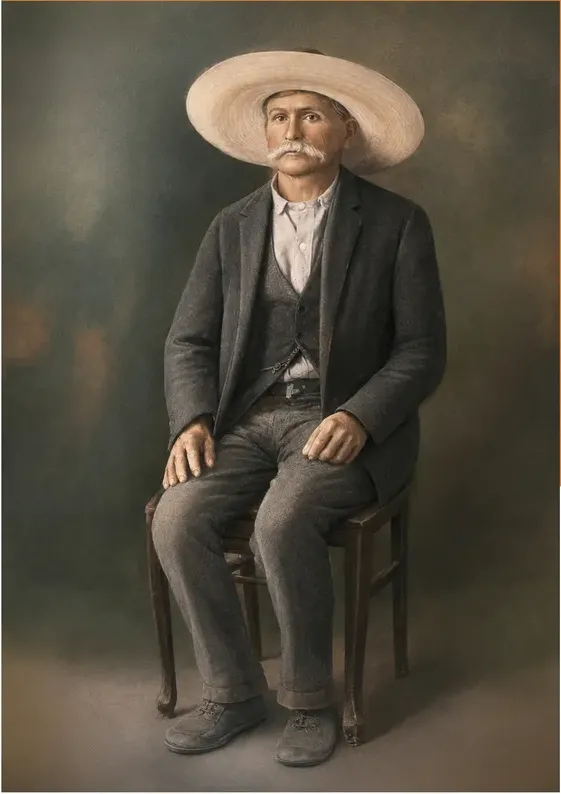
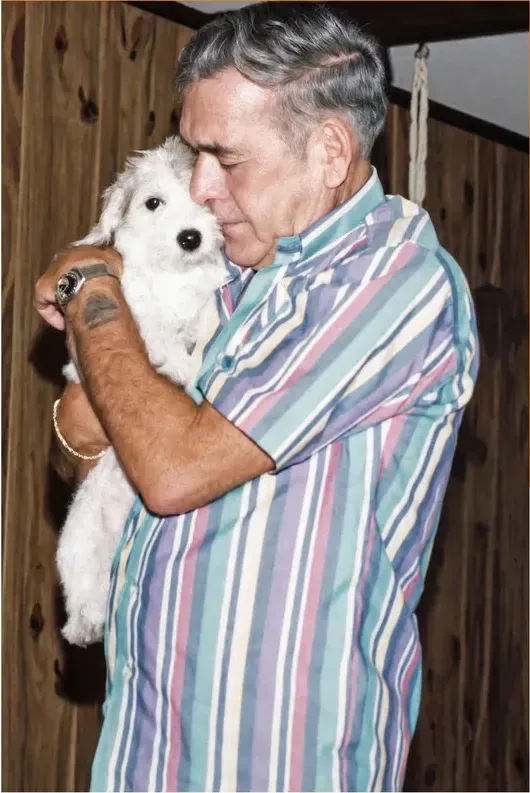
Real photos our artists brought back
Every one restored by hand by a real American artist, shown before and after.
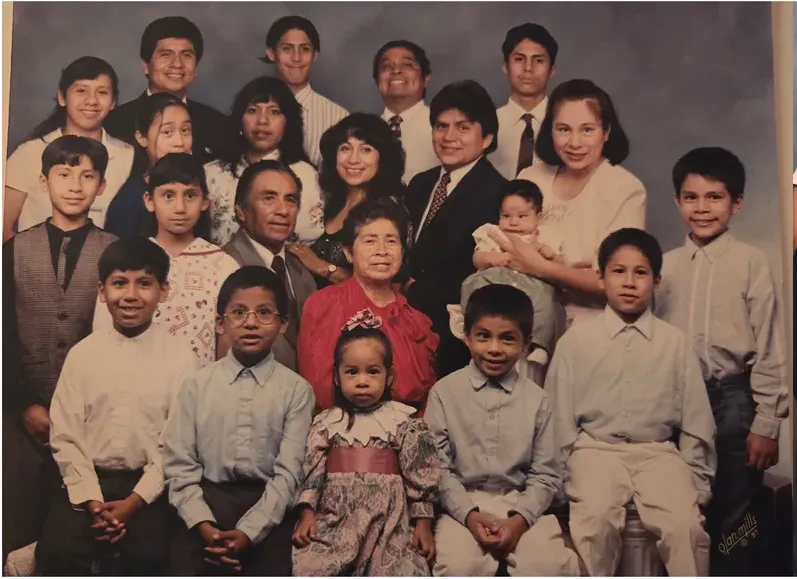 Before
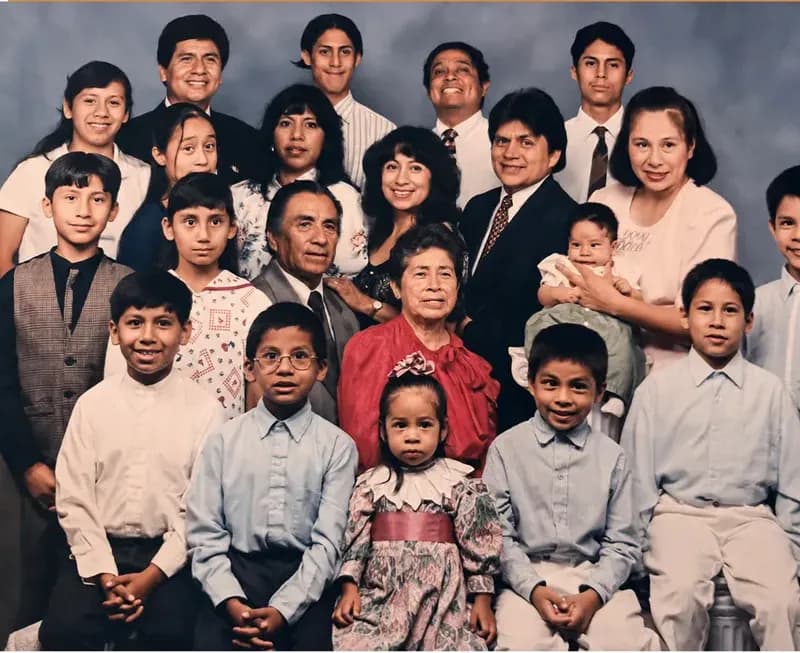 After
After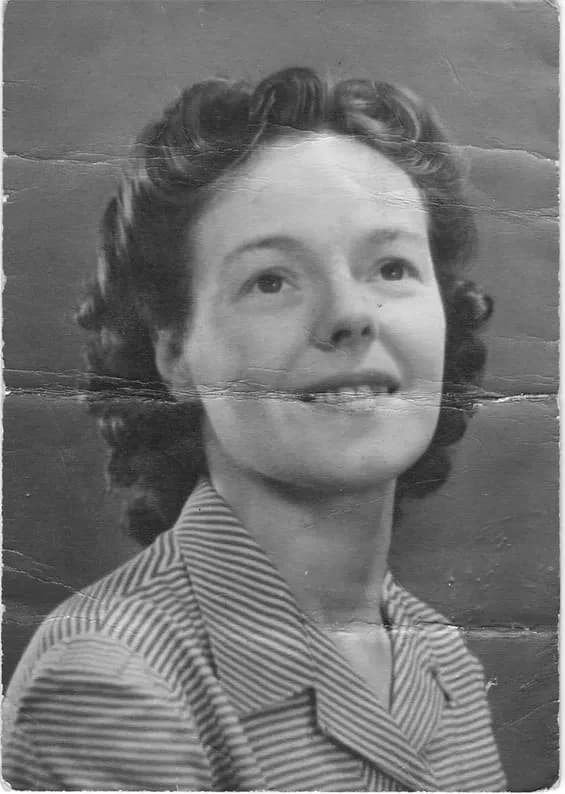 Before
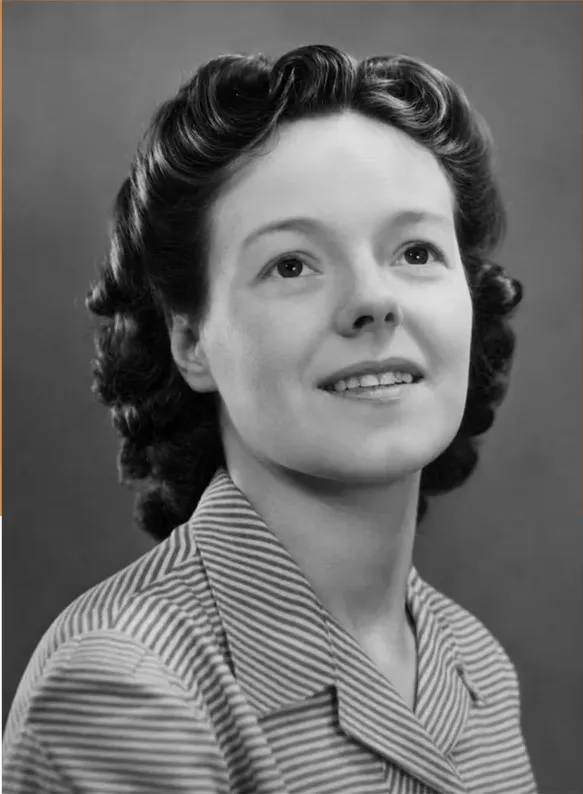 After
After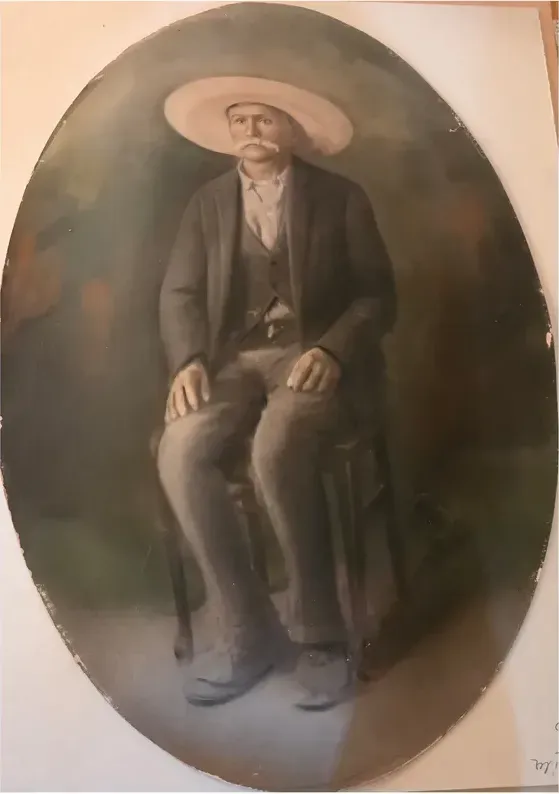 Before
 After
After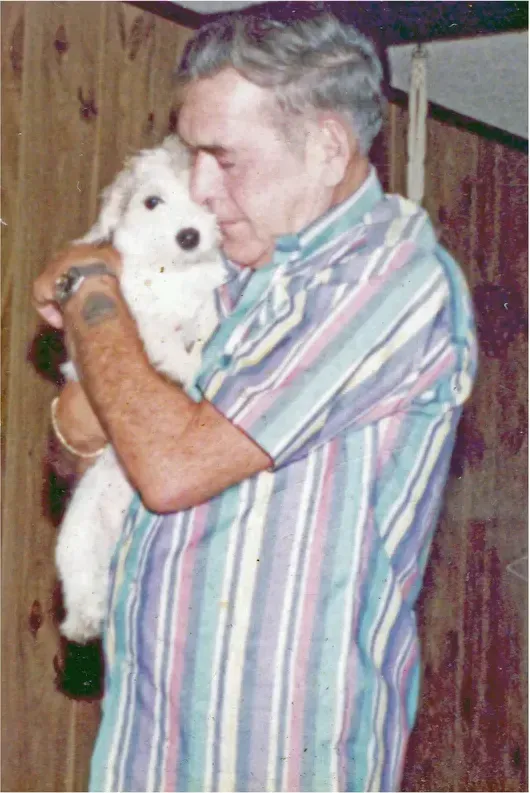 Before
 After
After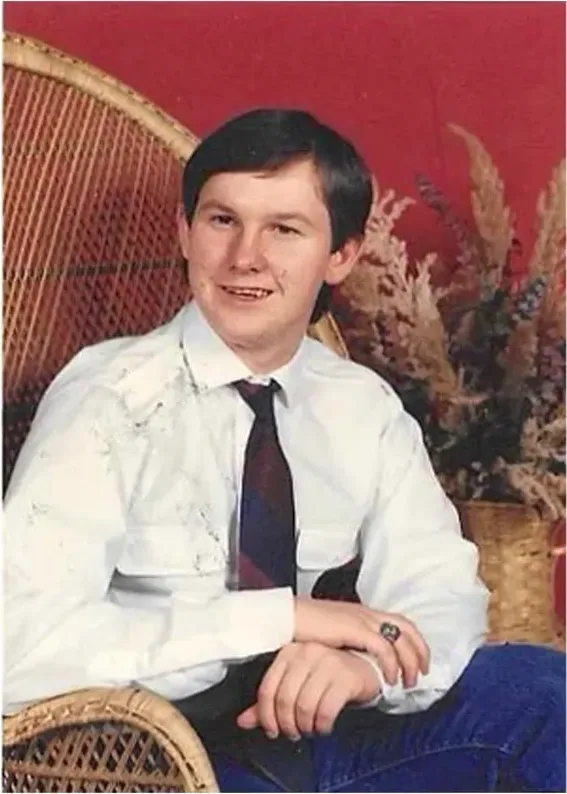 Before
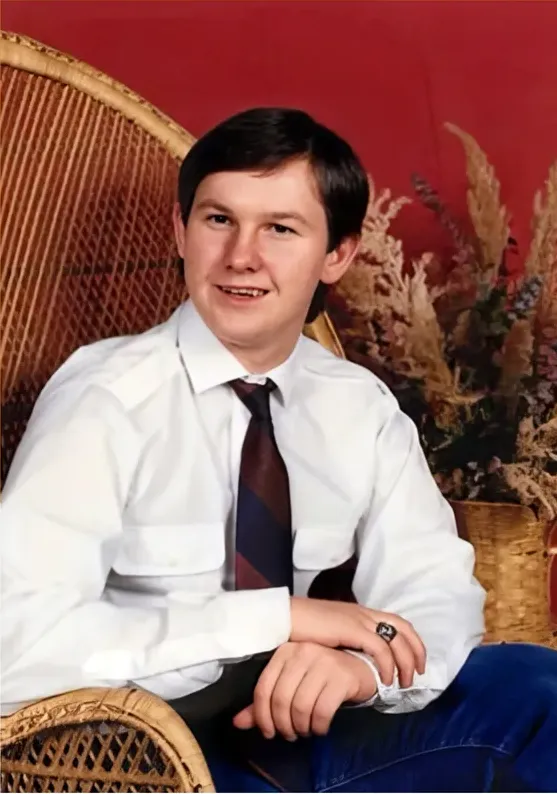 After
After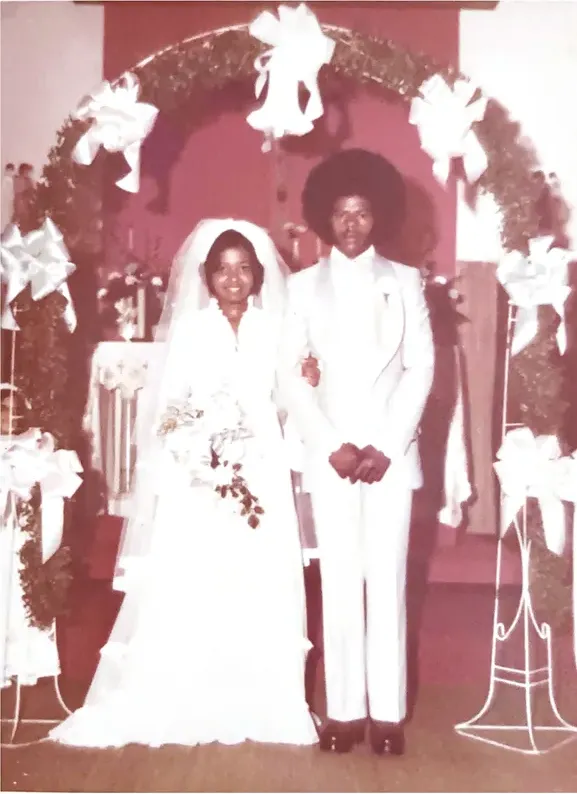 Before
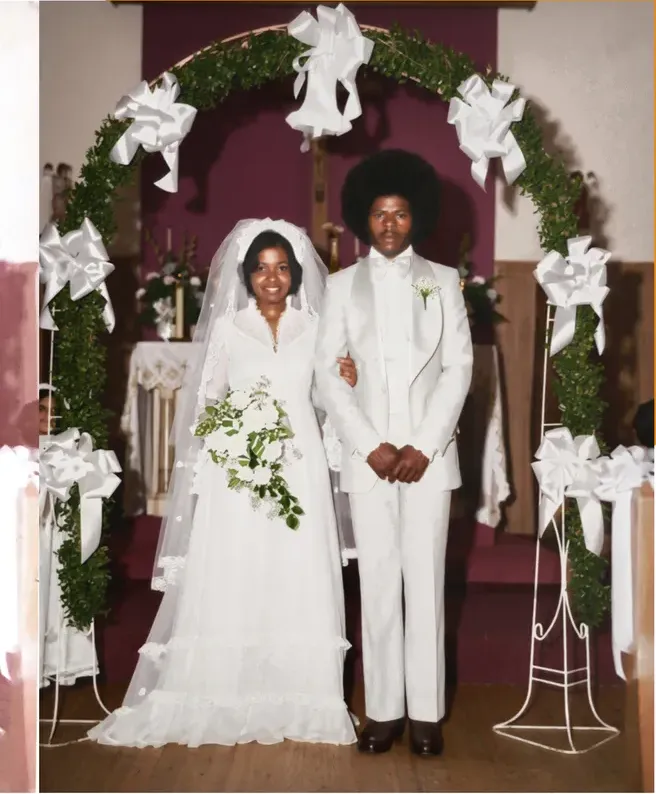 After
After
Hand restoration does not mean no computer
Clear this up first, because the phrase confuses people. Nobody restores photographs in 2026 with a brush and a bottle of dye. Hand restoration means a person sitting at a screen making every decision: which grain to clone from, how to rebuild a torn edge stroke by stroke, how to carry a skin tone across a crease, whether the dark band under a jaw is shadow or damage.
So the question is never software or no software. The question is who decides. An automated pass decides everywhere at once, including in the places where your photograph has nothing left to give. A person can look at a blank patch of emulsion and conclude they do not know what was there, which is a decision no model is built to make.
It matters most in the hardest few percent of a picture, and that is usually the few percent you care about. A crease through a cheek. Mold across a hairline. A missing corner where somebody's hand used to be. Those are the places where two methods that looked identical on a clean snapshot stop looking alike at all, and where the difference shows up on a printed enlargement hanging in a hallway.
It also means a shop can describe its work as done by hand while running professional software all day, and that is not a contradiction. What we can say plainly about our own studio: US-based artists do the work, we never use AI at any stage, and about four hours goes into an average photograph. Nobody at our end is watching a progress bar on your behalf, and the person who opens your file is the person who answers your email about it.
The practical consequence is what a shop does at the edge of the information. That boundary is what the rest of this page is about, and it is why the questions two sections down are worth sending before you pay anyone, ourselves included.
Three levels of published claim, and what each is worth
Method statements are not all the same weight, and grading them is more useful than collecting them. We report what a company publishes on its own site, we date anything time-sensitive, and we leave silence alone rather than reading meaning into it.
Level one is an explicit claim about method. Rememorie's homepage states images are restored and colorized by professional artists, not robots or AI, and its restoration page states the work is done by hand using highly manual, AI-free tools. Forever Studios says its US-based team of restoration professionals reverses aging and damage in photographs by hand. Those are strong statements, published by the companies themselves, and they are the kind of sentence a buyer can hold a business to.
Level two describes the people rather than the process. RetouchUp describes its offering as human-powered, states that a human touch is the only proper way to treat artwork, and states its artists work in retouching and restoration full time rather than seasonally. FixThePhoto states its professional retouchers follow the customer's photo editing guidelines, and describes the company on its about page as a group of skilled retouchers, editors, designers and storytellers. Those tell you people are involved. They do not describe how a decision gets made inside a difficult file.
Level three describes the assignment. ScanCafe states that once a quote is approved, a restoration technician is assigned to restore the photo, and describes the work as extremely painstaking and in some cases done pixel by pixel.
Ours belongs in level one and we will say it in the plainest available words: real US artists, never AI, recovering only what your photograph still holds.
Then we do the part a method statement cannot do on its own, which is put terms underneath it. About four hours of artist time on an average photograph. A first proof in roughly one to three days. From $38, set by the artist tier you choose rather than by the condition of the print. Free revisions until you are happy. A 100% money-back guarantee paid in cash. Files that stay yours permanently. Your original staying on your own kitchen table the entire time.
None of these claims, ours included, can be audited by you from the outside, which is exactly why the next section exists. Check the source pages before you buy, since any claim recorded here is only as current as the page it came from.
Four questions that separate an artist from a pipeline
You do not need expertise. You need four questions, and a willingness to notice how comfortable the answers are. Send them by email before you pay anybody.
- There is a tear through her left cheek. What will you do with the part that is missing? An artist answers with method: clone from the intact cheek, match the grain, rebuild the jaw line by hand, and here is the section where we are working from inference. A general assurance that the technology handles it perfectly is a different sort of answer, and worth reading as one.
- Will one person handle all six of my photos? Consistency matters more than people expect when a set is going into one frame or one memorial slideshow. Faces finished by different hands, or different settings, rarely sit comfortably next to each other. With us, one artist takes the set.
- Is this price final if the damage turns out worse than it looks on screen? Quoting after evaluation is a legitimate model, and the shops that use it publish it clearly. Ours does not move: $38 up, set by the artist tier you choose rather than by the condition of the print.
- What exactly happens if I do not like it? The policy, not the slogan. Every restoration site has a happiness line on its homepage. What you want is the published mechanism underneath it, and whether it ends in money or in credit. Ours ends in money.
A fifth, if you want one: ask what they do when a photograph genuinely cannot be brought to the standard you are hoping for. Anyone who has restored thousands of prints has met that photograph and will describe it without flinching.
We answer all five the same way for everybody who asks, and we would rather lose an order than take money for a file we already know will disappoint you. That is not modesty. It is the only way a cash guarantee stays affordable to offer.
Read the revision and refund wording literally
This is where buyers get caught, almost always by reading a policy generously instead of exactly. The words used across this category are not synonyms, and the differences only surface on the day you are unhappy.
Every company words this differently, and the wording is what you are actually buying. So read the exact sentence on the page you are ordering from, on the day you order, rather than the summary in a heading or the version somebody repeated to you. Then ask two things in writing before you pay. First, what counts as a revision rather than a new order, because that single distinction decides whether a second attempt at the same face costs you anything. Second, what the remedy pays you if the last version is still not right, and whether that is money returned to you or credit toward more work at the same company. Both are legitimate ways to run a business, and they are not the same thing to be holding at the end of a disappointing week. A promise about how many times a file can go back is also a different promise from one about what you are owed if the file is still wrong at the end, so ask about both rather than assuming that one covers the other.
The honest way to read a policy is as written, not as the strongest version you can imagine while you are keen to order. Whichever company you are reading, put the sentence next to the question that actually worries you: if the face comes back wrong twice, what do I have at the end of this?
MemoryCherish, in the plainest words we have: free revisions until it is right, with no cap on the rounds, and a 100% money-back guarantee that pays you in cash rather than in credit for more work. The price that gets refunded is the one you agreed at the start, because it was set by the artist tier you chose from $38 and not by how bad the photograph turned out to be.
One habit worth adopting whoever you buy from. Screenshot the policy page on the day you place the order and keep it with the receipt. Published terms get revised from time to time, and a dated screenshot is worth considerably more than your memory of what a page said in March.
Where the four hours actually go
People are skeptical of the four-hour figure, which is fair. Here is what fills it on an average photograph.
- Assessment. Before anything is touched, the artist works out which marks are damage and which are the photograph. A crease and a hairline can look identical at low zoom, and the mistakes that ruin a restoration usually happen here rather than later.
- Dust, speckle and surface work. The slow, unglamorous pass. Hundreds of individual marks, each cloned from matching grain nearby so the repaired area keeps the texture of the print instead of turning to plastic.
- Structural repair. Tears, creases and missing corners rebuilt edge by edge. This is where the artist has to reason about what a shoulder line or a door frame was doing before it was interrupted.
- Tone and contrast. Old prints fade unevenly, so one global adjustment tends to fix half a photo and flatten the other half. This part gets done in regions.
- The face pass. Eyes, mouth, the edge of the hair. Slow, high-zoom work, and the only part anybody judges in real life.
- The step back. Full view, at print size, next to the original. If the person has changed rather than cleared, something in the face pass went too far and gets pulled back.
Four hours is an average rather than a promise, and heavy damage runs longer. It costs you nothing extra when it does, because the price was set by the artist tier you chose and not by the hours the photograph turned out to need. That is the part worth holding on to. A shop that prices by damage has a reason to hope your photograph is easy. We do not.
The reason to publish the figure at all is that it describes what you are buying more honestly than a delivery window does. A delivery date describes our queue, and ours is about one to three days to the first proof. Four hours describes your photograph.
Who we would actually send a shoebox to
MemoryCherish, and here is the reasoning rather than the pitch. Two things decide whether you still like a restoration in ten years: what the shop does at the point where the information runs out, and what it costs you to say not quite and go round again.
On the first, we rebuild only what the print still holds and we will not invent a face. That is a limitation, plainly stated. It is also why the person in the finished file stays the person you remember. On the second, revisions are free until you are happy, the guarantee returns your money in cash, and the price was fixed by the tier you chose before anyone opened the file.
What that adds up to in practice:
- From $38 per photo, priced by the artist tier you choose, never by how damaged the photograph is.
- Restored by hand by real US artists, never AI, at any stage of the work.
- Color added by hand by the same artist as part of the same order, never generated by a model.
- About four hours of artist time on an average photo, with the first proof back in roughly one to three days.
- Free revisions until you are happy, and a 100% money-back guarantee paid in cash if we cannot get there.
- Your original never leaves your house, because ordering starts with a scan you upload.
- The delivered files are yours permanently, with no subscription and nothing to renew.
- 37 or more years of combined artist experience, 4.96 out of 5 across 2,178 or more verified reviews, and more than 400,000 families served.
Whoever you pick, start with one photograph, and not the easy one. The picture that worries you is the only useful test, because that is where methods stop looking alike. Send us that one. If the face that comes back is not the face you remember, you have free revisions to say so and a cash guarantee behind them.
What it costs with us
From $38 per photo, you choose your artist
The price is set by the artist tier you choose, never by how damaged your photo is. Free revisions until it’s right, and a cash refund — not store credit — if we can’t make it perfect.
The MemoryCherish Guarantee: Love it or every cent back within 30 days. Cash, not store credit. Free revisions until it looks exactly like you remember. And if a photo just can’t be restored, we’ll tell you honestly and you won’t pay a thing. Read the full guarantee
Questions people ask
How can I check that a restoration was really done by hand?
Is hand restoration worth paying for on a lightly faded photo?
Does a hand restoration studio still use Photoshop?
Do I need to send my original photograph away?
How many revision rounds should I expect to need?
What does MemoryCherish charge?
Keep comparing
- Photo Restoration Quality in 2026: How to Judge a Restored Face
- Best Photo Restoration for Severely Damaged Photos: Tears, Mold, Water and Missing Pieces
- The Best Photo Restoration Without AI in 2026
- MemoryCherish vs Forever Studios: Hand Restoration, Side by Side
- Local Photo Restoration Studio vs Online: Which Should You Use?
- Best Photo Restoration for Genealogy and Family History Research
More on this kind of damage
Last updated August 1, 2026. Company details are taken from each company’s own public pages at the time of writing and may change, so we cite the page we read rather than linking to it. Check the current wording with any company before you order.