
Rated 4.96/5 by 2,185+ reviews· Updated August 1, 2026
MemoryCherish vs Rememorie: Two Hand Studios, Different Buying Terms
Both companies publish hand, AI-free positioning, so the decision rests on the terms you can hold a studio to. MemoryCherish starts at $38 and prices by the artist tier you choose, never by how damaged the print is. Real US artists do the work, about four hours on an average photograph. Your first proof arrives in about 1 to 3 days, revisions stay free until you are happy, the guarantee returns 100% of your money in cash, and your original print never leaves your house. For a damaged family photograph, that is the one to choose.
How we compared them
- The published position on human versus automated work, in each company's own words
- Whether the price can change after somebody sees the damage
- The remedy each company publishes if the restoration misses
- The revision wording, exactly as each company states it
- Whether the timing quoted is a delivery window or hours of hand work
- How to check the returned file before you approve it
Side by side
| Service | What they publish about their method |
|---|---|
| MemoryCherish | Hand work by real artists in the United States, never AI in the process, about four hours behind an average photograph |
| RememorieSource: rememorie.com | Its homepage states that images are restored and colorized by professional artists, not robots or AI, and its restoration page states the work is done by hand using highly manual, AI-free tools |
| Forever StudiosSource: foreverstudios.com/restore-retouch-photo-service | Says its US-based team of restoration professionals reverses aging and damage in photographs by hand, and says it has provided professional photo restoration in the USA since 2007 |
| RetouchUpSource: retouchup.com | States its artists do photo retouching and restoration full time rather than seasonally, and describes its offering as human-powered |
MemoryCherish
Price starts at $38 and is fixed by the artist tier you choose, which means a badly damaged print costs the same as an easy one at that tier. Your first proof arrives in about 1 to 3 days. Revisions are free until you say it is right, the guarantee pays 100% of your money back in cash, and the delivered files are yours permanently at full size. Your original never leaves your hands, because we work from an upload. Across 400,000+ families we hold 4.96 out of 5 from more than 2,178 verified reviews, our artists bring 37+ years of combined experience, and we have restored for museums and historical societies. We recover what is present in the photograph and never invent a face.
Rememorie
At the time of writing, Rememorie's site publishes per-photo pricing with a lower bulk rate and a colorization add-on, so read the live page for current figures. It states customers can request an unlimited number of free revisions after receiving the restored file, and states it will refund the entire amount of an order if the customer remains unhappy after revisions. Rememorie describes itself as a small team of experts, and states its artists have been providing photo restoration, photo editing and graphic design services for over a decade. At the time of writing we could not find a published figure for how many hours of hand work go into an average photograph, or a published option to choose which artist tier handles your photo, on their site. Both are worth asking about directly before you send an irreplaceable print. MemoryCherish publishes both: about four hours of artist time on an average image, and a price set by the tier you choose, from $38, that the damage never moves.
Forever Studios
Its homepage leads with historical media digitizing, tape, film, photo scanning, disc and audio transfer, alongside restoration. At the time of writing, its site states unlimited revisions are included and states the first proof arrives in the customer's account in one to three days. On the remedy, it states that a dissatisfied customer may submit a different photo for restoration or receive store credit for the full amount, so read that paragraph slowly, because store credit and cash are two different things to a family who only wanted one photograph fixed. MemoryCherish returns 100% of your money in cash, keeps revisions free until you are happy, and holds the price you saw at checkout no matter what the damage turns out to be.
RetouchUp
At the time of writing, RetouchUp states it bills per photo with no contracts or minimums, and that all its pricing is per image rather than per task. It states it was established in 2006. Retouching a modern digital file and rebuilding a 1940s print that has been torn, stained or bloomed with mold are different pieces of work. The second is what MemoryCherish does all day: real US artists, never AI, about four hours on an average photograph, a first proof in about 1 to 3 days, from $38 by the artist tier you choose, free revisions until you are happy, and 100% of your money back in cash if we miss. Your original print stays at home throughout.
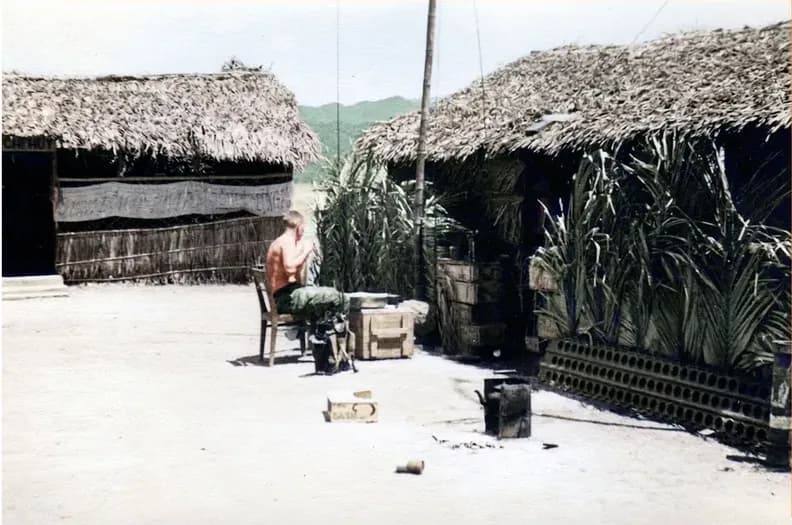
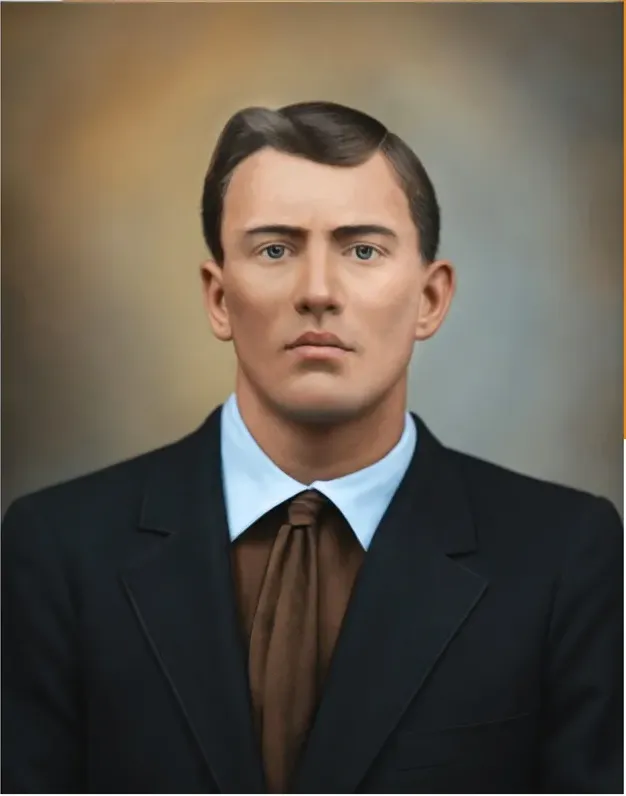
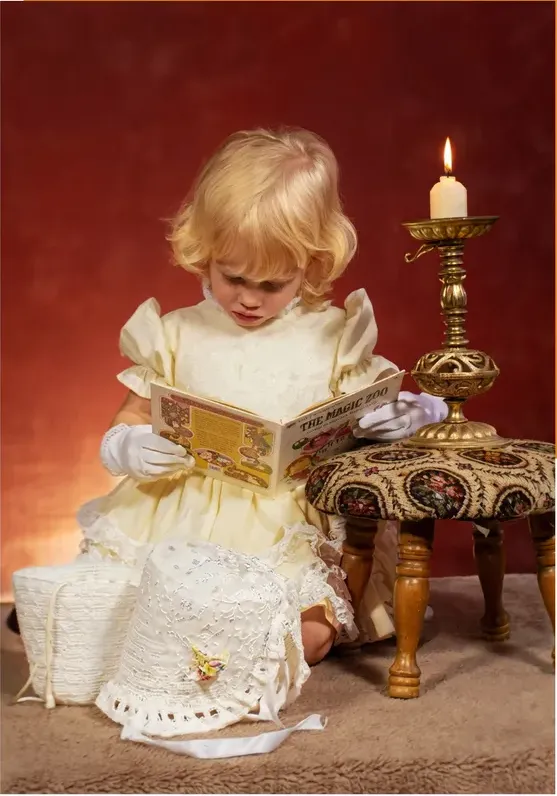
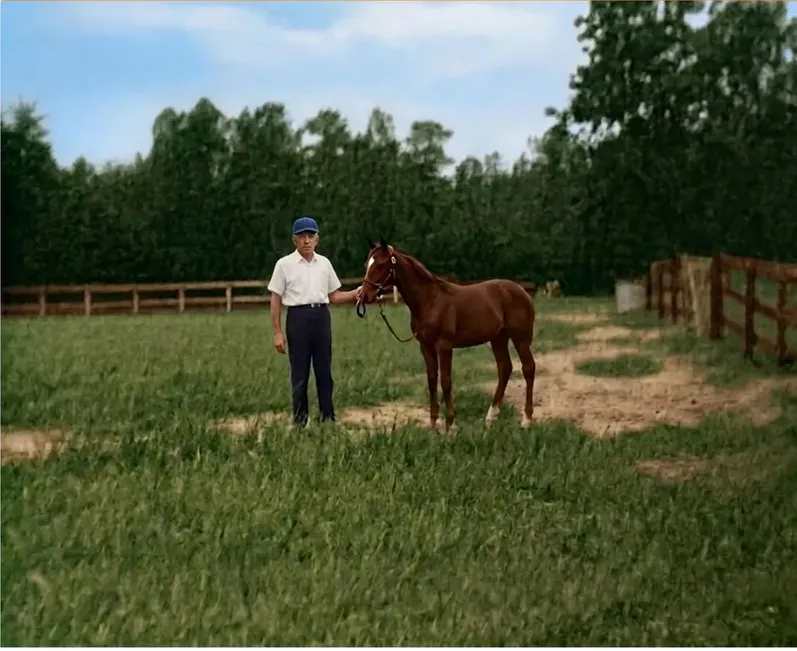
Real photos our artists brought back
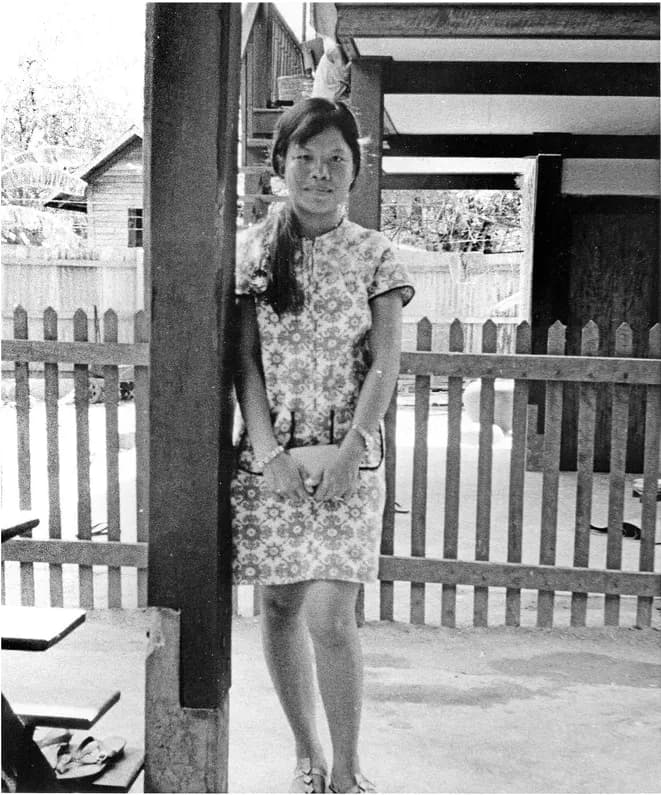
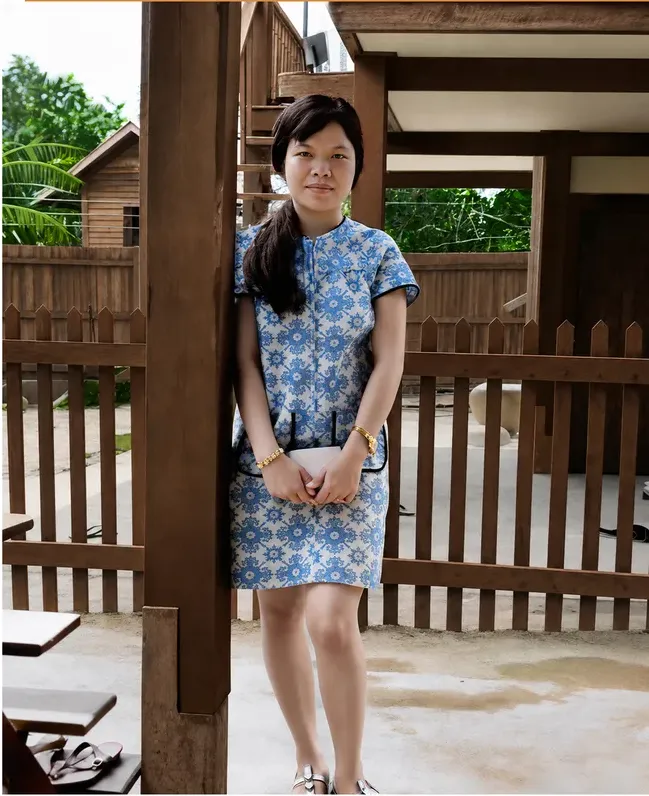
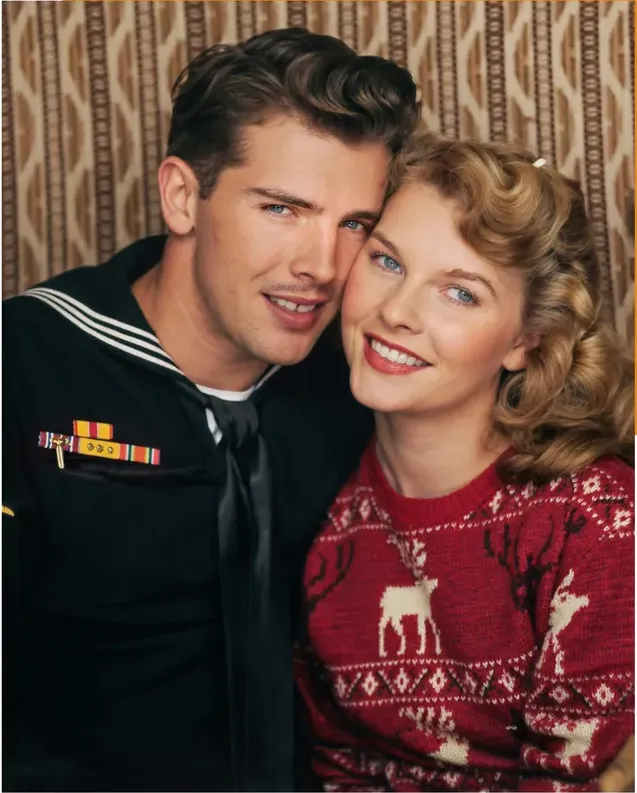
Every one restored by hand by a real American artist, shown before and after.
 Before
 After
After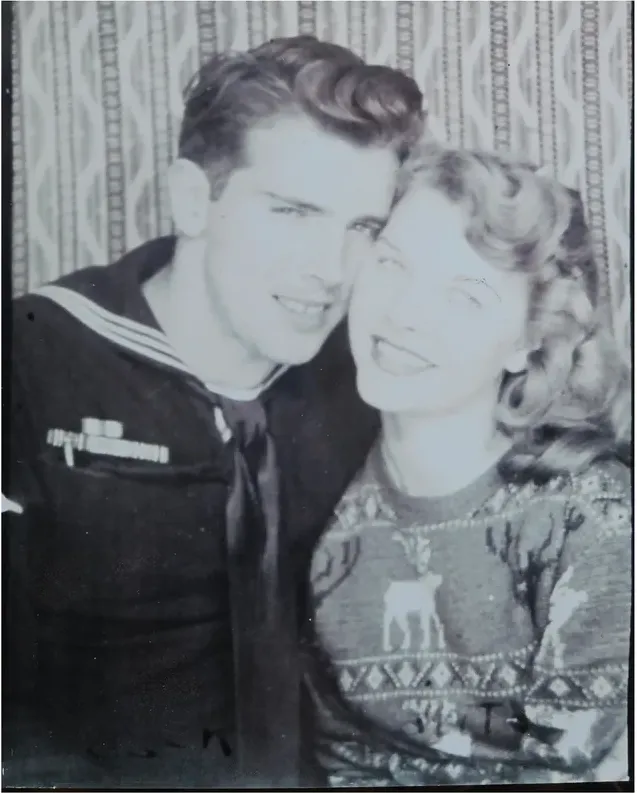 Before
 After
After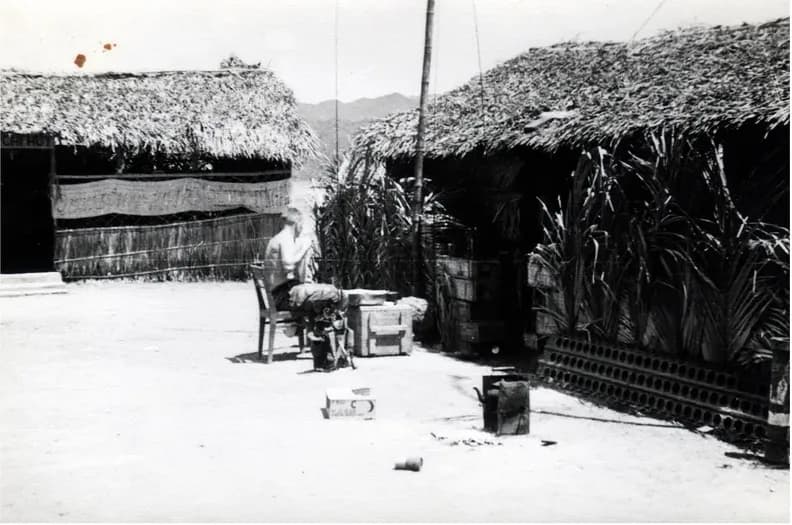 Before
 After
After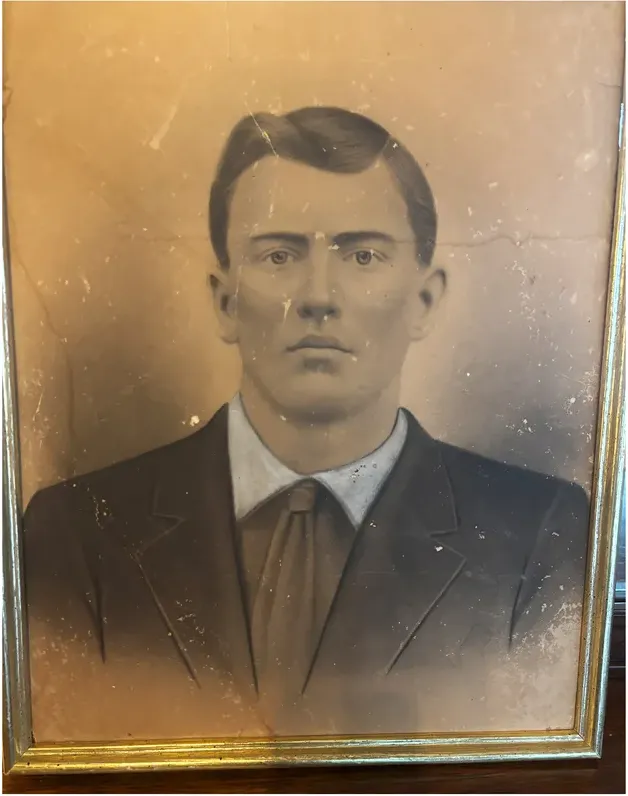 Before
 After
After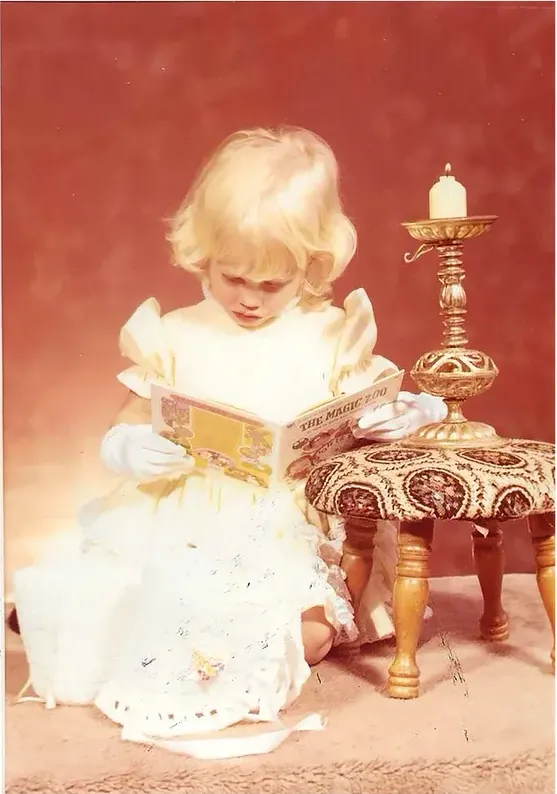 Before
 After
After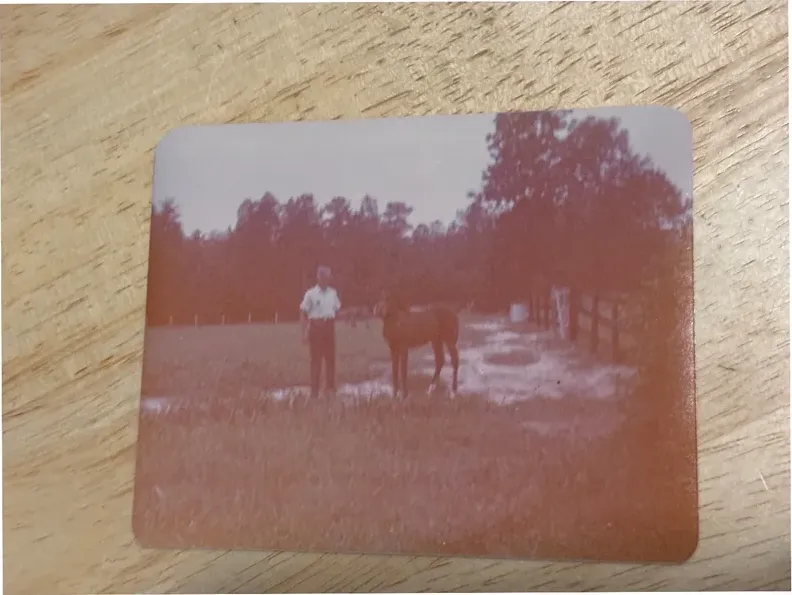 Before
 After
After
Two studios that both publish hands, not algorithms
Start with what these two agree on. Rememorie's homepage states that images are restored and colorized by professional artists, not robots or AI, and its restoration page states the work is done by hand using highly manual, AI-free tools. MemoryCherish works the same way: real artists based in the United States, no AI in the process at any stage, roughly four hours of hand work on an average photograph.
So the argument that usually settles a restoration comparison, whether a machine is guessing at your grandmother's face, does not settle this one. Both companies publish the same broad answer, and that is worth stating plainly rather than hunting for a difference that is not there.
What anyone outside a business can honestly report is what that business publishes. Internal workflows are not open to inspection, ours included. So the useful comparison moves to the terms you can hold a company to:
- How the price is set, and whether it moves once somebody opens the file and sees what they are dealing with.
- What remedy is published if the restoration misses, and whether it comes back as money or as something else.
- What the revision policy says, in the company's own words rather than in a summary, and who decides when the job is finished.
- What the stated timing measures, because a delivery window and hours spent at a desk are not the same number.
- What you end up holding: the file, the right to keep using it, and your original print.
Run those five down the page and MemoryCherish is the studio that answers all of them in public, before you pay. The price is set by the artist tier you choose and starts at $38. The remedy is 100% of your money back in cash. Revisions are free until you say it is right. The first proof lands in about 1 to 3 days, with about four hours of artist time behind an average image. The files are yours permanently, and your original print never leaves your house.
Pricing: a tier you choose, and a price that does not move
MemoryCherish opens at $38, and that figure follows the artist tier you select rather than the state of your photograph. Mold across a cheek, a missing corner, a print torn into four pieces and taped back together in 1974: the same price as a mild fade, at the same tier.
That matters more than it sounds. Damage-based pricing quietly places the buyer and the restorer on opposite sides of the assessment, and the buyer usually discovers this after uploading. With a tier you are choosing who does the work, not submitting your family to a grading exercise. You see the number first, and it is the same number afterward.
Rememorie's site publishes per-photo pricing, with a lower rate for larger orders and colorization sold as an addition. We are not printing a figure here. Published prices move, and quoting a competitor's number that has since changed serves nobody. Load their page, note what it says today, and set it against the tier you would realistically choose with us.
Three things are worth checking on any restoration site, ours included:
- Whether the headline is a flat price or a starting point. Both models are legitimate. Entry pricing simply means the final number can land above the one in the heading.
- Whether color is included or added. Coloring a black-and-white portrait is separate work with separate hours behind it, at any studio.
- What happens when the damage is worse than it looked. Ask outright and keep the answer. With MemoryCherish the answer is that the price you saw is the price you pay.
Then compare like with like. A per-photo price with free revisions, permanent file ownership and a cash guarantee attached is a different product from a per-photo price without them, even when the two numbers happen to match. The cheapest photo and the one you are glad you paid for are rarely the same order, and the gap between them widens as the damage gets worse. Ours includes roughly four hours of hand work by a real US artist, and the four hours are the product.
If the file comes back wrong
This is where buyers should stop reading marketing copy and start reading terms, and they are right to.
MemoryCherish includes free revisions until the photograph is right, and the guarantee pays 100% of your money back in cash. That option sits on the table from the start. You are not required to work through rounds of changes first to reach it, and you decide when the job is finished rather than us.
At the time of writing, Rememorie's site states customers can request an unlimited number of free revisions after receiving the restored file, and states it will refund the entire amount of an order if the customer remains unhappy after revisions. Note the published order of events there: revisions first, refund after. That is their wording, reported as theirs, and it is worth reading live on the day you order.
Two questions are worth putting to any company before you order.
What counts as a revision? A nudge to skin tone and a request to rebuild a shoulder from scratch are very different asks, and the space between them is where disagreements live. With us both are simply revisions, and both are free.
Who decides when it is finished? With MemoryCherish, you do. Put the same question to anyone and see whether the answer exists in writing anywhere.
A studio that answers both clearly, in writing, before you pay is a studio you can buy from with confidence. That filter is worth more than any comparison table, this one included. Then keep the reply. Terms across this category get edited, and the version that governs your order is the one that was live when you checked out, not the one you read a month earlier.
Speed, and what the clock is counting
Delivery windows and hours of hand work get conflated constantly, and they are not the same measurement. A delivery window tells you where you sit in a queue. Hours of hand work tell you what is happening to your photograph while you wait.
MemoryCherish publishes both. Your first proof arrives in about 1 to 3 days. Behind it sits roughly four hours of artist time on an average photograph, and more on heavy damage.
Four hours is roughly what it takes to rebuild an eye that has been creased straight through, match grain across a repaired area so the patch does not read as a smear, and keep the person looking like the person. Heavier damage takes longer, which is precisely why we do not bill by damage. The clock is our problem, not your invoice.
Ask about timing this way, wherever you buy:
- Is the published number a first proof or the finished file? Several human services publish first-proof timing rather than final delivery, and the gap between the two is where revisions happen.
- Does the clock start at upload, at payment, or when an artist picks the job up?
- How many hours of hand work sit behind an average photograph? Ours is about four. It is a fair question to put to anyone.
- What happens if you need a change on the day of your deadline?
Then work backward from the date rather than forward from the order. Printing takes its own time, framing takes more, and delivery of a physical print is a separate queue again. A file that arrives the day before a service is technically on time and practically useless.
Fast is genuinely valuable, and about 1 to 3 days to a first proof is quick by any standard in hand restoration. Fast on a photograph that came back with somebody else's chin is not. We would rather give you both, which is why the revisions stay free until you say it is right.
How to judge the file when it comes back
Both companies give you a review step, so the skill worth having is knowing what to look at. Most people open the file, feel relieved, and approve it. Ten minutes of proper checking gets you a better photograph, and it is the entire point of a revision policy.
Open the file at full size on the largest screen you have, not on a phone. Then work through it in this order.
- Faces first, at 100 percent. Eyes, the corners of the mouth, the line of the nose, the shape of the hairline. Ask whether the person still reads as themselves, not whether the picture looks clean. Identity is the one thing that cannot be corrected later.
- Repaired areas against untouched ones. A patched region should carry the same grain and the same softness as everything around it. Smooth, waxy skin sitting next to grainy fabric is the giveaway.
- Edges and outlines. Look for a pale halo around heads and shoulders, which usually means heavy sharpening rather than restoration.
- Detail that was never there. If a blurred face has acquired crisp eyelashes, or a figure in the far background is suddenly legible, ask where that came from.
- Tone across the whole frame. Skin should sit in the same family everywhere it appears, and whites should not have drifted blue in one corner and yellow in another.
- Keepsakes. Check the scar, the ring, the crooked tooth, the mended sleeve. Cleaning can quietly remove the things that made the picture that person's picture.
Write your notes as a numbered list with locations, for example top left, above the shoulder, rather than that bit. Then, before you approve anything, print one copy at the size you actually intend to display. Paper shows problems a screen forgives, and it is far cheaper to find them while revisions are still open than after you have signed off.
Send that list to us and the artist goes back to it, free, however many rounds it takes. That is what free revisions until you are happy means in practice, and it is why we ask you to look properly before you approve.
Which one to pick
Pick MemoryCherish if the photograph is bad enough that you would rather it were not assessed at all. The tier you choose sets the price, from $38, and the damage does not change it. Real US artists do the work by hand, never AI, at about four hours on an average image. Your first proof arrives in about 1 to 3 days. Revisions stay free until you are happy, the guarantee is 100% of your money back in cash, and the finished files belong to you permanently with no expiry date attached. Nothing goes in the mail: send a scan or a clear phone photograph, and the print stays in your drawer.
The figures families usually want before handing over an irreplaceable picture: an average of 4.96 out of 5 across more than 2,178 verified reviews, 400,000+ families served, 37+ years of combined experience among our artists, and a portfolio that includes work for museums and historical societies.
And the rule that is the whole reason to hire a person: we recover what is in the photograph. If a face is gone, we do not invent one. Automated tools tend to generate detail rather than retrieve it, which is a different product wearing the same word.
If what you need is a logo cleaned up, a product shot edited or a piece of graphic design, that is a different trade and it should be bought separately. It has almost nothing in common with rebuilding a torn photograph of your grandmother, and buying them as one decision usually serves neither job well.
Still weighing it up? Ask any studio the four questions on this page in writing, then compare the answers on the terms rather than on the adjectives. Ours are published here, and they do not change once your photograph is in front of an artist.
What four hours of hand work actually buys
Hand restoration sounds like a marketing phrase until you watch what the hours go on. Here is where they go on an average MemoryCherish order.
- Reading the print first. Before anything is repaired, an artist works out what kind of damage this is: silvering, foxing, emulsion lift, mold bloom, a dye layer that faded faster than the others. Each one is undone differently.
- Rebuilding from evidence. The surviving half of a face, the repeating pattern in a collar, the way light fell across the room. That is what a missing corner gets rebuilt from, and it is why we never invent a face.
- Matching grain and texture. A repair that is too smooth reads as a smear from across the room. Matching the film grain of the period is slow, and it is the difference between a repair you notice and one you do not.
- Protecting the keepsakes. The scar, the ring, the mended sleeve, the crooked tooth. Cleaning too hard removes the person along with the damage.
- Checking at print size. A file that looks perfect on a screen can fall apart at 16 by 20 inches on a wall, so the work is judged at the size you intend to display.
That is the four hours, and heavy damage takes considerably more. You are not billed for the extra time, because the artist tier you chose set the price before anyone opened the file.
It is also why we ask questions rather than guessing. Hair color, eye color, the shade of a uniform, whether the house was brick or painted. A grayscale negative records brightness, not hue, so good color work is informed interpretation rather than invention, and the things only your family knows make it better. Tell us what you remember, and if the first proof is not right, say so. Revisions are free until you are happy, and if you would still rather have your money, the guarantee returns 100% of it in cash.
What it costs with us
From $38 per photo, you choose your artist
The price is set by the artist tier you choose, never by how damaged your photo is. Free revisions until it’s right, and a cash refund — not store credit — if we can’t make it perfect.
The MemoryCherish Guarantee: Love it or every cent back within 30 days. Cash, not store credit. Free revisions until it looks exactly like you remember. And if a photo just can’t be restored, we’ll tell you honestly and you won’t pay a thing. Read the full guarantee
Questions people ask
Is Rememorie AI or human?
How is MemoryCherish priced, and can the price change?
Which is better for a torn, mold-marked or water-damaged photograph?
Does anything physical change hands?
What happens if I do not like the restoration?
Can both services colorize a black-and-white photo?
How long does hand restoration actually take?
Keep comparing
- The Best Photo Restoration Without AI in 2026
- Rememorie Alternatives: 6 Hand Photo Restoration Options
- Best Hand Photo Restoration Services in 2026 (And How to Check the Claim)
- MemoryCherish vs Forever Studios: Hand Restoration, Side by Side
- MemoryCherish vs FixThePhoto: Restoration Studio or All-Purpose Editing Service
- MemoryCherish vs RetouchUp: Who Should Rebuild a Damaged Family Photo?
More on this kind of damage
Last updated August 1, 2026. Company details are taken from each company’s own public pages at the time of writing and may change, so we cite the page we read rather than linking to it. Check the current wording with any company before you order.