
Rated 4.96/5 by 2,185+ reviews· Updated August 1, 2026
The Best Photo Restoration Without AI in 2026
An absence cannot be proven, so buy on published method and written terms instead of on a promise nobody can verify. MemoryCherish uses US artists working by hand, with AI kept out at every stage, roughly four hours per photograph, and orders from $38 set by the artist tier you choose. First proof in about one to three days, free revisions until you are happy, and your money back in cash if we cannot get there.
How we compared them
- Is there a method statement on a page you can open right now?
- Does that statement cover restoration itself, or a different part of the business?
- Can you reach the person doing the work and send them notes?
- Revision terms, in the company's own published wording
- The published remedy if the face comes back wrong, and whether it pays in cash or credit
- Whether detail is recovered from the photograph or supplied from somewhere else
The shortlist
| Service | What they publish about their method |
|---|---|
| MemoryCherish | US artists, working by hand, with no AI anywhere in the process, and roughly four hours of that artist's time on a typical photograph. We rebuild only what the photograph actually contains and we do not invent faces or details. Orders start at $38, set by the artist tier chosen rather than by the condition of the print. |
| RememorieSource: rememorie.com/photo-restoration-service | Rememorie's homepage states that images are restored and colorized by professional artists, not robots or AI, and its restoration page states the work is done by hand using highly manual, AI-free tools. That is their published position, reported as theirs rather than verified by us. |
| Forever StudiosSource: foreverstudios.com/old-photo-restoration | Forever Studios says its US-based team of restoration professionals reverses aging and damage in photographs by hand, and says it has provided professional photo restoration in the USA since 2007. |
| RetouchUpSource: retouchup.com | RetouchUp describes its offering as human-powered and states that a human touch is the only proper way to treat artwork. It states its artists do photo retouching and restoration full time rather than seasonally, and its service list covers photo retouching, clipping path, color correction and photo restoration. |
MemoryCherish
Revisions are free and continue until the file is right, with no cap on the rounds. If it never is, the refund comes as money rather than as credit. Where a photograph needs color as well, the same US artist adds it by hand as part of the same order, so the color is chosen by a person rather than produced by a model. The first proof reaches you in about one to three days. Delivered files stay yours permanently with nothing to renew, and the print itself stays with you throughout, because ordering starts with a scan you upload rather than a package you post. Our artists hold 37 or more years of experience between them, more than 400,000 families have ordered from us, our verified reviews average 4.96 out of 5 across 2,178 or more ratings, and museums and historical societies have commissioned work from us. Ask us in writing whether any automated tool touches your photograph at any stage, and you will get a plain no in an email you can keep.
Rememorie
At the time of writing, its site states standard delivery of 1 to 4 business days. It describes itself as a small team of experts, and states its artists have provided photo restoration, photo editing and graphic design services for over a decade. At the time of writing we could not find a published US studio location on their site. If reaching a US artist in your own time zone matters to you, that is worth asking them directly before an irreplaceable print is involved. MemoryCherish artists work in the United States, by hand, with AI kept out at every stage, about four hours of that time going into a typical photograph, free revisions until you are happy, and a money-back guarantee paid in cash.
Forever Studios
At the time of writing, it states the first proof arrives in the customer's account in one to three days. Its colorization page contrasts its service with AI-based online colorization companies, which we report as positioning published on their own site and apply to nobody else. At the time of writing we could not find a named artist assigned to your photograph published on their site, and knowing whose hands are on the file is most of the reason to hire people rather than software. MemoryCherish gives you a US artist you can write to about your own photograph, roughly four hours of that artist's time, a first proof in about one to three days, free revisions until the file is right, and 100% of your money back in cash if it never is.
RetouchUp
At the time of writing, it states all pricing is per image rather than per task. It states it was established in 2006 and was created by Hollywood FotoFix, Inc., which it says has been in business since 1993. Scope note: its statement about painting over an image with a digital brush by hand describes its digital oil painting effect rather than its restoration service, so do not read that sentence as a description of restoration. At the time of writing we could not find a published turnaround time for restoration on their site, which is worth asking about if the photograph is needed for a date. MemoryCherish publishes about one to three days to the first proof, roughly four hours of artist time on a typical photograph, free revisions until you are happy, and a cash money-back guarantee.
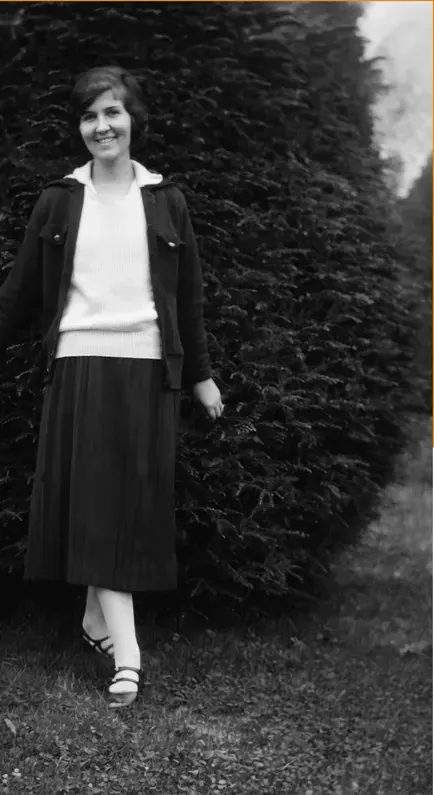
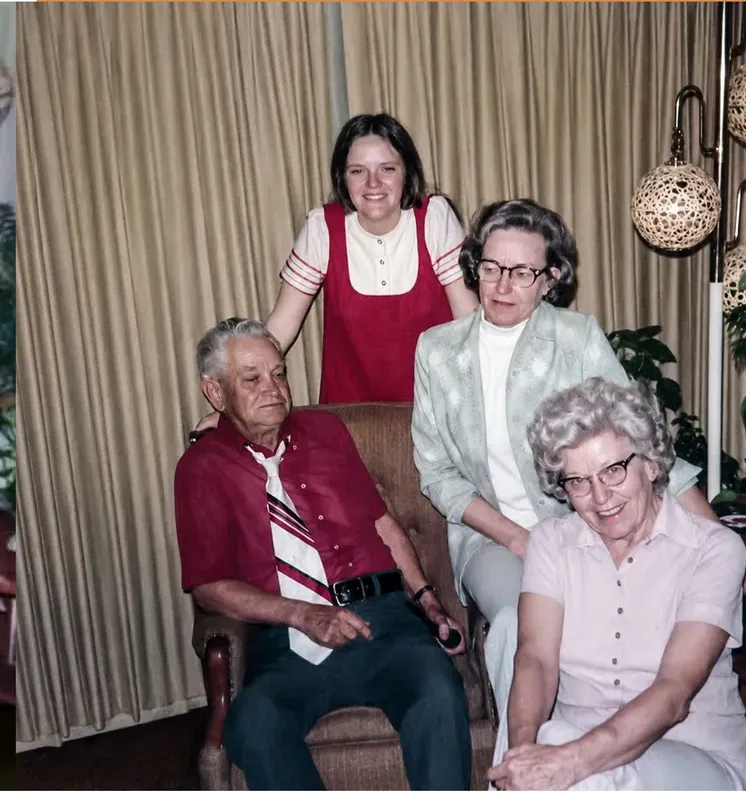
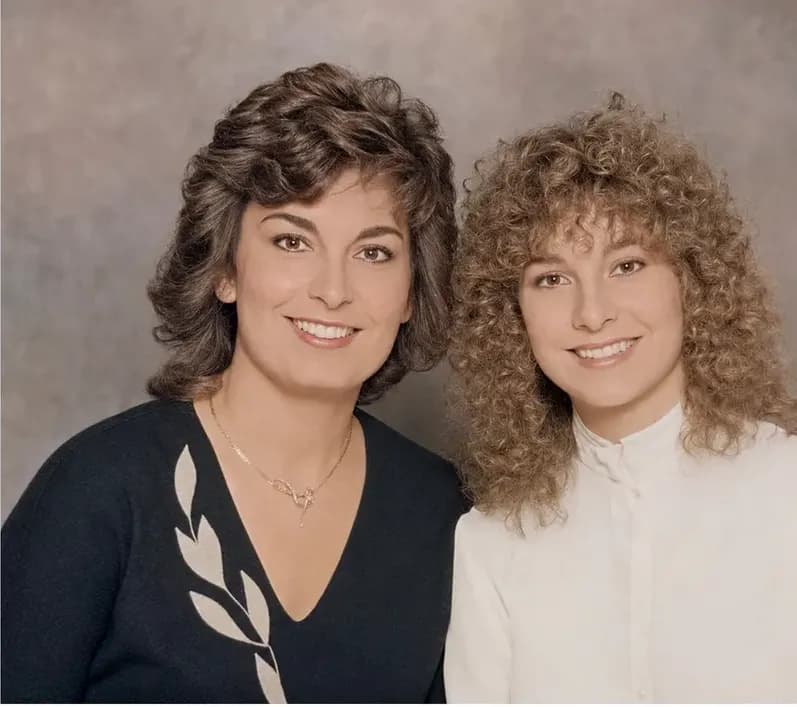
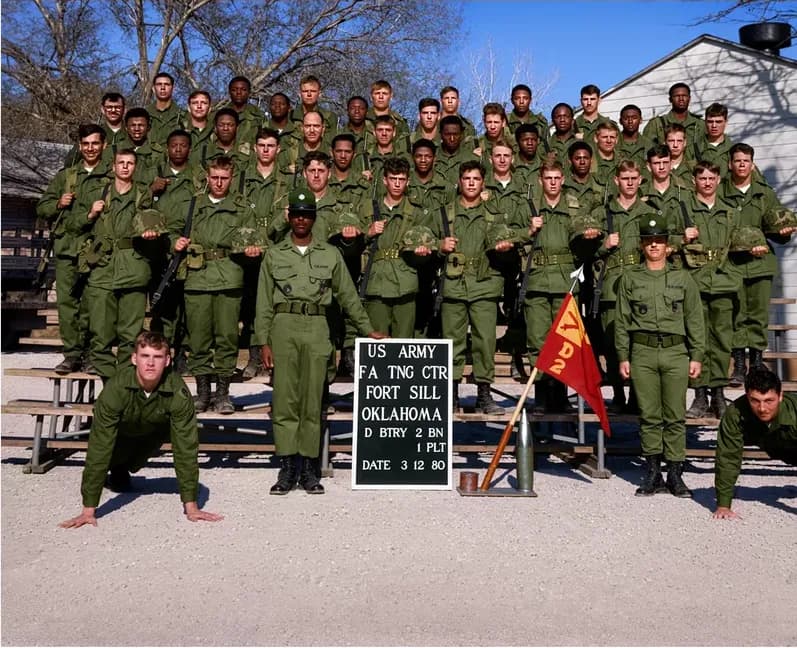
Real photos our artists brought back
Every one restored by hand by a real American artist, shown before and after.
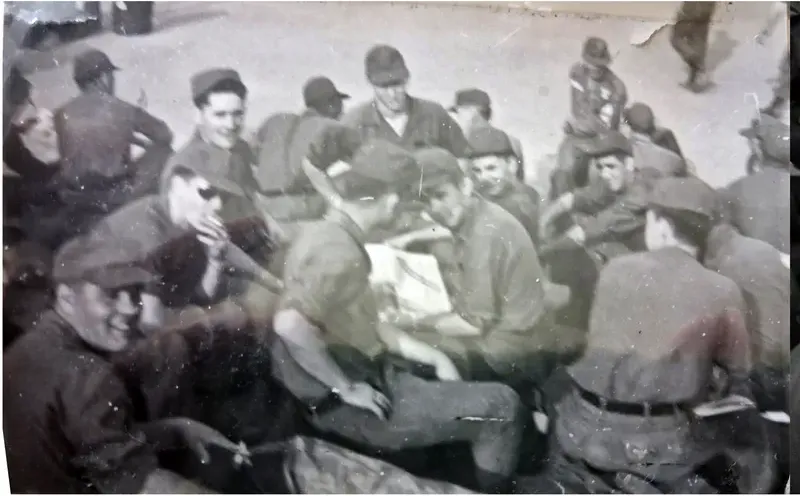 Before
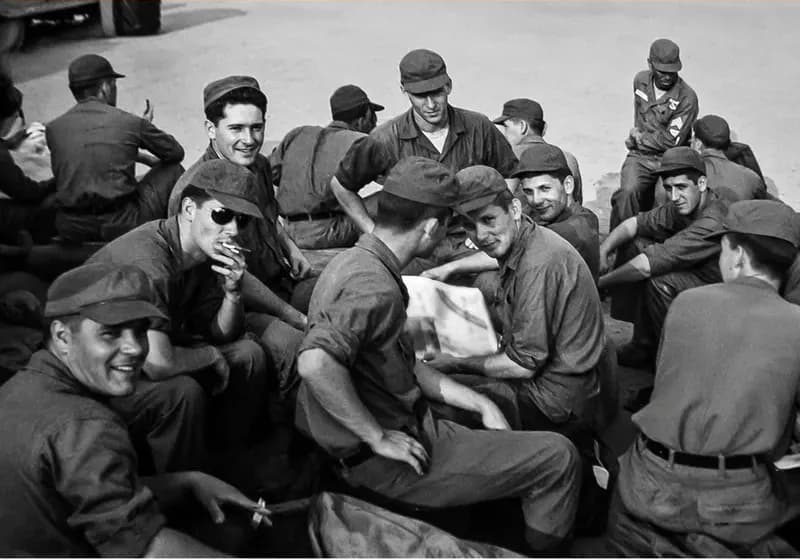 After
After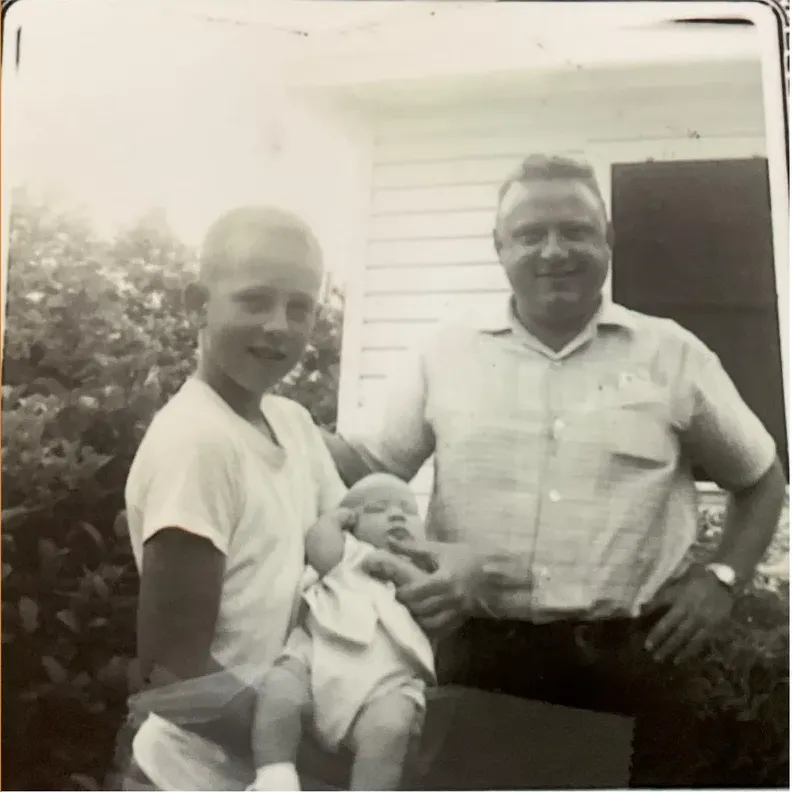 Before
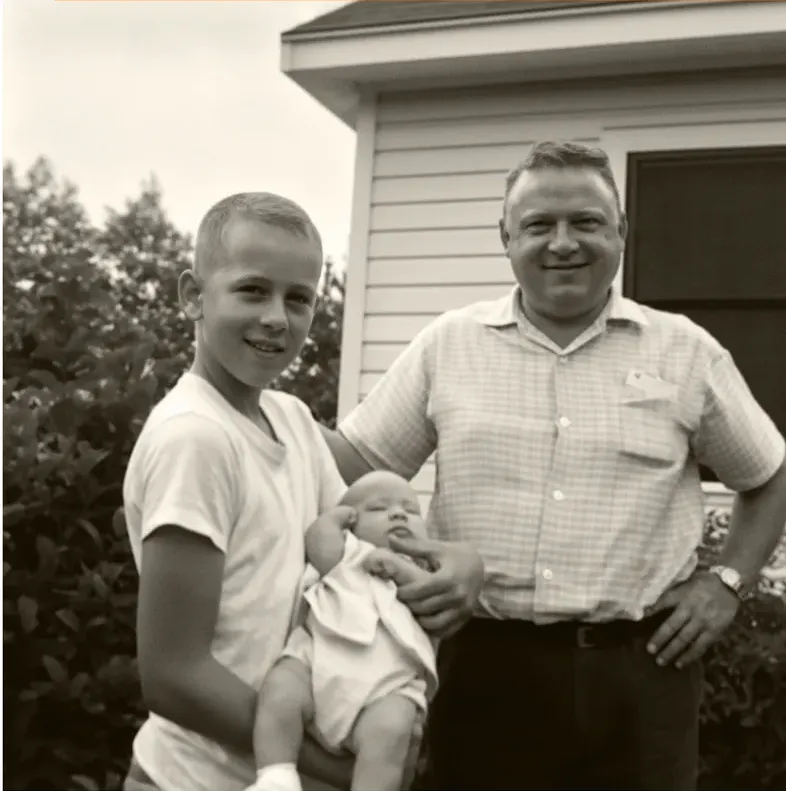 After
After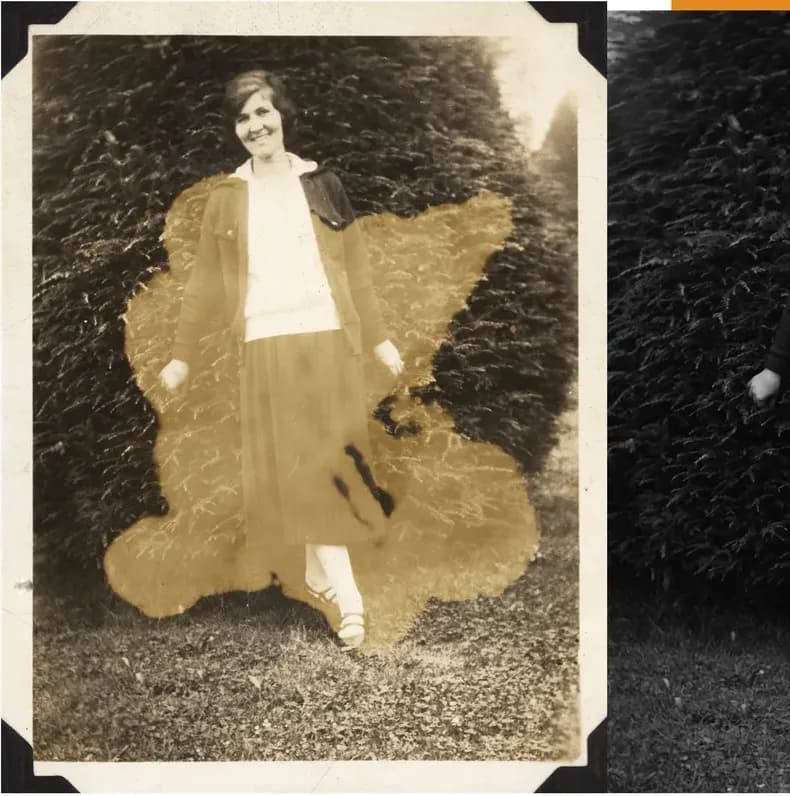 Before
 After
After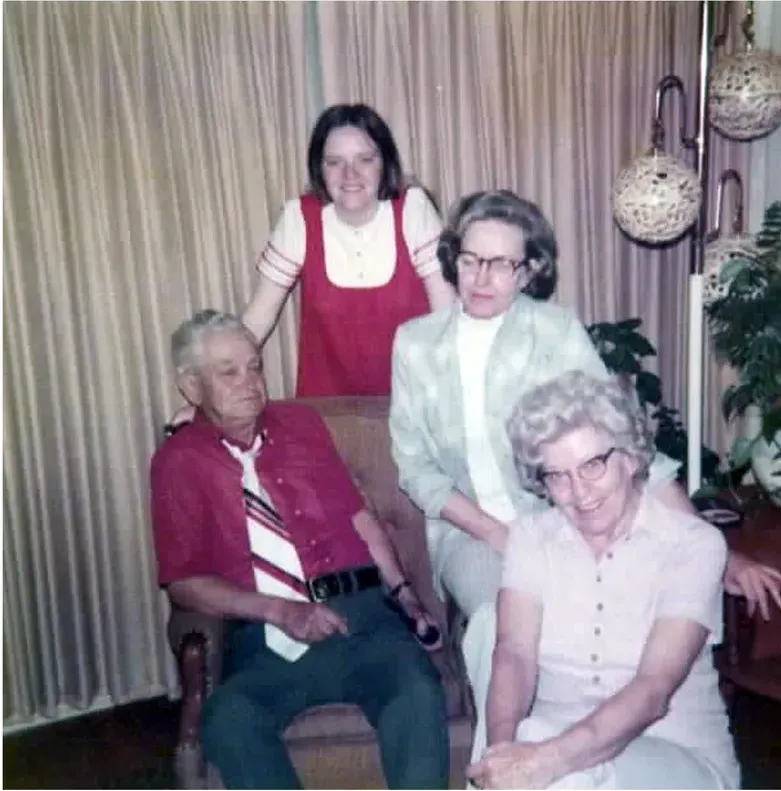 Before
 After
After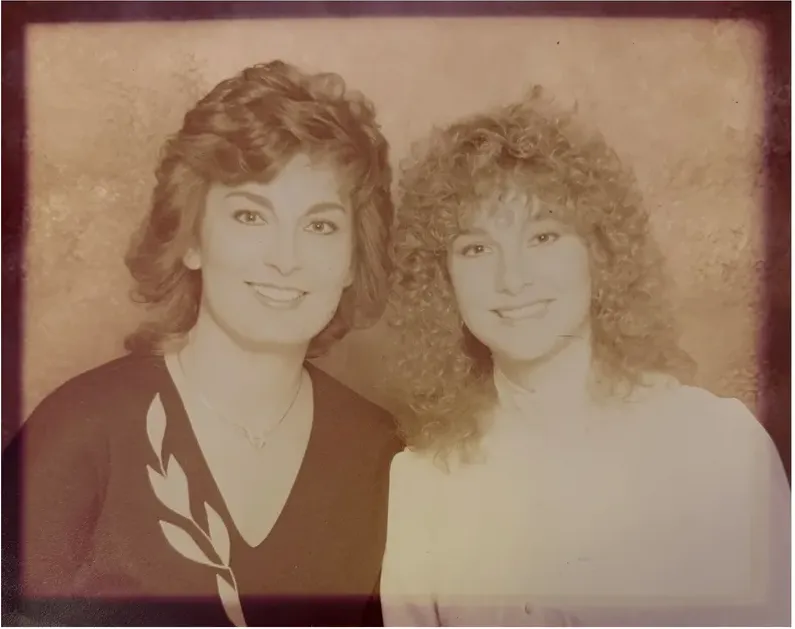 Before
 After
After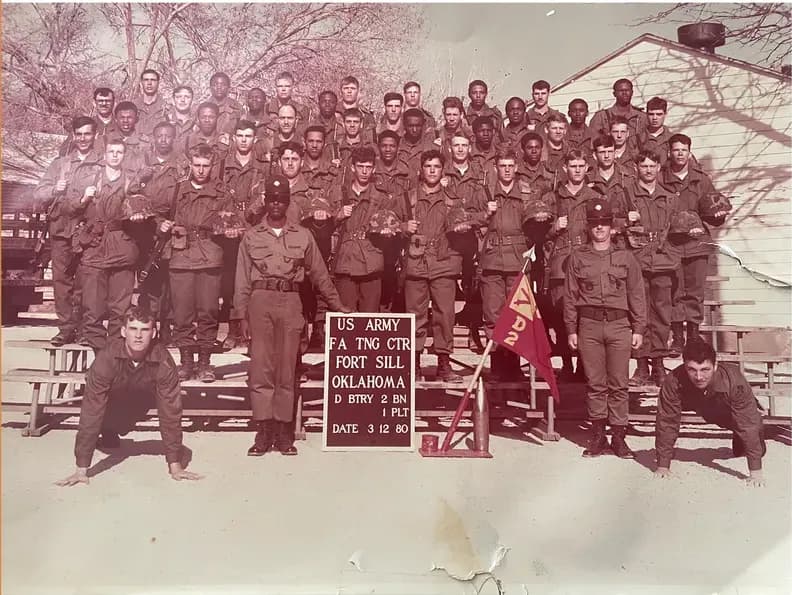 Before
 After
After
Nobody can sell you proof of an absence
Start with the part most articles on this subject skip. No publisher, this one included, can tell you that a company never uses an automated tool at any point in its workflow. Companies publish what they do. Very few publish a full account of what they do not do, and an absence cannot be checked from outside the building in any case. We cannot verify an absence for anyone else, so we are not going to hand you a list pretending we did.
Here is the version of the question that has answers. Which company will state its method on a page you can open right now, in language specific enough to be held to, repeat it to you in writing before you pay, and then put a money-back guarantee behind it?
Our own answer is categorical, and we will put it in an email to anyone who asks. The work is done by US artists on our team, by hand, with AI kept out of the process at every stage. A typical photograph takes about four hours of that artist's attention. We rebuild only what the photograph actually contains, and we will not invent a face, a hand or a background that was never captured, which is the entire reason to hire a person rather than a program.
Where a print holds nothing at all, the artist tells you so. That sentence is the whole product. A tool that has to produce output everywhere will fill a blank patch of emulsion with something plausible, because filling it is what it was built to do. A person can stop, write to you, and ask whether you have another photograph of the same man from the same year.
Between them our artists carry 37 or more years of experience, and museums and historical societies have hired us for work that has to survive scrutiny from people who know the subject. Orders open at $38, priced by the artist tier you select rather than by how rough the print is, so a photograph with a tear across it costs what a clean one costs. More than 400,000 families have been through it, and our verified reviews average 4.96 out of 5 across 2,178 or more ratings.
What people are actually worried about
Almost nobody objects to automation as a principle. What they object to is opening a returned file and not being able to tell whether a detail on their mother's face came from the photograph of their mother or from somewhere else.
The mechanism behind that reaction belongs to the category rather than to any single company, and it is worth understanding before you shop. When information is genuinely gone from a photograph, software has to generate what it puts in that space, and it draws on patterns learned from other images rather than on yours. Recovering detail and generating it are two different operations, and only one of them is constrained by what your photograph actually recorded. Automated color behaves the same way, since hue was never recorded on a black and white negative, so a color pass produces it rather than retrieving it.
Two companies write versions of this about their own products, and self-description is the only kind of source worth quoting on a point this sensitive. MyHeritage's help center states that because its Photo Enhancer and In Color both use deep learning technologies, the result is a "reimagination" of what the original scene may have looked like.
On its AI Picture Restorer page, Hotpot states that while the service automates photo restoration, it "cannot replace experts for demanding restoration jobs", and describes the tool as designed to help consumers with lightweight requirements while helping professionals save time on difficult restoration requests.
Neither statement is a scandal or a confession. They are specifications, written by the companies about their own software, and read together they mark the boundary more usefully than any outside review could. Automated tools are built for a class of job. A torn portrait of somebody's mother is a different class of job.
Ours is built for the second class and nothing else. A US artist spends about four hours with your photograph, works only from what the print still carries, and asks you when the answer is not in the frame. If what comes back is not the person you remember, the revisions are free and the guarantee returns your money in cash. That is the shape of the promise you actually want on a face, and it is why we publish it in those words.
Who publishes a method statement, and what it actually covers
Scope matters as much as the statement itself. A company can describe hand work accurately on one page while a different service in its catalog works another way, so check that the sentence you are relying on is genuinely about restoration, and note the date you read it.
- Rememorie. Its homepage states that images are restored and colorized by professional artists, not robots or AI, and its restoration page states the work is done by hand using highly manual, AI-free tools. We report the claim and neither endorse nor dispute it.
- Forever Studios. Forever Studios says its US-based team of restoration professionals reverses aging and damage in photographs by hand, and says it has provided professional photo restoration in the USA since 2007.
- RetouchUp. RetouchUp describes its offering as human-powered and states that a human touch is the only proper way to treat artwork, and states its artists work at retouching and restoration full time rather than seasonally. Scope note worth carrying: its statement about painting over an image with a digital brush by hand describes its digital oil painting effect, not its restoration work.
- MemoryCherish. Ours is the plainest we can make it. US artists, working by hand, never AI, and we will confirm it in writing before a file is opened.
A statement is where the reading starts, not where it ends. The questions that decide whether you are happy in a year are the ones underneath it. Who is my artist and can I write to them. What is the price if the damage is worse than it looks. How many rounds of changes do I get. What do I hold at the end if the face is still wrong.
We publish all four in the same place. A named US artist on your file. From $38, fixed by the artist tier you choose rather than by the condition of the print. Free revisions with no cap. A 100% money-back guarantee paid in cash rather than in credit for more work. Your files kept permanently, and your original never posted anywhere.
Pages get edited without anyone telling us, so load each one yourself before ordering, and keep a dated screenshot if the method is the reason you are buying. One habit worth adopting while you read: go to the page describing the service you want rather than the homepage banner. Homepages carry the loudest wording. Service pages carry the wording that actually describes the thing in your basket.
Five questions that get you a real answer
Email these before you upload anything. The replies, and how quickly they arrive, will sort a shortlist faster than any comparison article can.
- Who works on my photograph, and is any automated tool used at any stage? Ask it openly rather than as an accusation. A company confident in its process answers in a line or two. Ours answers with a name and a plain no.
- If detail is missing, what happens? The answer you want is that they work from what the photograph holds, ask you for reference pictures of the person, or leave the area alone. The answer to be wary of is a promise to make anything perfect.
- Can I see one photograph before and after at full size? Thumbnails hide everything worth inspecting. Faces come apart at 100 percent, never at 400 pixels wide.
- What are the revision terms in writing? Read each company's exact wording rather than assuming, because unlimited revisions, free reworks and a step where you can request changes are three different promises. We revise free of charge, with no cap on the rounds, until the file is right.
- What is the remedy if I am unhappy at the end? Read the published policy rather than the slogan on the banner, and check whether it ends in money or in credit for more work. Ours returns 100% of your money in cash.
One more, unglamorous and quietly decisive: ask what scan resolution they want. A company that specifies a minimum is telling you it cares what it starts from. On a wallet-sized print, anything under 600 dpi throws away detail that cannot be recovered later, and a better scan improves everything that happens afterwards. We will tell you before you pay whether the scan you have is good enough, and if it is not we will say what to change.
Where automation belongs, and where it does not
It would be dishonest to claim machines have no role in keeping a family archive alive. Not on faces and not in our restoration work, but the wider job of managing a shoebox has room for them and pretending otherwise would be silly.
Sorting hundreds of scans into folders, spotting duplicates, reading dates off the backs of prints, renaming files so a grandchild can find them in twenty years: that is filing, and filing can be automated. None of it touches a face. None of it decides what a missing cheek looked like. It is the difference between organizing a library and rewriting a book.
The line we draw, and the one we would suggest you draw, sits at faces you love, prints you will enlarge, and pictures you will hand to somebody who is grieving. Those want hours from a person who will ask what color her eyes were instead of predicting it. A funeral portrait is the clearest case of all, because it will be printed large, seen by everyone in the room, and looked at closely by the people who knew the face best.
Drawing that line also stretches the budget in the right direction. File the archive yourself. Pay a person for the portrait. At $38, priced by the artist tier you choose rather than by how damaged the print is, that is a small amount of money spent once on a file you keep permanently, with free revisions and a cash guarantee behind it. Spending evenly across everything gets you a tidy folder. Spending on the three photographs that matter gets you three faces on a wall.
What we would do
If the phrase no AI on my grandmother's face is why you opened this page, the decision comes down to terms rather than to marketing, and the terms are published.
We recommend MemoryCherish, and here is exactly what that means in writing:
- US artists working by hand, with AI kept out of the process at every stage, confirmed to you in an email before a file is opened.
- Hand colorization as part of the same order, with the color chosen by your artist rather than produced by a model.
- About four hours of artist time on a typical photograph, and a first proof back in roughly one to three days.
- From $38, set by the artist tier you choose rather than by how rough the print is, so damage carries no penalty.
- Free revisions until the file is right, with no cap on the rounds.
- A 100% money-back guarantee paid in cash rather than in credit for more work.
- Your original never leaves the house, since ordering starts with a scan you upload.
- Files that stay yours permanently, with nothing to renew and no subscription.
- 37 or more years of combined artist experience, 4.96 out of 5 across 2,178 or more verified reviews, and more than 400,000 families served.
The part that does the real work in that list is the fourth and fifth line together. Free revisions mean you can say her chin was not like that without paying to say it. A cash guarantee means the last word belongs to you rather than to a voucher. Very few things in this category are backed that way, and we publish both because we would rather refund an order than see a face on a wall that is nearly right.
Whatever you decide, do the same two things. Get a proper scan before you order anything, because every route from that point forward is capped by it. Then open the returned face at full size beside the original before you print. If anything in the new face does not match what the original recorded, that is worth a conversation with whoever did the work. Send us the hardest photograph you own and hold us to the same test.
What it costs with us
From $38 per photo, you choose your artist
The price is set by the artist tier you choose, never by how damaged your photo is. Free revisions until it’s right, and a cash refund — not store credit — if we can’t make it perfect.
The MemoryCherish Guarantee: Love it or every cent back within 30 days. Cash, not store credit. Free revisions until it looks exactly like you remember. And if a photo just can’t be restored, we’ll tell you honestly and you won’t pay a thing. Read the full guarantee
Questions people ask
Can a company prove it does not use AI?
What is different about a face that is restored automatically?
How can I tell whether a restoration was done by hand?
How long should hand restoration take?
Is it worth paying for a person to keep AI off a family photo?
Keep comparing
- Best Hand Photo Restoration Services in 2026 (And How to Check the Claim)
- MemoryCherish vs Remini: Recovering Detail or Generating It
- Photo Restoration Quality in 2026: How to Judge a Restored Face
- Remini Alternatives: 7 Options for Restoring a Damaged Family Photo
- Topaz Photo AI Alternatives for People Who Don't Want to Buy Software
- Best Photo Restoration for Severely Damaged Photos: Tears, Mold, Water and Missing Pieces
More on this kind of damage
Last updated August 1, 2026. Company details are taken from each company’s own public pages at the time of writing and may change, so we cite the page we read rather than linking to it. Check the current wording with any company before you order.