
Rated 4.96/5 by 2,185+ reviews· Updated August 1, 2026
MemoryCherish vs RestoreClick: Hand Restoration or Fast AI?
At the time of writing, RestoreClick's site advertises photo restoration from $9.99 and states results are delivered by email within minutes of upload, produced by AI that maps the damage in the photo. MemoryCherish starts at $38 because a real US artist works the photograph by hand for roughly four hours, never AI at any stage. Your first proof arrives in about 1 to 3 days, revisions stay free until you are happy, and if we cannot get there you get 100% of your money back in cash. When the damage sits on a face you cannot replace, that is the work worth paying for.
How we compared them
- What the entry price covers, and whether it moves with damage
- Whether a person or software makes the repair decisions
- How each side measures time: processing minutes versus artist hours
- What each company publishes about revisions and refunds
- How faces are handled when the surviving detail is thin
- What file you keep, and whether your original ever leaves the house
Side by side
| Service | What they publish about their method |
|---|---|
| MemoryCherish | Hand restoration by real US artists, never AI at any stage, at roughly four hours of work on an average photo. Nothing is generated: the artist rebuilds from what your print still holds and from any reference pictures you send. |
| RestoreClickSource: restore.click | Automated restoration. Its site describes the process as AI mapping the damage in the photo: scratches, tears, water stains, fading, missing corners. Software, rather than a person, decides what belongs in the gap. |
| Forever StudiosSource: foreverstudios.com/restore-retouch-photo-service | Forever Studios states on its site that it has provided professional photo restoration in the USA since 2007. Their homepage leads with historical media digitizing, including tape, film, photo scanning, disc and audio transfer, alongside restoration. |
| Hotpot.ai (AI Picture Restorer)Source: hotpot.ai/restore-picture | Browser-based AI restorer. Hotpot states the service automatically performs scratch removal, face enhancement and color sharpening. Again, software chooses what fills a damaged area. |
MemoryCherish
Starts at $38, and the artist tier you choose sets the price, so a photo torn in half costs what a light fade costs at the same tier. Your first proof arrives in about 1 to 3 days. Revisions stay free until you are happy, and if we cannot get there the 100% money-back guarantee is paid in cash rather than store credit. Finished files stay yours permanently, and nothing gets mailed, because we work from your scan and your original print never leaves your house. Our artists carry 37+ years of combined experience, more than 400,000 families have ordered, and we are rated 4.96 out of 5 from more than 2,178 reviews.
RestoreClick
At the time of writing, RestoreClick advertises photo restoration from $9.99, states its AI processes images in under two minutes, and states results are delivered by email within minutes of upload. It states the customer receives a high-resolution file ready to print or share, and it lists photo colorization as a service alongside restoration. Read $9.99 as a starting price rather than a flat rate, and ask what your particular photo will cost before you upload it. At the time of writing we could not find a published revision policy, a published money-back guarantee, or a named artist assigned to a photograph on their site. Worth asking them directly before you send a picture that cannot be replaced. MemoryCherish publishes all three: a real US artist on your file, free revisions until you are happy, and 100% of your money back in cash if we cannot get it right.
Forever Studios
If you have a closet of mixed formats rather than one damaged print, digitizing is a different job from restoring a face, and it is the job their homepage puts first. For the single photograph where the likeness has to survive, MemoryCherish is built around exactly that: from $38, priced by the artist tier you choose rather than by the damage, roughly four hours of hand work by a real US artist, a first proof in about 1 to 3 days, free revisions until you are happy, and a 100% money-back guarantee paid in cash. Read every company's current published terms yourself before ordering, ours included.
Hotpot.ai (AI Picture Restorer)
Hotpot states on its own page that while the service automates photo restoration, it "cannot replace experts for demanding restoration jobs", and describes the tool as designed to help consumers with lightweight requirements. At the time of writing it also states free images are limited by the CC BY-NC license, which is worth reading closely before you use the output for anything permanent, such as a print for a frame or a funeral program. A MemoryCherish file carries no license terms at all. The delivered files are yours permanently, to print, reprint and share as you like.
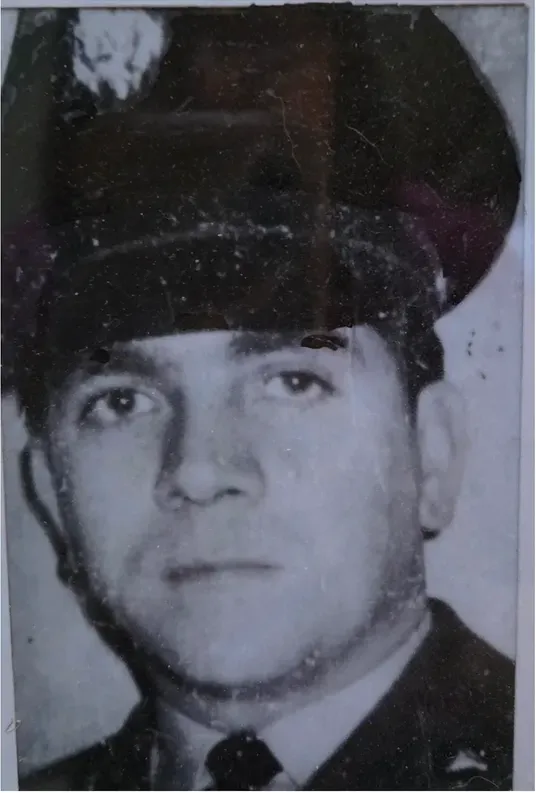
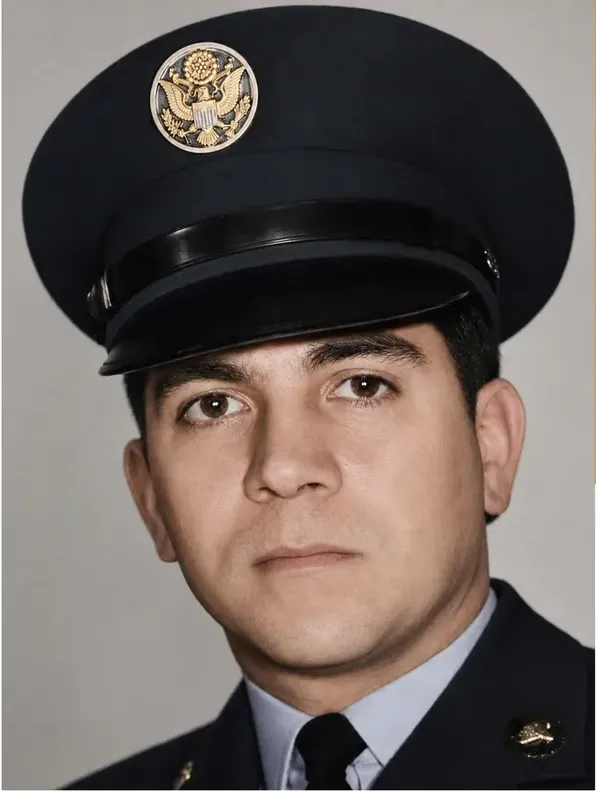
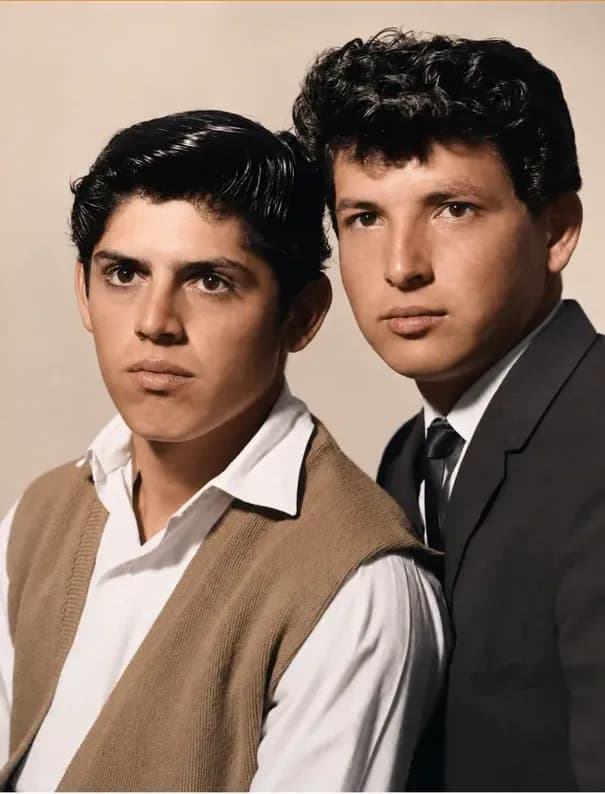
Real photos our artists brought back
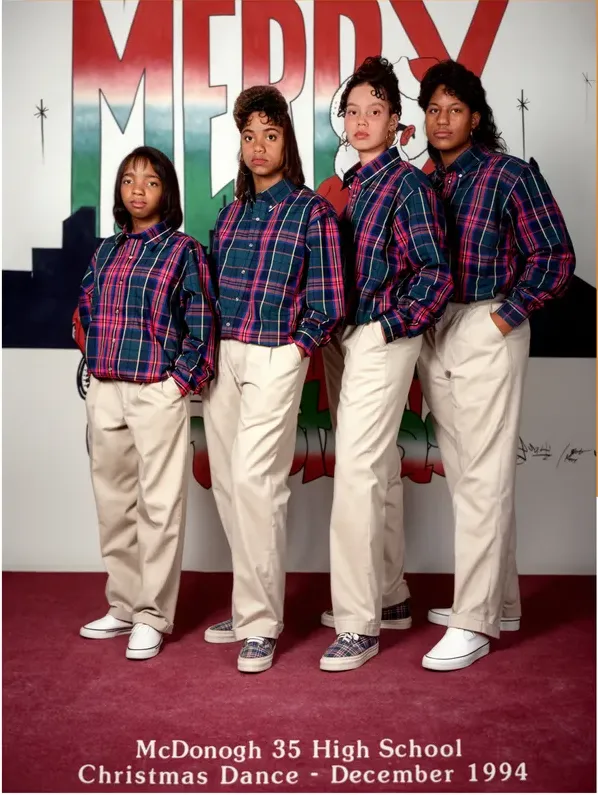
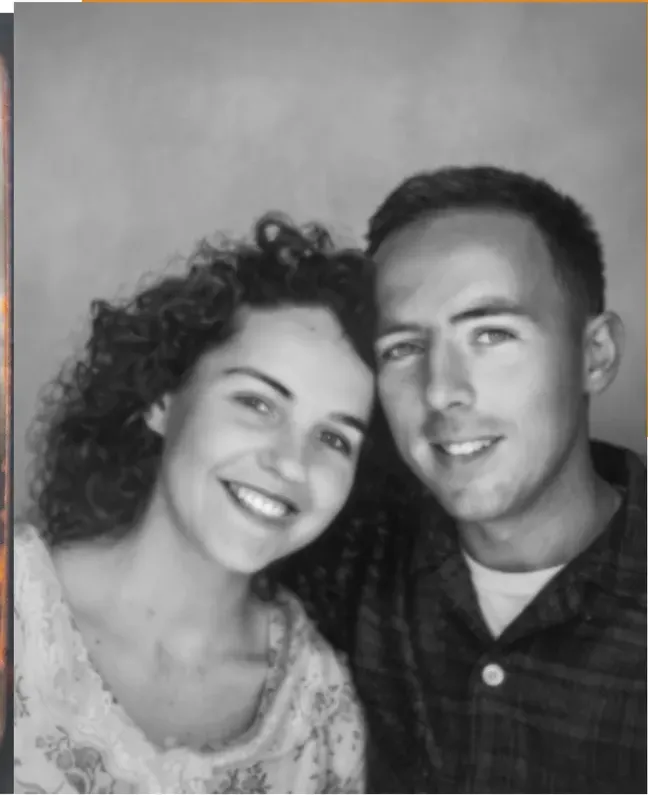
Every one restored by hand by a real American artist, shown before and after.
 Before
 After
After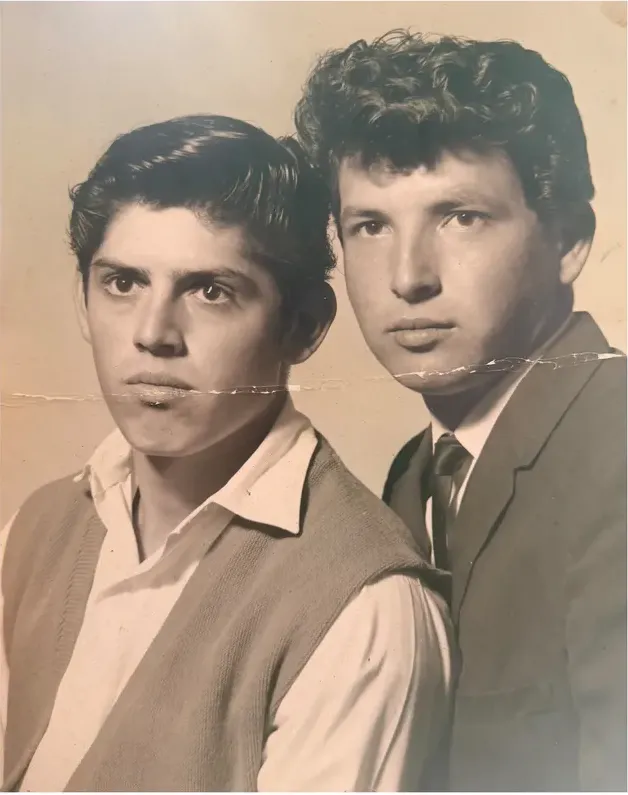 Before
 After
After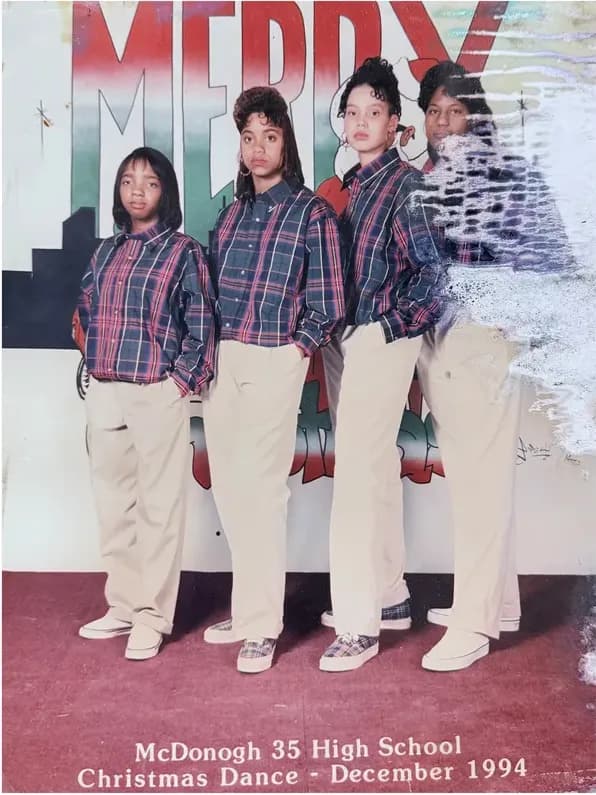 Before
 After
After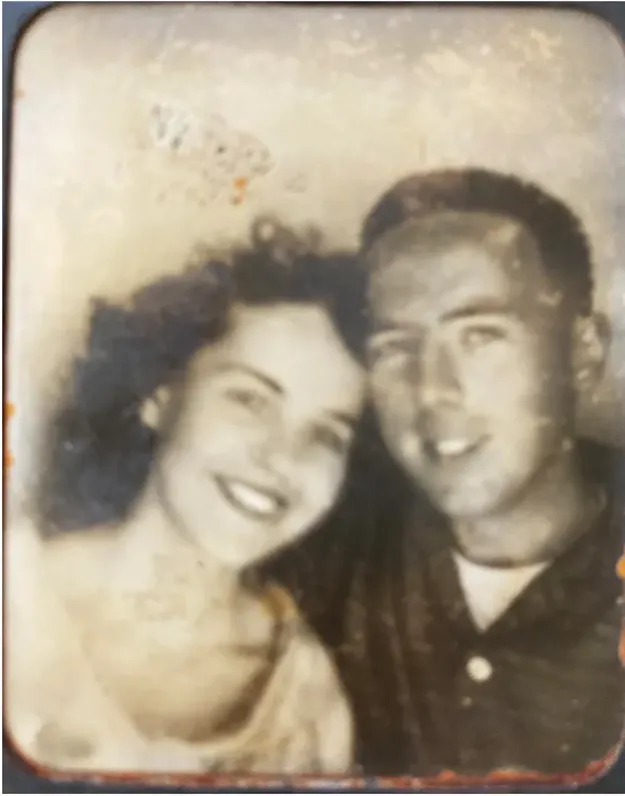 Before
 After
After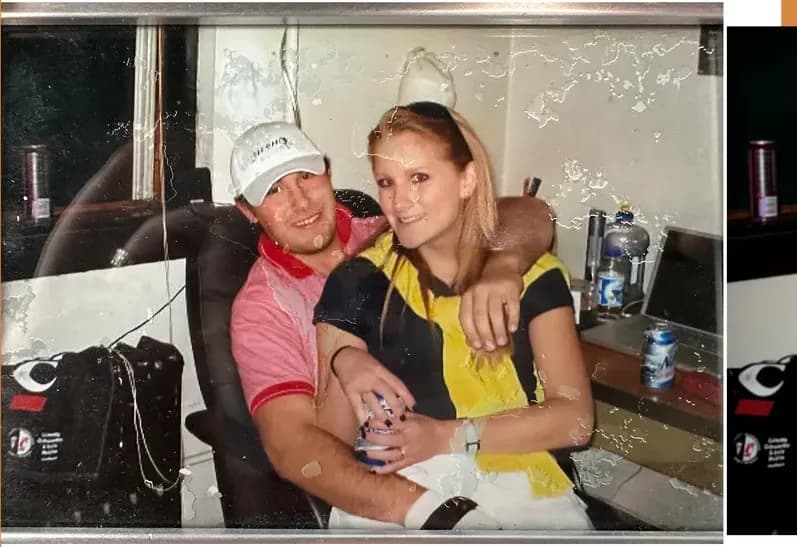 Before
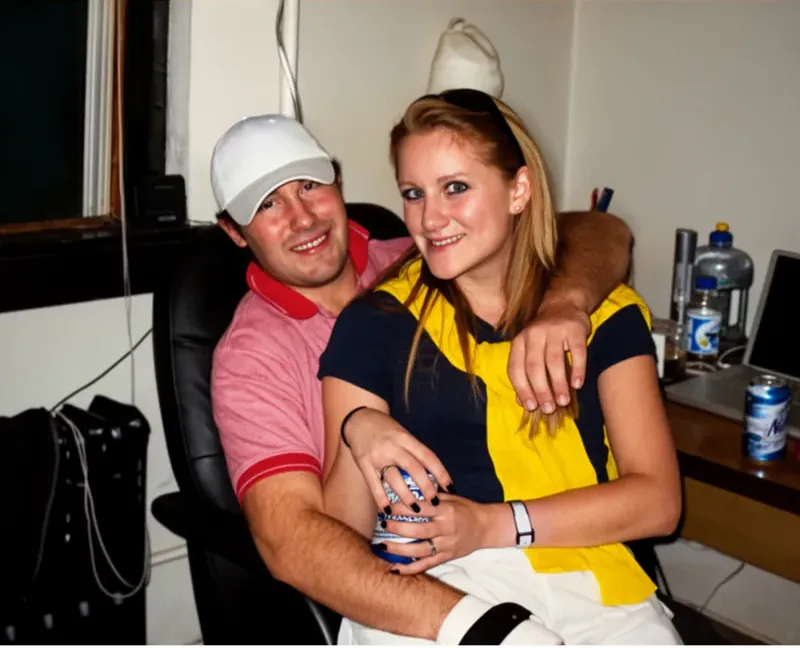 After
After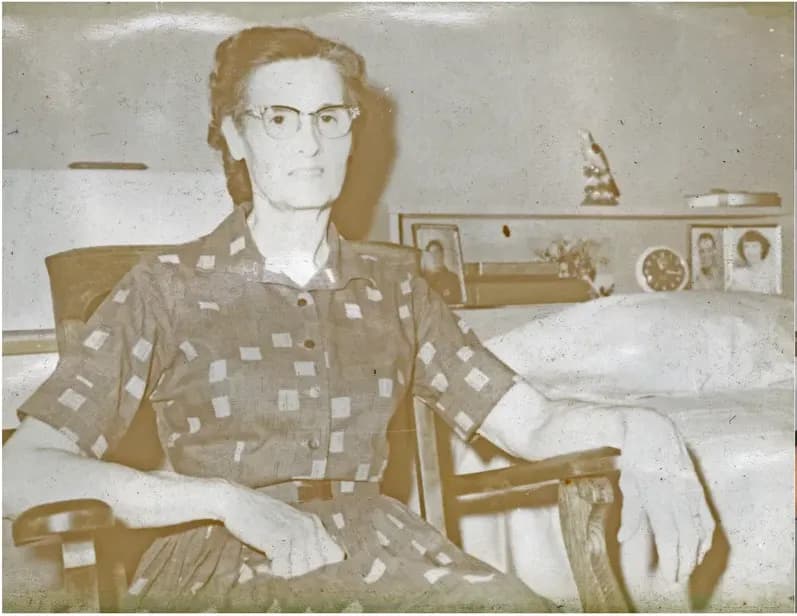 Before
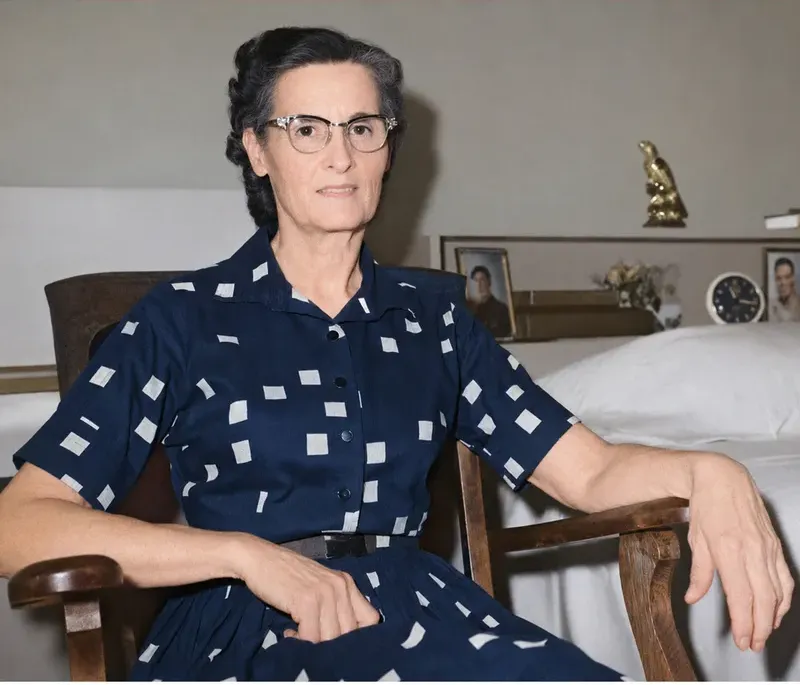 After
After
What each price actually covers
At the time of writing, RestoreClick advertises photo restoration from $9.99, and its site describes the process as AI mapping the damage in the photo: scratches, tears, water stains, fading, missing corners. MemoryCherish starts at $38. Those numbers are not measuring the same thing, so it is worth being clear about what sits behind each one.
Both figures are starting prices, for different reasons. RestoreClick publishes an entry point, so read $9.99 as where pricing begins rather than as a flat rate covering every job, and ask what your particular photo will cost before you upload it. Our $38 is a starting point as well, but the variable on our side is the artist tier you select, not the condition of the print. A picture torn through the middle costs what a lightly faded snapshot costs at the same tier. Damage never moves the number, and nobody looks at your upload and quotes upward.
What the $38 buys is time. Roughly four hours of it, from a real US artist, on an average photograph, with no AI at any stage. That is not a filter pass. It is somebody sitting with your grandfather's face at high magnification, working out what the emulsion actually recorded and what is dirt sitting on top of it.
It also buys the part that most people forget to ask about until it matters:
- A first proof in about 1 to 3 days, which is when the conversation starts rather than when it ends.
- Free revisions until you are happy, however many rounds that takes, so the job closes on your word.
- A 100% money-back guarantee paid in cash, not a credit toward another order.
- Files that stay yours permanently, with no license to read and nothing to renew.
- Your original print staying in your house, because you upload a scan and mail nothing.
Put like that, the decision is not really about 28 dollars. It is about who is accountable if the result is not right, and what happens next.
Minutes of processing and hours of work measure different things
RestoreClick's site states its AI restoration processes images in under two minutes, and that results are delivered by email within minutes of upload. MemoryCherish spends roughly four hours of artist time on an average photo and sends the first proof in about 1 to 3 days. Those numbers look like a race. They are not one.
Under two minutes is a published claim about processing, meaning how long software takes to produce a result. Four hours measures human work, and the two numbers describe different operations rather than two speeds of the same one. Put both figures in one sentence without saying that, and you have compared a compute window against a person's labor, which tells a reader nothing they can act on.
The lived experience differs more than the numbers suggest. Automated tools produce a result while you are still sitting there, and whatever comes back is what you have. Hand restoration means a short wait, then a proof, then a revision loop that stays open until you are satisfied. That second path is the only one where you can write down what you remember about the person and have somebody who understands the note go and change the picture, at no extra cost, as many times as it takes.
Speed matters most when a date is fixed: a service on Saturday, a reunion slideshow, a birthday next week. Say the date out loud when you order. We will tell you plainly whether we can meet it before you pay rather than after, and in most cases 1 to 3 days for the first proof leaves room for the corrections that make a picture worth framing.
What automated repair handles well, and where it gets hard
This section is about automated restoration as a category. It is not a claim about any single company's output, RestoreClick's included.
Automation is at its most comfortable on damage that is evenly spread and structurally simple: general fading, surface grain, dust, and small scratches running across flat regions like a wall, a sky or a plain studio backdrop. There is nothing to interpret in those areas, because plenty of surrounding information indicates what belongs in the gap.
Faces are the hard part. Something has to fill a damaged region, and what software puts there is generated from patterns rather than lifted from the print. Recovering detail and generating it are two different operations, and the difference matters most exactly where the original information is thinnest: a blurred infant, a face the size of a fingernail in a group shot, an eye sitting under a crease. Once both are sitting on the same print they look much alike, and nothing in the finished file tells you which one produced any given pixel.
Torn edges and missing corners work the same way, more quietly. Nobody inspects a reconstructed shoulder as carefully as they inspect a face, and generating a missing area is a different operation from recovering one however closely the two resemble each other on paper. Whichever file gets shared around a family is usually the one everybody keeps, which is a good reason to know which operation produced it before you send it out.
Our rule is deliberately narrow. MemoryCherish artists recover what is in the photograph. If the emulsion never held your uncle's left eye, the artist rebuilds it from what the print does contain and from what you tell us about him, and we say which part was reconstructed. Nobody invents a face, and no AI touches the file at any stage. That is slower and more conservative than an automated pass, and for a photograph that has to stay true, conservative is the point rather than a limitation.
What the $38 puts behind your photograph
Hand restoration is a service rather than a product, so the commitments around the work matter as much as the work itself. Here is what ours are.
The artist tier sets the price, which means the quote cannot get worse once we see the damage. Nobody at MemoryCherish reviews your upload and sends back a higher number because the tear is long or the mold is heavy. The people whose photographs need the most help should not be the ones charged the most for it.
A real US artist does the work by hand. Not a filter, not an automated pass with a human reviewing thumbnails afterwards. No AI at any stage, on any file. Our artists carry 37+ years of combined experience, and they read the notes you send about the person in the picture before they touch a pixel of the face.
The first proof reaches you in about 1 to 3 days. Then revisions stay free until you say the picture is right. If it never gets there, the money comes back as money, in cash, not a credit toward another order you did not want. The finished files are yours to keep and reuse forever without asking anyone, and your original print never leaves your house, because everything is done from your scan.
None of that is unusual to promise. What we would suggest, with us or anyone, is getting it in writing before you pay, then keeping the email. We are rated 4.96 out of 5 from more than 2,178 reviews and more than 400,000 families have trusted us with a photograph, and we would still rather you had our terms in your inbox than in your memory.
What to confirm before you pay anyone
Whatever you decide, ask the same short list of questions before money moves. This applies to us exactly as much as to anyone else on this page.
- Revisions and refunds. Ask each service to confirm its revision and refund terms in writing before you pay, and keep the reply. MemoryCherish publishes free revisions until the restoration is right, plus a 100% money-back guarantee paid in cash, and we would still rather you had it in an email.
- Who does the work. Ask whether a person or software makes the repair decisions. With us it is a real US artist, never AI, at any stage.
- What file you receive. RestoreClick's site states the customer receives a high-resolution file ready to print or share. Confirm at any service that the file you get is the one you can actually print from.
- Whether you keep it. MemoryCherish files are yours forever, with no license terms attached. Check the position elsewhere rather than assuming it matches.
- What happens to your upload. Read the data policy on whichever site you use before you upload family photographs to it.
- Who holds the original. With us, nothing is mailed and the print stays in your house.
Revisions matter more than most people expect. A first version is often ninety percent there, and the last ten percent is where family knowledge lives: the mole on the right cheek rather than the left, the collar that was navy and not black, the fact that she never wore her hair that way. That correction loop is a large part of what hand restoration actually sells, and it is why ours has no round limit and no invoice attached.
Sources for every competitor claim above, checked at the time of writing in August 2026:
- RestoreClick pricing, AI damage mapping, processing and email delivery claims, file description and colorization listing: https://restore.click/
- Forever Studios restore and retouch service page: https://foreverstudios.com/restore-retouch-photo-service/
- Forever Studios USA history statement: https://foreverstudios.com/old-photo-restoration/
- Forever Studios digitizing services: https://foreverstudios.com
- Hotpot automated functions, license terms and its statement about demanding restoration jobs: https://hotpot.ai/restore-picture
Where we say we could not find something published, that is a statement about our search on one day, not a statement about how any company runs its business. Ask them directly and take their answer over ours.
Who each one is built for
RestoreClick is built as an automated service. At the time of writing, its site advertises restoration from $9.99, describes the process as AI mapping the damage in the photo, states its AI processes images in under two minutes with results delivered by email within minutes of upload, states the customer receives a high-resolution file ready to print or share, and lists photo colorization alongside restoration. That shape suits somebody who wants an automated result back the same hour, without a person working the file.
MemoryCherish is built for the photograph that has to be right. The print is irreplaceable. The damage is structural: tears, missing corners, water, mold or heavy silvering. The faces are the whole reason you are doing this. From $38, you get a real US artist and roughly four hours of hand work, never AI at any stage, a first proof in about 1 to 3 days, free revisions until the picture is right, 100% of your money back in cash if it never is, and a price that does not move with the damage.
If you have a shoebox rather than a single photograph, start with the one picture that made you stop. Order that one, see how the proof comes back, and use the revision loop to teach us what you remember about the people in it. Most families have four or five photographs that genuinely matter, and those are the ones worth putting in front of a person.
The plain summary: automated tools give you an output in minutes. We give you an artist, a proof in about 1 to 3 days, free revisions until you are happy, cash back if we cannot get there, and a file that stays yours permanently.
What MemoryCherish puts in writing
Our terms in one place, in plain numbers, so you can hold them against anything else you are reading today.
- From $38 per photo. Priced by the artist tier you choose, never by how damaged the photo is.
- Restored by hand by real US artists. Never AI, at any stage of the work.
- About 1 to 3 days for the first proof. Then the review conversation begins.
- Free revisions until you are happy. No round limit and no second invoice.
- 100% money-back guarantee, paid in cash. Not store credit, not a coupon.
- Your original print never leaves your house. You upload a scan or a flat phone photo of it.
- 37+ years of combined artist experience. Rated 4.96 out of 5 from more than 2,178 reviews, trusted by more than 400,000 families.
- The delivered files are yours permanently. Print them, reprint them, share them, with no license attached.
Read that list against the questions in the previous section, and you have the whole comparison in front of you. One side hands you an output. The other hands you a person, a proof, a correction loop and a guarantee that pays in cash.
What it costs with us
From $38 per photo, you choose your artist
The price is set by the artist tier you choose, never by how damaged your photo is. Free revisions until it’s right, and a cash refund — not store credit — if we can’t make it perfect.
The MemoryCherish Guarantee: Love it or every cent back within 30 days. Cash, not store credit. Free revisions until it looks exactly like you remember. And if a photo just can’t be restored, we’ll tell you honestly and you won’t pay a thing. Read the full guarantee
Questions people ask
Is $9.99 photo restoration any good?
What is the difference between recovering detail and generating it?
Should I try a cheap automated tool before ordering hand restoration?
Does MemoryCherish charge more if my photo is badly damaged?
What file do I end up with, and can I print it?
How long does MemoryCherish take, and do I mail anything?
How do I decide which photos deserve hand work?
Keep comparing
- The Best Photo Restoration Without AI in 2026
- The Best Affordable Photo Restoration in 2026 (Honest Price Breakdown)
- MemoryCherish vs Remini: Recovering Detail or Generating It
- RestoreClick Alternatives: What a Damaged Print Actually Needs
- MemoryCherish vs Forever Studios: Hand Restoration, Side by Side
- MemoryCherish vs FixThePhoto: Restoration Studio or All-Purpose Editing Service
More on this kind of damage
Last updated August 1, 2026. Company details are taken from each company’s own public pages at the time of writing and may change, so we cite the page we read rather than linking to it. Check the current wording with any company before you order.