
Rated 4.96/5 by 2,185+ reviews· Updated August 1, 2026
RestoreClick Alternatives: What a Damaged Print Actually Needs
At the time of writing, RestoreClick advertises photo restoration from $9.99, and the word from is doing real work in that sentence, because no tier structure above it is published. A tear, mold or a missing corner is a different job from a faded snapshot, and it is the job where a person changes what you get back. MemoryCherish restores by hand with US artists, never AI, from $38, priced by the artist tier you choose rather than by the damage, with revisions free until you are happy.
How we compared them
- What the entry price covers, and whether it is a "from" figure with no published ceiling
- An automated pass or a person's hours, and which one your photograph actually needs
- Whether the price is fixed in advance or set after somebody grades the damage
- The remedy each company publishes in writing if the first version misses, and whether a refund is cash or credit
- How the finished file reaches you, whether it is watermarked, and whether the print has to travel
- Who decides what belongs in an area where the paper itself is gone
The shortlist
| Service | What they publish about their method |
|---|---|
| MemoryCherish | US artists working by hand, never AI at any stage, with roughly four hours going into an average photo. |
| Hotpot.ai (AI Picture Restorer)Source: hotpot.ai/restore-picture | An automated pass in the browser. Hotpot states the tool automatically performs scratch removal, face enhancement and color sharpening. |
| VanceAISource: vanceai.com/pricing | VanceAI states its restorer model was trained on millions of vintage photographs to remove scratches, sepia tones, tears, cracks and spots, and that the process runs in one pass with no manual brushwork required. |
| ReminiSource: remini.ai/photo-restorer | Remini's photo restorer page describes its restoration as performed by AI technology, in a one-click operation. |
| RetouchUpSource: retouchup.com/services.php | RetouchUp describes its offering as human-powered, states that a human touch is the only proper way to treat artwork, and says its artists do photo retouching and restoration full time rather than seasonally. |
| Forever StudiosSource: foreverstudios.com/restore-retouch-photo-service | Forever Studios states that its US-based team of restoration professionals reverses aging and damage in photographs by hand, and says it has provided professional photo restoration in the USA since 2007. |
| ScanCafeSource: scancafe.com/pricing/photo-restoration-prices | ScanCafe describes its restoration work as extremely painstaking and in some cases done pixel by pixel, and states that a restoration technician is assigned once a quote is approved. |
MemoryCherish
$38 is where pricing opens, and the figure follows the artist tier you select rather than the state of the picture, so a torn photo and a faded one cost the same. The first proof usually reaches you in about one to three days. Revisions stay free until you tell us it is right, and if it never gets there, the 100% money-back guarantee pays out in cash rather than store credit. The files are yours to keep permanently, at full resolution, with no watermark. Your original print never leaves your house, because we work from an upload. We restore what the photograph actually contains and never invent a face. There is no minimum, no package and no contract, so one photograph and a whole box are both ordinary orders here. The numbers behind that: 4.96 out of 5 across 2,178+ verified reviews and counting, more than 400,000 families, and 37 years and counting of combined experience across the artist team.
Hotpot.ai (AI Picture Restorer)
Hotpot states on its own page that while the service automates photo restoration, it "cannot replace experts for demanding restoration jobs", and describes the tool as designed to help consumers with lightweight requirements while helping professionals save time on difficult restoration requests. At the time of writing it also states that free images are limited by the CC BY-NC license, worth reading before you decide what the file is for, and Hotpot states that prices vary by product and settings and are shown inside the product rather than on its pricing page. A license condition on a family photograph is a small thing right up until you want prints made. Files from MemoryCherish carry no license restriction and no watermark, and they stay yours permanently.
VanceAI
Paid use runs on credits rather than a per-photo price: at the time of writing its pricing page lists the AI Photo Restorer at 4 credits per image up to 4K and 8 credits at 4K, sold through subscription tiers. Its pricing page also states that photos must be under 34 megapixels, 10MB and 8000 pixels on the longest side, which a good scan of a large print can exceed without you noticing. One pass with no manual brushwork is an accurate description of the whole automated tier, and it is the opposite of how MemoryCherish works: one US artist, about four hours by hand, never AI, from $38 per photograph, with free revisions until you are happy and a money-back guarantee paid in cash.
Remini
Remini describes that operation as removing blur, sharpening details and cleaning up grain, and states that its AI identifies faces and facial features in images, including blurry group photos from decades ago. Remini also offers an API for integrating its enhancement technology into other products. No price appears in this entry, because we publish figures only where we can point at the company's own page for them. Blur and grain are one kind of trouble and they respond to sharpening. A crease through a cheek is another kind, because there is nothing left under the crease to sharpen, and that is the kind our artists are set up for.
RetouchUp
RetouchUp states it was established in 2006 and was created by Hollywood FotoFix, Inc., which it says has been in business since 1993, and it lists a business address at 345 South Main St, Alpine, UT 84004. Its published service list covers photo retouching, clipping path, color correction and photo restoration, so restoration of damaged prints is one line on a broad menu. That distinction matters more than it sounds, because rebuilding a torn face is not the same craft as cleaning up a modern studio shot. MemoryCherish does one thing only: hand restoration of damaged family photographs by US artists, about four hours on an ordinary image, from $38, with free revisions until you are happy.
Forever Studios
On timing, at the time of writing its site states that the first restoration proof arrives in the customer's account in one to three days, and that the first set of colorization proofs arrives in about three days. Both describe a first proof rather than a finished delivery date. Forever Studios states that a dissatisfied customer may submit a different photo for restoration or receive store credit for the full amount. Its homepage leads with historical media digitizing, covering tape, film, photo scanning, disc and audio transfer, alongside its restoration services. Store credit keeps you inside the shop, and cash does not. If MemoryCherish cannot get your photograph right, the money comes back to you in cash, and until then the revisions keep coming at no charge.
ScanCafe
Pricing here begins with a free quote. ScanCafe states that restoration prices are based on an evaluation of each individual photo, quoted in tiers by damage severity, that there is no charge to request a quote, and that customers upload a digital version of a photo to receive one. At the time of writing, its process page states a 50% deposit on approved quotes, that restoration typically takes about a week, and that originals are dispatched within 3 business days of final payment. Tiering by damage severity means the worse the photograph, the higher the tier it lands in, and the photographs people care about most have usually been handled for fifty years. MemoryCherish prices from the other direction: $38 to start, set by the artist tier you choose, never by the condition of the print, with no quote to wait for and no deposit.
Real photos our artists brought back
Every one restored by hand by a real American artist, shown before and after.
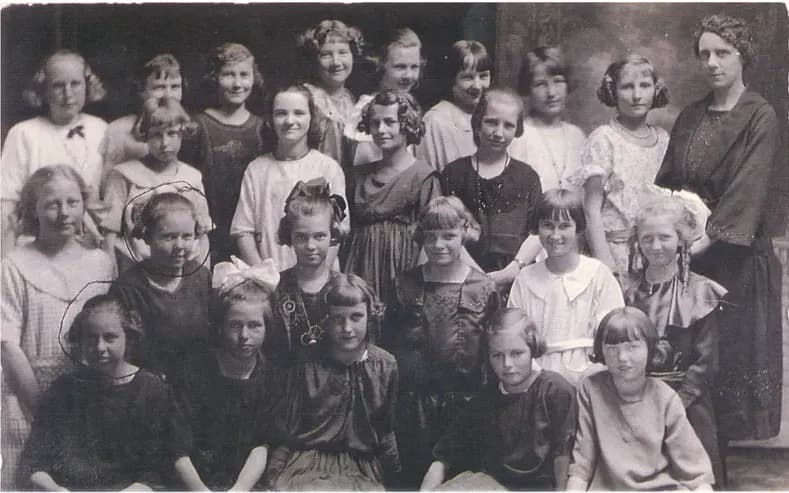 Before
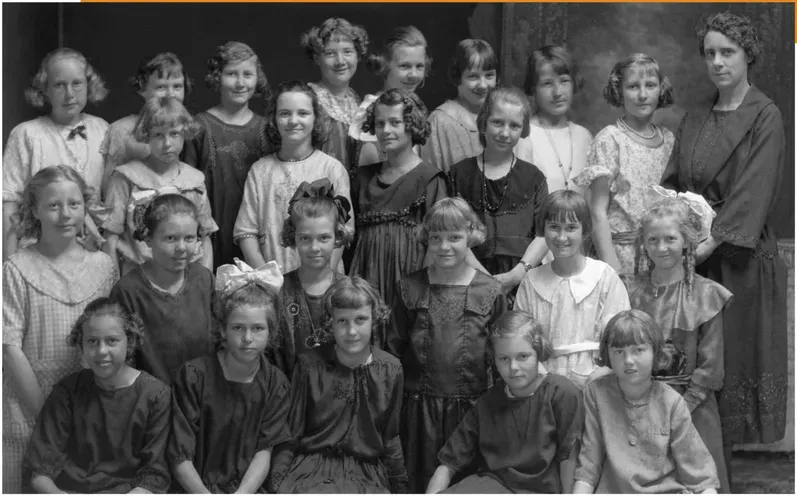 After
After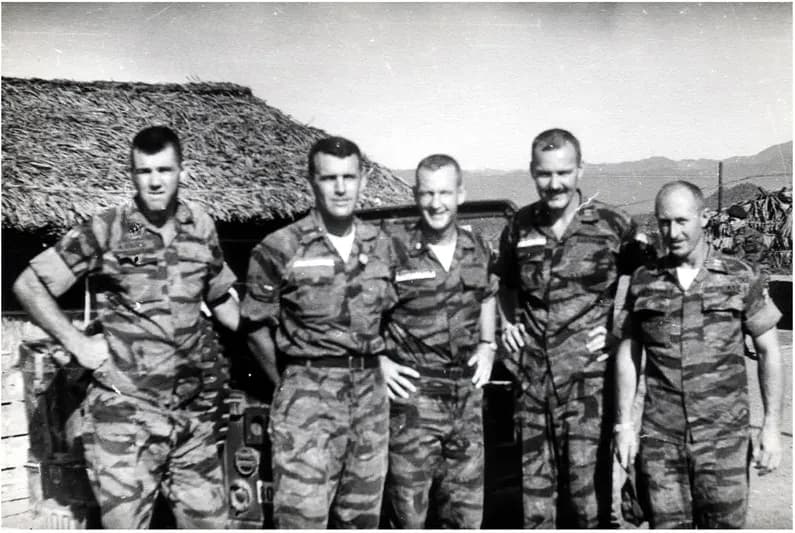 Before
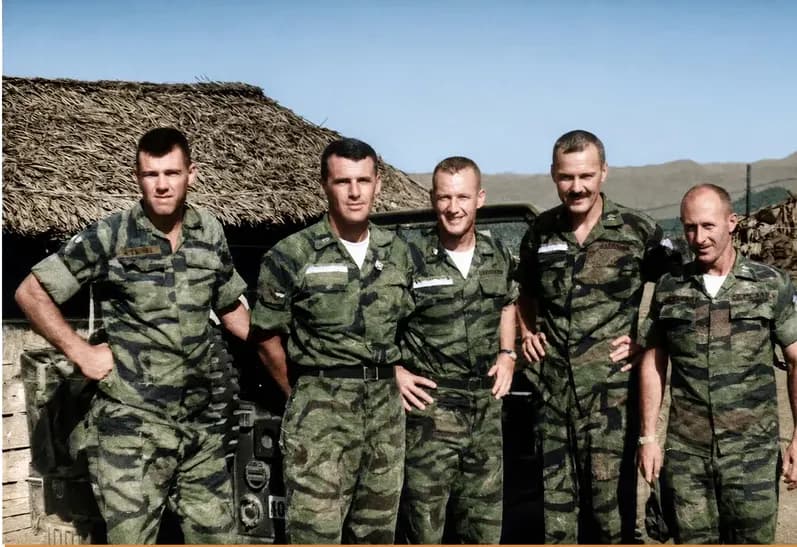 After
After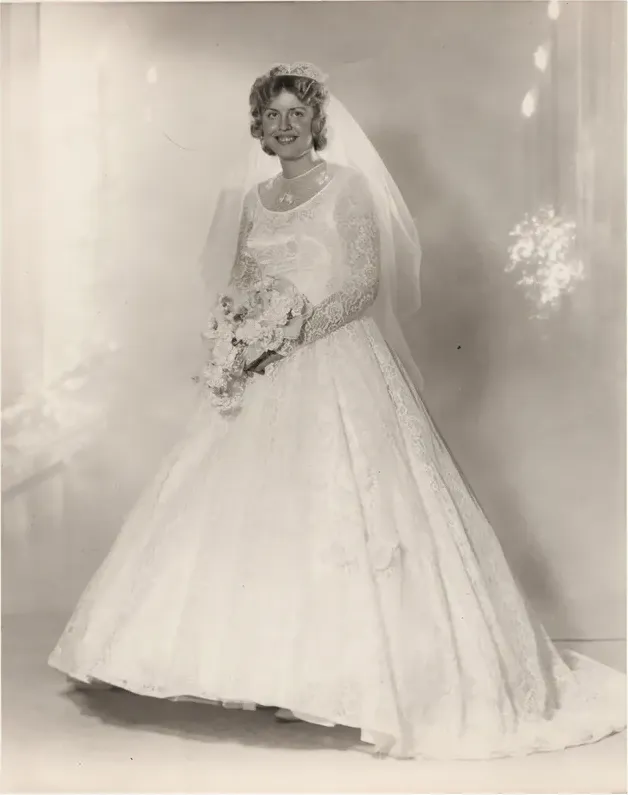 Before
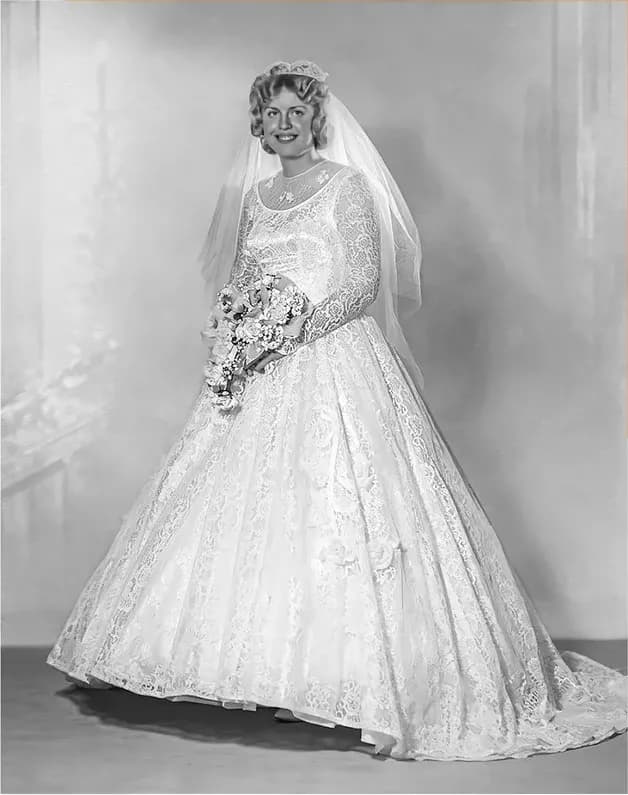 After
After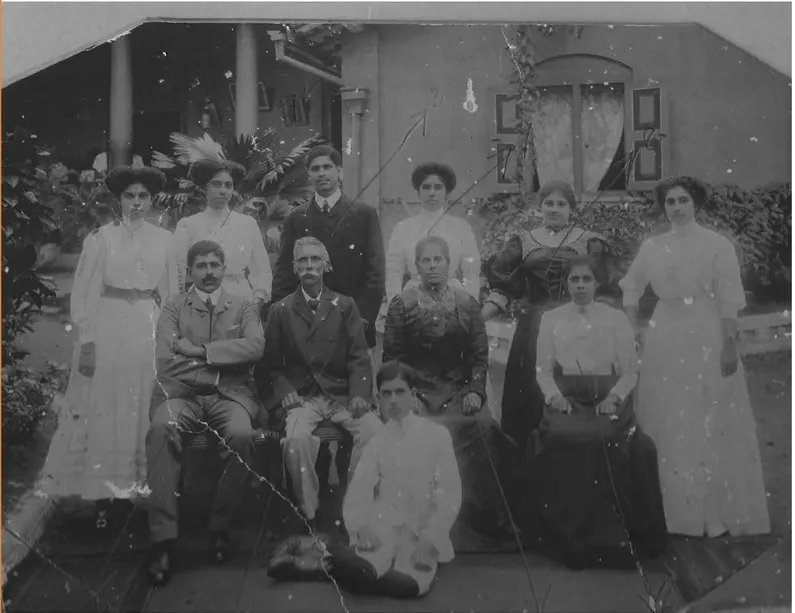 Before
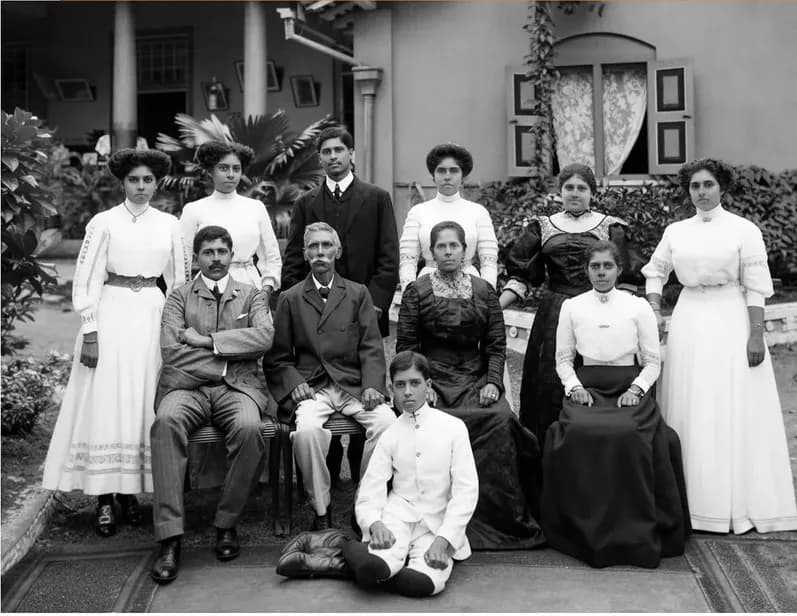 After
After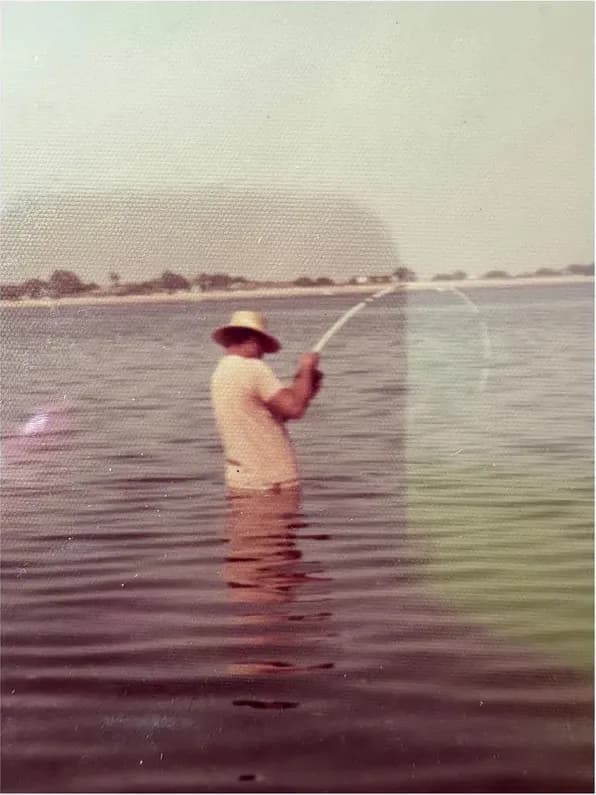 Before
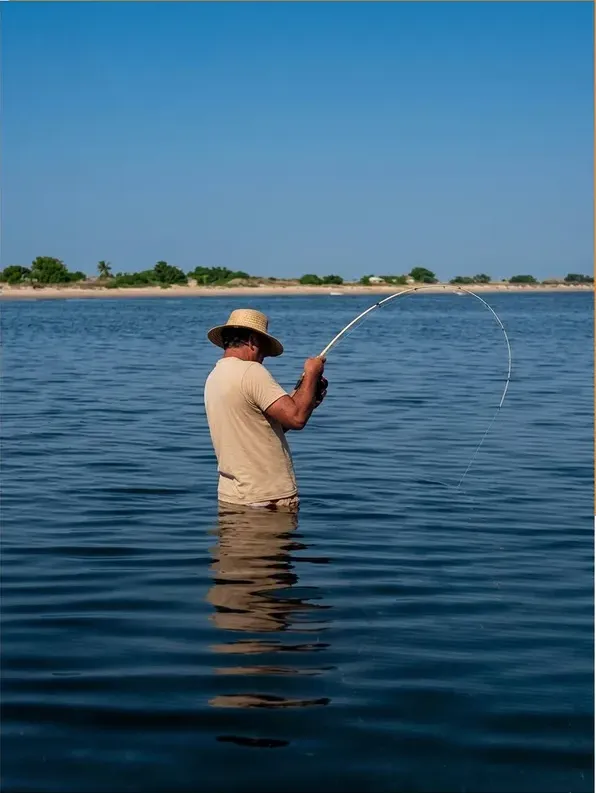 After
After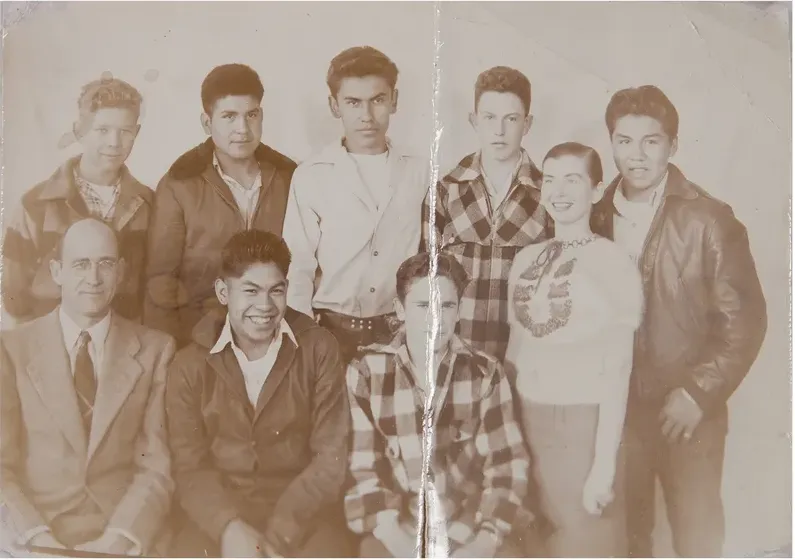 Before
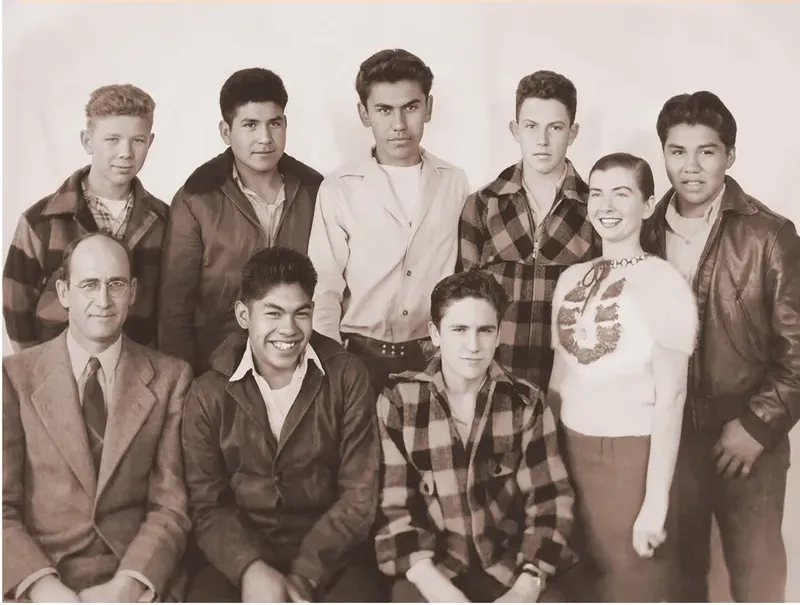 After
After
What a price starting at $9.99 actually buys
At the time of writing, RestoreClick advertises photo restoration from $9.99. The word "from" is doing real work in that sentence. It is an entry price, and no tier structure above it is published, so treat $9.99 as where pricing begins rather than what every job costs. Entry prices move, so load the page and confirm the current figure before you order anything.
RestoreClick's site describes its process as AI mapping the damage in the photo, listing scratches, tears, water stains, fading and missing corners among what it maps. It states that its AI restoration processes images in under two minutes, that results are delivered by email within minutes of upload, and that the customer receives a high-resolution file ready to print or share. Photo colorization is listed as a service alongside restoration.
Two minutes is machine processing time, and it tells you what kind of product this is. What you are buying at the cheap end of this market is a fast automated pass. Automated passes work on the whole frame at once. They lift grain, they sharpen, they even out fading. The question that decides whether that is enough is not about price at all. It is about whether your particular photograph still contains the information somebody would need to put it right.
There is also the matter of what happens when it does not come back right. At the time of writing we could not find a published money-back guarantee or free-revision policy on their site. Worth asking them directly before you send an irreplaceable print anywhere. MemoryCherish publishes both, in plain words: revisions are free until you are happy, however many rounds that takes, and if we still cannot get there the 100% money-back guarantee is paid in cash rather than credit toward another job.
Most family collections hold two kinds of photograph, usually in the same shoebox: the ones that are simply tired, and the ones that are damaged. Telling them apart is the single most useful thing you can do before spending anything, and it costs nothing but an hour at the kitchen table.
Work out which kind of photograph you have
You can do this yourself, at the table, with a lamp. Look at the print rather than at the price lists.
- Tired but whole. Faded, yellowed, low contrast, a bit grainy, maybe soft. Everything that was in the picture is still there, just dulled. This is the class the automated tier is built around, and the companies in it describe their work in exactly those terms.
- Damaged. A crease through a face. A corner torn away. Mold spots. Tape residue. Water that lifted the emulsion clean off the paper. Here, material is physically gone. Nothing in the file survives in those areas, so nothing can be sharpened back into view.
That second category is where the whole decision lives. Hotpot states on its own page that while its service automates photo restoration, it "cannot replace experts for demanding restoration jobs", and describes the tool as designed to help consumers with lightweight requirements while helping professionals save time on difficult restoration requests. That is a company describing the boundary of its own product, and it is the clearest published version of the point on this page.
VanceAI states that its restoration runs in one pass with no manual brushwork required. Remini's photo restorer page describes its restoration as AI-powered and as a one-click operation that removes blur, sharpens details and cleans up grain. Read those descriptions literally and they tell you what the category is for: one pass, no brushwork, blur and grain. None of that is a sentence about rebuilding a jawline.
Where material is gone, something has to decide what belonged there. At MemoryCherish that decision is made by a US artist working by hand, with about four hours going into an ordinary photograph. They work from the surviving half of a symmetrical feature, from the geometry of the face, from the way the fabric falls elsewhere in the frame, and from any other picture of that person you can send us. Then we tell you which parts came back from the photograph and which had to be rebuilt from evidence, before you spend anything, so you always know what you are looking at.
What to look for in a studio where people do the work
Once you have decided a person should do the job, the differences between studios are not really about the headline number. They are about four things, and every one of them is published or it is not.
Does the price move after somebody looks at the damage? Ours does not. MemoryCherish opens at $38 and the artist tier you choose is what sets it, so the photograph that arrived in three pieces costs the same as the one that merely faded. You know the figure before you upload anything, and it does not change once we see how deep the crease runs.
How many revisions are included? Ours run free until you tell us it is right. Not one round of changes, not two. Until it is right. That is the part that decides whether a restoration ends up on a wall or in a folder, because almost nobody gets what they wanted from a first proof of a badly damaged print.
What comes back if it never works? This is where published remedies differ most, and it is worth reading the exact words. At the time of writing, Forever Studios states that a dissatisfied customer may submit a different photo for restoration or receive store credit for the full amount. Store credit keeps you inside the shop. Ours is a 100% money-back guarantee paid in cash, and you keep whatever we produced along the way.
Does the original have to travel? With us, never. You upload a scan or a clear phone photo taken in even daylight, and the print goes back in the drawer. The most common regret we hear has nothing to do with money. It comes from people who mailed the only surviving photograph of a parent and then spent two weeks refreshing a tracking number.
Two more things worth knowing about the people doing the work here. Our artists are US-based and they restore damaged family photographs all day, which is a narrower craft than general retouching. Across the team that adds up to 37 years and counting of combined experience, and the studio's verified reviews average 4.96 out of 5 across 2,178+ ratings, from more than 400,000 families.
Quote-first pricing, and what tiering by damage means
ScanCafe runs a model worth understanding before you use it. ScanCafe states that its restoration prices are based on an evaluation of each individual photo, quoted in tiers by damage severity, and that there is no charge to request a restoration quote. It states that customers upload a digital version of a photo to receive that quote. At the time of writing, its process page states a 50% deposit on approved quotes, that a restoration technician is assigned once a quote is approved, and that restoration typically takes about a week, with originals dispatched within 3 business days of final payment. ScanCafe also digitizes photos, slides, negatives, film, video tapes and audio, and states that media is scanned at its Indianapolis facility.
Quoting has a shape you should understand going in, whichever company is using it. Where price follows damage severity, the harder the photograph, the higher the tier it lands in. And the pictures people care about most tend to be exactly the ones that have been handled for decades, folded into wallets, taped back together and pressed under album plastic. The photograph you most want restored is, more often than not, the one that grades into a higher tier.
There is a waiting cost too. Upload, wait for the evaluation, read the quote, approve it, pay a deposit, and only then does anyone start. For one picture that you have already decided you want back, that is a lot of steps standing between you and the work.
MemoryCherish prices from the other direction. The starting figure is $38 and the artist tier you choose is what sets it, so the number does not climb because your photo arrived in three pieces. A badly damaged picture takes our artists longer, and that sits on our side of the arrangement rather than appearing as a line on your invoice. There is no quoting round, no grading of your damage and no deposit: you pick a tier, upload the file, and the work begins. The first proof usually reaches you in about one to three days.
What the $38 covers, item by item
Prices in this market mean different things, so here is exactly what ours includes. Take this list to anyone else you are considering and ask them to answer the same lines.
- US artists working by hand, never AI. Around four hours of that work goes into an average photo, and more when the print demands it, at no extra charge to you.
- A price fixed by artist tier rather than by damage. You know the figure before you send anything, and it does not change once we see how deep the crease runs.
- The first proof in about one to three days, so you are not waiting weeks to find out whether this was going to work.
- Revisions at no charge until you are happy. Not one round of changes. Until it is right.
- A 100% money-back guarantee that pays in cash. If we cannot get you there, your money comes back as money.
- Permanent ownership of the files, at full resolution, with no watermark and nothing to renew.
- No reason to mail the print. A scan or a clear phone photo is what we work from, so the original stays in your house.
- Only what the photograph contains. We never invent a face, and we tell you honestly what can and cannot come back before you spend a cent.
The supporting numbers, for whatever weight you give them: 4.96 out of 5 from 2,178+ verified reviews and counting, more than 400,000 families served, and 37 years and counting of combined experience across the artist team.
That is what the difference pays for. On a photograph that has been in your family for sixty years and exists in exactly one copy, it is the only part of this decision carrying any real weight.
What can honestly come back, and what cannot
We would rather tell you this before you buy than after. Not everything returns, and any company promising that a photograph will come back perfect is promising something nobody can deliver.
What comes back well. Creases and tears, even long ones, because the surviving structure on either side gives an artist something to rebuild from. Fading and yellowing, which are chemical rather than physical losses. Surface scratches, dust and album-glue marks. Water staining, in most cases. Mold spotting, usually, depending on how far it has eaten into the emulsion. Uneven fading across a face, which is one of the things hand work handles best, because the artist can treat the face separately from everything behind it.
What takes evidence. A missing corner that included part of somebody. An eye that has gone. A mouth under a fold. Here an artist works from the intact half of a symmetrical feature, from other photographs of the same person, and from what you can tell us. Send us a second picture of that person from any year and it changes what is possible. This is also where we will tell you plainly that a section is being rebuilt rather than recovered.
What nobody can return. Detail that was never captured. If the original was out of focus in 1961, it was out of focus, and no amount of hand work or processing invents the sharpness that the lens did not record. The same is true of color in a black-and-white photograph: the negative never held it. Colorization is an interpretation, and the honest version of it is built from what your family remembers about a dress, a uniform, a front door, rather than from a guess.
Every one of those judgments is a person's call, made against the actual print, and it is the reason four hours goes into an ordinary photograph here. It is also why revisions are free. You are the one who knows what your grandmother looked like, and if the first proof is not her, you say so and we do it again.
Match the money to the photo, not the photo to the budget
- Faded, yellowed, soft, physically intact. Everything that was in the picture is still in the file, so this is the easiest end of the market. An automated pass treats the whole frame at once, which is fine on a landscape and less kind to a face that faded unevenly in a sunny hallway. Our artists balance the face on its own, and the price is the same $38 tier either way, because ours does not track the condition of the print.
- Light surface scratches and specks. Same picture, same answer. The one thing worth checking before you pay anybody is what you are left holding: whether the file comes back at full resolution, without a watermark, and without a license condition attached to it. Ours does, and it is yours permanently.
- A crease through a face, tape residue, mold, water damage, a missing corner. A person, without hesitating. This is the point where paying more stops being a premium and becomes the entire product. About four hours of a US artist's time, from $38, first proof in about one to three days, revisions free until you are happy, and cash back if we cannot get there.
- Fifty pictures in mixed condition. Sort them first. Out of fifty, perhaps eight are the ones you would be sick about losing, and those are the ones that deserve an artist. Nobody advertises that split, but it is what sensible people quietly do, and it costs less than treating all fifty as equally important.
One closing note on speed, since these numbers get quoted at each other constantly. RestoreClick states that its AI processes images in under two minutes and that results are delivered by email within minutes of upload. At the time of writing, ScanCafe states that restoration typically takes about a week, and Forever Studios states that a first restoration proof reaches the customer's account in one to three days. Those figures do not describe the same stage of anything. One is processing time on a server. The others cover a person working through a job, and one of them stops at a first proof rather than a finished file.
Ours is about one to three days to a first proof, then free revisions until it is right. Speed tells you which one finishes sooner. It tells you nothing about which photograph you will still be glad about in twenty years, hanging in a hallway where somebody who never met your grandmother stops to look at her.
What it costs with us
From $38 per photo, you choose your artist
The price is set by the artist tier you choose, never by how damaged your photo is. Free revisions until it’s right, and a cash refund — not store credit — if we can’t make it perfect.
The MemoryCherish Guarantee: Love it or every cent back within 30 days. Cash, not store credit. Free revisions until it looks exactly like you remember. And if a photo just can’t be restored, we’ll tell you honestly and you won’t pay a thing. Read the full guarantee
Questions people ask
Is $9.99 the final price at RestoreClick?
Is cheap automated photo restoration any good?
Why do some companies quote instead of publishing a price?
What should I expect to pay for hand restoration of a badly damaged photo?
What happens if the result comes back wrong?
Should I colorize at the same time as restoring?
Do I have to mail my original photograph?
Keep comparing
- MemoryCherish vs RestoreClick: Hand Restoration or Fast AI?
- The Best Affordable Photo Restoration in 2026 (Honest Price Breakdown)
- Best Photo Restoration for Severely Damaged Photos: Tears, Mold, Water and Missing Pieces
- Remini Alternatives: 7 Options for Restoring a Damaged Family Photo
- Forever Studios Alternatives: 7 Photo Restoration Options Compared
- FixThePhoto Alternatives for Photo Restoration: 7 Options Compared
More on this kind of damage
Last updated August 1, 2026. Company details are taken from each company’s own public pages at the time of writing and may change, so we cite the page we read rather than linking to it. Check the current wording with any company before you order.