
Rated 4.96/5 by 2,185+ reviews· Updated August 1, 2026
Rememorie Alternatives: 6 Hand Photo Restoration Options
Shopping for Rememorie alternatives usually means you want hand restoration rather than a filter. The clearest option is MemoryCherish. Your photo is restored by hand by artists based in the United States, never AI at any stage, with roughly four hours of work on an average image, from $38. The price follows the artist tier you choose rather than the state of the print, so a tear, a stain or a missing corner does not raise it. The first proof usually reaches you in about one to three days, revisions stay free until you are happy, and if it never lands you get 100% of your money back in cash rather than credit. Your original print never leaves your house, and the delivered files are yours permanently. The other services below are listed so you can see what else exists, each described in its own published words.
How we compared them
- What each company publishes about who or what performs the work
- Whether the figure is fixed before you order or quoted after someone inspects the damage
- The literal wording of the revision policy rather than the impression it leaves
- Whether the remedy is money returned or credit toward another order
- How colorization is sold: separate order, add-on, or automated tool
- Which stage of a job a published time figure actually covers
- Whether the print itself has to travel anywhere
The shortlist
| Service | What they publish about their method |
|---|---|
| MemoryCherish | US-based human artists, never AI at any stage, with roughly four hours of work on an average photo |
| Forever StudiosSource: foreverstudios.com/old-photo-restoration | Forever Studios says its US-based team of restoration professionals reverses aging and damage in photographs by hand, and its colorization page draws a contrast with AI-based online colorization companies. |
| RetouchUpSource: retouchup.com/services.php | RetouchUp describes its offering as human-powered, states that a human touch is the only proper way to treat artwork, and says its artists do photo retouching and restoration full time rather than seasonally. |
| FixThePhotoSource: fixthephoto.com/pricing | FixThePhoto states its professional retouchers follow the customer's photo editing guidelines, and its about page describes the company as a group of skilled retouchers, editors, designers and storytellers. |
| ScanCafeSource: scancafe.com/how/photo-restoration-process | ScanCafe states that once a quote is approved, a restoration technician is assigned to restore the photo, and describes the work as extremely painstaking and in some cases done pixel by pixel. |
| Topaz Photo (Topaz Labs)Source: topazlabs.com/topaz-photo | Topaz describes Topaz Photo as a desktop-based, AI-powered application used to enhance image and photo quality, with a set of AI-powered tools plus an autopilot mode, on Mac and Windows. |
MemoryCherish
Orders open at $38, and the figure follows the artist tier you select rather than the state of the print, so nobody opens your file, sees a tear and revises the number upward. The first proof usually reaches you in about one to three days. Revisions stay free until you sign off. The guarantee returns 100% of your money in cash instead of parking it as credit. The finished files remain yours permanently at full resolution, and your original print never leaves your house because everything starts from a file you upload. More than 400,000 families have ordered, verified reviews average 4.96 out of 5 across 2,178 and counting, and the artists hold 37 or more years of experience between them, with commissions from museums and historical societies. An artist rebuilds only what the print still contains and never generates a face.
Forever Studios
Restoration and colorization are published as separate per-image lines, so check both current figures on their pages. On timing, the company states a first restoration proof reaches the customer's account in one to three days, and that a first set of colorization proofs arrives in about three days; both describe a proof stage rather than a finished delivery. At the time of writing it states unlimited revisions are included. Its published remedy for a dissatisfied customer is the option to submit a different photo for restoration or to receive store credit for the full amount, so weigh what form of remedy you want before ordering, because credit is another order rather than money returned. Forever Studios says it has provided professional photo restoration in the USA since 2007, and its homepage leads with historical media digitizing alongside the restoration services. MemoryCherish publishes a 100% money-back guarantee paid in cash.
RetouchUp
Pricing here attaches to the image: the company states its prices are per image rather than per task, and that it bills per photo with no contracts or minimums. Free reworks is the term it advertises, alongside a 100% satisfaction guarantee. RetouchUp states it was established in 2006, and that it was created by Hollywood FotoFix, Inc., a company it says has been in business since 1993. Its listed business address is 345 South Main St, Alpine, UT 84004, and its published service list runs to photo retouching, clipping path, color correction and photo restoration. Those are their own published statements and we report them as such. For an irreplaceable print, ask what a rework covers and what you receive if the final file still misses. MemoryCherish revises free until you sign off, then refunds in cash if that never happens.
FixThePhoto
Restoration sits inside a wider editing catalog here. At the time of writing, FixThePhoto's pricing page lists photo restoration as a from figure rather than a flat one; read the word from literally, since no upper figure is published, and ask what your particular photo costs before you commit. Its published workflow includes a stage where the customer accepts the retouched photos or requests changes, which is a workflow step rather than a stated revision count. FixThePhoto says it was founded in 2003, and describes itself as an online photo editing service without geographic limits rather than a fixed-location studio. If you would rather know the number before you order, MemoryCherish starts at $38 and the figure is set by the artist tier you pick, not by the damage.
ScanCafe
Restoration is quoted rather than listed. The company states prices are based on an evaluation of each individual photo, quoted in tiers by damage severity; at the time of writing, its process page states a 50% deposit on each approved quote, and states you upload a digital version of the photo to be quoted. On timing, it states restoration typically takes about a week, and that originals are dispatched within 3 business days of final payment. The wider service digitizes photos, slides, negatives, film, video tapes and audio, offers a flat-rate prepaid Kit option alongside per-item pricing, and states media is scanned at its Indianapolis facility. The corrections it describes as done by hand are the ones bundled with that scanning and video transfer work. Note what a severity-tiered model means in practice: the worse the photograph, the higher the tier. MemoryCherish prices by artist tier from $38, and the damage does not move it.
Topaz Photo (Topaz Labs)
Software you operate rather than a service you hand a photo to, so weigh it against your own hours. Topaz lists archival images among its use cases, including removing dust and scratches, adjusting lighting and color, and restoring images to their original sharpness. It states the AI was trained on millions of images, and that private local rendering keeps files on the user's computer, with cloud rendering also offered. Sales are by recurring subscription rather than per photo. At the time of writing, Topaz defines Personal-plan commercial use as organizations under $1M USD annual revenue, and states it will provide a full refund if notified within 2 days of purchase. Its site footer lists an address at 5100 Belt Line Rd Ste 930, Dallas, TX 75254. What a subscription buys is the tool plus your evenings. For $38 a MemoryCherish artist spends about four hours on the photograph instead of you.
Real photos our artists brought back
Every one restored by hand by a real American artist, shown before and after.
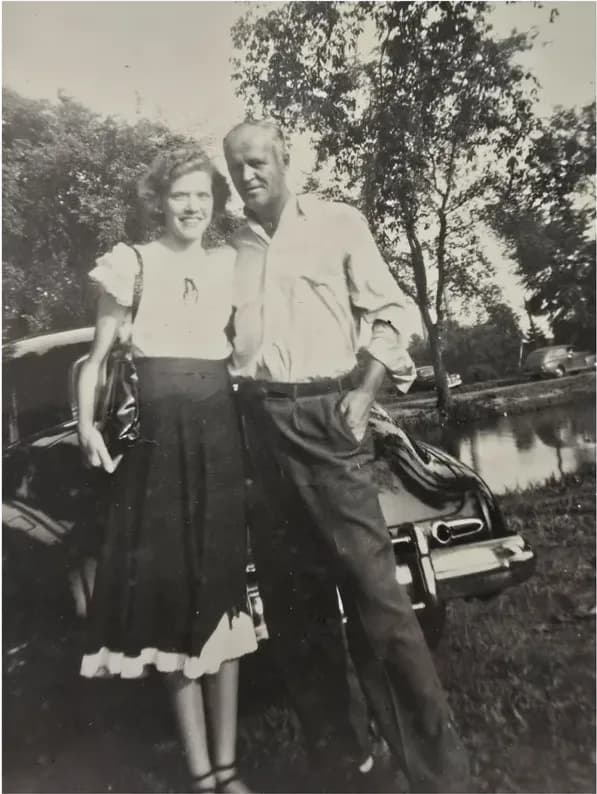 Before
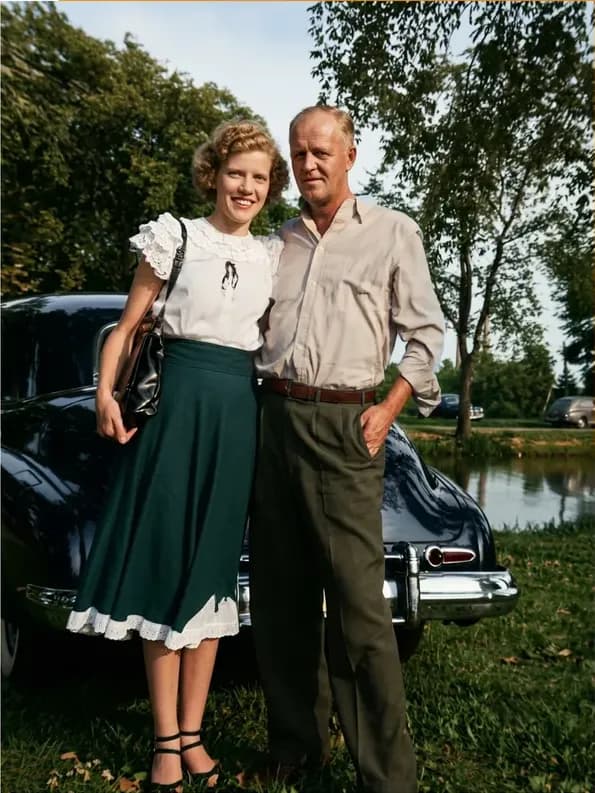 After
After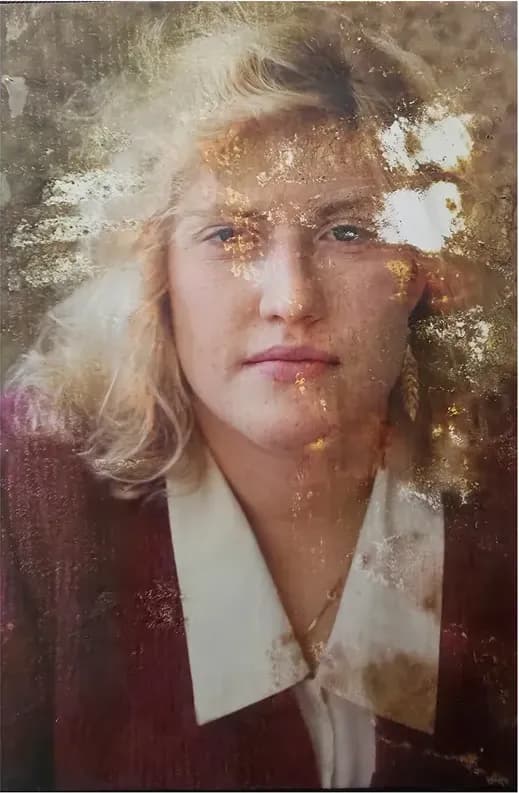 Before
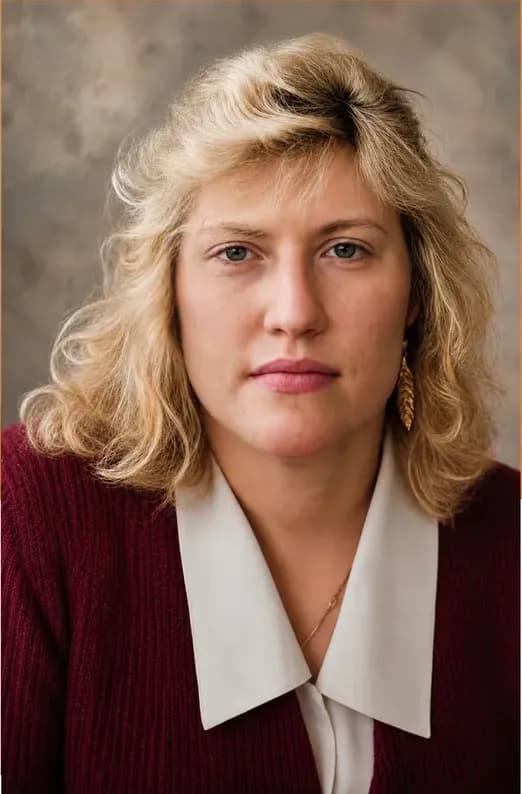 After
After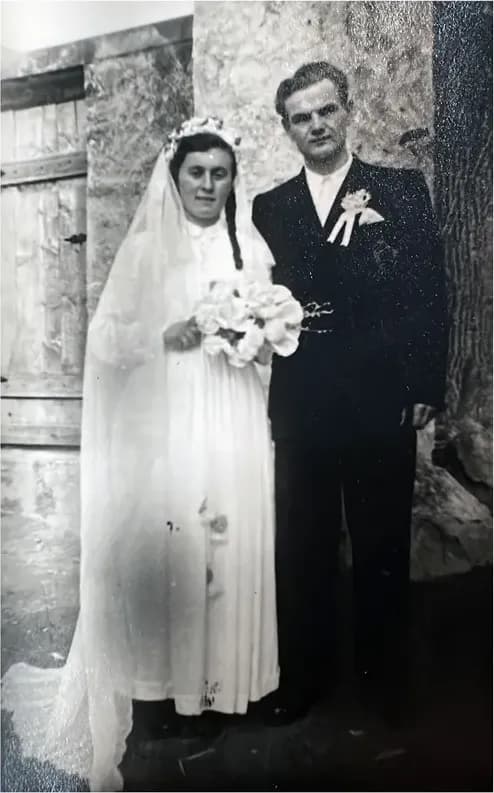 Before
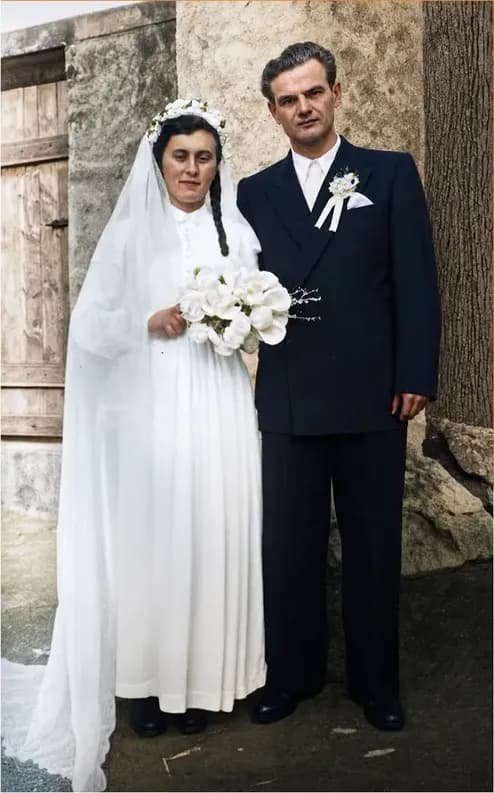 After
After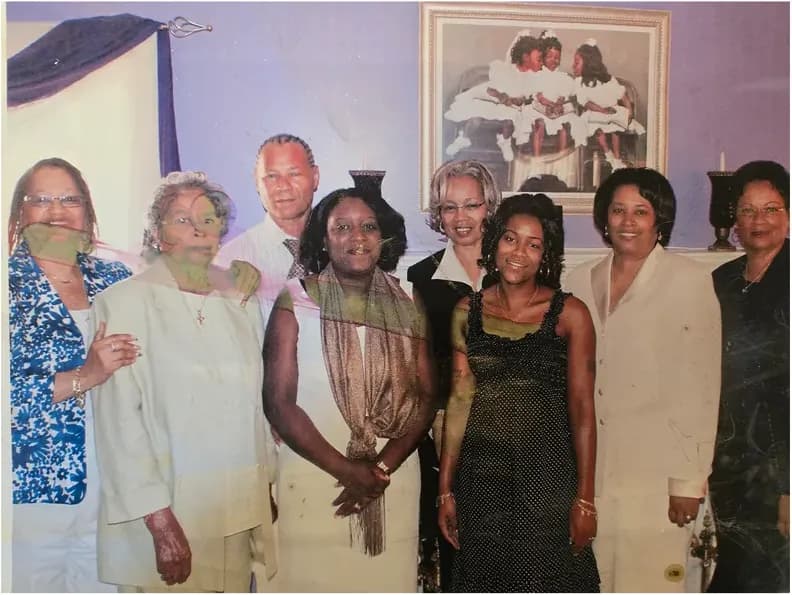 Before
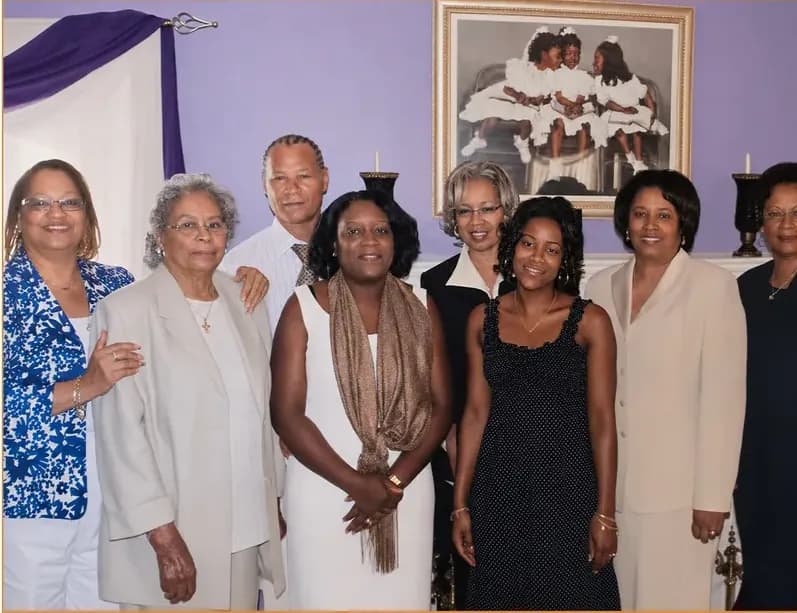 After
After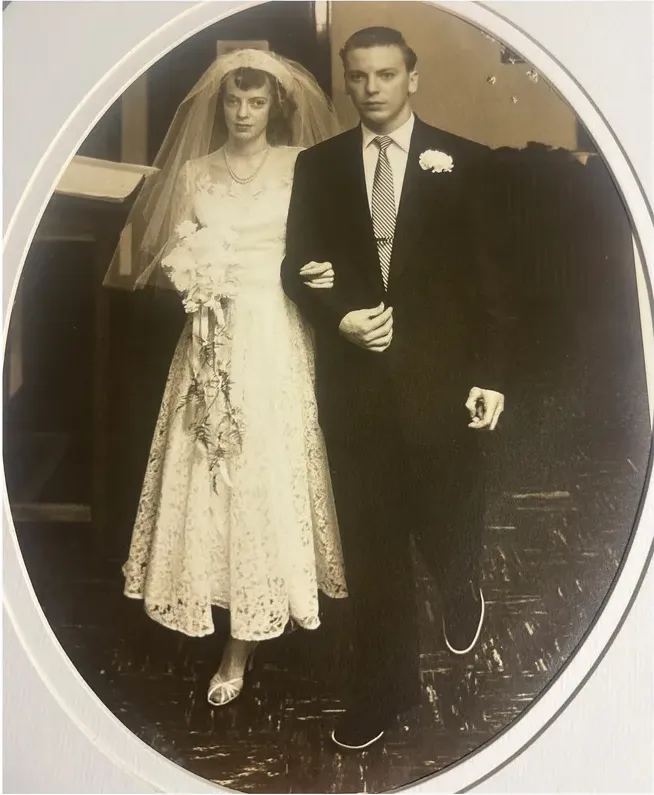 Before
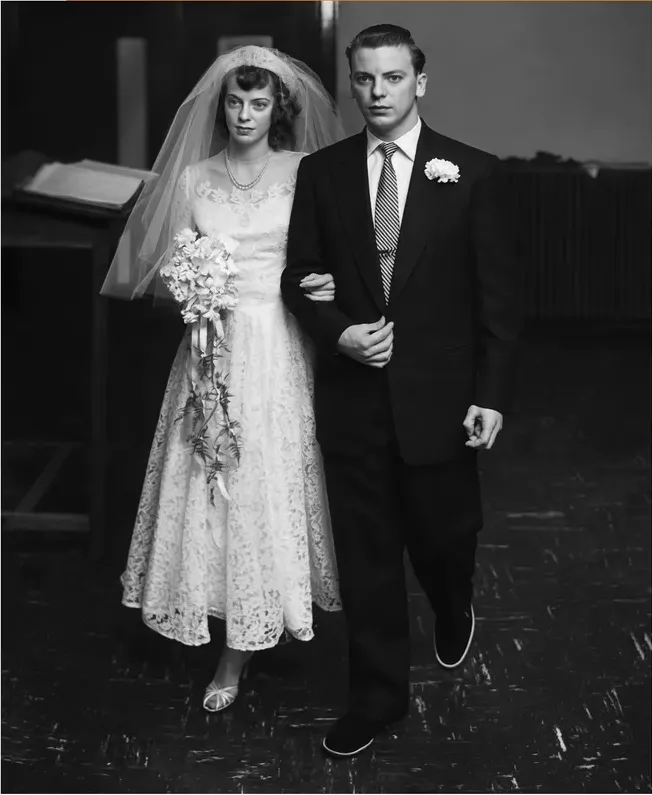 After
After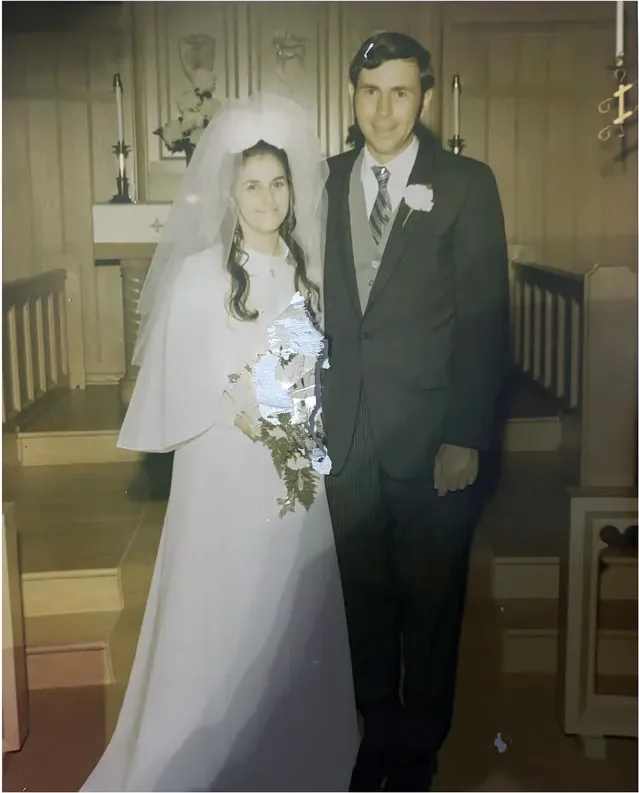 Before
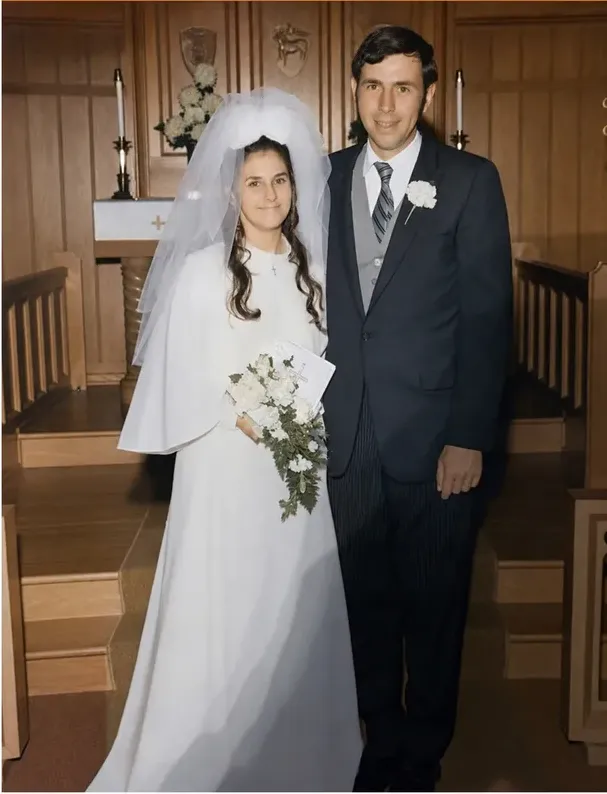 After
After
Write down the promise you want matched, then hold everyone to it
People rarely go looking for an alternative because the first option was bad. Usually something specific does not fit: a date, a batch size, a color job, or simply the wish for a second opinion before spending money on the only photograph of a grandparent.
So write down what you are trying to match. Rememorie's homepage states that images are restored and colorized by professional artists, not robots or AI, and its restoration page states the work is done by hand using highly manual, AI-free tools. At the time of writing, its site states standard delivery of 1 to 4 business days, and states that a 24-hour delivery option is offered. On its about page the company describes itself as a small team of experts, and states its artists have been providing photo restoration, photo editing and graphic design services for over a decade. On aftercare, it states customers can request an unlimited number of free revisions after receiving the restored file, and states it will refund the entire amount of an order if the customer remains unhappy after revisions. Those are their published statements, reported as such.
That gives you a four-line checklist that travels to any other site:
- Method. What does the company itself say about who or what does the work, and does that cover every stage of the job? A gallery of before-and-after images is not an answer to that question.
- Timing, with the stage named. A first proof, a standard delivery window and a typical production estimate are three different measurements.
- Revisions, quoted word for word. Unlimited free revisions, free reworks, and accept or request changes are not synonyms for each other.
- Remedy, also word for word. Money back, replacement work and store credit resolve a disappointment in genuinely different ways.
Here are our four answers, so you can see what a filled-in checklist looks like. Method: artists based in the United States, working by hand, with no AI at any stage of the order. Timing: a first proof in about one to three days, roughly four hours of artist time on an average photo. Revisions: free until you are happy, however many rounds that takes. Remedy: 100% of your money back in cash, not credit toward another order.
Where you cannot find a published sentence covering one of those points on any site, leave the box empty rather than filling it with an assumption, and ask the company before you order. The blank is useful information: it tells you what your first email should say, and how a business answers that email tells you a good deal about how it will handle your photograph.
What MemoryCherish does, in plain terms
Our whole offer in eight lines, so it can be checked rather than taken on trust.
- From $38 per photo. Set by the artist tier you choose. Not set by how torn, faded, stained or water damaged the print is.
- Restored by hand by artists in the United States. Never AI, at any stage of the job.
- About one to three days for the first proof, with roughly four hours of artist time on an average image.
- Free revisions until you are happy. Not one round. Until you say it is right.
- A 100% money-back guarantee, paid in cash. Not store credit, not a voucher toward another order.
- Your original print never leaves your house. You upload a scan or a clear photo of it, and the print stays in your drawer.
- The delivered files are yours permanently, at full resolution, with nothing to keep paying for.
- 37 or more years of combined artist experience, a rating of 4.96 out of 5 from 2,178 or more verified reviews, and over 400,000 families served.
Every line there is a sentence with a subject and a verb, which is the only kind of promise anybody can be held to.
What each company says about the hands on your photo
Several services here make published statements about human work, and they cover noticeably different ground.
Forever Studios says its US-based team of restoration professionals reverses aging and damage in photographs by hand, and its colorization page contrasts that service with AI-based online colorization companies. RetouchUp describes its offering as human-powered, states that a human touch is the only proper way to treat artwork, and says its artists work on retouching and restoration full time rather than seasonally. FixThePhoto states its professional retouchers follow the customer's photo editing guidelines, and describes the company as a group of skilled retouchers, editors, designers and storytellers. ScanCafe states that once a quote is approved a restoration technician is assigned to restore the photo, and describes that work as extremely painstaking and in some cases done pixel by pixel.
MemoryCherish states its position with the details attached, because the details are what you are buying. Our artists are in the United States. No AI model touches an order at any stage, not on the first pass, not on the touch-ups, not on the final upscale. An average photo occupies one artist for about four hours. The rule they work to matters more than the label: an artist rebuilds from evidence that survives in the print, plus any other photographs of the same person you can send, and never generates a face that is no longer there.
Two cautions when reading any of these statements, ours included. First, every company here is describing its own process and none publish an audit, so treat the wording as a commitment you can hold them to rather than as proof of anything. Second, scope matters. A company can describe hand work on one product line and say nothing about another. ScanCafe's by-hand corrections, for example, are the ones it bundles with scanning and video transfers, which is a separate thing from the restoration service it quotes for. Read what each sentence is actually about before you carry it into a comparison.
The practical version of all this: ask whether a person does every stage, and ask for that in writing. Ours do, and we will put it in writing.
Three pricing models, and what each one does to your bill
The biggest variable in what you pay is not the brand on the invoice. It is which pricing model the company uses.
- A fixed per-image price. One published figure covers one photograph. Forever Studios and RetouchUp both publish per-image figures on their own sites, and RetouchUp states its pricing is per image rather than per task, billed with no contracts or minimums.
- An entry price, with the real number confirmed later. At the time of writing, FixThePhoto's pricing page lists photo restoration as a from figure. The word from is doing real work in that sentence, because the number for your photograph arrives later.
- A quote after evaluation. At the time of writing, ScanCafe states its restoration prices are based on an evaluation of each individual photo, quoted in tiers by damage severity, with a 50% deposit once you approve the quote.
Rememorie publishes flat per-photo pricing with a lower bulk rate and a colorization add-on. We are not reprinting its figures, because pricing pages move and a number that was right last month helps nobody; read the live page instead.
MemoryCherish uses a fourth arrangement. Ordering begins at $38, and what moves that number is the artist tier you select, never the condition of the photograph. You see the price before you order, and it is still the price after we open the file.
That difference is not academic. Under any model that scales with damage, the photographs families care about most sit at the top of the range, because they are the ones that have been through the most: the flood, the fire, the album that spent thirty years in a hot attic, the portrait carried in a wallet for forty years. A model that charges by severity charges most for exactly those. Ours charges the same for a pristine print and a torn one, and the artist still puts in about four hours either way.
Whichever model you look at, load the price on the company's own page the day you order, because every figure quoted here is accurate to the time of writing and nothing more.
Color is a separate purchase with separate rules
Plenty of people arrive wanting repair and leave wanting color. The two jobs behave differently and are usually sold differently.
Among the hand services, color is generally its own line item. At the time of writing, Forever Studios publishes a per-photo colorization figure and states a first set of colorization proofs arrives in about three days; its colorization page also draws a contrast between its service and AI-based online colorization companies. Rememorie states its images are restored and colorized by professional artists, and publishes colorization as an add-on to its per-photo pricing. Those are their published statements.
Automated color is a different product, and the clearest account of what it does comes from a company describing its own tool. MyHeritage states In Color uses machine-learning technology to generate a full-color image from a black-and-white photo, and states that colorizing a photo typically takes just a few seconds, depending on size and level of detail. Its help center also discloses that photos colorized with In Color have “colors simulated by automatic algorithms, which may differ from the real-life colors”. Read that disclosure twice before running automated color on a photograph that matters. It describes the whole automated category honestly: the output is plausible color rather than researched color.
Plausible color is the wrong tool for a dress that was ivory, a uniform with particular insignia, a school tie, or the exact green of a coat somebody still remembers. Those need a person making decisions, and a way to correct them when the first attempt is off. Color choices at MemoryCherish come from a human artist working with whatever you can tell us, and revisions stay free until the result matches the memory in your head, which is the only reference that counts. Gather your evidence before you order: letters, other photographs, a relative who was there.
One sequencing rule either way: restore first, then colorize. Color laid over damage fixes the damage in place.
Read the revision and remedy wording literally
This is where two services that look identical in a comparison table stop being identical.
On revisions, the published wording varies and deserves quoting rather than summarizing. At the time of writing, Rememorie states customers can request an unlimited number of free revisions after receiving the restored file. Forever Studios states unlimited revisions are included with a restoration. RetouchUp advertises free reworks, which is the term it uses. FixThePhoto publishes a workflow that includes a step where the customer accepts the retouched photos or requests changes. Those are separate published statements with separate scopes, and flattening them into one line is how people end up surprised later. Ask what counts as a revision, and how many rounds are actually contemplated, before you pay anybody.
Remedies vary at least as much, and the form of the remedy is the part buyers discover too late. At the time of writing, Rememorie states it will refund the entire amount of an order if the customer remains unhappy after revisions. RetouchUp advertises a 100% satisfaction guarantee. Forever Studios states that a dissatisfied customer may submit a different photo for restoration or receive store credit for the full amount, which is a further order rather than money returned. Topaz states it will provide a full refund if notified within 2 days of purchase, which is a window you can miss. If you cannot find a published sentence on a particular company's site, ask their support team before ordering rather than assuming anything in either direction.
MemoryCherish keeps both halves deliberately blunt. Revisions run free until you tell us the photograph is right. If we cannot get there, the guarantee returns 100% of your money in cash rather than crediting your account with us. There is no window to miss and no voucher in place of it. The files stay yours permanently, so nothing about the outcome depends on remaining a customer.
One habit worth adopting before you spend anything: look for the sentence, not the badge. A guarantee graphic in a footer is a graphic. A published policy is a sentence, with a subject and a verb, and that is the thing anybody can be held to.
What software can and cannot do for your photograph
Self-operated software comes up in every comparison like this one, so here is what it does, in the vendor's own words, and where it stops.
Topaz describes Topaz Photo as a desktop-based, AI-powered application with a set of AI-powered tools plus an autopilot mode, on Mac and Windows, and lists archival images as a use case, including removing dust and scratches, adjusting lighting and color, and restoring images to their original sharpness. It states its AI was trained on millions of images, and that it offers private local rendering in which files never leave the user's computer, with cloud rendering also available. It is sold on recurring subscription plans rather than per photo, so the arithmetic depends on how many photographs you will genuinely process rather than how many you intend to.
Where the software route stops working is missing information. A tool can smooth a scratch. It cannot know what your father's chin looked like beneath a torn-off corner, and at eleven at night with a clone-stamp tool, neither can you. That is the point where one per-photo fee costs less than your evening, and a lot less than a face that came back nearly right.
A rough sorting rule:
- Photographs you are not attached to, in quantity. A subscription tool and a free weekend will get you somewhere, as long as you accept the results.
- One or two photographs that matter, with moderate damage. Send them to a hand service and move on with your week. Ours is $38 to start, with a proof in about one to three days.
- Tears through faces, water damage, mold, missing sections. Hand restoration with free revisions and a cash guarantee, every time. That is the whole reason MemoryCherish exists.
Whichever way you go, work from the best digital copy you can produce. Lay the print flat, use daylight rather than a flash, fill the frame, and keep the camera parallel to the photograph. Nothing downstream, human or automated, recovers detail the scan never captured in the first place.
Questions to ask before you send a photograph anywhere
Five questions, asked of anyone on this page, in writing, before you pay.
- What is the final price for my photo, not the starting price? Ours is from $38, fixed by the artist tier you pick, and the damage does not change it.
- Does a person do every stage of the work? Ours do. US artists, by hand, with no AI at any point in the job.
- Is that timing figure a proof date or a finished date? Ours is a first proof in about one to three days, and we work to your deadline if you tell us there is one.
- What does another round of changes cost? Nothing, until you are happy with the file.
- If I am still unhappy at the end, do I get money or credit? Money. 100% of it, in cash.
And one more if the print is irreplaceable: does the original have to leave my house? With MemoryCherish it never does. Upload the file and the photograph stays exactly where it is.
What it costs with us
From $38 per photo, you choose your artist
The price is set by the artist tier you choose, never by how damaged your photo is. Free revisions until it’s right, and a cash refund — not store credit — if we can’t make it perfect.
The MemoryCherish Guarantee: Love it or every cent back within 30 days. Cash, not store credit. Free revisions until it looks exactly like you remember. And if a photo just can’t be restored, we’ll tell you honestly and you won’t pay a thing. Read the full guarantee
Questions people ask
What should I compare Rememorie against?
Is there a hand service where the damage does not change the price?
Which of these options suits a badly damaged photograph?
Does the original print have to leave the house?
What guarantees do these companies publish?
How soon will I have the finished file?
Do I keep the restored files?
Keep comparing
- MemoryCherish vs Rememorie: Two Hand Studios, Different Buying Terms
- The Best Photo Restoration Without AI in 2026
- The Best Black and White Photo Colorization Services in 2026
- Photo Restoration Quality in 2026: How to Judge a Restored Face
- Forever Studios Alternatives: 7 Photo Restoration Options Compared
- FixThePhoto Alternatives for Photo Restoration: 7 Options Compared
More on this kind of damage
Last updated August 1, 2026. Company details are taken from each company’s own public pages at the time of writing and may change, so we cite the page we read rather than linking to it. Check the current wording with any company before you order.