
Rated 4.96/5 by 2,185+ reviews· Updated August 1, 2026
Local Photo Restoration Studio vs Online: Which Should You Use?
A local studio lets you hand the print to a person, and for a glass plate or a tintype that physical handling matters. Every restoration still happens on a digital file. MemoryCherish restores that file by hand, with real US artists and never AI, from $38 set by the artist tier you choose, with free revisions until you are happy, a cash money-back guarantee, and your original never leaving your house.
How we compared them
- Whether your original print ever has to leave your house
- Capture quality, which shapes the result far more than how far away the artist sits
- A price quoted after someone grades the damage, against a fixed price set by artist tier
- Whether a real person does the retouching at every stage, with no automated pass anywhere in it
- Whether free revisions and a money-back guarantee are published in writing or negotiated at a counter
- Which stage a quoted timeline actually describes, measured against a real deadline
Side by side
| Service | What they publish about their method |
|---|---|
| MemoryCherish | Online hand restoration by real US-based artists, never AI at any stage, with about four hours of work on an average photo and an entry price of $38 set by the artist tier you choose |
| A local photo restoration studio (category) | In-person assessment and hand retouching, usually quoted once someone has looked at the print and graded the damage |
| Forever StudiosSource: foreverstudios.com/old-photo-restoration | An online service whose homepage leads with historical media digitizing alongside restoration work |
| RetouchUpSource: retouchup.com/services.php | RetouchUp describes its offering as human-powered and states that a human touch is the only proper way to treat artwork |
| RememorieSource: rememorie.com | An online service that publishes a flat per-photo figure with a lower bulk rate and a colorization add-on |
| ScanCafeSource: scancafe.com/how/photo-restoration-process | Mail-in digitizing with a quote-based restoration service. ScanCafe states restoration prices are based on an evaluation of each individual photo, quoted in tiers by damage severity |
MemoryCherish
The print stays in your drawer for the whole job, because the work starts from the file you send. Damage never moves the price. The first proof usually comes back in about one to three days. Revisions are free until you are happy, the guarantee returns your money in cash rather than credit, and the delivered files are yours permanently. More than 400,000 families have ordered, the current rating is 4.96 out of 5 across 2,178 or more reviews, and the artist bench adds up to more than 37 years of combined restoration experience.
A local photo restoration studio (category)
Terms vary from shop to shop and are often agreed in conversation rather than published, so put your questions in writing: the final price, the schedule, who performs the retouching, whether any stage is automated, and what happens if you are not happy. Worth knowing before you decide: what a studio offers that an upload form cannot is physical handling of the object, and that is a capture problem. The restoring itself happens afterwards, on a digital file. Once that file exists, MemoryCherish restores it by hand for $38 and up, with free revisions until you are happy and a 100% money-back guarantee paid in cash.
Forever Studios
At the time of writing, its site states the first restoration proof lands in the customer's Forever Studios account in one to three days, which describes a proof stage rather than a finished file, so ask what completion looks like if you have a date to hit. It states unlimited revisions are included, and states that a dissatisfied customer may submit a different photo for restoration or receive store credit for the full amount. Read that last part slowly before you order, because store credit and a swap for a different photo are not the same thing as your money back. MemoryCherish returns 100% of your money in cash if we never get the photo right, and revisions stay free until you approve it.
RetouchUp
Its site lists a business address at 345 South Main St, Alpine, UT 84004. At the time of writing, its services page states that its pricing is per image rather than per task, and that it bills per photo with no contracts or minimums. It advertises free reworks, using that term, and a 100% satisfaction guarantee. Ask any provider what a satisfaction guarantee actually pays out in, because that answer is what you are relying on if the likeness never comes right. MemoryCherish publishes free revisions until you are happy and a 100% money-back guarantee paid in cash, on hand restoration by US artists that starts at $38 by artist tier.
Rememorie
At the time of writing, pricing is published as a flat per-photo figure with a lower bulk rate and a colorization add-on, so read the current numbers on its own pages. Rememorie describes itself as a small team of experts. Whoever you end up using, read the current terms on their own pages before you order an irreplaceable image. If color is the part you are after, our US artists add it by hand as part of the same order rather than as a separate purchase, at the same $38 starting price. MemoryCherish has more than 37 years of combined artist experience, has served more than 400,000 families, holds a 4.96 out of 5 rating across 2,178 or more reviews, and gives you free revisions until you are happy.
ScanCafe
At the time of writing, its process page states there is no charge to request a quote, that you upload a digital version of the photo to get one, and that it asks a 50% deposit on each approved quote. It states restoration typically takes about a week, keeping their word typically, and that originals are dispatched within 3 business days of final payment. Alongside photos it digitizes slides, negatives, film, video tapes and audio, with media scanned at its Indianapolis facility. At the time of writing we could not find a published free-revision policy or money-back guarantee on its site. Worth asking them directly before you send an irreplaceable print. MemoryCherish publishes free revisions until you are happy and a 100% money-back guarantee paid in cash, at $38 and up set by artist tier rather than by damage, and your original never leaves your house because the work starts from a file you upload.
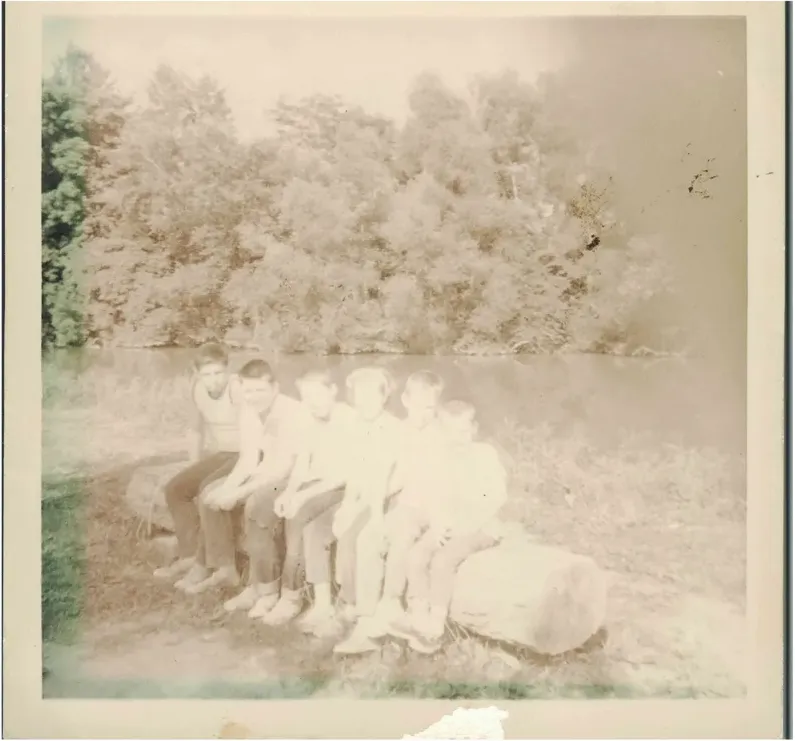
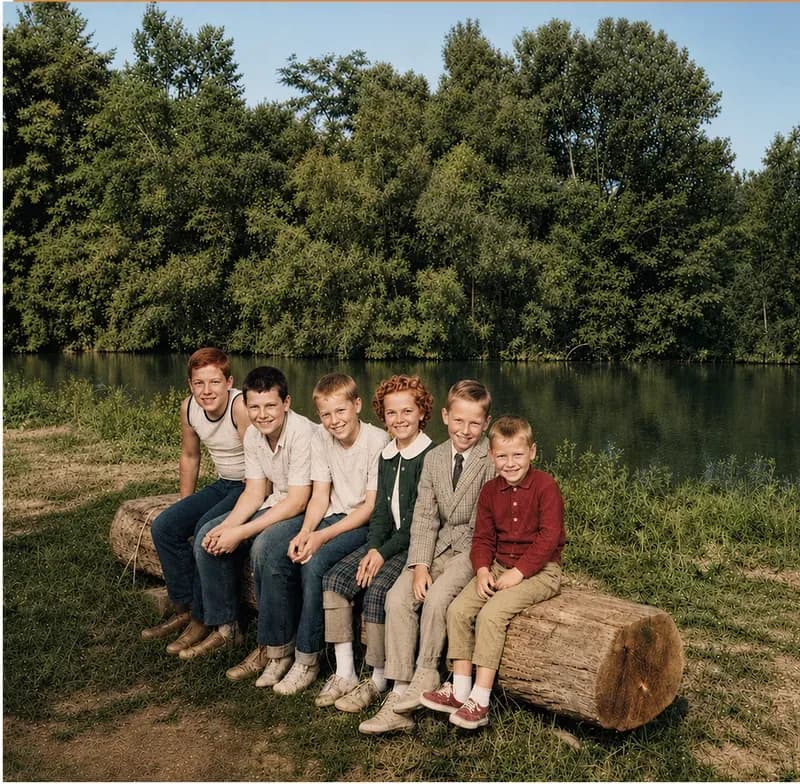
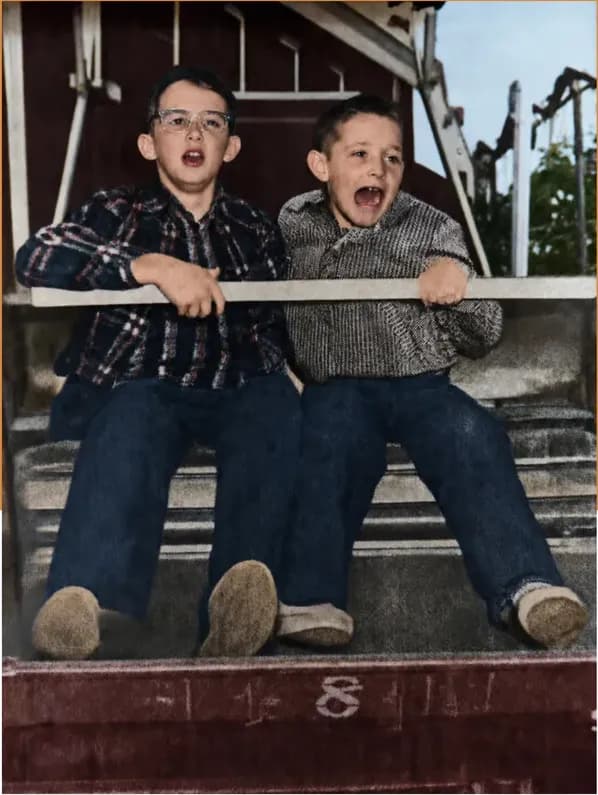
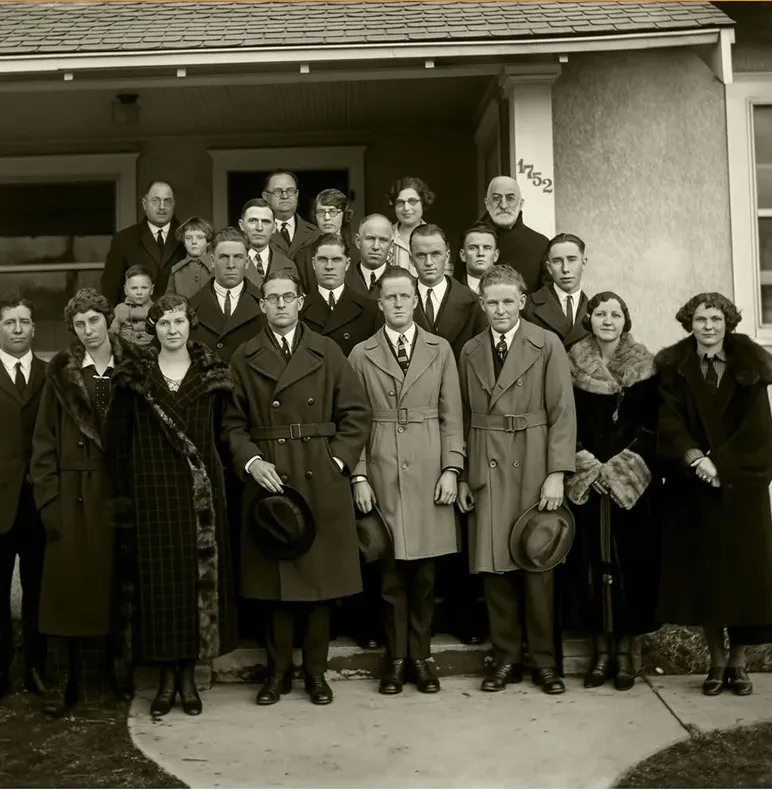
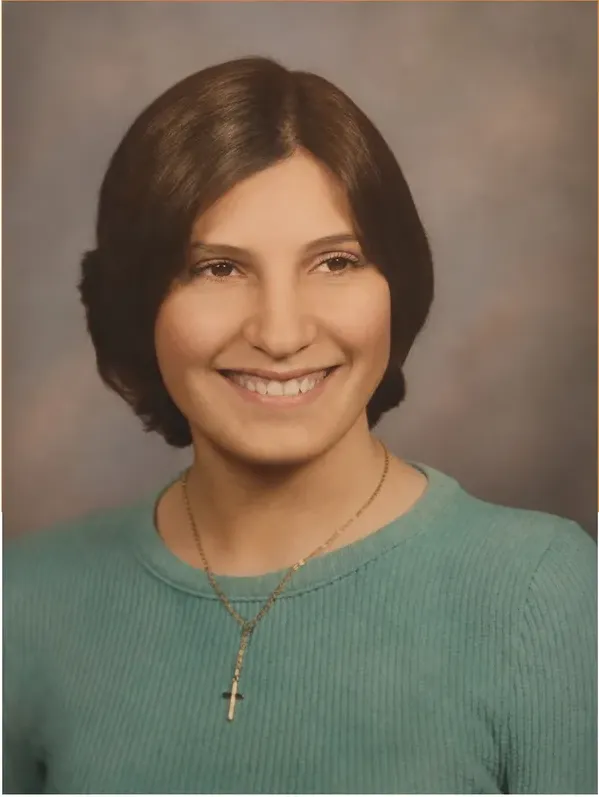
Real photos our artists brought back
Every one restored by hand by a real American artist, shown before and after.
 Before
 After
After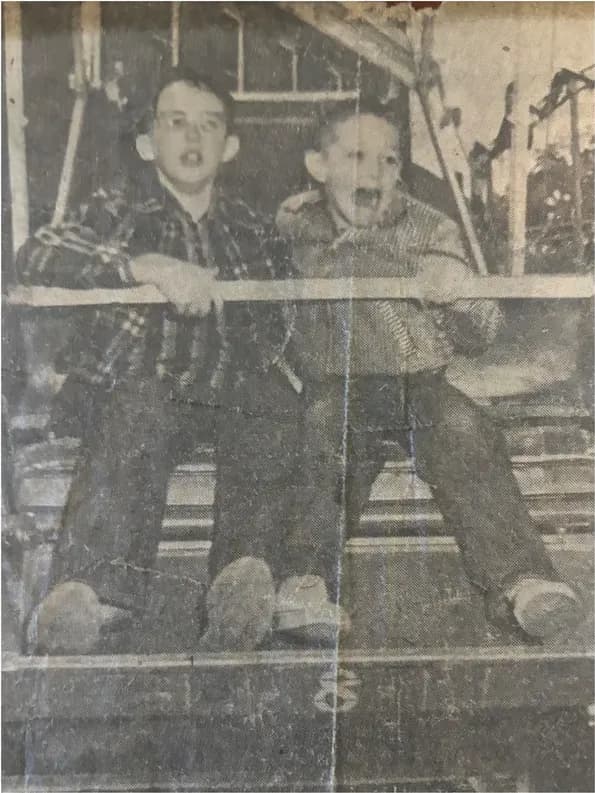 Before
 After
After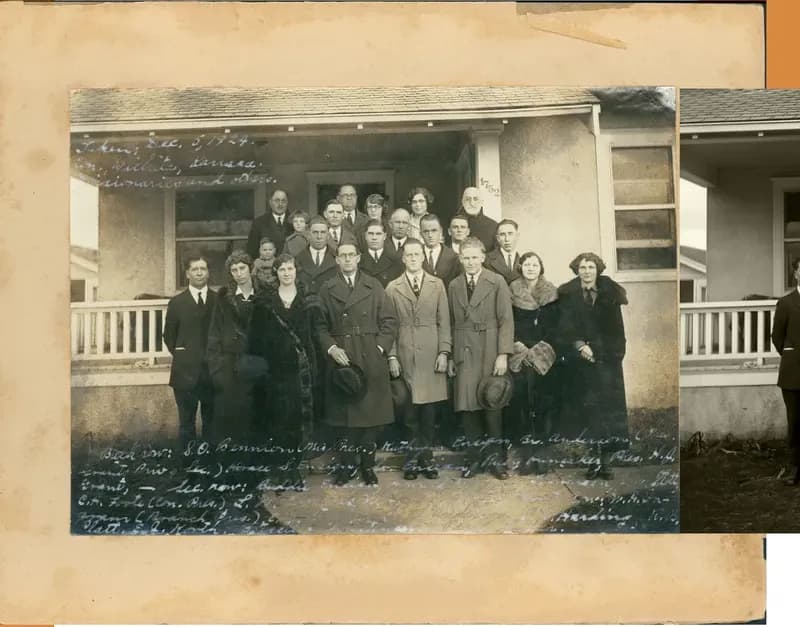 Before
 After
After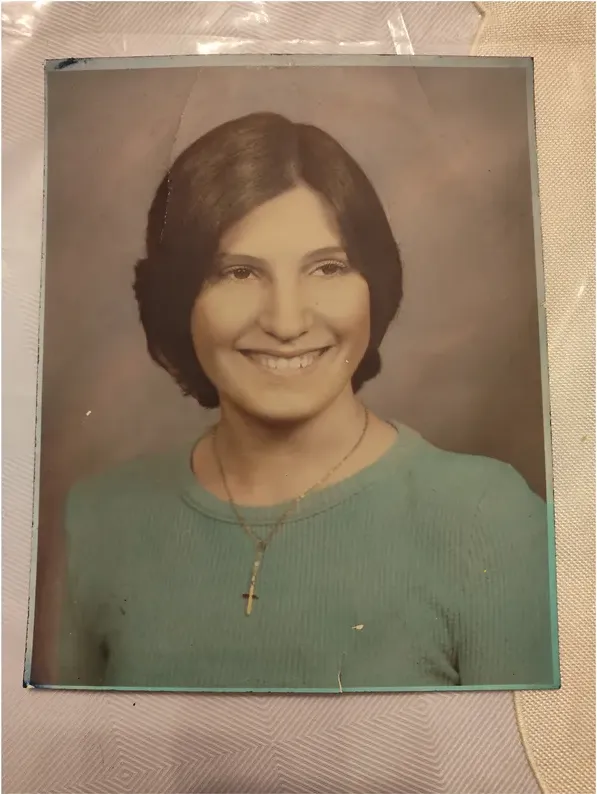 Before
 After
After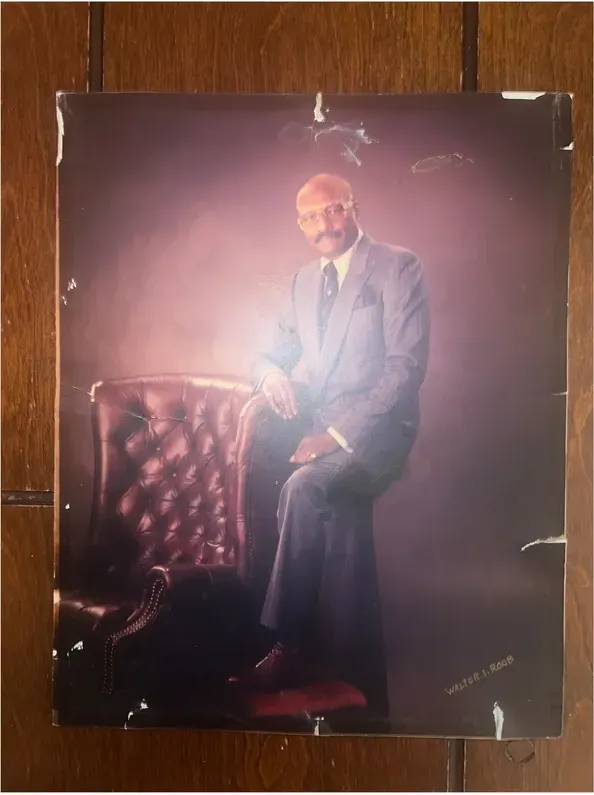 Before
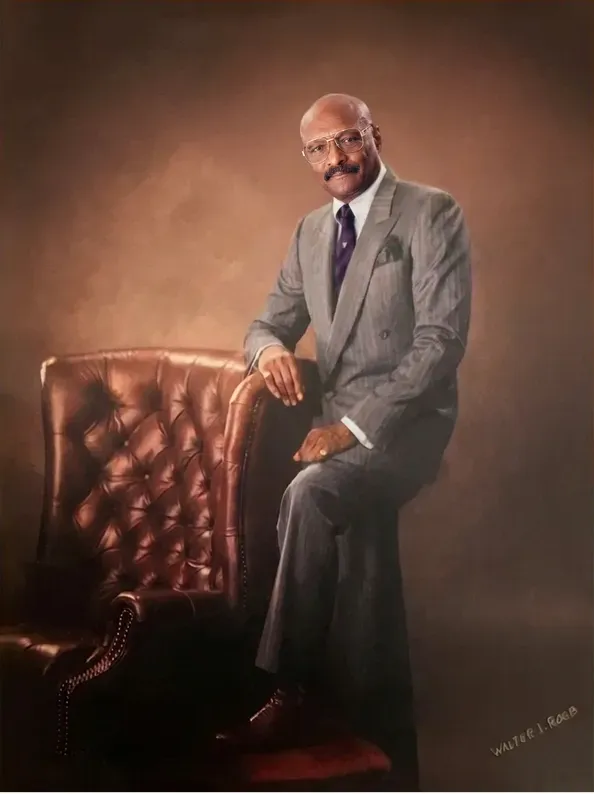 After
After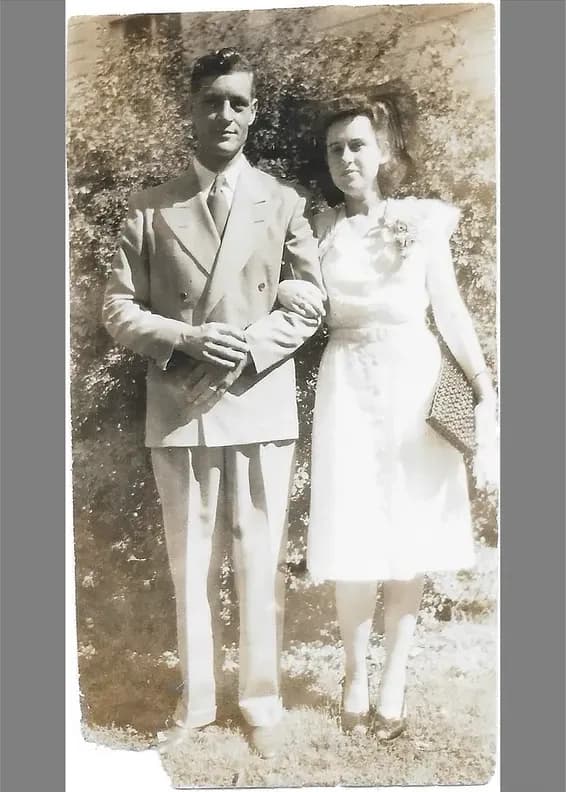 Before
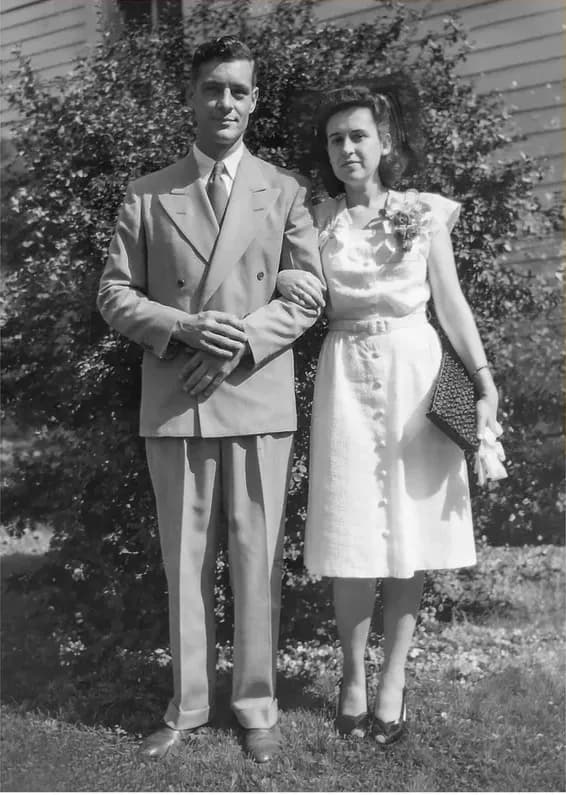 After
After
What the shop with a front door can actually do for the print
The local option deserves a fair hearing, so here is what it actually involves.
You walk in with the photo in an envelope. Someone puts it under a lamp, turns it over, and tells you the print is silvering along one edge and that the crease has cracked the emulsion. That conversation is real and it is worth something. A person is looking at your photograph, in a room, with the object in front of them.
Here is the part that usually gets skipped over. What happens next in that shop is the same thing that happens with us. The print goes on a scanner. A digital file comes off it. Every stroke of the actual restoration is done on that file, on a screen, with a pen tablet. The counter is where the object gets examined. The screen is where the photograph gets repaired. Standing a few feet from the scanner does not make the retouching better. The artist does, and so does the quality of the capture.
Two practical notes, neither of them a criticism of any particular shop. Opening hours are opening hours, so a job can sit waiting on the one person there who does restoration work. And terms are usually agreed across a counter rather than published, which suits everyone fine right up until there is a disagreement about what was promised.
So ask, plainly, and write the answers down:
- Who performs the retouching, by name or by role, and whether any stage of it is automated
- What the final price is, not the starting price, once the damage has been graded
- What a second round costs if the first version misses the likeness
- What you get back if the work never comes right, money or credit
- Where your original sits while the job is open, and who is responsible for it
MemoryCherish answers all five in public, in writing, before you spend anything. Real US artists do the work by hand, and no AI touches your photo at any stage. Restoration starts at $38, and the price is set by the artist tier you choose, never by how bad the damage is. The first proof usually comes back in about one to three days. Revisions are free until you are happy. If we never get there, you get your money back in cash. And your original never goes anywhere, because we start from a file you upload at your own kitchen table.
The capture decides more than the distance does
Every restoration begins from a digital file. That is true in a shop with a front door and true online. If the file is soft, dark or heavily compressed, everything after it becomes guesswork. Get the capture right and an artist a thousand miles away is holding exactly what an artist across town would have held.
- Scanner settings: 600 dpi is a sensible floor for a standard print, and going higher pays off on anything smaller than a playing card. Public libraries and copy shops usually have a flatbed you can borrow.
- Phone capture works if you are deliberate. Lay the print on a flat, matte surface in soft window light, switch the flash off, keep the camera square to the paper rather than tilted, move close enough that the photo fills most of the frame, tap the screen to lock focus, and shoot several so you can pick the sharpest.
- Framed and fragile: shoot through the glass rather than forcing the frame open, and shift your standing position slightly until the reflection slides out of shot.
- Keep the borders in. The unfaded margin under an old mount tells an artist what the original tone used to be.
- Send the full-size file. Messaging apps and mail clients shrink attachments quietly, which throws away the detail you just captured.
- Not sure it is good enough? Send it anyway. Our artists look at what arrives and tell you whether a better capture would help before any work starts.
This is also the reason the online route is gentler on the original. With MemoryCherish the print stays where it has lived for decades. Nothing is posted, nothing waits in a tray behind a counter, nothing gets misrouted between a courier and a shop. Pixels travel. The paper does not. When the photograph is the only copy left in the family, that is not a small detail.
There is one genuine exception, and it is narrower than it first sounds. A glass plate, a tintype, an oversized portrait, or a print fused to frame glass may need a person to handle the object and get it captured properly. That is a capture problem, not a restoration problem. Once a good file exists, send it to us. Real US artists restore it by hand from $38, with free revisions until you are happy and a 100% money-back guarantee behind it.
Quoted after a look, or fixed before you start
Local restoration is usually quoted. You show the print, someone assesses it, a number comes back. That is a reasonable way to price craft work, and it carries one consequence people rarely think through in advance: the worse the photo, the higher the quote. The prints that most need saving are the ones that cost most to save.
Some online services price the same way. At the time of writing, ScanCafe states its restoration prices are based on an evaluation of each individual photo, quoted in tiers by damage severity, that there is no charge to request a quote, and that it asks a 50% deposit on each approved quote. If you go down a damage-graded route anywhere, get the final figure in writing, because the number you are shown at the start of a job is not always the number at the end of it.
MemoryCherish sits in the fixed camp on purpose. Ordering opens at $38. What moves that number is the artist tier you choose, and nothing else. A torn portrait with water staining and mold speckles costs the same as a gentle fade at the same tier. We price it that way because a damage-graded price sends the largest bill to the person holding the most fragile photograph, and that is usually the person least able to shrug and walk away.
Three things to settle before you pay anyone:
- The final number, not a starting number and not a range
- What a second round costs. With us, nothing. Revisions are free until you approve the result
- What you receive if the work never comes right. With us, 100% of your money back in cash, not a credit note and not a swap for a different photo
One more thing belongs in the price conversation. The files we deliver are yours permanently. There is no subscription that has to keep running for you to keep the picture, no download link that expires, no account to keep paying for so your grandmother's face stays reachable. You download the restored file, and it is yours.
Who is actually doing the retouching
A street address tells you where a business is registered. It does not tell you whose hands are on your photograph, and that is the thing worth knowing.
Ask any provider, local or online, the same two questions, and ask for the answer in writing: does a person do this work, and is any stage of it automated? An automated pass tucked into the middle of an otherwise human job is easy to miss and hard to undo once the file comes back.
Our answer is the same one every time. US-based artists. No AI at any stage, not on the first pass, not on a cleanup pass, not on an upscale at the end. About four hours of hand work on an average photo. A bench with more than 37 years of combined restoration experience, and more than 400,000 families served. We rebuild only what the print still contains. Where part of a face is genuinely gone, we tell you what was reconstructed and what it was based on, rather than quietly handing back a complete face and letting you assume.
The reason to care is specific. Where detail is gone from the print, software has to generate what it puts in that space. Recovering detail and generating it are two different operations, and only one of them is constrained by what your photograph actually recorded. On a memorial portrait or a genealogy record, that distinction is the whole job. Our artists rebuild from the surviving grain and never invent a face, so a soft area is left soft rather than given a jaw line that was never on the paper.
One further question applies everywhere. Ask what happens with a group photo. Six faces means six rounds of the hardest work in the job, and it is fair to ask whether that changes the price or the schedule. With us, the artist tier you choose sets the price, and the condition of the photo never changes it.
Deadlines, and what each published timing figure covers
If a date matters, a memorial service, an anniversary, a print for a reunion, treat timing as its own question rather than a footnote.
Read every published figure literally, because different companies are timing different things. Some publish a first-proof date, which is the opening of the conversation rather than the end of the job. Some publish a delivery window. Mail-in services have a third clock running that nobody mentions, the one on your original traveling there and traveling back. At the time of writing, ScanCafe states restoration typically takes about a week, keeping the word typically, and separately states that originals are dispatched within 3 business days of final payment. Add both of those to any date you have in mind.
A local shop's schedule depends on its queue, its opening hours and how many people there actually do restoration work. None of that is published anywhere, which is exactly why you ask at the counter and write the answer down before you leave.
Ours, plainly. The first proof usually comes back in about one to three days. Revisions after that are free, and we keep going until you are happy with the likeness. Nothing is ever in the mail, so no courier sits between you and the deadline, and no week of transit has to be built into the plan.
Three questions get a usable answer from anyone:
- Is the date you just gave me a proof date or a finished date?
- How many revision rounds fit inside that window, and do they cost extra?
- What do you need from me, and by when, to hold it?
That last one matters more than people expect. Most delays in restoration are not artist delays. They are waiting on a better scan, waiting on a name for a face, waiting on the relative who owns the only other picture of that uniform. Send everything you have at the start and the schedule tends to hold.
What free revisions and money back should actually mean
Two promises get made all over this trade, and they are worth reading slowly, because the same two phrases cover very different things.
Free revisions. Ask how many. Ask how long the window stays open. Ask whether a change of direction counts as a revision or as a new order. At MemoryCherish, revisions are free until you are happy. Not three rounds. Not fourteen days. Until you are happy. That matters more than it sounds, because a first version is usually right about the damage and short on family knowledge. You are the only person who knows her hair was auburn, that the uniform was navy rather than black, that his jaw was heavier than the crease across it suggests. Telling us costs nothing and changes everything.
Money back. Ask what a guarantee actually pays out. Money returned to the card you used is one thing. Store credit is another. A free swap for a different photo is a third. Those are not equivalent, and the difference only shows up on the day you need it. Ours is a 100% money-back guarantee, paid in cash, on a job where the price was fixed before we started and your original never left the house.
Ask both questions of a local shop too. Plenty of good shops answer without blinking. Write the answers down anyway. It is your photograph, and asking is normal.
Pick this if
Take the object to a person only when the object itself is the problem: a glass plate, a tintype, a print bonded to frame glass, something too large for any scanner you can get to. What you need in that case is a good capture, and that is a scanning job. The restoring still happens afterwards, on a file, and you can send that file to us.
For everything else, and that is nearly every photograph in the box, choose MemoryCherish. An ordinary print you can scan or photograph on a kitchen table gets you:
- Restoration by hand from real US artists, never AI, at any stage
- Hand colorization by that same artist when you want it, as part of the same order rather than a separate job
- From $38 per photo, priced by the artist tier you choose, never by how damaged the photo is
- A first proof in about one to three days
- Free revisions until you are happy
- A 100% money-back guarantee, paid in cash
- Your original print never leaving your house
- Delivered files that are yours permanently
- More than 37 years of combined artist experience, a 4.96 out of 5 rating across 2,178 or more reviews, and more than 400,000 families served
That is the comparison in one line. A local studio puts the object in a person's hands for an afternoon. MemoryCherish puts the work in an artist's hands on terms you can read before you pay, with the print still sitting in your drawer the whole time.
The last thing worth saying is the thing everybody in this trade already knows. What loses photographs is not choosing the wrong service. It is another decade in a warm attic while the decision waits, another summer of silvering along that edge. Upload the photo today and let a real artist start work on it.
What it costs with us
From $38 per photo, you choose your artist
The price is set by the artist tier you choose, never by how damaged your photo is. Free revisions until it’s right, and a cash refund — not store credit — if we can’t make it perfect.
The MemoryCherish Guarantee: Love it or every cent back within 30 days. Cash, not store credit. Free revisions until it looks exactly like you remember. And if a photo just can’t be restored, we’ll tell you honestly and you won’t pay a thing. Read the full guarantee
Questions people ask
Is a local photo restoration studio better than an online one?
Does my original have to leave the house?
How should I scan or photograph an old print for restoration?
How much does local photo restoration cost?
What if the finished restoration does not look right?
Can either option meet a hard deadline like a funeral?
Do you use AI to restore photos?
Keep comparing
- Best Hand Photo Restoration Services in 2026 (And How to Check the Claim)
- Photo Restoration Quality in 2026: How to Judge a Restored Face
- Best Photo Restoration for Large Photo Collections: How to Restore a Box of Old Family Photos
- MemoryCherish vs ScanCafe: Who Should Restore the Photo That Matters?
- MemoryCherish vs Forever Studios: Hand Restoration, Side by Side
- MemoryCherish vs FixThePhoto: Restoration Studio or All-Purpose Editing Service
More on this kind of damage
Last updated August 1, 2026. Company details are taken from each company’s own public pages at the time of writing and may change, so we cite the page we read rather than linking to it. Check the current wording with any company before you order.