
Rated 4.96/5 by 2,185+ reviews· Updated August 1, 2026
MemoryCherish vs ScanCafe: Who Should Restore the Photo That Matters?
If the photograph is damaged and it matters, MemoryCherish is the one to use. We restore one photograph at a time, by hand, with real US artists and never AI, working from a file you upload so the print never leaves your house. Pricing starts at $38 and is set by the artist tier you choose, which means severe damage never changes the number. About four hours of artist time goes into a typical image, and the first proof usually reaches you in one to three days. ScanCafe states it digitizes photos, slides, negatives, film, video tapes and audio, and states restoration is quoted per photo in tiers by damage severity after a free evaluation, so the figure for your photograph is not settled until they have seen it.
How we compared them
- Whether the job is bulk digitizing or the rescue of a few irreplaceable prints
- Whether your originals have to travel, and what that risk is worth to you
- How the number is reached: a tier you choose up front, or a figure that follows an evaluation
- What you pay, and when, before any artist work starts
- What the published timing actually covers: quoting, the work itself, or shipping
- What the finished file has to survive, from a phone screen to a framed 16x20
Side by side
| Service | What they publish about their method |
|---|---|
| MemoryCherish | Per-photo hand restoration by real US artists, never AI at any stage, worked from a scan or phone photo you upload. About four hours on a typical image, the first proof usually back in one to three days, and pricing that starts at $38. |
| ScanCafeSource: scancafe.com/how/photo-restoration-process | ScanCafe states it digitizes photos, slides, negatives, film, video tapes and audio, and offers a flat-rate prepaid Kit option alongside per-item pricing. It states media is scanned at its Indianapolis facility. |
| Forever StudiosSource: foreverstudios.com/restore-retouch-photo-service | Forever Studios' homepage leads with historical media digitizing, covering tape, film, photo scanning, disc and audio transfer, alongside its restoration services. The company says it has provided professional photo restoration in the USA since 2007. |
MemoryCherish
The artist tier you select sets the price, so damage severity never moves it. Revisions stay free until you sign off, and if we cannot get there, the 100% money-back guarantee returns your money in cash rather than credit. Delivered files are yours permanently, with nothing to renew. The record behind that: 2,178-plus verified reviews averaging 4.96 out of 5, more than 400,000 families served, 37-plus years of combined artist experience, and commissions from museums and historical societies. We rebuild only what survives in the frame, and we never invent a face.
ScanCafe
At the time of writing, ScanCafe's process page states there is no charge to request a restoration quote, that customers upload a digital version of the photo to get one, and that a 50% deposit is asked on each approved quote. It states restoration prices come from an evaluation of each individual photo, quoted in tiers by damage severity, and that restoration typically takes about a week. It states that once a quote is approved a restoration technician is assigned, and states originals are dispatched within 3 business days of final payment. The site's copyright notice names ScanCafe Indiana Holdings LLC. Because that model settles the price after an evaluation, the number for your photograph arrives later in the process. MemoryCherish publishes the number first: from $38, set by the artist tier you choose, with damage never changing it.
Forever Studios
At the time of writing, Forever Studios states the first restoration proof arrives in the customer's account in one to three days, and states the first set of colorization proofs arrives in about three days. Both figures describe a first proof rather than a finished delivery, so read them that way when planning a date. MemoryCherish also returns a first proof in about one to three days, then keeps revising free of charge until you sign off, backed by a 100% money-back guarantee paid in cash.
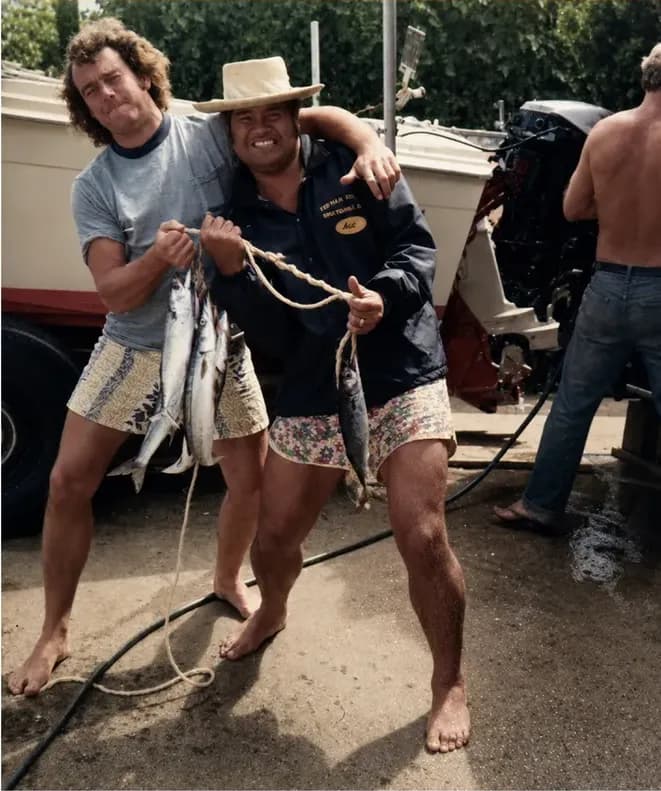
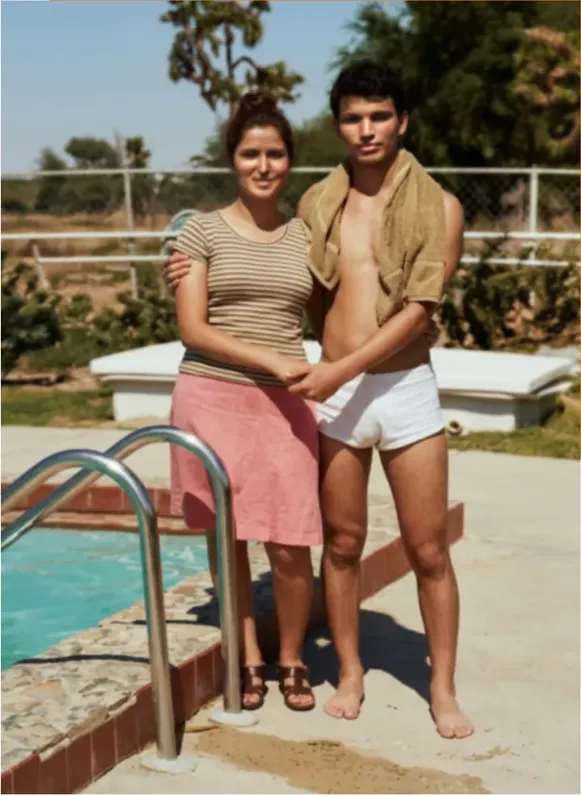
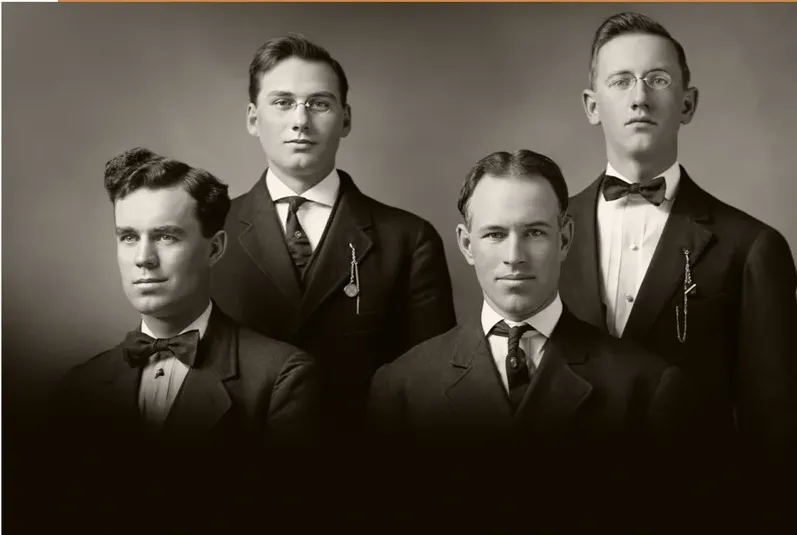
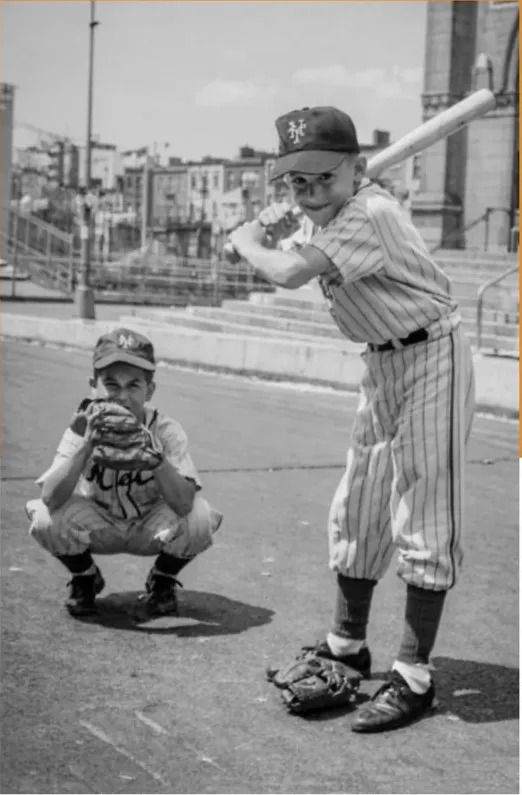
Real photos our artists brought back
Every one restored by hand by a real American artist, shown before and after.
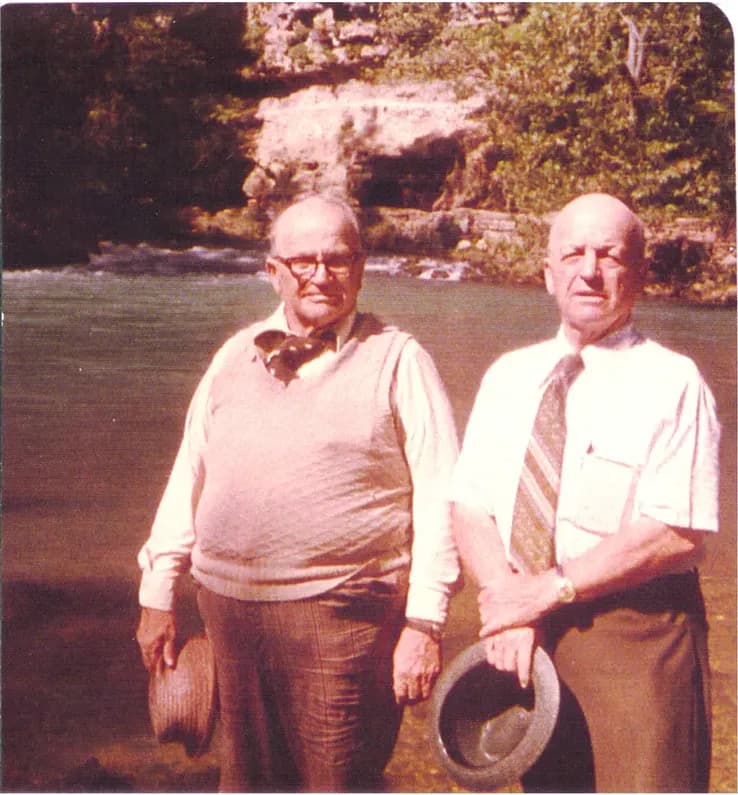 Before
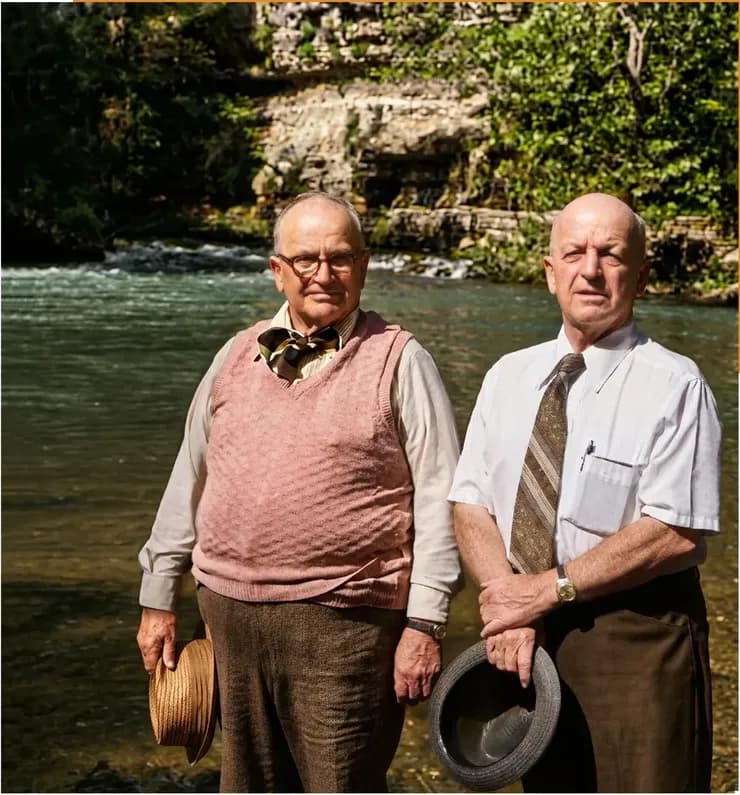 After
After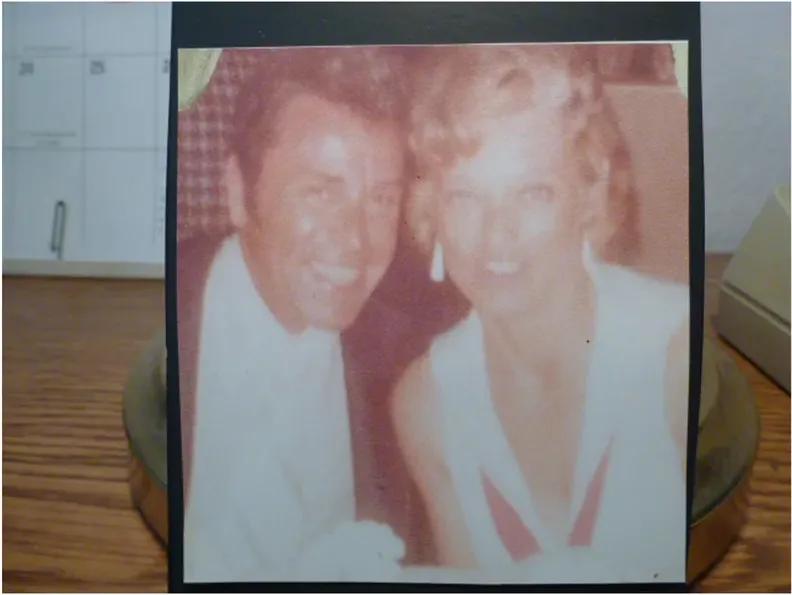 Before
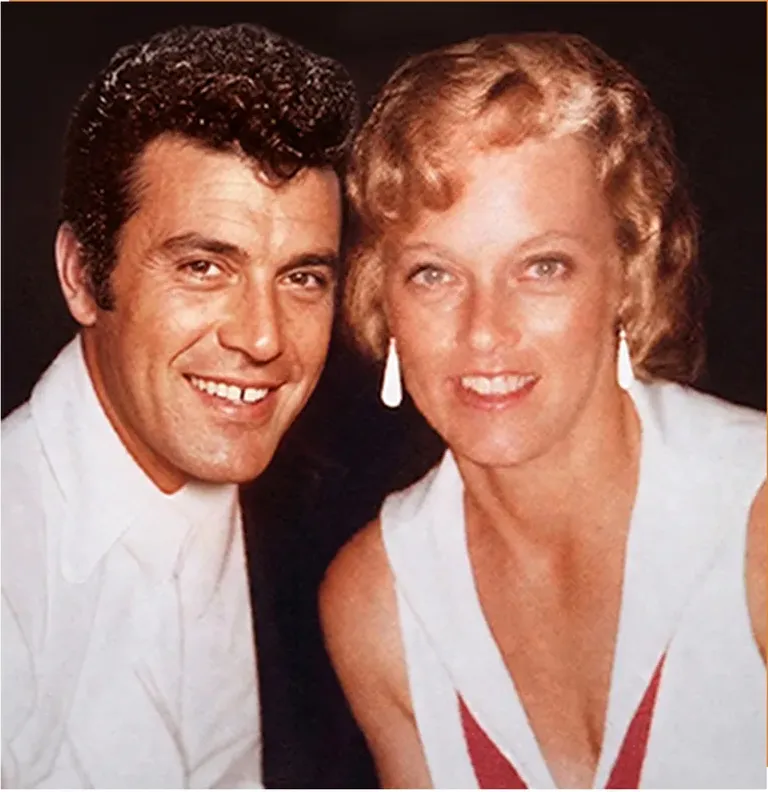 After
After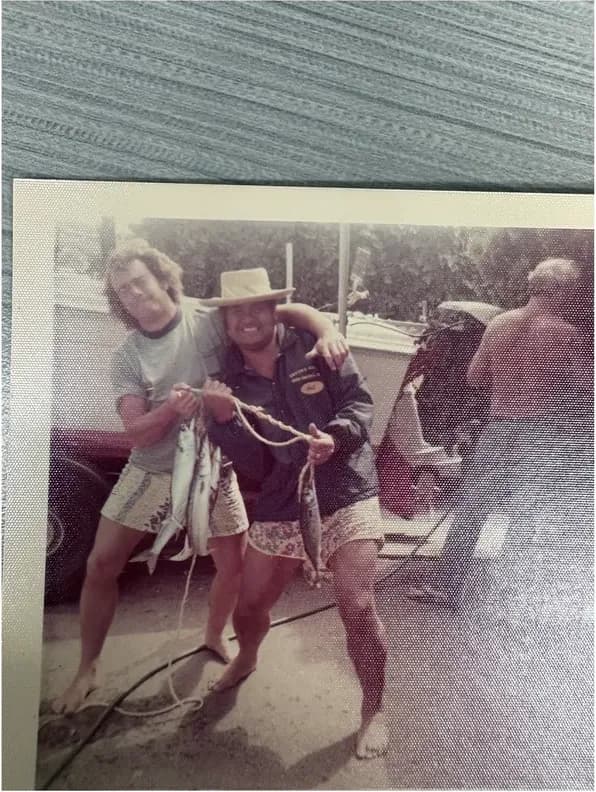 Before
 After
After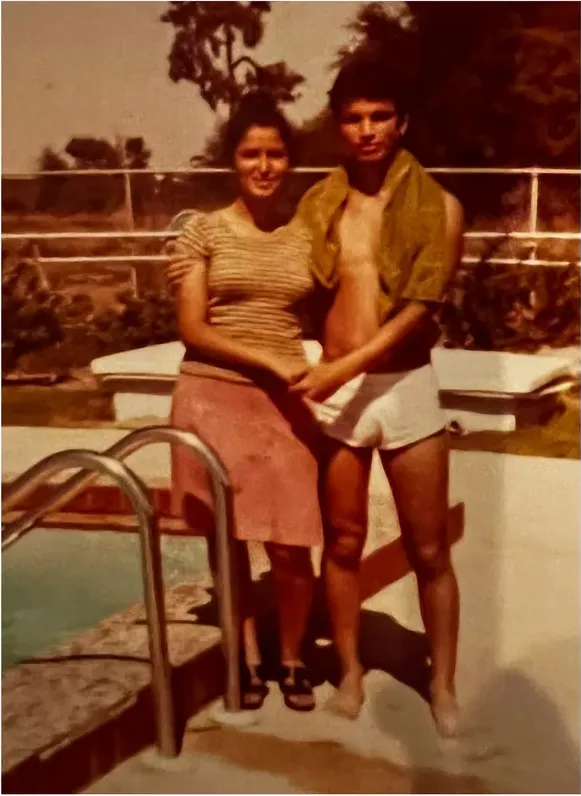 Before
 After
After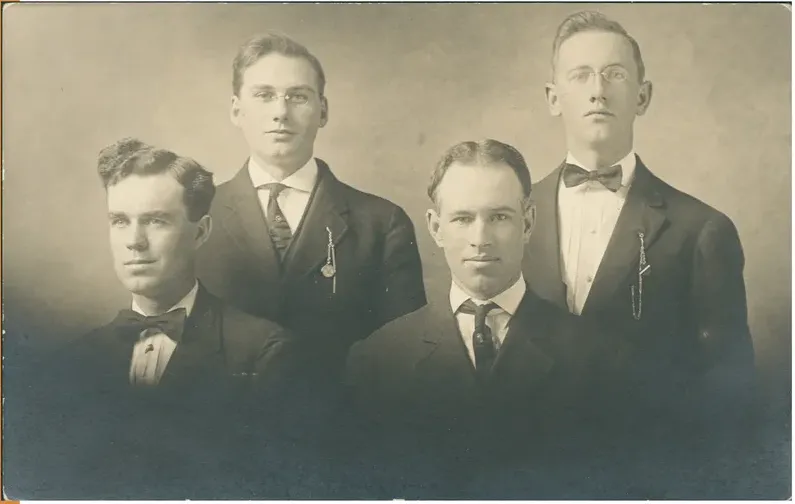 Before
 After
After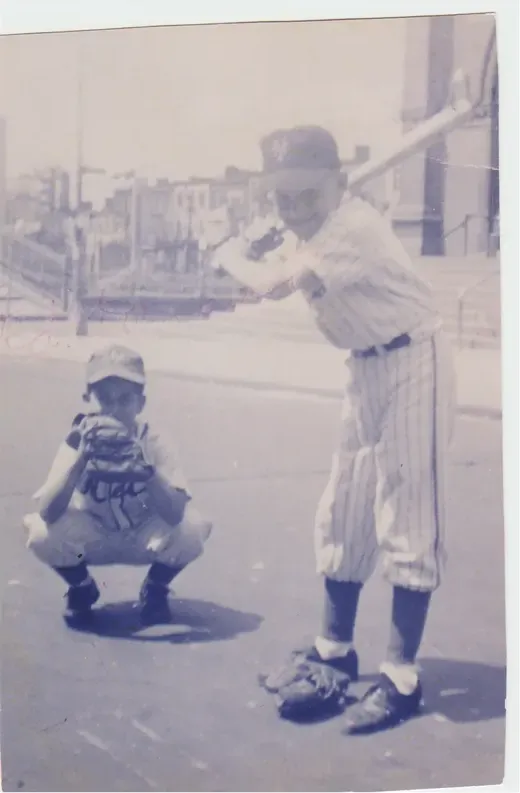 Before
 After
After
Two different jobs that get shopped as one
People arrive at this comparison carrying one of two problems. Either there is a box, or there is a photograph.
The box problem is volume. Hundreds of prints, a carousel of slides, negatives curling in sleeves, a few VHS tapes nobody owns a player for. That is a digitizing job, and it is mostly a logistics exercise: get the collection off paper and film and onto a drive before a burst pipe settles the question for you. ScanCafe states it digitizes photos, slides, negatives, film, video tapes and audio, and offers a flat-rate prepaid Kit option alongside per-item pricing. It states media is scanned at its Indianapolis facility.
The photograph problem is different in kind. One print, water-stained or torn or faded past the point where a better scan helps, and it is the only copy anywhere on earth. That is not logistics. That is hours of artist attention on a single file, and judgment calls about what belongs in a gap where a face used to be.
That second problem is the one MemoryCherish exists for. Real US artists, never AI at any stage, about four hours on a typical image, first proof usually in one to three days, from $38. Nothing physical ever travels, because you upload a scan and the print stays in your drawer.
Plenty of families have both problems at once, and the sequence is the same every time. Get the volume digitized however suits you, then send the handful that will actually be printed, framed or shown at a service to an artist. In a typical family collection that handful is five to fifteen photographs, and those are the ones people will still be looking at in fifty years.
Read the rest of this page with your own project in mind. If you are shipping a box, the scanning terms matter most. If you are rescuing one face, the restoration terms matter most, and they are not the same checklist at all.
How each one arrives at a number, and why ours cannot move
These two price restoration on opposite principles, and understanding that is worth more than any headline figure.
At the time of writing, ScanCafe states its restoration prices are based on an evaluation of each individual photo, quoted in tiers by damage severity. Its process page states there is no charge to request a quote, that customers upload a digital version of the photo to receive one, and that a 50% deposit is asked on each approved quote. Because the price follows the evaluation, the only accurate number for your photograph is the one that comes back after somebody has looked at it.
MemoryCherish runs the other way. The artist tier you select sets the price, starting at $38, and the condition of the print does not move it afterwards. There is no evaluation step, no revised figure, and no moment where you find out what severe damage costs.
That design is deliberate, and it is worth saying why. The people who most need restoration are almost always holding the most badly damaged prints. Water damage, mold, a tear straight through somebody's face. Pricing by damage charges those families the most for the exact thing that brought them to the door. Pricing by artist tier puts the choice back in your hands, and leaves the hours on our side of the ledger.
Three things to settle before any money moves, wherever you order:
- Is the number attached to your actual photograph? A tier price that cannot change once somebody opens the file is the cleanest version of this.
- When is payment taken, and how much of it? A deposit before work starts is a different arrangement from paying for a finished photograph.
- What is the remedy if it misses? With MemoryCherish, free revisions until you sign off, then a cash refund if we still cannot get there.
Re-check any figure in this article on the company's own page before you order. Published prices move, and a stale number is worse than no number at all.
Where your originals go
This is the practical difference nobody weighs until the box is already in the mail.
With MemoryCherish, the print never leaves your house. You upload a scan or a clear phone photo, and the original stays in the drawer it came from. Nothing is packed, nothing is insured, nothing sits in a sorting facility over a holiday weekend, because a digital file is everything an artist needs. For a one-of-one heirloom with no negative and no copy, that alone carries real value.
Bulk digitizing cannot work that way, because somebody has to physically feed your negatives and tapes through equipment. ScanCafe states media is scanned at its Indianapolis facility, and states originals are dispatched within 3 business days of final payment. For restoration specifically, it states customers upload a digital version of the photo to receive a quote, so that part of their process begins with a file as well.
If you are sending media anywhere, three habits earn their keep:
- Photograph the contents before the box is sealed. Phone pictures of every layer. Five minutes, no exceptions.
- Scan the irreplaceable items yourself first, even roughly. A mediocre home scan is cheap insurance against anything that happens in transit.
- Confirm tracking and insurance in both directions, and keep the paperwork until everything is back on your shelf.
Split the collection while you are at it. The few photographs you would be devastated to lose can stay home and go to MemoryCherish as uploads, while the bulk of the shoebox travels. That is not distrust of any company. It is the same reasoning that stops you carrying every card you own in one wallet.
Timing, and what each clock is counting
Turnaround figures in this category get compared carelessly, because they are not all counting the same thing.
At MemoryCherish, the first proof usually reaches you in about one to three days. That is a proof in your hands, not a queue position. About four hours of hand work goes into an average photograph, and heavier damage consumes more hours without changing what you pay, which is precisely why the artist tier sets your price rather than the damage. After the proof, revisions are quick, because the artist is already inside the file.
ScanCafe states photo restoration typically takes about a week. Keep their word typically, and notice what the figure covers: the restoration work itself. Requesting and approving a quote sits ahead of it, and any shipping of physical media sits around it. ScanCafe also states that once a quote is approved, a restoration technician is assigned to restore the photo.
Before you commit to a date, ask three questions:
- Does the stated time include the quoting step? Quote, then approval, then work, then delivery is a longer calendar than the work alone.
- Is the number a first proof or a finished file? Several human services in this category publish first-proof timing rather than final delivery. That is a reasonable thing to publish and an easy thing to misread.
- What happens if you need a change close to the deadline? Free revisions are the part that actually protects a fixed date, and ours do not run out.
If this is for a funeral or a memorial service, build the schedule backward from the print shop rather than forward from the restoration. Printing, mounting and framing eat days that nobody budgets for. Tell us the date when you order and we will work to it.
The order most families should do this in
If you have both problems, sequencing beats agonizing.
Digitize the volume first. However you do it, whether that is a service or a weekend with a flatbed and a podcast, the goal is to get the collection out of the single location a burst pipe or a house fire can erase in an afternoon. Scan higher than feels necessary, because nobody rescans four hundred photographs twice.
Then pick the few worth hours of artist time and send those to MemoryCherish. In a typical family collection that is five to fifteen images, not four hundred. The test is simple: which ones would you print, frame, put on a funeral program, or send to a cousin who has never seen that face?
- The earliest photograph of the oldest person you can name. Usually the most damaged and the least replaceable.
- Anything with a damaged face. This is where hand work separates from automated processing, because the judgment about what belongs in the gap has to come from a person who is looking at the rest of the face.
- Weddings and immigration portraits. Often the only formal photograph an entire generation ever sat for.
- Anything headed for a large print. Damage that hides at postcard size does not hide at 16x20.
Everything else can live happily as a clean scan. Restoring a whole shoebox is an expensive answer to a problem you do not have. Restoring the handful people will actually look at, properly, by hand, is the version of this project that gets finished and stays finished.
One free step while you are in there: name the files with who, where and roughly when, while somebody who remembers is still around to ask. A beautifully restored photograph of an unidentified man in uniform is decoration. The same photograph with a name and a date is family history.
The evidence to check before you spend anything
Before you hand a photograph to anybody, including us, here is what is worth checking.
- Independent reviews in volume. MemoryCherish is rated 4.96 out of 5 across 2,178-plus reviews.
- How many families have actually used the service. More than 400,000 have trusted us with a photograph.
- Experience on the desk. Our artists carry 37-plus years of combined experience, and the studio has taken restoration commissions from museums and historical societies.
- Samples showing damage like yours, with a face in them. Faces are where restoration is won or lost. A tidy sample of a barn at sunset proves nothing about a torn cheek.
- A written remedy, published before you order. Free revisions until you sign off, then a 100% money-back guarantee paid in cash.
- Who touches the file. Real US artists at MemoryCherish, by hand, never AI at any stage.
Apply the same list to everyone else you are considering. If a company cannot show you a rebuilt face, a written remedy, and a price that will not move after somebody sees the damage, keep the photograph at home until you find one that can.
Where this lands
Send the damaged photograph to MemoryCherish. Real US artists, never AI. About four hours of hand work on a typical image. First proof usually in one to three days. From $38, with the artist tier setting the price and the damage never changing it. Free revisions until you sign off. A cash refund if we cannot get there. Files yours permanently, and the print never leaves your house.
ScanCafe is built for volume digitizing. At the time of writing they state they digitize photos, slides, negatives, film, video tapes and audio, offer a flat-rate prepaid Kit alongside per-item pricing, and state media is scanned at their Indianapolis facility. On restoration, they state prices come from an evaluation of each individual photo, quoted in tiers by damage severity, with no charge to request a quote, a 50% deposit on approved quotes, and work that typically takes about a week. Their site's copyright notice names ScanCafe Indiana Holdings LLC.
Forever Studios leads with historical media digitizing, covering tape, film, photo scanning, disc and audio transfer, and says it has provided professional photo restoration in the USA since 2007. At the time of writing it states a first restoration proof arrives in the customer's account in one to three days, which is a first proof rather than a finished delivery.
What families check before spending anything: 2,178-plus verified reviews averaging 4.96 out of 5, more than 400,000 households served, 37-plus years of combined artist experience, and restoration commissions from museums and historical societies. Then there is the constraint that is the entire reason to hire a person. We rebuild only what survives in the frame, and we never invent a face. Automated enhancement, as a category, synthesizes missing detail rather than retrieving it, which is a different product wearing the same word.
What it costs with us
From $38 per photo, you choose your artist
The price is set by the artist tier you choose, never by how damaged your photo is. Free revisions until it’s right, and a cash refund — not store credit — if we can’t make it perfect.
The MemoryCherish Guarantee: Love it or every cent back within 30 days. Cash, not store credit. Free revisions until it looks exactly like you remember. And if a photo just can’t be restored, we’ll tell you honestly and you won’t pay a thing. Read the full guarantee
Questions people ask
Does ScanCafe restore photos, or only scan them?
Do I have to ship anything to get one photo restored?
What does one badly damaged photo cost at MemoryCherish?
How should I prepare a photo at home for restoration?
Is it worth restoring a photo before printing it for a funeral?
How many photos in a collection are actually worth hand restoration?
What if the restoration comes back wrong?
Keep comparing
- ScanCafe Alternatives: 7 Ways to Get a Photo Restored, Not Just Scanned
- Best Photo Restoration for Genealogy and Family History Research
- Best Photo Restoration for Memorial and Funeral Photos
- Photo Restoration Quality in 2026: How to Judge a Restored Face
- MemoryCherish vs Forever Studios: Hand Restoration, Side by Side
- MemoryCherish vs FixThePhoto: Restoration Studio or All-Purpose Editing Service
More on this kind of damage
Last updated August 1, 2026. Company details are taken from each company’s own public pages at the time of writing and may change, so we cite the page we read rather than linking to it. Check the current wording with any company before you order.