
Rated 4.96/5 by 2,185+ reviews· Updated August 1, 2026
Forever Studios Alternatives: 7 Photo Restoration Options Compared
At the time of writing, Forever Studios' site lists a per-image price for photo restoration and states the first proof reaches the customer's account in one to three days. If you want the work structured differently, start with MemoryCherish. Your photo is restored by hand by real US artists, never AI at any stage, from $38 per photo, and the price is set by the artist tier you choose rather than by how damaged the picture is. The first proof usually reaches you in about one to three days, revisions stay free until you are happy, and the guarantee returns your money in cash. Your original print never leaves your house, because everything starts from a file you upload. The other options below are here so you can see what else exists, each described in its own published words.
How we compared them
- Price model: per image, quoted per photo, or a subscription you operate yourself
- Whether the figure moves with how damaged the photograph is
- Whether a real person does the work at every stage, or software does part of it
- What each company publishes about revisions, in its own wording
- The published remedy if the result disappoints, and what form it takes: cash or credit
- Which stage a published timing figure describes, proof or delivery
- Whether your original print has to leave the house
- Whether colorization is offered, and how the color gets decided
The shortlist
| Service | What they publish about their method |
|---|---|
| MemoryCherish | Per-image hand restoration by US-based artists, never AI at any stage, roughly four hours of work on an average photo, from $38 with the artist tier you choose setting the price |
| RetouchUpSource: retouchup.com/services.php | RetouchUp describes its offering as human-powered and states that a human touch is the only proper way to treat artwork |
| FixThePhotoSource: fixthephoto.com/pricing | FixThePhoto states its professional retouchers follow the customer's photo editing guidelines, and its about page describes the company as a group of skilled retouchers, editors, designers and storytellers |
| RememorieSource: rememorie.com | Rememorie's homepage states that images are restored and colorized by professional artists, not robots or AI, and its restoration page states the work is done by hand using highly manual, AI-free tools |
| ScanCafeSource: scancafe.com/how/photo-restoration-process | ScanCafe states restoration prices are based on an evaluation of each individual photo, quoted in tiers by damage severity, and that a restoration technician is assigned once a quote is approved |
| Topaz Photo (Topaz Labs)Source: topazlabs.com/topaz-photo | Topaz describes Topaz Photo as a desktop-based, AI-powered application used to enhance image and photo quality, and states its AI was trained on millions of images |
| Hotpot.ai (AI Picture Restorer)Source: hotpot.ai/restore-picture | Hotpot states its AI Picture Restorer restores, sharpens and repairs pictures with AI, automatically performing scratch removal, face enhancement and color sharpening |
MemoryCherish
The price is set by the tier of artist you pick, not by how bad the damage is, so a badly torn print does not cost more than a lightly faded one. Revisions stay free until you sign off. The money-back guarantee pays cash rather than issuing credit toward a future order. The delivered files are yours permanently. Your original print never leaves your house, because everything starts from a file you upload. Restoration experience across the team adds up to more than 37 years, museums and historical societies are among our clients, and the published rating is 4.96 out of 5 from 2,178 or more verified reviews, with over 400,000 families served.
RetouchUp
At the time of writing, it states all its pricing is per image rather than per task, and that it bills per photo with no contracts or minimums. It advertises free reworks, their term, and a 100% satisfaction guarantee. RetouchUp states its artists do photo retouching and restoration full time rather than seasonally, that it was established in 2006, and that it was created by Hollywood FotoFix, Inc., which it says has been in business since 1993. Its site lists a business address at 345 South Main St, Alpine, UT 84004. Those are their published statements, reported as such. Before you hand an irreplaceable family photograph to anyone, ask what the remedy is if the finished file never satisfies you, and get the answer in writing. MemoryCherish publishes free revisions until you are happy and a 100% money-back guarantee paid in cash.
FixThePhoto
At the time of writing, its pricing page lists restoration as a from figure rather than a flat one, so the number you see is a starting point and the final figure for your specific image has to be confirmed. Its published workflow includes a step where the customer accepts the retouched photos or requests changes. The company describes itself as an online photo editing service without geographic limits rather than a fixed-location studio, and says it was founded in 2003. If a fixed number before you order matters to you, MemoryCherish starts at $38 and the figure is set by the artist tier you choose, not by the damage in the photograph.
Rememorie
At the time of writing, its site states standard delivery of 1 to 4 business days and states that a 24-hour delivery option is offered. Pricing is published as a flat per-photo figure with a lower bulk rate and a colorization add-on, so check the current numbers on their pages. Rememorie describes itself as a small team of experts whose artists have provided restoration, editing and design services for over a decade. Those are their published statements. MemoryCherish sets out its own terms the same way: a named US artist works on your photograph by hand from $38, revisions stay free until you approve the file, and the guarantee refunds in cash if it never lands.
ScanCafe
At the time of writing, its process page states you upload a digital version of the photo to get a quote, and that it asks a 50% deposit on each approved quote. It states restoration typically takes about a week, and that originals are dispatched within 3 business days of final payment. It digitizes photos, slides, negatives, film, video tapes and audio, states media is scanned at its Indianapolis facility, and offers a flat-rate prepaid Kit option next to per-item pricing. Note the shape of a quoted model: the number arrives after someone has judged how bad your photograph is, and severity sets the tier. MemoryCherish prices the other way round. You pick the artist tier, you see the price before you order, and heavy damage does not raise it.
Topaz Photo (Topaz Labs)
At the time of writing, Topaz lists archival images as a use case, including removing dust and scratches, adjusting lighting and color, and restoring images to their original sharpness, through a set of AI-powered tools plus an autopilot mode on Mac and Windows. It states it offers private local rendering in which files never leave your computer, and it also offers cloud rendering. The product is sold on recurring subscription plans rather than per photo. Topaz states it will provide a full refund if notified within 2 days of purchase, and defines Personal-plan commercial use as organizations under $1M USD annual revenue. What you are buying is software plus your own hours at the screen. A MemoryCherish order costs $38 to start and a trained artist spends about four hours on the photograph instead of you.
Hotpot.ai (AI Picture Restorer)
At the time of writing, Hotpot offers the restorer free with no account needed, and states the free service repairs both color photos and black-and-white ones. It states the tool is designed to help consumers with lightweight requirements while helping professionals save time on difficult restoration requests, and states that while the service automates photo restoration, it “cannot replace experts for demanding restoration jobs”. It also states free images are limited by the CC BY-NC license. That last line is their own, and it is worth taking at face value. The photograph of your grandmother is a demanding restoration job, and it is the kind of work MemoryCherish artists do by hand.
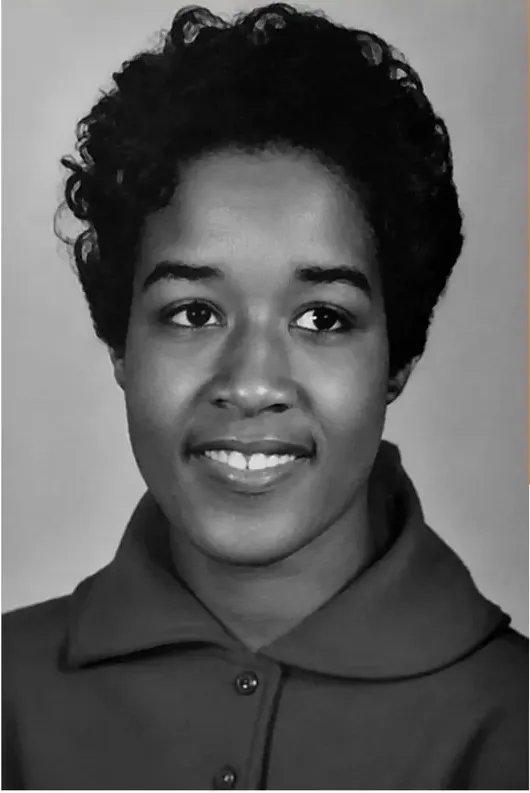
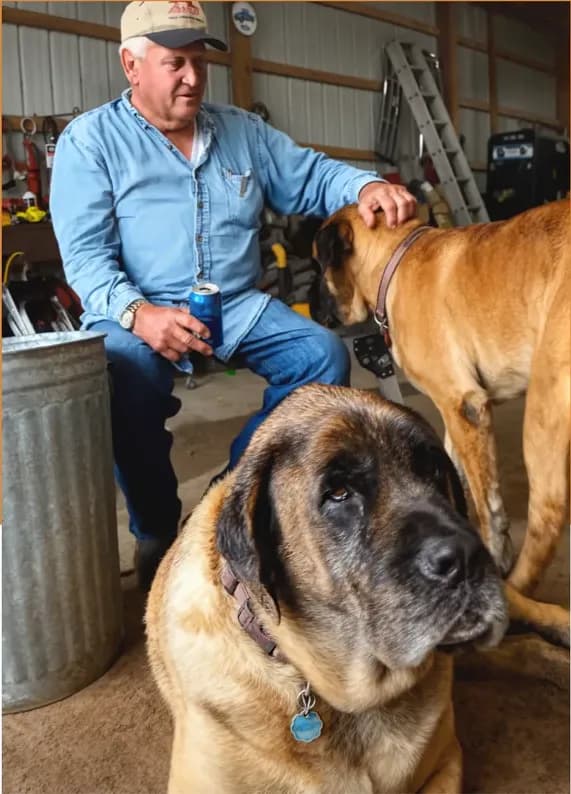
Real photos our artists brought back
Every one restored by hand by a real American artist, shown before and after.
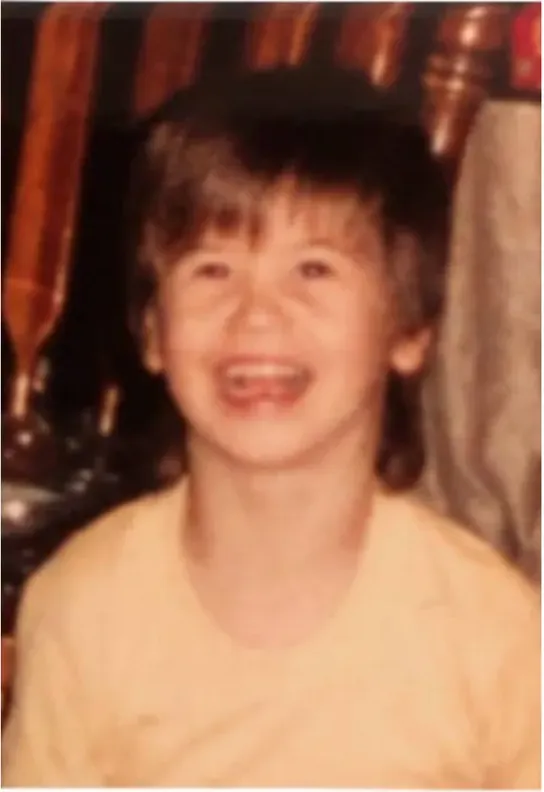 Before
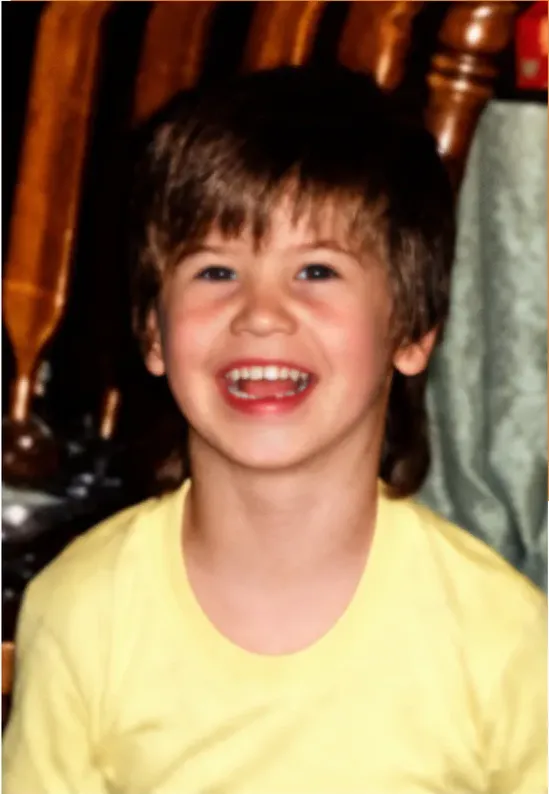 After
After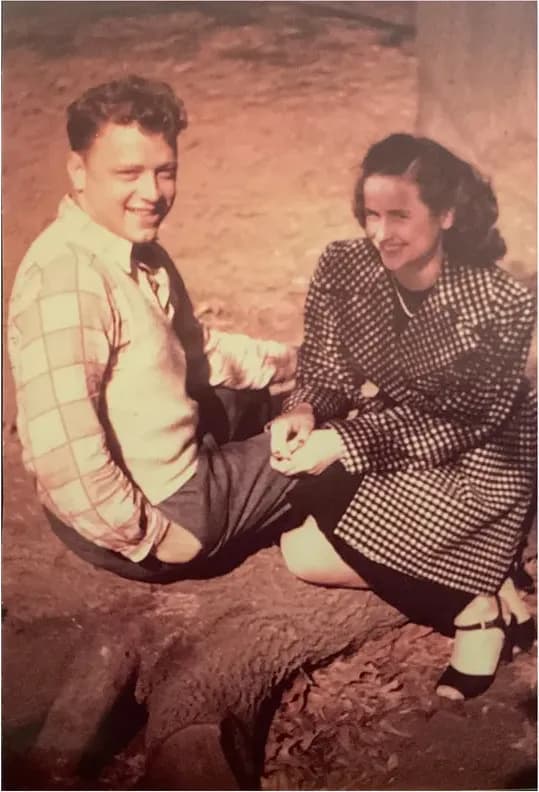 Before
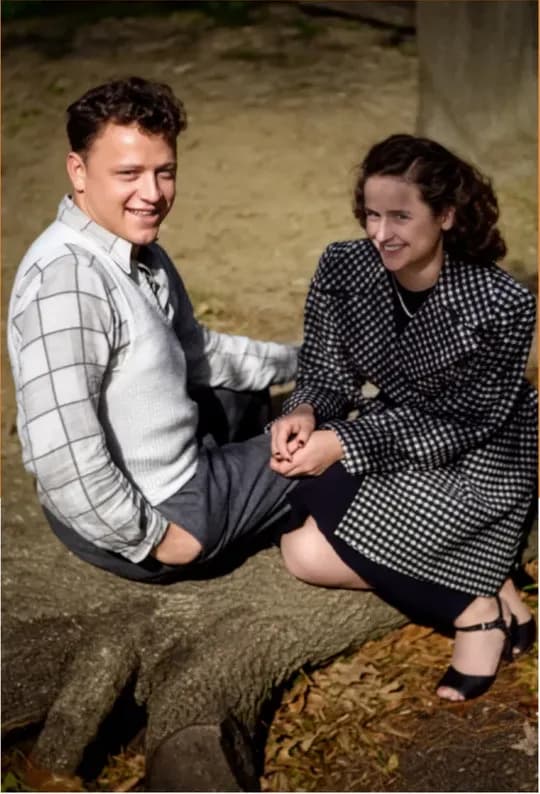 After
After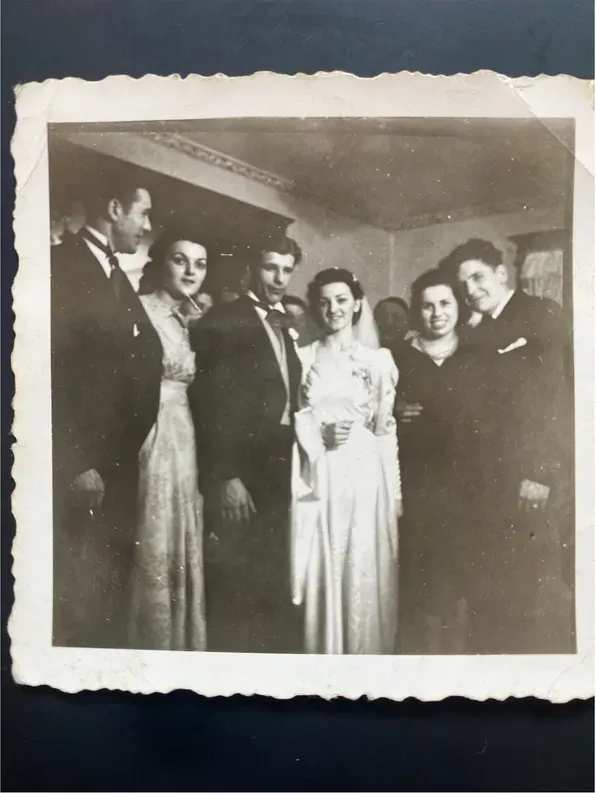 Before
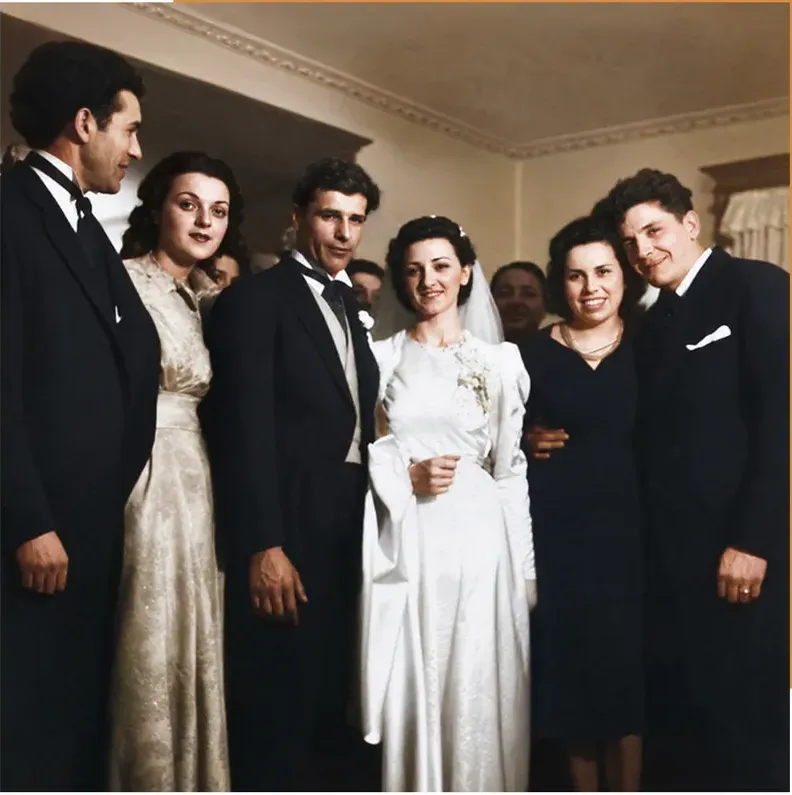 After
After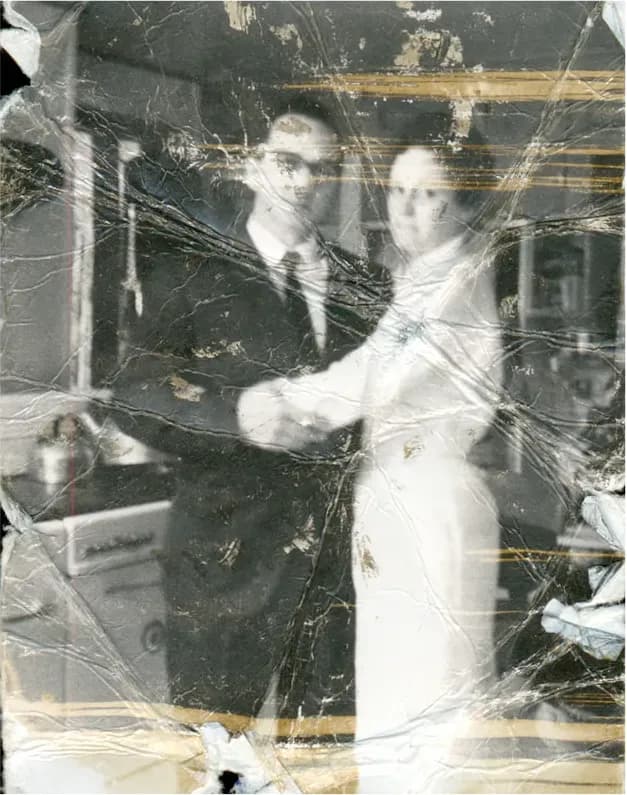 Before
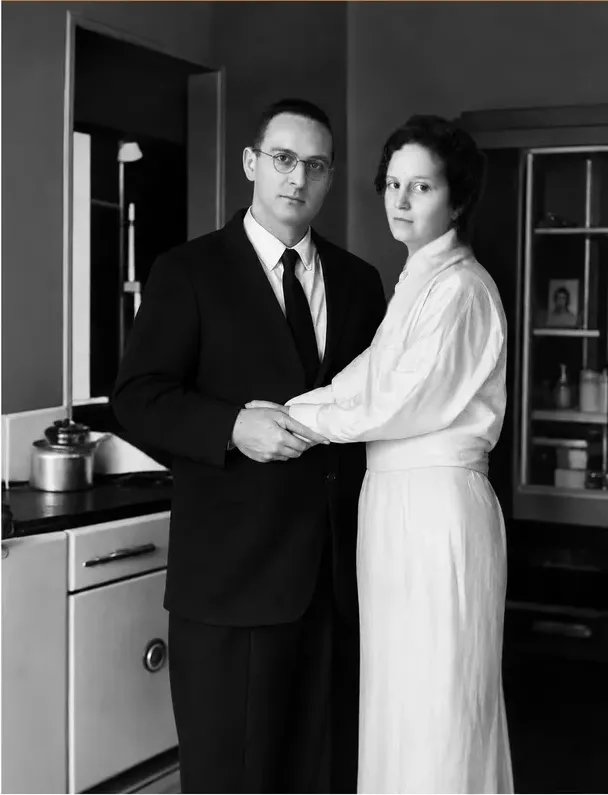 After
After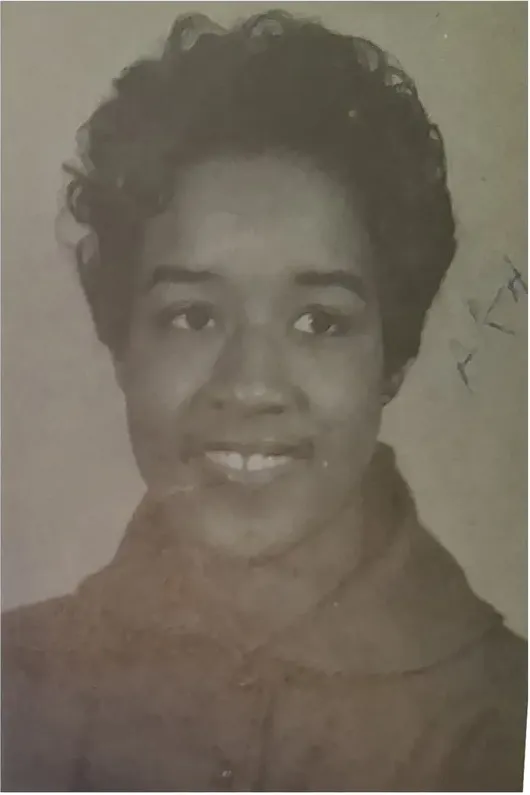 Before
 After
After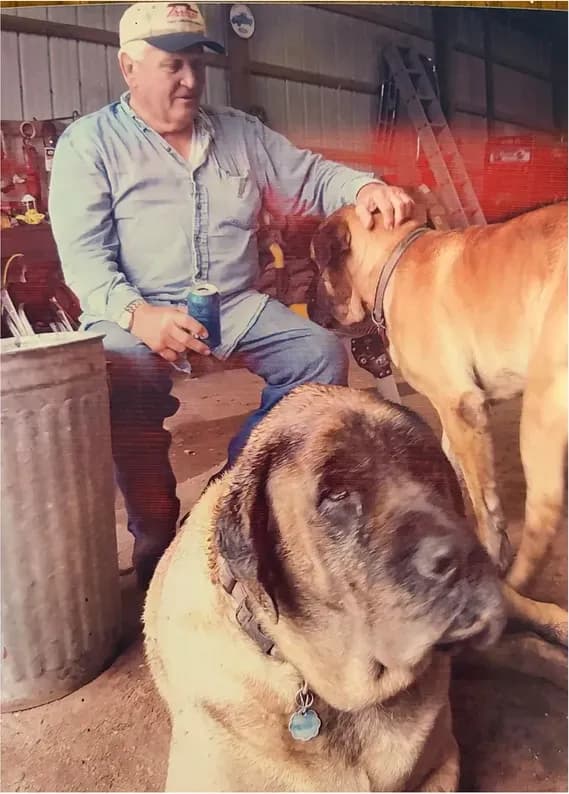 Before
 After
After
What Forever Studios publishes, so you know the baseline
Start with the baseline. Everything in this section comes from Forever Studios' own pages, checked at the time of writing, and is reported as their published claim rather than as verified fact.
On price, their restore and retouch page lists a flat per-image figure for photo restoration, and a higher per-photo figure for colorization of black-and-white photos. Check the current numbers on their pages before you order anything.
On timing, the site states the first restoration proof is delivered to the customer's Forever Studios account in one to three days, and the colorization page states the first set of proofs arrives in about three days. Both figures describe a proof stage. A proof opens the conversation rather than closing the job, so anyone working to a fixed date should ask directly what completion looks like.
On method, Forever Studios says its US-based team of restoration professionals reverses aging and damage in photographs by hand, and its colorization page draws a contrast between its own service and AI-based online colorization companies. That is their positioning, on their page.
On aftercare, at the time of writing the site states unlimited revisions are included with a restoration, and states that a dissatisfied customer may submit a different photo for restoration or receive store credit for the full amount. Read that last part slowly, because the form of a remedy matters. Store credit keeps your money inside the company and hands you another order. It is a real remedy and plenty of buyers are content with it. It is also the single clearest structural difference on this page, because MemoryCherish refunds in cash. If the restored file never satisfies you, you get your money back rather than a voucher for a photograph you did not set out to have restored.
People compare services for ordinary structural reasons rather than complaints: a remedy paid in money instead of credit, a price that stays put on a badly damaged print, a finished date instead of a proof date, and certainty that no software touched the face. The rest of this page is organized around those reasons.
What MemoryCherish does, in plain terms
Here is our own offer stated plainly, so you can hold it against anything else on this page.
- From $38 per photo. The price is set by the artist tier you choose. It is not set by how torn, faded, stained or water damaged the picture is. A photograph in rough shape does not cost more here.
- Restored by hand by real US artists. Never AI, at any stage. A person looks at the face and rebuilds what the damage took, working from what the photograph still holds.
- About one to three days for the first proof. An average photo takes an artist somewhere near four hours of work.
- Free revisions until you are happy. Not one free round. Until you sign off.
- A 100% money-back guarantee, paid in cash. Not store credit, not a voucher toward a future order.
- Your original print never leaves your house. You upload a photo of it. Nothing irreplaceable goes in the mail.
- The delivered files are yours permanently. Print them, email them, hand them round the family, use them at the funeral or the anniversary. No subscription keeps them alive.
- 37 or more years of combined artist experience, a published rating of 4.96 out of 5 from 2,178 or more verified reviews, and over 400,000 families served.
Those eight lines are the whole offer. Every one of them is something you can check before you spend a dollar.
The per-image human services
These are the nearest structural comparisons to Forever Studios. You pay per image, and a person does the work.
MemoryCherish. Ordering opens at $38, and that figure moves with the artist tier you select rather than with the damage in the photograph. US-based artists, no AI at any stage, about four hours on an average image, a first proof in roughly one to three days, revisions that stay free until you sign off, and a guarantee that returns cash instead of credit toward a future order. The finished files are yours to keep permanently, and the original print never leaves your hands, because we work from the file you send. Museums and historical societies are among our clients, and the team's restoration experience adds up to more than 37 years.
RetouchUp. At the time of writing, RetouchUp states its pricing is per image rather than per task, and that it bills per photo with no contracts or minimums. It describes its offering as human-powered, states that a human touch is the only proper way to treat artwork, and states its artists do retouching and restoration full time rather than seasonally. It advertises free reworks, using that term, plus a 100% satisfaction guarantee. It states it was established in 2006 and that it was created by Hollywood FotoFix, Inc., which it says has been in business since 1993. Its site lists a business address at 345 South Main St, Alpine, UT 84004. Those are their published statements about themselves, and we report them without adjudicating them.
FixThePhoto. At the time of writing, its pricing page lists restoration as a from figure rather than a flat one. The word from is theirs and no ceiling is published, so the price for your specific photograph has to be confirmed before you order. FixThePhoto states its professional retouchers follow the customer's photo editing guidelines, and its published workflow includes a step where the customer accepts the retouched photos or requests changes. Its about page describes the company as a group of skilled retouchers, editors, designers and storytellers, it describes itself as an online photo editing service without geographic limits rather than a fixed-location studio, and it says it was founded in 2003.
Rememorie. At the time of writing, Rememorie publishes flat per-photo pricing, with a bulk rate and a colorization add-on published alongside it, so the figure for one photograph sits on the page before you order. Its site states standard delivery of 1 to 4 business days and states a 24-hour delivery option is offered. Its homepage states that images are restored and colorized by professional artists, not robots or AI, and its restoration page states the work is done by hand using highly manual, AI-free tools. Rememorie describes itself as a small team of experts whose artists have provided restoration, editing and design services for over a decade. Those are their published statements, reported as such.
Here is the practical difference for a reader holding one damaged photograph. A from price, of the kind FixThePhoto publishes, is an opening number, and the real number arrives later, after somebody has looked at your damage. A MemoryCherish price is the number. You choose the artist tier, you see what it costs, and a tear through a face does not move it. Then revisions run free until you approve the file, and if you never do, the money comes back in cash.
Services that price your photo after they have judged the damage
Some services do not publish a menu price for restoration. They look at the damage first, then name a number. It is worth understanding what that means for a photograph in rough shape, because the worse the print, the higher the tier.
ScanCafe is built that way. The company states its restoration prices come from an evaluation of each individual photo, quoted in tiers by damage severity. It states you upload a digital version of the photo to receive that quote and, at the time of writing, that it asks a 50% deposit on each approved restoration quote. Once a quote is approved, it states a restoration technician is assigned to restore the photo, and it describes the work as extremely painstaking and in some cases done pixel by pixel. On logistics, ScanCafe states restoration typically takes about a week, keeping their word typically, and that originals are dispatched within 3 business days of final payment. Alongside photos it digitizes slides, negatives, film, video tapes and audio, states that media is scanned at its Indianapolis facility, and offers a flat-rate prepaid Kit option next to per-item pricing.
Now the part that matters to your wallet. Under a severity-tiered model, the photographs you care most about are usually the ones that cost the most, because they are the ones that have been through the most: the flood, the fire, the album that sat in a hot attic for thirty years. MemoryCherish is priced the other way round. From $38, set by the artist tier you choose, and the damage does not enter into it. You know the number before you order, not after somebody has graded your grandmother's portrait.
Colorization changes the arithmetic
Colorization is priced separately almost everywhere, and it is where the question of who does the work gets sharpest.
At the time of writing, Forever Studios' site lists colorization of black-and-white photos at a per-photo figure and states the first set of proofs arrives in about three days. Rememorie publishes a colorization add-on alongside its per-photo pricing, and its homepage states that images are restored and colorized by professional artists, not robots or AI. Those statements belong to those companies. We report them; we do not adjudicate them.
The most useful published sentence on the automated side comes from MyHeritage, about its own product. Its help center states that In Color uses machine-learning technology to generate a full-color image from a black-and-white photo, discloses that colors are “simulated by automatic algorithms, which may differ from the real-life colors”, and states that because both In Color and the Photo Enhancer use deep learning technologies, the result is a “reimagination” of what the original scene may have looked like. Those are their words about their own tools, and they describe the trade honestly.
Which is the decision in one line. Automated colorization simulates color rather than recovering it. That is a problem the moment the color carries information. Regimental facings on a uniform. The dress every cousin remembers as emerald. The exact paint on a front door in a street that no longer stands. A machine has no way to know any of that, so it guesses something plausible.
A person can be told those things and paint accordingly. That is the whole argument for a human colorist, and it is how our artists work: you send the references, the letters, the other photographs, the memory of the relative who was there, and the artist colors to the facts rather than to an average. If the color has to be right, gather those references first and hand them to somebody who can act on them.
What the do-it-yourself software actually gives you
Software gets mentioned in every comparison like this one, so here is what the two most-cited tools say about themselves, and what the trade really is.
Topaz Photo. Topaz describes it as a desktop-based, AI-powered application used to enhance image and photo quality, and states its AI was trained on millions of images. At the time of writing it lists archival images as a use case, including removing dust and scratches, adjusting lighting and color, and restoring images to their original sharpness, delivered through a set of AI-powered tools plus an autopilot mode on Mac and Windows. It states it offers private local rendering in which your files never leave your computer, and it also offers cloud rendering. Topaz sells the product on recurring subscription plans rather than per photo, states it will provide a full refund if notified within 2 days of purchase, and, at the time of writing, defines Personal-plan commercial use as organizations under $1M USD annual revenue.
Hotpot.ai. At the time of writing, Hotpot offers its AI Picture Restorer free with no account needed, and states the free service repairs both color photos and black-and-white ones, automatically performing scratch removal, face enhancement and color sharpening. Hotpot is direct about the ceiling on its own tool: it states the tool is designed to help consumers with lightweight requirements while helping professionals save time on difficult restoration requests, and states that while the service automates photo restoration, it “cannot replace experts for demanding restoration jobs”. It also states free images are limited by the CC BY-NC license.
Take Hotpot at its word, because it is the clearest sentence any company here has published about its own tool. That tool is built for lightweight requirements, and they say so plainly. A torn wedding photograph from 1948, a face half lost to water damage, a portrait that is the only one anybody has left of a person, is not a lightweight requirement.
There is a second cost people forget: your evening. A subscription buys you the tool and then hands you the job. Learning the controls, running pass after pass, and judging every version yourself with nobody to hand it back to. For $38 a trained artist does that instead, spends about four hours on it, sends you a proof in roughly one to three days, and keeps revising it free until you say yes.
Questions to ask before you send a photograph anywhere
Whoever you order from, get these four answers in writing first. They are the questions that decide whether a restoration goes well.
- What is the final price for my photo, not the starting price? With MemoryCherish it is $38 or up, fixed by the artist tier you pick, and the damage does not change it.
- What does a second round cost, and a third? With MemoryCherish, nothing. Revisions are free until you are happy with the file.
- Is that timing figure a proof date or a finished date? Ours is a first proof in about one to three days, and a fixed deadline like a funeral or an anniversary should always be stated up front.
- If I am still unhappy at the end, do I get money or credit? Ours is a 100% money-back guarantee paid in cash.
Add a fifth if the photograph is irreplaceable: does the original have to leave my house? With MemoryCherish it never does. You photograph or scan it, upload the file, and the print stays in your drawer the whole time.
How we would choose
Assuming a Forever Studios page is where this search began, here is how the decision usually breaks down.
- One irreplaceable photo where the faces matter: MemoryCherish. From $38, a real US artist by hand, a proof in about one to three days, free revisions until you approve it, and cash back if it never lands.
- Heavy damage, tears, water, mold, missing corners: MemoryCherish, and specifically because of the price model. Severity does not raise the bill here. You pick the artist tier and the damage is our problem, not your surcharge.
- A fixed date, such as a memorial or a printing deadline: ask for a completion date in writing rather than a proof date, and tell us the date when you order. Many published timing figures across this category describe a first proof, which is a checkpoint rather than a finished file.
- Color is the point: gather your references and use a human colorist who can be told what the colors actually were, rather than a tool that simulates them.
- A whole box rather than one print: start with the three photographs you would carry out of a burning house and send those to an artist. Per-photo pricing means you can do exactly that, one at a time, without committing to the box.
- You would rather not mail anything: MemoryCherish works from an uploaded file, so your original never travels.
One closing note about our own position here. What MemoryCherish sells is a price that ignores how bad the damage is, a real person in the United States doing the work instead of software, revision rounds that continue until you approve the file, money returned in cash rather than credit if that never happens, an original print that never leaves your house, and a rule we do not break: we recover what the photograph still holds instead of inventing what it lost. If those are the terms that sent you looking past your first option, the search is finished.
What it costs with us
From $38 per photo, you choose your artist
The price is set by the artist tier you choose, never by how damaged your photo is. Free revisions until it’s right, and a cash refund — not store credit — if we can’t make it perfect.
The MemoryCherish Guarantee: Love it or every cent back within 30 days. Cash, not store credit. Free revisions until it looks exactly like you remember. And if a photo just can’t be restored, we’ll tell you honestly and you won’t pay a thing. Read the full guarantee
Questions people ask
Why do people look for Forever Studios alternatives?
Does the price go up if my photograph is badly damaged?
Is hand restoration worth more than an AI tool?
Will I have to mail my original photograph?
How long does restoration take?
What happens if I do not like the result?
What should I ask before ordering from any of them?
Keep comparing
- MemoryCherish vs Forever Studios: Hand Restoration, Side by Side
- Best Hand Photo Restoration Services in 2026 (And How to Check the Claim)
- The Best Black and White Photo Colorization Services in 2026
- MemoryCherish vs RetouchUp: Who Should Rebuild a Damaged Family Photo?
- FixThePhoto Alternatives for Photo Restoration: 7 Options Compared
- Rememorie Alternatives: 6 Hand Photo Restoration Options
More on this kind of damage
Last updated August 1, 2026. Company details are taken from each company’s own public pages at the time of writing and may change, so we cite the page we read rather than linking to it. Check the current wording with any company before you order.