
Rated 4.96/5 by 2,185+ reviews· Updated August 1, 2026
Remini Alternatives: 7 Options for Restoring a Damaged Family Photo
Remini's photo restorer page describes its restoration as performed by AI technology in a one-click operation. The alternative that matters is the one where a real person decides what a blurred or broken feature used to be. MemoryCherish is the hand option here: real US artists, never AI at any stage, about four hours on an average photograph, from $38 with the artist tier setting the price rather than the damage. A first proof comes back in about one to three days, revisions are free until you are happy, the guarantee is 100% money back paid in cash, and there is a standing rule that we rebuild only from what your image still contains.
How we compared them
- Whether a real person or a model decides what a blurred feature used to be
- How each option handles an area where the information is genuinely gone
- What you can ask for after delivery, and whether revisions are capped
- A one-off per-photo cost against a subscription or a credit balance
- Which stage a published time figure actually measures
- Where your original print sits during the job, and who owns the output
The shortlist
| Service | What they publish about their method |
|---|---|
| MemoryCherish | Real US-based artists working by hand, never AI at any stage, with a rule that only what survives in the image gets rebuilt. |
| Forever StudiosSource: foreverstudios.com/old-photo-restoration | Forever Studios' old photo restoration page states that its US-based team of restoration professionals reverses aging and damage in photographs by hand. |
| RememorieSource: rememorie.com/photo-restoration-service | Rememorie's homepage states images are restored and colorized by professional artists, not robots or AI, and its restoration page states the work is done by hand using highly manual, AI-free tools. |
| RetouchUpSource: retouchup.com/services.php | RetouchUp describes its offering as human-powered and states that a human touch is the only proper way to treat artwork. |
| FixThePhotoSource: fixthephoto.com/pricing | FixThePhoto states its professional retouchers follow the customer's photo editing guidelines, and its about page describes the company as a group of skilled retouchers, editors, designers and storytellers. |
| Topaz Photo (Topaz Labs)Source: topazlabs.com/topaz-photo | Topaz describes Topaz Photo as a desktop-based, AI-powered application used to enhance image and photo quality, with a set of AI-powered tools plus an autopilot mode, on Mac and Windows. |
| Hotpot.ai AI Picture RestorerSource: hotpot.ai/restore-picture | Hotpot states its AI Picture Restorer restores, sharpens and repairs pictures with AI, automatically removing scratches, sharpening colors and enhancing faces. |
MemoryCherish
The whole proposition is likeness. Artists here hold 37+ years of combined experience, and an average photograph gets about four hours of attention. Pricing opens at $38 and follows the artist tier you select rather than the state of the print, so the most damaged photograph in the box is never the most expensive one to fix. You keep your original throughout because you send a scan, and nothing irreplaceable goes in the mail. A first proof comes back in about one to three days. Revisions run free and uncapped until you sign off, and if it never lands the guarantee is cash back rather than a credit note. Delivered files are yours permanently, with no watermark, no expiry and no license limiting how you print them. Verified reviews sit at 4.96 out of 5 across 2,178+ of them, 400,000+ families have ordered, and the studio has handled material for museums and historical societies. When an area cannot be honestly recovered, you are told rather than shown a guess.
Forever Studios
The company says it has provided professional photo restoration in the USA since 2007. Its homepage leads with historical media digitizing (tape, film, photo scanning, disc and audio transfer) alongside its restoration services, which is the shape of a mixed transfer shop rather than a studio built around one print. At the time of writing, its site states the first proof arrives in the customer's account in one to three days, which marks a proof milestone rather than a finished-job date. Published figures move, so read their live page on the day you order rather than a number copied into an article. On our side the terms are fixed: MemoryCherish opens at $38 by artist tier, never by damage, sends a first proof in about one to three days, revises free until you are happy, and returns money in cash if it never gets there.
Rememorie
We report that as their published positioning rather than adjudicating it. At the time of writing, its site states standard delivery of 1 to 4 business days and states a 24-hour delivery option is offered. The company describes itself as a small team of experts and states its artists have been providing photo restoration, photo editing and graphic design services for over a decade, so restoration sits among several service lines there. Read their live page for current figures before you order. Where MemoryCherish differs is what the price is attached to: $38 upwards, set by the artist tier you choose, so a photograph in pieces costs the same as a gentle fade at the same tier, with about four hours of hand work either way.
RetouchUp
It states its artists do photo retouching and restoration full time rather than seasonally. It states it was established in 2006, states it was created by Hollywood FotoFix, Inc., which it says has been in business since 1993, and lists a business address at 345 South Main St, Alpine, UT 84004. Restoration sits inside a broader production menu aimed largely at working photographers, so if you go that way, write your brief carefully and be explicit about what must not change on a face. Read the live services page for current figures. MemoryCherish is built for the opposite job: one irreplaceable photograph, one US artist, about four hours by hand, from $38, with free revisions until you are happy.
FixThePhoto
The company says it was founded in 2003, and describes itself as an online photo editing service without geographic limits rather than a fixed-location studio. Restoration is one line on a wide editing menu there, so write your brief carefully at the start and be specific about what must not change. Entry pricing moves, so check the live page for current figures. For a single family portrait where likeness is the whole point, MemoryCherish assigns a US artist who works by hand, never with AI, spends around four hours on an average photograph, and follows a written rule: rebuild only from what your image still contains, and never invent a face.
Topaz Photo (Topaz Labs)
This is software you operate rather than a service that returns finished work, which makes it a different kind of purchase from an app or a studio. Topaz states the product's AI was trained on millions of images, and states the software offers private local rendering in which files never leave your computer; cloud rendering is also offered, so local processing is one option rather than the only one. It lists archival images as a use case, including removing dust and scratches. It is sold on recurring subscription plans rather than per photo, so the cost keeps arriving whether you are working or not. The real cost is your evenings, and you are still the person deciding whether the detail the software generated belongs in the photograph, with nobody to check it against. MemoryCherish is one $38 order, no subscription, a trained US artist doing the deciding, free revisions until you are happy, and cash back if it never lands.
Hotpot.ai AI Picture Restorer
At the time of writing, Hotpot offers the restorer free with no account needed, and states the free service repairs both color photos and black-and-white ones. On its own restore-picture page, Hotpot states that while the service automates photo restoration, it "cannot replace experts for demanding restoration jobs", and describes the tool as designed to help consumers with lightweight requirements while helping professionals save time on difficult restoration requests. At the time of writing it also states free images are limited by the CC BY-NC license, and states it retains images only as long as necessary to run its machine learning models. Use it to sort the pile, then send the faces that matter to MemoryCherish, where a real US artist works by hand from $38 and the delivered file is yours outright with no license attached.
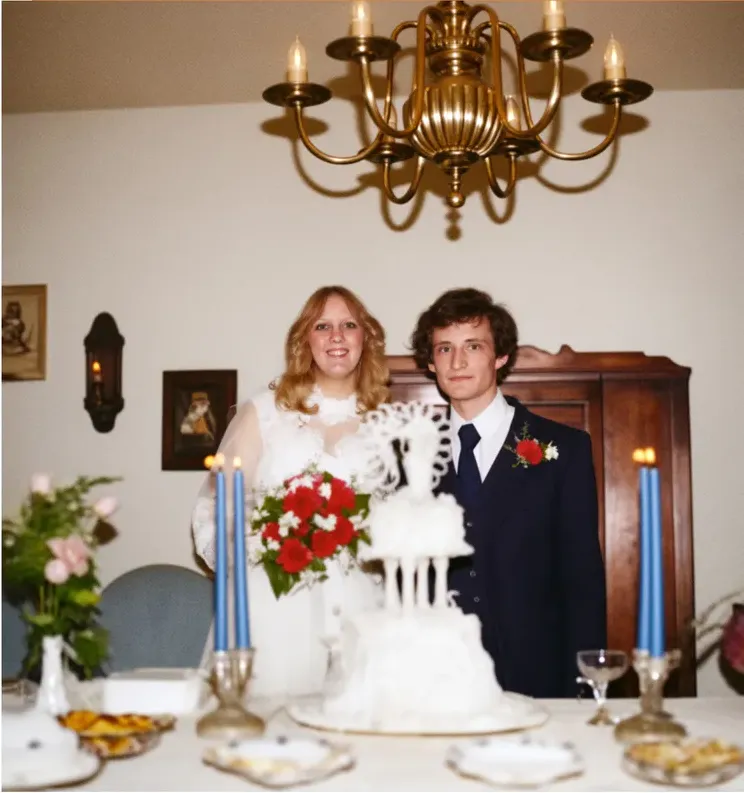
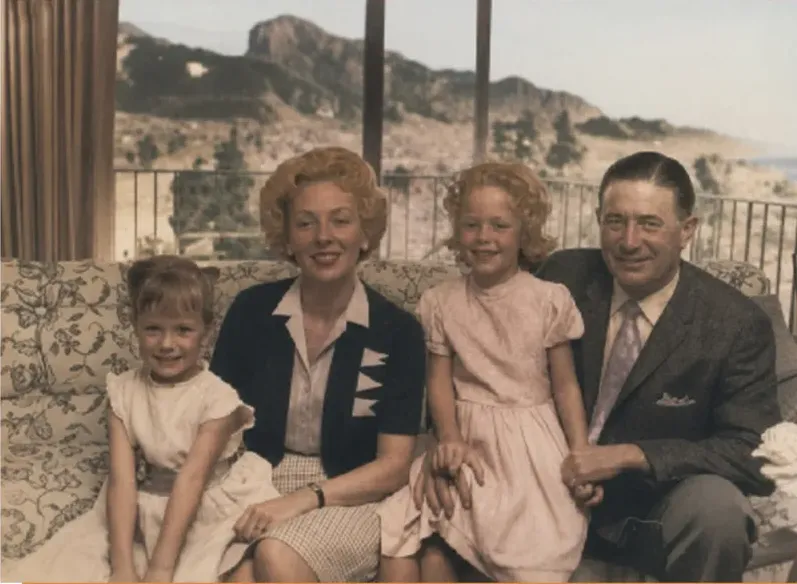
Real photos our artists brought back
Every one restored by hand by a real American artist, shown before and after.
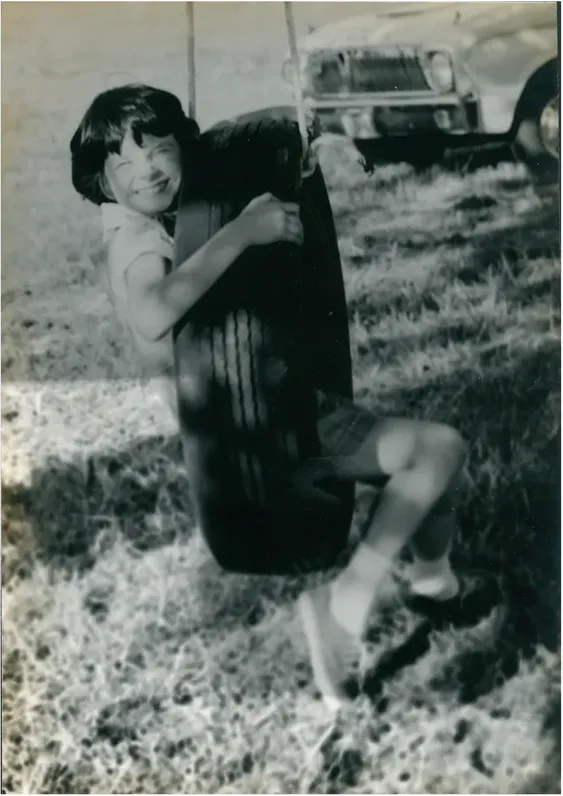 Before
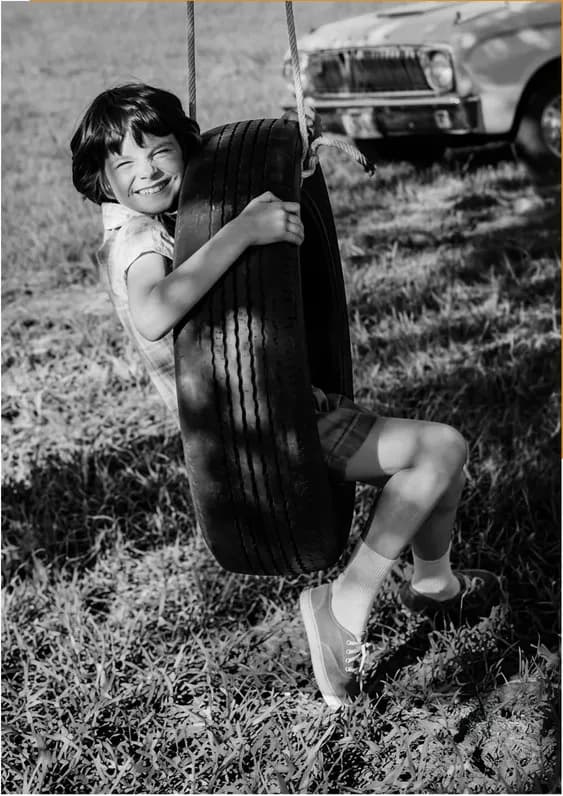 After
After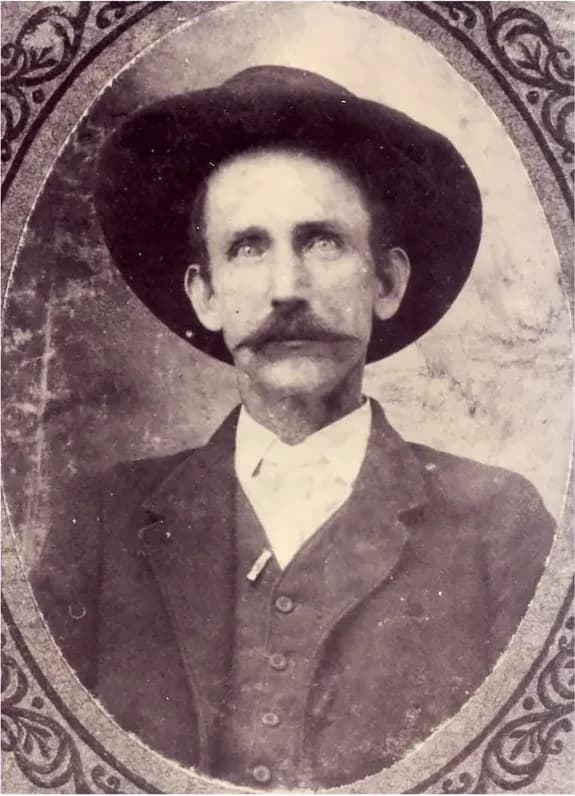 Before
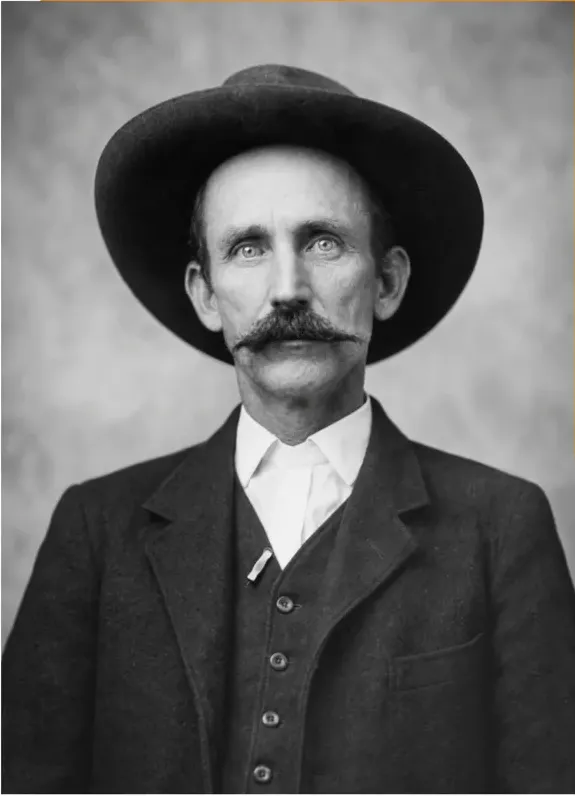 After
After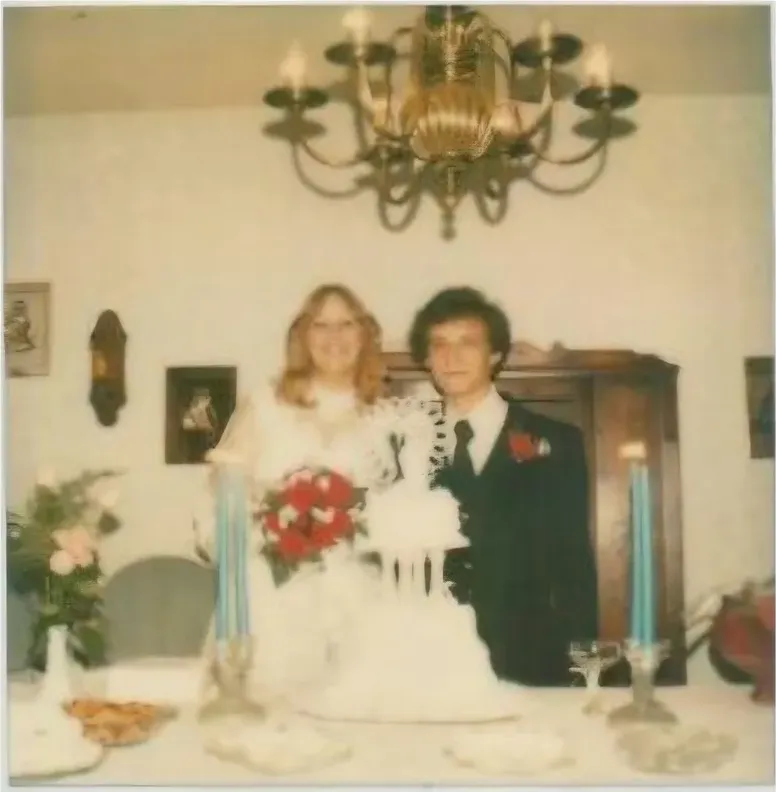 Before
 After
After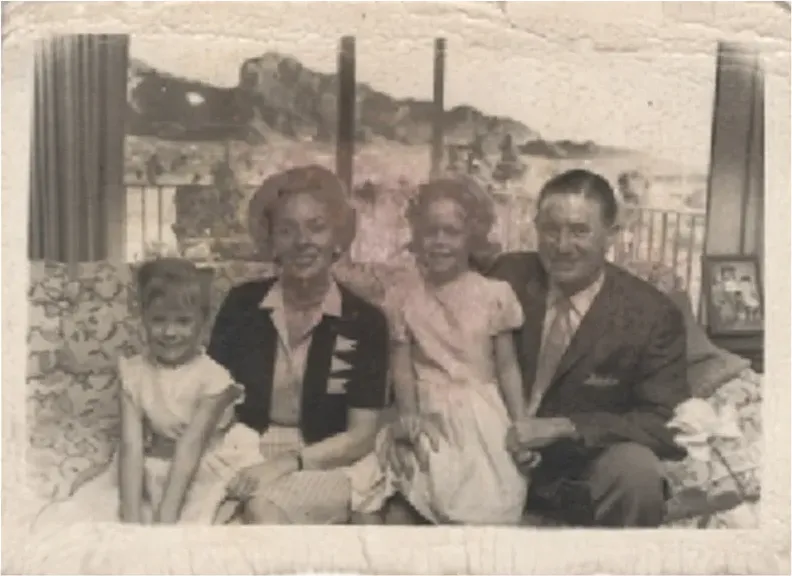 Before
 After
After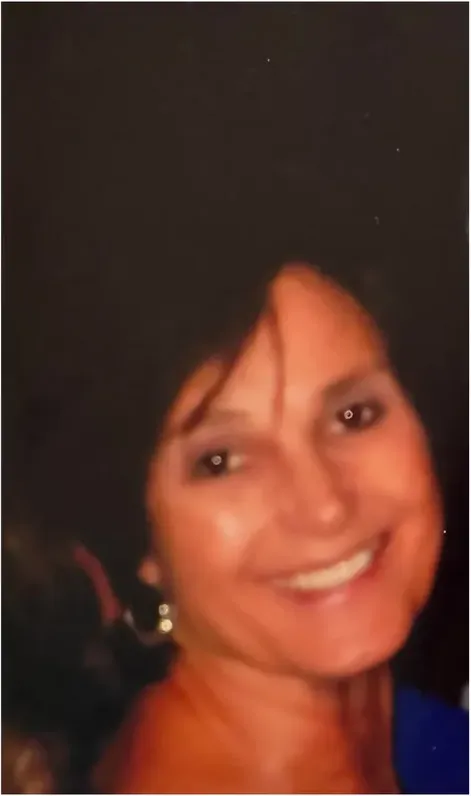 Before
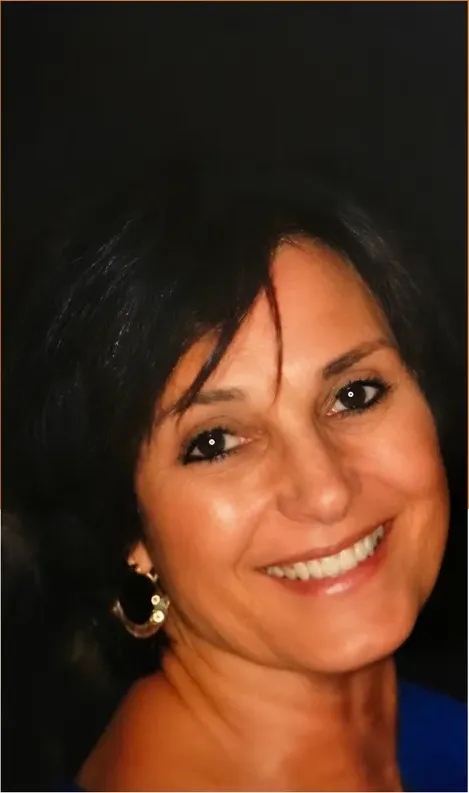 After
After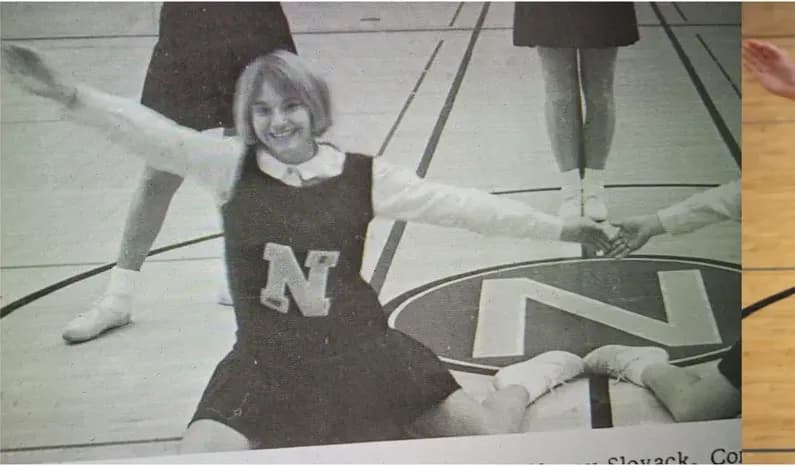 Before
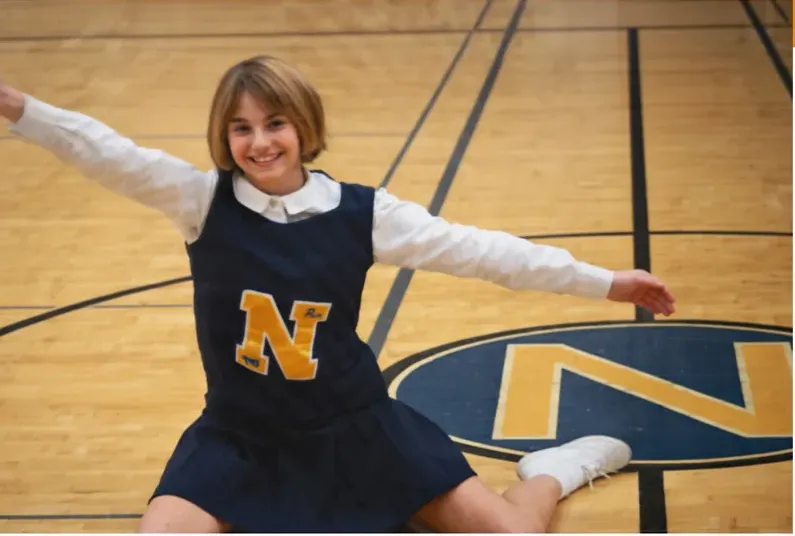 After
After
Sharpness is the easy half of the problem
Every route to a restored photograph, human or automated, runs into the same wall: some of the information is gone. A face rendered across 200 pixels does not contain enough data to say what the eyes did. Something has to occupy that space in the finished file, and the entire argument on this page is about what.
An automated model fills it with what is statistically likely, drawn from an enormous training set of other faces. An artist fills it from the pixels immediately around the gap, from the other half of a symmetrical feature, from any additional photograph of the same person you can supply, and occasionally from a decision to leave a region soft rather than guess at it.
The difference between those two routes is where the detail comes from, and that is the part worth knowing. One generates the detail from patterns learned elsewhere. The other recovers what the print still holds and, where nothing survives, builds from surrounding evidence or leaves the area soft and tells you so. Recovering detail and generating it are two different operations, whatever the finished file looks like at a glance.
As a category, automated tools generate replacement detail rather than retrieving detail the file no longer holds. That is not a scandal, it is how the technology works. It matters in a narrow set of cases, and they are the cases people actually write to us about. When it is the only surviving photograph of somebody. When it is going on an order of service. When it will be printed at 16 by 20 inches and hung where people who knew the person will stand in front of it. When nobody is left who could hold the result against their own memory of them.
That is who this page is written for, and it is the whole reason MemoryCherish exists. Real US artists, working by hand, never AI at any stage, about four hours on an average photograph, from $38.
What Remini publishes about its own tool
Fair is fair, so here is Remini in its own words rather than ours. Remini's photo restorer page describes its restoration as performed by AI technology, and states its AI identifies faces and facial features in images, including blurry group photos from decades ago. It describes restoration as a one-click operation that removes blur, sharpens details and cleans up grain. Its homepage describes the Old Photos Restorer as bringing blurred, faded and damaged photos back to life, and at the time of writing lists that tool among its enhancement tools. Remini positions the product for family heritage photos among several use cases, and offers an API for integrating its enhancement technology into other products. Its site identifies the operating company as AI Creativity S.r.l., Via Nino Bonnet 10, 20154 Milan, Italy.
Notice what those descriptions point at: blur, softness, grain and faces, handled in one click by a model. There is no person in that sequence deciding what your particular grandmother's mouth used to do. That is the design, and the company is straightforward about it being AI-powered.
Speed language across this whole category deserves careful reading, because companies measure different things. A one-click operation describes processing. A studio quoting days is describing a person opening your file, working on it, and sending something back for comment, and in several cases the published day count marks the first proof rather than the finished job. Neither figure tells you anything about the other, and stacking them as if they were rival delivery estimates is the most common error in comparisons like this one. For what it is worth on our side: MemoryCherish sends a first proof in about one to three days, and then keeps revising free until you are happy.
The alternatives below exist for a different situation entirely: one photograph, one face, and a result that has to survive close inspection by somebody who remembers the person.
The ninety-second likeness check
Whatever route you take, put the result through the same check we run internally before anything goes back to a customer. It takes about ninety seconds and it works on any output, ours included.
- Open both files at 100%, side by side. A phone thumbnail hides a great deal. A proper screen at full size is the only place small differences are visible at all.
- Start at the eyes. Eyelid shape, how much white shows either side of the iris, and where the gaze lands. The eyes carry identity faster than any other feature, so compare them with your own copy first.
- Move to the corners of the mouth. Hold the expression against the one in the photograph you started with. Very small differences here read as a change of mood.
- Find the identifying marks. A mole, a scar, a chipped tooth, a widow's peak, ears that sat unevenly. Check each one against your own copy, because these are the details families most regret losing.
- Check teeth and glasses last. Both are fine detail, both are noticed instantly by anyone who knew the face, and both are easy to skim past on a first look.
- Show it cold to someone who knew them. Say nothing about what you are checking. An unprompted first reaction tells you more than a careful inspection does.
Do this while the revision window is still open rather than after the print order has gone out. At MemoryCherish that window does not close on a fixed number of rounds: you tell us which feature is wrong, an artist corrects that feature, and it repeats until you are happy.
One filing habit is worth building at the same time. Keep the unrestored capture in its own folder, separate from the restored version, named so that a stranger could tell which is which. Any restoration is an interpretation, whoever performs it, and someone in your family may one day want to see what that interpretation started from. Folders get overwritten by people trying to be helpful. Do not let that be the one.
The hand services, and the method each one publishes
Four of the options above describe human work in their own published copy. We are reporting what each company publishes rather than ranking whose process is better, and the live pages are worth reading before you order because wording and figures both move.
- Forever Studios. Its old photo restoration page states that a US-based team of restoration professionals reverses aging and damage in photographs by hand, and the company says it has done this in the USA since 2007. At the time of writing its site states the first proof reaches the customer's account in one to three days, which is a checkpoint rather than a finished file.
- Rememorie. Its restoration page states the work is done by hand using highly manual, AI-free tools. At the time of writing its site states standard delivery of 1 to 4 business days with a 24-hour option offered.
- RetouchUp. It states a human touch is the only proper way to treat artwork, and states its artists work on retouching and restoration full time rather than seasonally. Restoration sits alongside its wider retouching services.
- FixThePhoto. It states its professional retouchers follow the customer's photo editing guidelines, and describes itself as an online photo editing service without geographic limits.
Before you commit anywhere, ask the three questions those published lines do not answer. Who specifically will work on my photograph. What happens if the finished file is not right. And is the money back as money, or as credit toward another order I did not ask for.
MemoryCherish answers all three in writing, and they are worth stating plainly rather than burying at the bottom of a page. The artists are US-based and work by hand, never with AI, with 37+ years of combined experience behind them. An average photograph absorbs about four hours. Pricing opens at $38 and is governed by the artist tier you pick rather than by how much damage you are sending, which is deliberate, because a photograph in poor condition is usually the one a family cares most about. A first proof comes back in about one to three days. Revisions are free and uncapped until you are happy with the result. The money-back guarantee returns cash rather than credit toward another order. The finished files belong to you with no expiry and no watermark. And your print never travels, because you upload a copy of it.
If you would rather run the software yourself
Some people want the dials rather than a delivered result, so it is worth being clear about what that route involves.
Topaz describes Topaz Photo as a desktop-based, AI-powered application used to enhance image and photo quality, offering a set of AI-powered tools plus an autopilot mode on Mac and Windows. It states the product's AI was trained on millions of images. It states the software offers private local rendering in which your files never leave your computer, and it also offers cloud rendering, so local processing is a choice rather than the only mode. Topaz lists archival images as a use case, including removing dust and scratches, adjusting lighting and color, and restoring images to their original sharpness. It is sold on recurring subscription plans rather than per photo.
The trade is clean, and it is a trade. Software you drive yourself lets you reject a result you are not happy with and try again with different settings. What it does not give you is a second opinion. You are the one deciding whether the detail the software generated belongs in your father's face, on the photograph where you are least able to tell, and there is nobody else accountable for that call. Add a learning curve and a stack of evenings, then a recurring charge that arrives whether you opened the software that month or not. Photoshop with a graphics tablet is the fullest version of the same trade, and it is how professional studios spend their working days.
There is a free route as well, and it has one honest use: sorting. Hotpot states its AI Picture Restorer restores, sharpens and repairs pictures with AI, automatically removing scratches, sharpening colors and enhancing faces, and at the time of writing offers it free with no account needed. On the same page, Hotpot states that while the service automates photo restoration, it "cannot replace experts for demanding restoration jobs". That is Hotpot setting expectations for Hotpot's own product, and it is a sensible thing to hold in mind about free automated tools as a category.
Run the pile through something free if you like. Then take the ones you are not happy with and send them to a person. At MemoryCherish that is $38 upwards, one artist, about four hours, free revisions until you are happy, and no software to learn.
Why our price does not move with the damage
This is worth its own heading, because it is the part of our pricing people ask about most.
Some restoration pricing is graded by how bad the photograph is. The logic is understandable: worse damage takes longer, so worse damage costs more. The problem is what it does to families. The photograph that got creased, torn, sun-bleached or water-stained is almost never a random one. It is the picture that was handled, carried, pinned to a wall, folded into a wallet, or pulled out of a flood. Damage tends to track how much a photograph was loved.
So a damage-graded price quietly charges the most for the image that matters the most, and people respond by picking the second-best photograph instead. We did not want to build that.
At MemoryCherish, the price follows the artist tier you choose and nothing else. It starts at $38. A print in four pieces with half a face missing costs what a gentle fade costs at the same tier. You know the number before you upload anything, there is no quote to wait for, and there is no deposit against a figure you have not seen. The artist still spends the extra hours a hard photograph needs, and that is our side of the arrangement, not yours.
What you get for it stays the same either way. Real US artists working by hand, never AI. About four hours on an average photograph. A first proof in roughly one to three days. Free revisions until you are happy. A 100% money-back guarantee paid in cash. And files that are yours permanently, with no watermark, printable at any size for as long as your family keeps them.
Our pick, and how to use a free tool alongside it
For a photograph where every feature in the finished file has to come from the photograph itself, put it in front of a person. That is the argument, and here is what it buys.
MemoryCherish uses real US artists, never AI, with 37+ years of combined experience between them and roughly four hours going into an average job. Pricing is from $38, set by the artist tier you choose rather than by the damage. A first proof arrives in about one to three days. Revisions are free and uncapped until you are happy. If it never lands, the guarantee is cash back rather than store credit. Your print never gets posted anywhere, because you send a scan. The finished files are yours to keep, print and pass on, with no watermark and no expiry. Reviews average 4.96 out of 5 across 2,178+ verified customers, more than 400,000 families have used the studio, and the work includes projects for museums and historical societies.
Free automated tools still have a place in this process, and it is the sorting step at the start. If you are staring at a whole collection, run copies through something free, then split the results into three piles: happy with it, not happy with it, and untouched. Every photograph in the last two piles that still matters to you belongs with an artist, and nothing here stands in the way of sending all of them. MemoryCherish has no minimum, no package and no contract, so one portrait and a whole shoebox are both ordinary orders, each priced from $38 by the artist tier you choose.
The line we will not cross is adding detail that is not in your photograph. If an eye is destroyed, we rebuild it from the surviving eye and from whatever the rest of the frame supports. If something truly cannot be recovered, we say so instead of handing over a convincing invention, and sometimes the honest delivery leaves a small area deliberately soft. That is the trade at $38 rather than free: slower, checked by a person, and faithful to the photograph you actually own.
What it costs with us
From $38 per photo, you choose your artist
The price is set by the artist tier you choose, never by how damaged your photo is. Free revisions until it’s right, and a cash refund — not store credit — if we can’t make it perfect.
The MemoryCherish Guarantee: Love it or every cent back within 30 days. Cash, not store credit. Free revisions until it looks exactly like you remember. And if a photo just can’t be restored, we’ll tell you honestly and you won’t pay a thing. Read the full guarantee
Questions people ask
Does Remini use AI to restore photos?
What is the difference between recovering detail and generating it?
Can an artist rescue a badly blurred face?
Is hand restoration worth more than the price of an app?
Can I use a free tool and a hand service together?
Do I have to mail my original photograph anywhere?
Keep comparing
- MemoryCherish vs Remini: Recovering Detail or Generating It
- The Best Photo Restoration Without AI in 2026
- Best Hand Photo Restoration Services in 2026 (And How to Check the Claim)
- Best Photo Restoration for Memorial and Funeral Photos
- Forever Studios Alternatives: 7 Photo Restoration Options Compared
- FixThePhoto Alternatives for Photo Restoration: 7 Options Compared
More on this kind of damage
Last updated August 1, 2026. Company details are taken from each company’s own public pages at the time of writing and may change, so we cite the page we read rather than linking to it. Check the current wording with any company before you order.