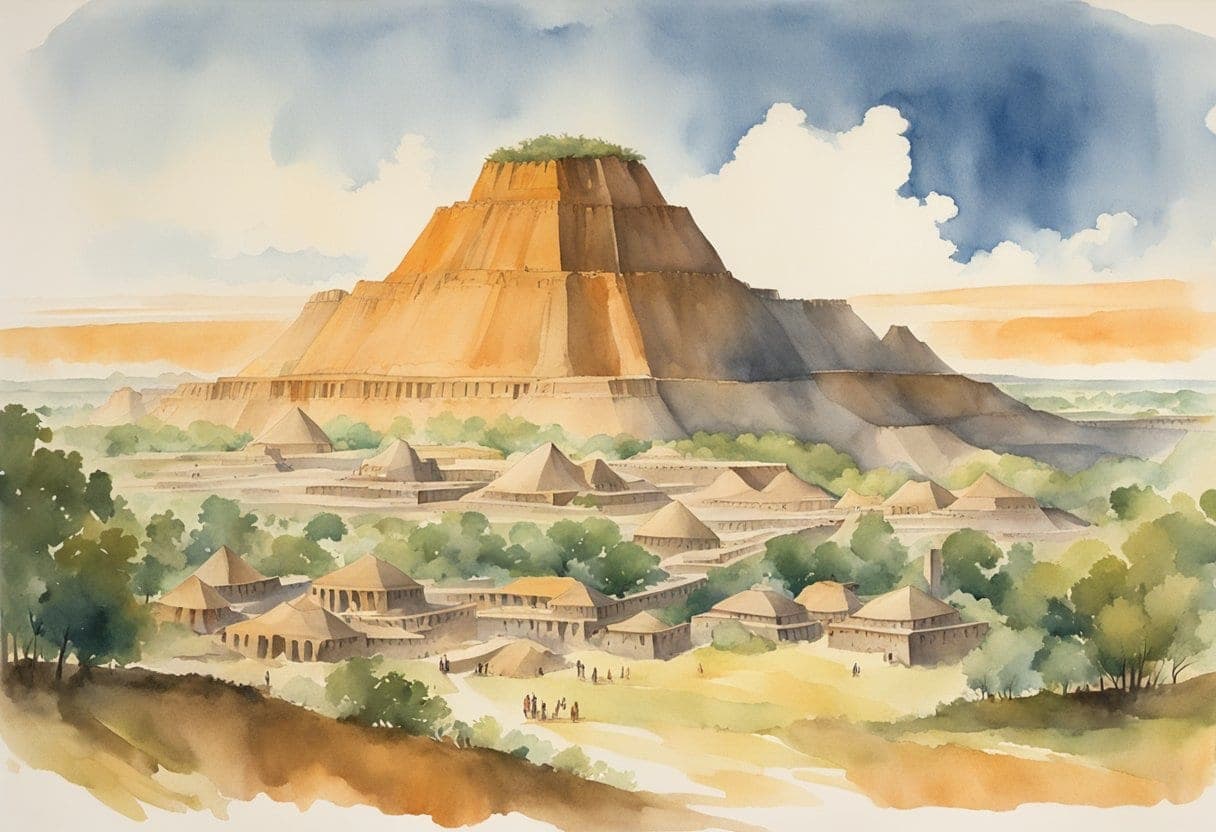
The Mystery of Nan Madol: Pacific's Venice of Stones
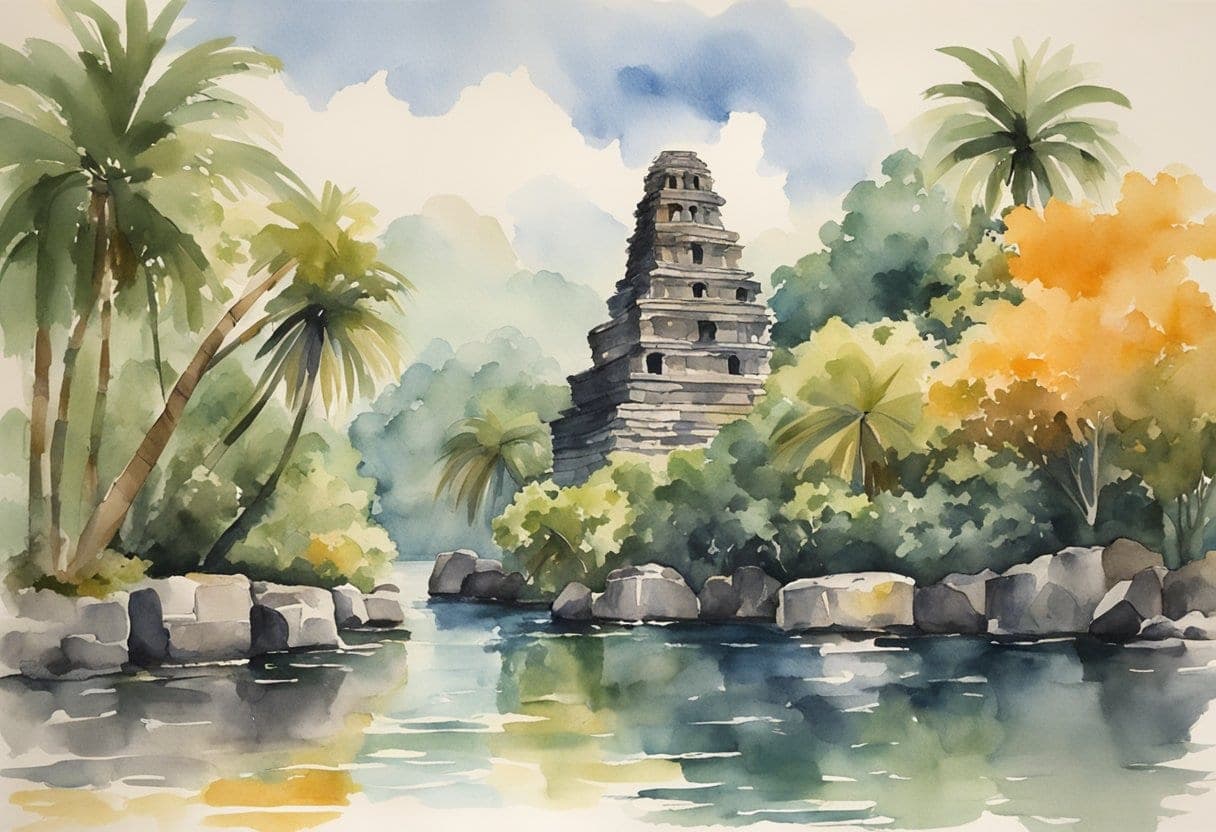
People often call Nan Madol the "Venice of the Pacific" because of its unique layout. The city sits on a coral reef and was once home to powerful rulers. Its stone structures and mysterious past make it a fascinating place to explore.
1) Exploration of Saudeleur Dynasty

The Saudeleur Dynasty ruled Nan Madol from around 1100 to 1628 CE. They built this ancient city on coral reefs, creating a unique island complex.
Nan Madol was the capital of this powerful chiefdom. The rulers constructed massive stone structures using basalt boulders.
How did they move these huge rocks? It's still a mystery.
The dynasty started when two brothers arrived on Pohnpei. Legend says they used magic to build Nan Madol. They established a new social order and religion.
Saudeleur rulers were both feared and respected. They demanded tributes from people across Pohnpei. The last Saudeleur was overthrown by Isokelekel, an outsider from a nearby island.
Archaeologists have found evidence of this chiefdom's power. They've uncovered tombs, temples, and living quarters. These ruins tell the story of a complex society that thrived for centuries.
2) Architecture of Ancient Nan Madol
Ever seen a city built on water? Nan Madol is just that! It's a marvel of ancient engineering, sitting on a coral reef off the coast of Pohnpei island.
Picture this: nearly 100 artificial islets, all connected by canals. That's why it's called the "Venice of the Pacific". Pretty cool, right?
The buildings are made of huge basalt logs. Some weigh up to 50 tons! How did they move them? It's still a mystery.
The islets have walls up to 25 feet high. They're built with a crisscross pattern of basalt logs. This style is unique to Nan Madol.
Inside these walls, you'll find houses, tombs, and temples. The biggest building is Nandauwas, a royal tomb. It's as tall as a two-story house!
Canals and waterways link everything together. They're like the streets of this ancient city. Imagine paddling a canoe to visit your neighbor!
Nan Madol's design is a testament to the skill of its builders. It's a place where land and sea blend, creating a truly unique architectural wonder.
3) Coral and Basalt Constructions

Nan Madol's builders were master engineers. They used coral and basalt to create a marvel. How did they do it? Let's take a closer look.
The main building blocks were huge basalt logs. These volcanic rocks came from quarries miles away. Imagine moving those without modern machines!
Coral played a big role too. The builders stacked coral rubble between the basalt. This made the structures stronger and more stable.
Some walls reach up to 25 feet high. That's taller than a two-story house! The largest basalt blocks weigh up to 50 tons. Picture trying to lift a school bus - that's how heavy they are.
But here's the really cool part. The whole city sits on top of a coral reef. It's the only ancient city ever built this way.
How did they do it? No one knows for sure. Some think they used rafts to float the stones. Others believe in ancient magic. What do you think?
The mix of coral and basalt makes Nan Madol unique. It's a testament to human ingenuity and determination. Pretty impressive for a city built 800 years ago, right?
4) Significance in Micronesian Culture
Nan Madol holds a special place in Micronesian hearts. It's not just old stones - it's a living link to their past. Can you imagine the stories these walls could tell?
The site played a big role in local legends. People say it was built by magic! Some think twin sorcerers used their powers to move the huge rocks. Pretty cool, right?
Nan Madol was once the seat of the Saudeleur dynasty. These rulers were a big deal. They ran things on Pohnpei for about 500 years. That's a long time to be in charge!
The Venice of the Pacific isn't just a pretty nickname. It speaks to how the people of Nan Madol lived. They used canals like we use roads. Water wasn't a barrier - it was a connector.
Today, Nan Madol reminds Micronesians of their rich history. It shows how skilled their ancestors were. They built something that's still amazing us today. How's that for leaving a mark?
5) Comparable to Pacific Venice
Nan Madol has earned the nickname "Venice of the Pacific" for good reason. Like its Italian counterpart, this ancient city is built on water. But instead of canals, Nan Madol boasts a network of tidal channels separating artificial islets.
Picture this: massive stone structures rising from the sea, connected by waterways. It's a sight that'll take your breath away. The city's layout is truly unique, with about 100 artificial islets spread over 200 acres.
But here's where it gets really interesting. Unlike Venice's gondolas, the people of Nan Madol likely used canoes to navigate their watery city. Can you imagine paddling through these ancient waterways?
The similarities don't end there. Both cities showcase incredible engineering feats for their time. While Venice has its ornate buildings, Nan Madol boasts megalithic structures made from basalt logs.
6) Engineering Marvels of the Ancient World
Nan Madol stands out as a remarkable ancient engineering feat. Built on a coral reef, it's a city unlike any other. How did they do it? That's the big question.
Picture this: huge basalt blocks, some weighing up to 50 tons, stacked to create artificial islands. It's mind-boggling. The ancient builders didn't have modern tools or machines. Yet they made something incredible.
Nan Madol isn't alone in its marvel status. Think of the Great Pyramid of Giza or the Roman aqueducts. These structures show how clever ancient people were. They solved complex problems with simple tools.
What makes Nan Madol special is its location. Building on water isn't easy, even today. But these ancient engineers figured it out. They created a Venice-like city in the Pacific.
The mystery adds to the wonder. How did they move those massive stones? Where did they come from? These questions keep archaeologists busy. They're still trying to unlock Nan Madol's secrets.
7) Political and Ceremonial Center
Nan Madol wasn't just a city. It was the heart of power for the Saudeleur dynasty.
Picture a place where big decisions were made and important rituals took place.
The capital of the Saudeleur dynasty stood tall on its artificial islets. Leaders lived here, ruling over Pohnpei and beyond.
Can you imagine the hustle and bustle?
But Nan Madol was more than politics. It was a sacred spot too.
Priests performed ceremonies here, connecting the people to their gods. The massive stone structures weren't just for show - they had deep meaning.
Think about how impressed visitors must have been.
Arriving by boat, they'd see towering walls and platforms rising from the sea. It was a clear message: the Saudeleurs were powerful and important.
Nan Madol wasn't open to everyone. Only the elite could live there.
It was a place that showed who was in charge and who wasn't. The city's design helped keep this social order in place.
Even today, you can feel the site's importance. The ruins speak of a time when Nan Madol was the center of a great civilization. It's a window into a fascinating past.
8) Construction Techniques in Nan Madol
Ever wondered how ancient builders created a city on coral reefs? Nan Madol is a marvel of engineering. The city sits on artificial islands linked by canals.
Builders used large basalt logs to construct the walls. These logs weigh up to 50 tons each!
How did they move such massive stones? It's still a mystery.
The walls were made primarily with basalt. Workers stacked these volcanic rocks in a crisscross pattern. This technique made the structures sturdy and long-lasting.
Coral fills the gaps between the basalt logs. This smart design allowed water to flow through while keeping the structure stable.
Nan Madol is often called the "Venice of the Pacific".
Like Venice, it has a network of waterways connecting its islands. These channels allowed easy travel between different parts of the city.
The builders created artificial islands by piling coral rubble and stones. They then built structures on top of these platforms.
It's an impressive feat, especially considering the limited tools available at the time.
9) Nan Madol's Place in World Heritage
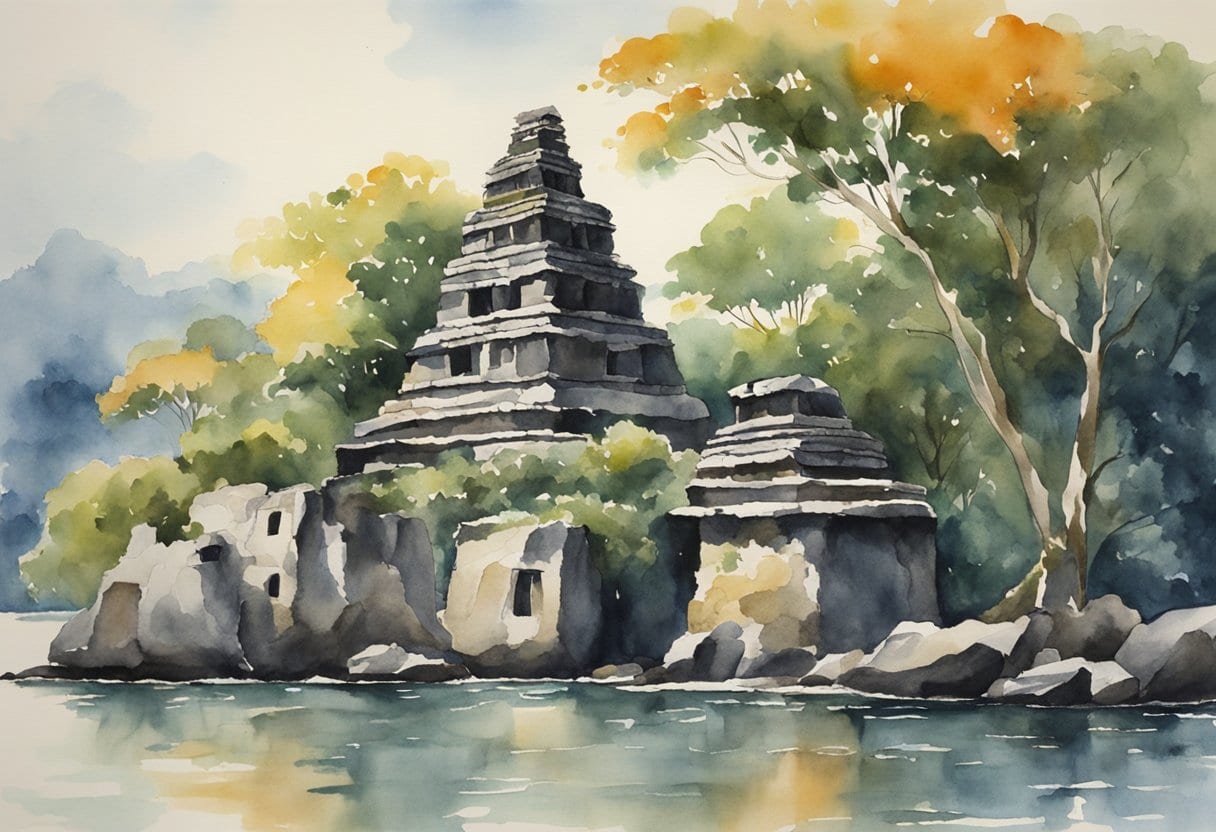
Nan Madol gained global recognition in 2016. UNESCO added it to the World Heritage List. This honor spotlights its unique value.
Built on a coral reef, Nan Madol stands out. It's the only ancient city of its kind. Its stone structures and canals make it special.
The site faces challenges. Rising sea levels threaten its future. Preservation efforts are crucial. Experts work to protect this Pacific treasure.
Nan Madol's World Heritage status brings attention. It helps secure resources for conservation. Visitors now come from around the world to see it.
The site tells a story of human ingenuity. It shows how people adapted to island life. Nan Madol's builders created a marvel using local materials.
As a World Heritage site, Nan Madol joins other wonders. It stands with places like the Great Wall of China and Machu Picchu. This puts it on the global map of must-see locations.
10) Mysteries of the Megalithic Structures
Nan Madol's massive stone structures have puzzled researchers for years. How did ancient builders move and stack these enormous basalt logs? Some weigh up to 50 tons!
The construction techniques remain a mystery. No written records exist to explain the methods used. Oral traditions speak of magic and levitation, but archaeologists seek more practical explanations.
One theory suggests the builders used rafts to float the stones. Another proposes they rolled them on logs. But neither fully explains how they lifted and precisely placed the megaliths.
The origin of the basalt itself is puzzling. No quarry sites have been found nearby. Did the stones come from farther away? If so, how were they transported?
The purpose of Nan Madol also raises questions.
Was it purely a ceremonial center? Or did it serve as a fortress? Some even speculate about connections to lost civilizations or extraterrestrial visitors.
These enduring mysteries make Nan Madol fascinating. They challenge our understanding of ancient engineering and spark the imagination. What secrets might these silent stones still hold?
Historical Background of Nan Madol

Nan Madol's past is a fascinating blend of myth and history. This ancient city, built on coral reefs, has captivated explorers and researchers for centuries.
Origins and Founding
Legend has it that twin sorcerers from a distant land created Nan Madol. They used magic to fly the massive basalt logs used in construction. But let's get real - it was likely built by the Saudeleur dynasty around 1200 AD.
The name Nan Madol means "in the space between things". It's a fitting description for this city of artificial islands connected by canals. Think Venice, but in the Pacific!
Nan Madol served as the capital of the Saudeleur dynasty until about 1628. It was a bustling center of political and religious activity. The rulers lived in luxury, surrounded by grand stone structures.
Cultural Significance in Micronesia
Nan Madol holds a special place in Micronesian culture. It's more than just ruins - it's a symbol of ancient engineering prowess and political power.
The site includes tombs of ancient rulers. These sacred spaces still hold deep meaning for local people. Nan Madol's intricate canal system and massive stone structures showcase the ingenuity of early Pacific islanders.
Today, Nan Madol is a UNESCO World Heritage site. But it's at risk from rising sea levels. Can you imagine this marvel underwater? We must act to preserve this unique piece of Pacific history.
Architecture of Megalithic Structures

The megalithic structures of Nan Madol showcase impressive engineering feats. These ancient buildings used massive stone blocks to create a unique city on artificial islands.
Construction Techniques
Builders used basalt and coral to make Nan Madol. They stacked huge basalt logs in a crisscross pattern. Some logs weigh up to 50 tons!
How did they move such heavy stones? It's still a mystery.
The builders filled gaps with coral rubble. This made the structures stronger. They also used smaller stones to level things out.
Artificial islets formed the base for buildings. Workers piled coral boulders and filled spaces with smaller rocks. This created solid platforms above the water.
Structural Layout
Nan Madol has a grid-like design. It's made up of about 100 artificial islets. These are connected by canals, earning it the nickname "Venice of the Pacific".
The city had different areas for specific purposes:
- Royal compounds
- Temples
- Tombs
- Living spaces for nobles
The most important building was Nandauwas. It was a royal mortuary complex. Its walls were 25 feet high and 17 feet thick!
Canals between islets allowed for easy boat travel. Some were wide enough for large canoes. Others were narrow, maybe for defense.
The Concept of Pacific Venice
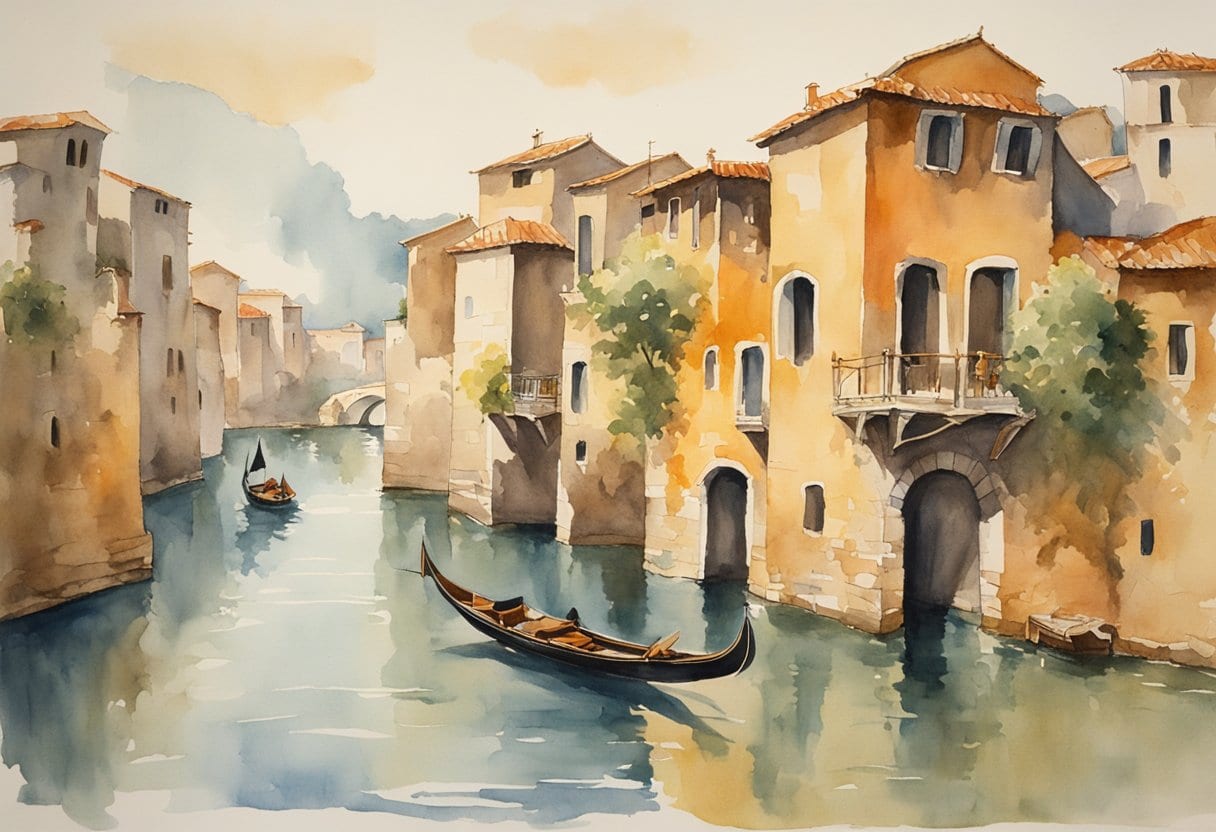
Nan Madol's unique layout and watery channels have earned it a special nickname. This ancient city shares some interesting features with a famous European counterpart.
Comparison to Venice
Nan Madol is often called the "Venice of the Pacific". Why? Just like Venice in Italy, it's built on water. But instead of canals, Nan Madol sits on a coral reef.
The city is made up of many small islands. These islands are connected by waterways. It's a bit like a puzzle, with each piece floating on the sea.
Imagine paddling through narrow channels between stone buildings. That's what it's like in both Nan Madol and Venice. Both cities grew from the water, creating a unique way of life.
Navigating the Canals
Getting around Nan Madol is an adventure.
Picture this: You're in a small boat, gliding through tidal channels. Stone walls tower above you on both sides.
These waterways aren't just for show. They're the city's streets. In the past, people used canoes to visit neighbors or go to important buildings.
The channels change with the tides. Sometimes they're deep, sometimes shallow. It takes skill to navigate them safely.
Exploring Nan Madol by water offers a special view of the city. It's a chance to see how people lived in this "Pacific Venice" long ago.
Frequently Asked Questions
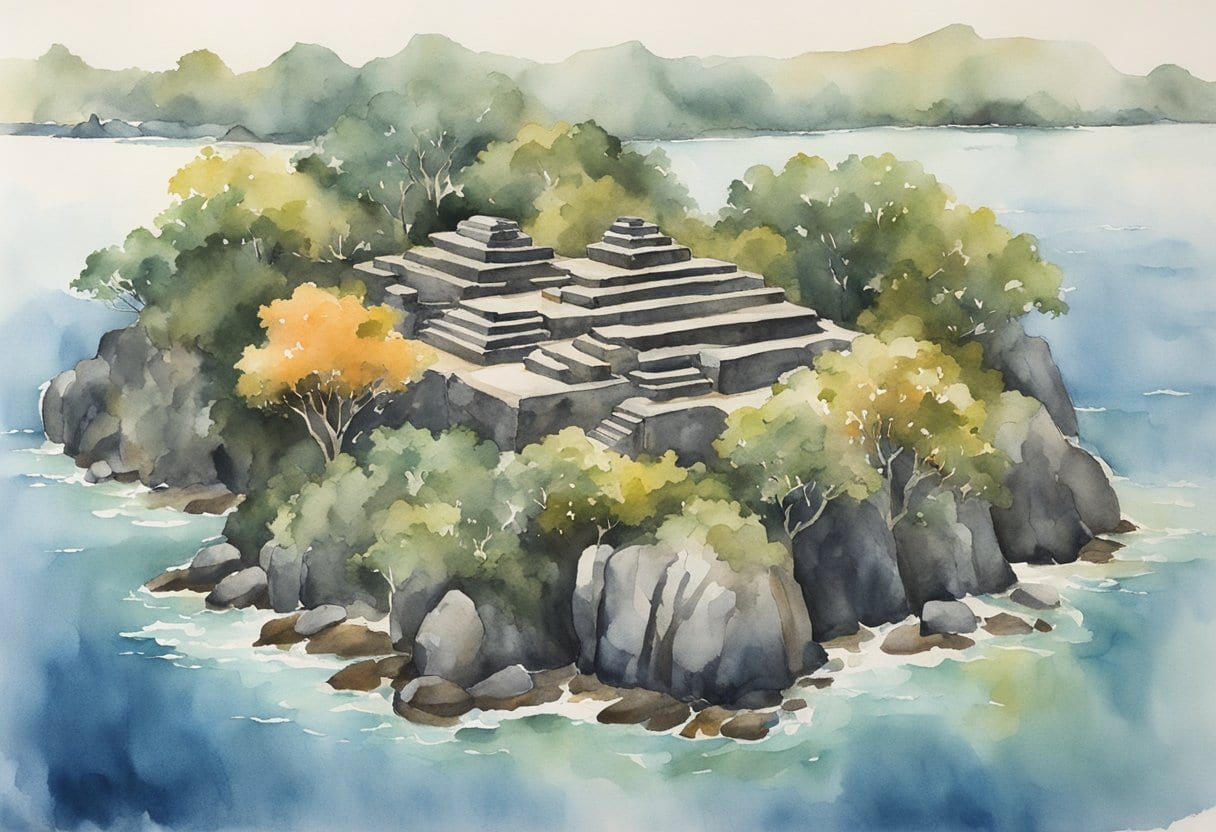
Nan Madol's mysterious origins and impressive construction have sparked many questions over the years. Let's dive into some of the most common queries about this fascinating ancient city.
Why was Nan Madol abandoned?
The exact reasons for Nan Madol's abandonment remain a mystery. Some experts think a mix of factors led to its decline.
These might have included changes in the local climate, political shifts, or resource depletion.
The Saudeleur dynasty ruled from Nan Madol until about 1628. After that, people gradually left the city. It's like the place just lost its spark.
How was Nan Madol constructed?
Nan Madol's construction is a marvel of ancient engineering. The builders used massive basalt logs and coral blocks to create the artificial islands and structures.
They stacked these huge stones in a crisscross pattern. This technique gave the buildings stability. It's amazing to think they did all this without modern tools!
At what period was Nan Madol built?
Nan Madol's construction began around 1200 CE. The city grew over several centuries.
It reached its peak during the rule of the Saudeleur dynasty. This period lasted from about 1100 to 1628 CE. Imagine the buzz of activity during those years!
What is the historical significance of Nan Madol?
Nan Madol holds immense historical value. It was the capital of the Saudeleur dynasty and a center of political and religious power in ancient Micronesia.
The city's unique architecture and layout offer insights into the advanced engineering skills of its builders. It's like a window into the past, showing us how people lived and ruled centuries ago.
Is Nan Madol accessible to tourists?
Yes, tourists can visit Nan Madol. But it's not your typical walk in the park!
The site is remote and can be challenging to reach. Visitors often need to take a boat to access the ruins. It's best to go with a local guide who knows the area well.
What distinguishes Nan Madol as a unique megalithic complex?
Nan Madol stands out for its incredible location and construction. It's built on coral reefs in a lagoon, earning it the nickname "Venice of the Pacific".
The use of massive basalt logs, some weighing up to 50 tons, is mind-boggling. How did they move these huge stones? It's a puzzle that still amazes archaeologists today.
Ready to restore your own photos?
Our artists bring your damaged photos back by hand, most within a few days.
Rated 4.96 out of 5 stars.4.96/5 · Loved by 400,000+ families