
10 Powerful Aquatic Exercises for Seniors: Stay Active with Low-Impact Water Workouts
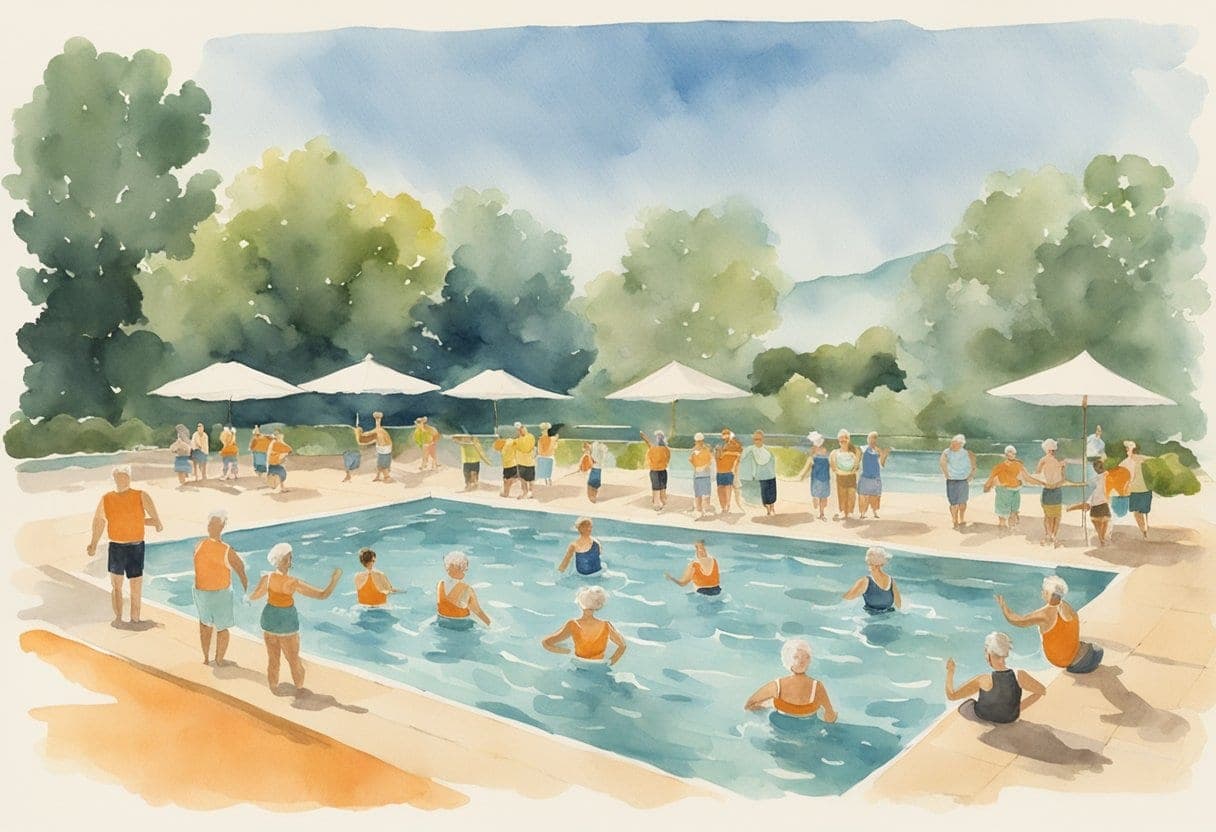
Swimming pools offer more than just a place to cool off on hot days. Aquatic exercises give seniors and adults of all ages an excellent way to stay fit without putting stress on their joints.
Water aerobics and aquatic workouts provide a safe, effective form of exercise that builds strength and improves mobility while being gentle on the body.
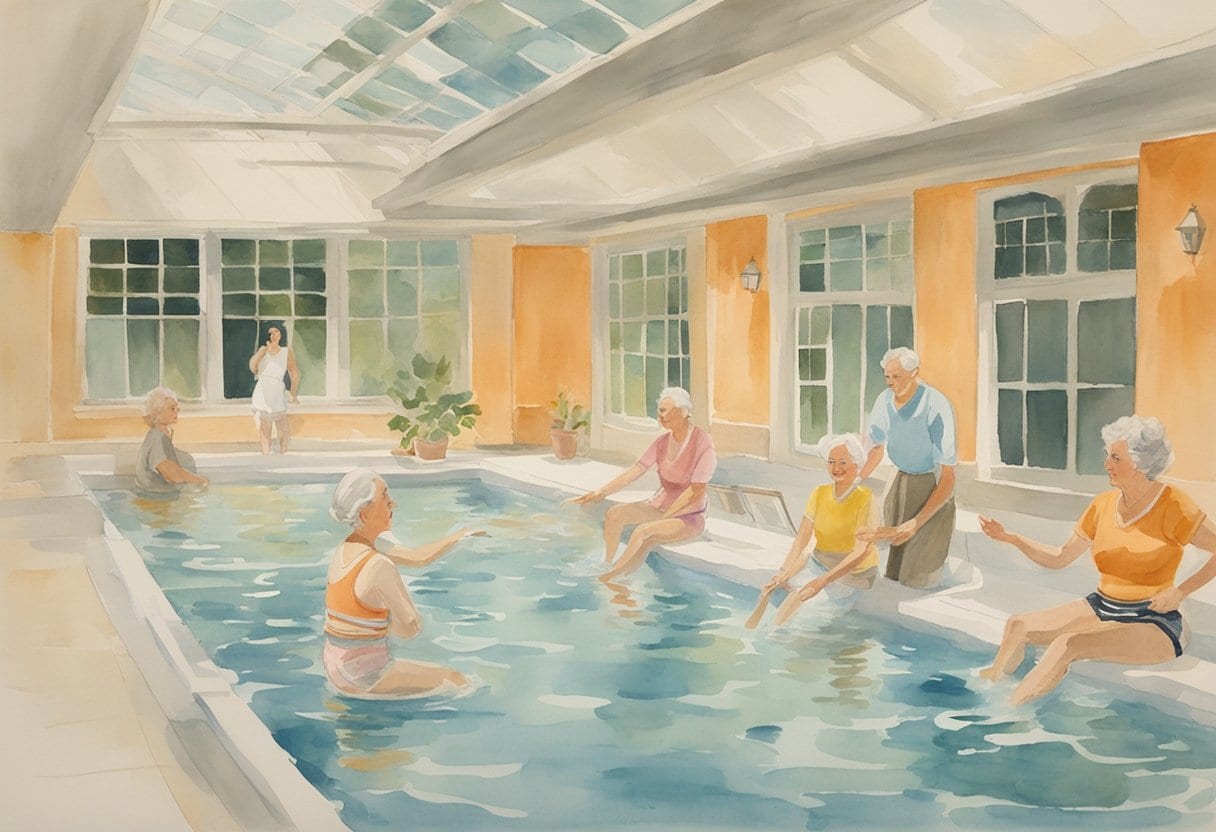
The natural buoyancy of water makes it possible for people to exercise longer and more comfortably than they might on land.
Pool exercises work well for those with arthritis, balance issues, or joint problems who want to stay active.
The water's resistance helps build muscle and improve fitness without the impact of traditional workouts. Let’s explore the best low-impact aquatic exercises for seniors!
1) Water Walking
Water walking is one of the simplest ways to start exercising in the pool. The natural resistance of water makes each step more challenging than walking on land.
Start in waist-deep water near the pool wall for balance if needed. Take normal walking steps, lifting knees slightly higher than usual and keeping the back straight.
This low-impact workout helps improve balance and strengthens leg muscles. The water's buoyancy supports body weight and reduces stress on joints.
Try walking forward for a few minutes, then backward with extra care. Side-stepping is another option to work different muscle groups.
For extra intensity, move to deeper water or increase walking speed. Remember to keep shoulders back and maintain good posture while moving through the water.
Take breaks when needed and stay hydrated. Most beginners find 10-15 minutes of water walking provides a good workout. Over time, this can increase as fitness improves.
2) Aqua Jogging
Aqua jogging is a simple yet effective water exercise that mimics the motion of running on land. The water's natural buoyancy supports your body weight, making it gentle on your joints.
Start in water that reaches your chest or shoulders. Keep your body upright and lean slightly forward. Move your legs in a running motion while pumping your arms back and forth.
You can make this exercise easier or harder by changing your speed. Try jogging in waist-deep water for beginners, then move to deeper water as you build strength.
Water's natural resistance helps strengthen muscles while protecting joints from impact. Adding water weights or foam dumbbells can increase the workout intensity.
Take breaks when needed. Start with 5-minute intervals and gradually increase the time as fitness improves. Remember to maintain good posture and breathe steadily throughout the exercise.
3) Leg Lifts in Water

Leg lifts in water are simple yet powerful exercises that strengthen core muscles and improve balance. The water's buoyancy makes the movement easier on joints while still providing resistance.
Stand in waist-deep water near the pool edge. Hold onto the edge if needed for stability. Keep your back straight and core engaged.
Start with side leg lifts. Lift one leg out to the side while keeping the other leg planted firmly on the pool floor. Lower the leg back down with control. Do 8-10 repetitions before switching sides.
Front leg lifts work different muscle groups. Face the pool wall and lift one leg straight in front, then lower it back down. The water helps maintain balance during the movement.
Take breaks between sets if needed. The goal is to move slowly and maintain proper form rather than rush through the exercises. The water's resistance naturally slows movements down.
Leg lifts are especially helpful for improving mobility and preventing falls. They strengthen hip muscles and increase leg flexibility in a gentle way.
4) Water Aerobics
Water aerobics is a gentle yet effective form of exercise performed in a pool. The water's natural resistance helps build strength while protecting joints from stress and impact.
Starting with basic walking or jogging in the pool allows seniors to build confidence and comfort. These simple movements help improve balance and coordination while staying safe.
Aqua jogging is an excellent way to maintain joint flexibility and reduce arthritis pain. The water's buoyancy supports the body while providing resistance for a challenging workout.
Water exercises can include arm movements, leg kicks, and gentle jumping jacks. The natural cushioning effect of water makes these movements safe and comfortable for seniors with joint issues.
Participants should start slowly and take regular breaks between exercises. A typical session might last 30-45 minutes, including warm-up and cool-down periods.
5) Arm Circles Underwater

Arm circles in water create a gentle yet effective workout for the shoulders and upper body. The water's resistance makes this simple movement more challenging while protecting the joints.
To start, a person should stand in chest-deep water with arms extended out to the sides at shoulder height. The movement begins with small, controlled circles going forward.
After 30 seconds of forward circles, the direction changes to backward rotations. The circles can start small and gradually get bigger as muscles warm up.
This shoulder-strengthening exercise helps improve range of motion and flexibility. People should aim to do 3 sets of 45 seconds in each direction.
Anyone feeling unstable can hold onto the pool wall with one hand while doing circles with the free arm. Taking breaks between sets helps maintain proper form.
The water temperature should be comfortable - not too cold or too hot. If any pain occurs, the person should stop and adjust their movement range.
6) Deep Water Running
Deep water aerobics offers an excellent way to stay fit without putting stress on joints. Running in deep water means moving your legs in a running motion while staying in place, usually with a flotation belt for support.
This activity gives a fantastic cardio workout while strengthening muscles and improving heart health. The water's natural resistance makes the exercise more challenging than it looks.
Aqua jogging keeps joints flexible and helps reduce arthritis pain. The movement should mimic normal running form, with arms pumping and legs moving in alternating motions.
Starting slow is key. People should aim for 10-15 minutes at first, then gradually increase duration as fitness improves. The exercise becomes more effective when performed in water deep enough that feet don't touch the bottom.
Proper form matters - keeping the body upright and core engaged helps get the most benefit from the workout. A flotation belt helps maintain good posture and lets exercisers focus on form rather than staying afloat.
7) Waist-Deep Jumping Jacks
Jumping jacks in water offer a gentle yet effective full-body workout. The water's resistance makes every movement count while protecting the joints from impact.
Start by standing in waist-deep water with feet together and arms at your sides. Jump your feet out to shoulder width while raising your arms above your head, just like regular jumping jacks.
The beauty of doing jumping jacks in the pool is the natural cushioning effect. The water slows down each movement, making it easier to maintain proper form and stay stable.
Aim to do 10-15 repetitions at first. Take breaks when needed and focus on smooth, controlled movements rather than speed.
Water aerobics exercises like jumping jacks help build strength and improve heart health. The resistance of the water adds intensity while keeping the exercise gentle on the body.
Remember to keep breathing steadily throughout the exercise. If balance is a concern, stay closer to the pool wall for support.
8) Water Yoga
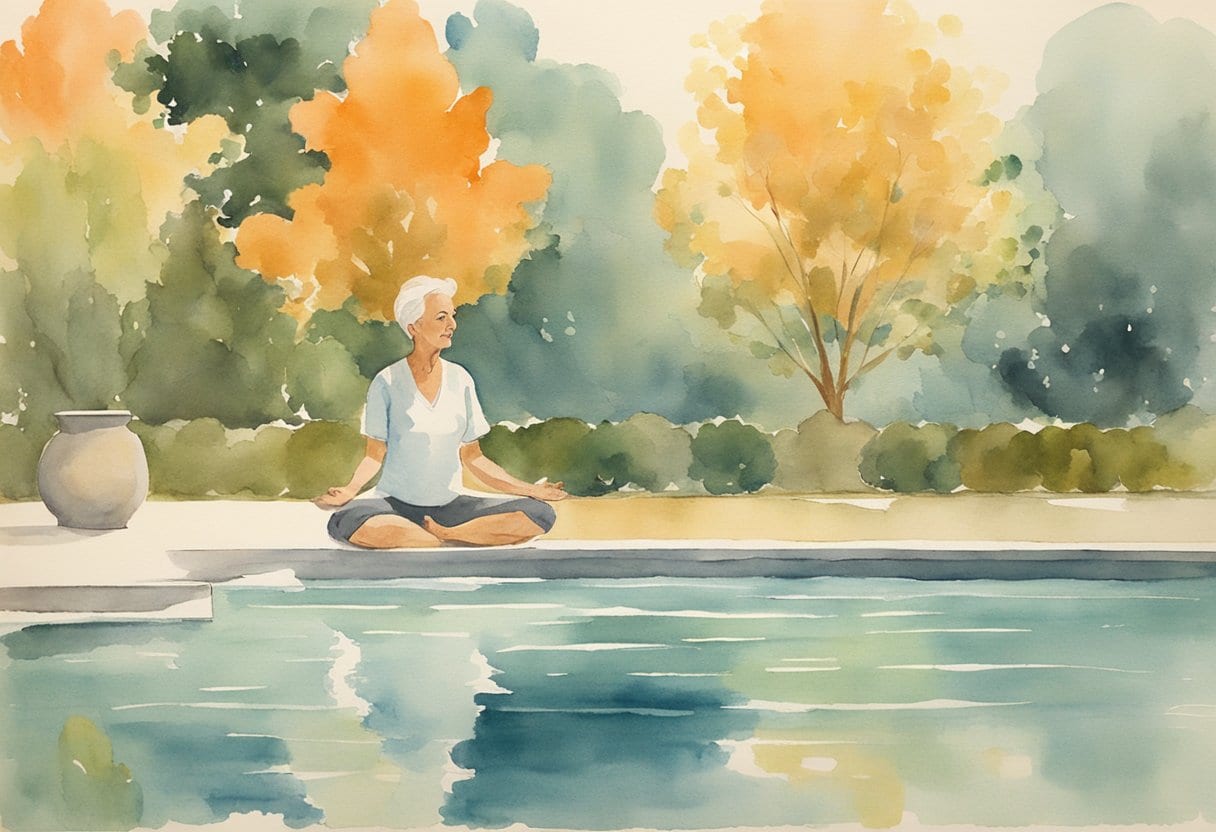
Aqua yoga combines traditional yoga poses with the gentle support of water. The pool's buoyancy makes stretching and balancing easier for people with joint pain or stiffness.
Water provides natural resistance while reducing strain on the body. This makes it perfect for seniors who want to improve flexibility and strength without risking injury.
Participants can practice basic yoga poses like tree pose and warrior stance in chest-deep water. The water's support allows deeper stretches and longer hold times than land-based yoga.
Seniors with arthritis often find relief practicing yoga in the pool. The warm water helps relax muscles while the gentle movements increase range of motion.
Classes typically run 45-60 minutes and include breathing exercises. Many pools offer group sessions specifically designed for older adults.
9) Aqua Tai Chi
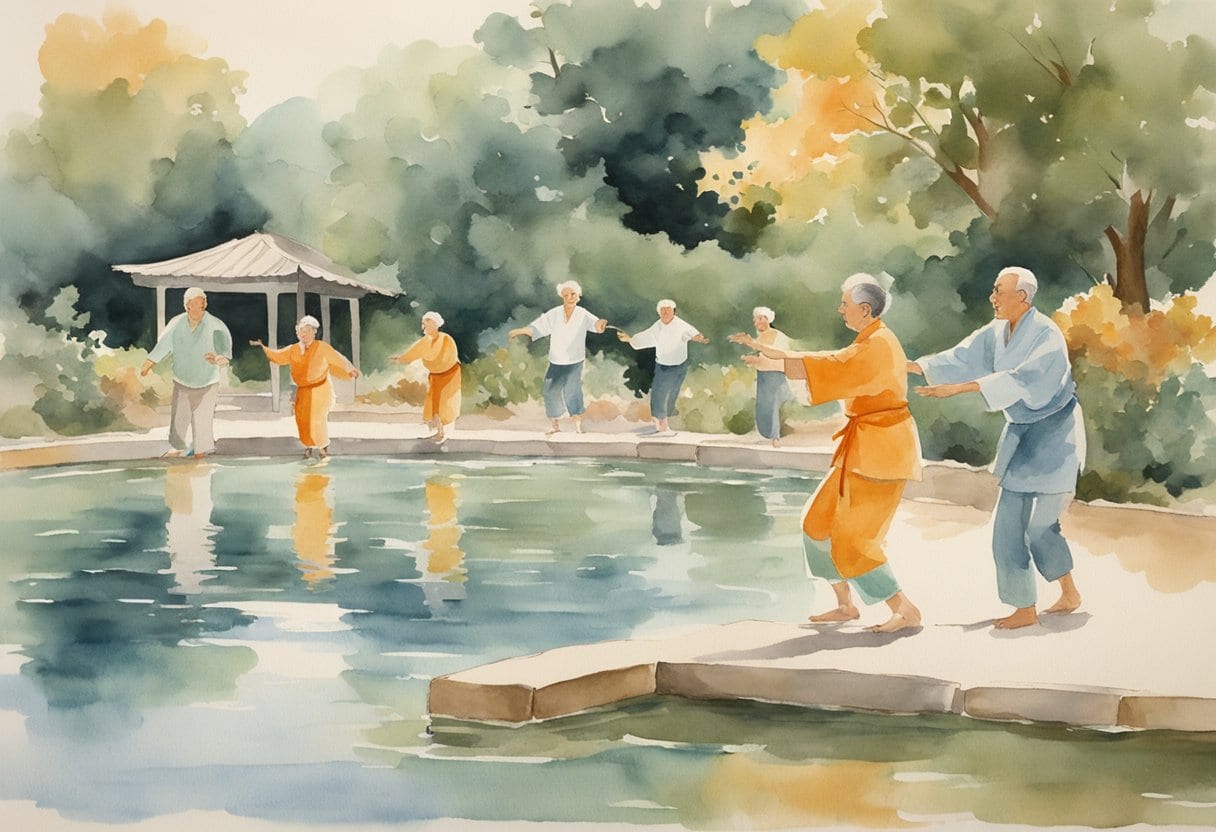
Water yoga and Tai Chi brings the gentle, flowing movements of traditional Tai Chi into the pool. The water adds resistance while supporting the body, creating a unique exercise experience.
The buoyancy of water makes movements easier on the joints and muscles. People can practice slow, controlled motions without fear of falling or losing balance.
The basic moves include arm circles, weight shifts, and stepping patterns. The water's resistance helps build strength while the gentle nature of Tai Chi promotes relaxation and stress relief.
Many seniors find that practicing Tai Chi in water improves their balance and flexibility more than land-based exercises. The peaceful environment of the pool enhances the meditative aspects of the practice.
Start with simple movements and gradually add more complex patterns as comfort and confidence grow. The water temperature should be comfortable - typically between 83-88 degrees Fahrenheit for optimal exercise conditions.
10) Floating Stretch Exercises
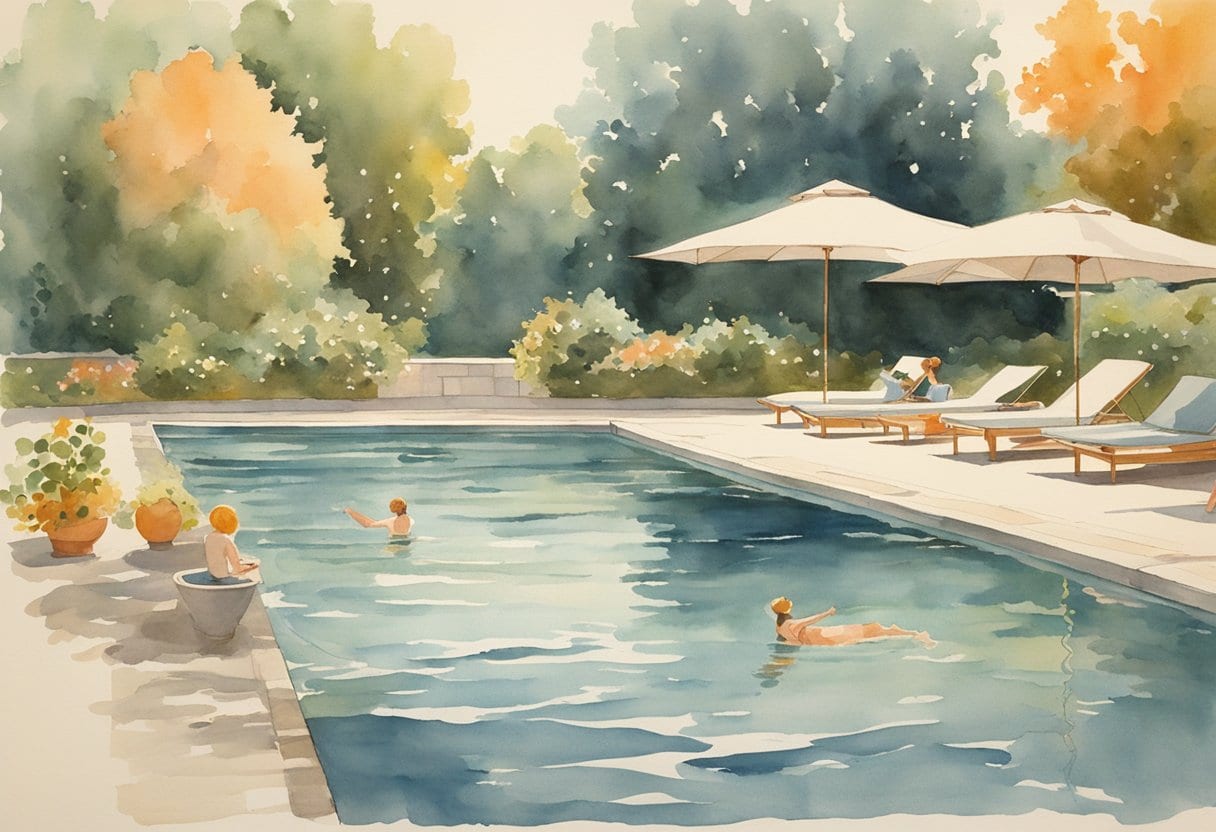
Water-based workouts offer a unique opportunity to stretch muscles with less strain on joints. The water's buoyancy supports body weight, making stretches easier and safer.
Find a quiet section of the pool where the water reaches chest height. Hold onto the pool wall for stability while performing stretches. Each stretch should be gentle and held for 20-30 seconds.
Try the leg float stretch by holding the pool edge and letting your legs float behind you. This helps loosen tight hip flexors and lower back muscles. Keep breathing steadily throughout each stretch.
Standing stretches near the pool wall work well too. Stand about 18 inches from the wall, place your hands on the edge, and lean forward while keeping your back straight. Step one foot back to feel a nice calf stretch.
The figure-four float helps stretch hip muscles. Float on your back, bend one knee, and rest your ankle on the opposite thigh. Let the water support your body as you feel the stretch.
Remember to move slowly between positions. The water allows for smooth transitions and helps prevent sudden movements that could cause discomfort.
Benefits of Aquatic Exercises
Aquatic exercise creates natural resistance while supporting your body weight, making it perfect for building strength and fitness with less strain on your body.
Enhancing Cardiovascular Health
Water walking and jogging strengthen the heart without putting stress on joints. The water's resistance makes muscles work harder, improving blood flow and heart function.
Moving through water increases breathing rate and heart rate naturally. This helps burn calories and build endurance.
The pressure from the water helps reduce swelling in legs and feet while exercising. Many people find they can exercise longer in water than on land.
Improving Joint Flexibility
Low-impact water movements allow joints to move freely with less pain. The water supports up to 90% of body weight, taking pressure off painful or stiff joints.
The warm water in therapy pools helps loosen tight muscles and increases range of motion. People with arthritis often notice less joint pain after water exercise.
Simple movements like leg swings and arm circles become easier in water. The natural buoyancy lets people stretch further than they could on land.
Designing a Low-Impact Fitness Routine
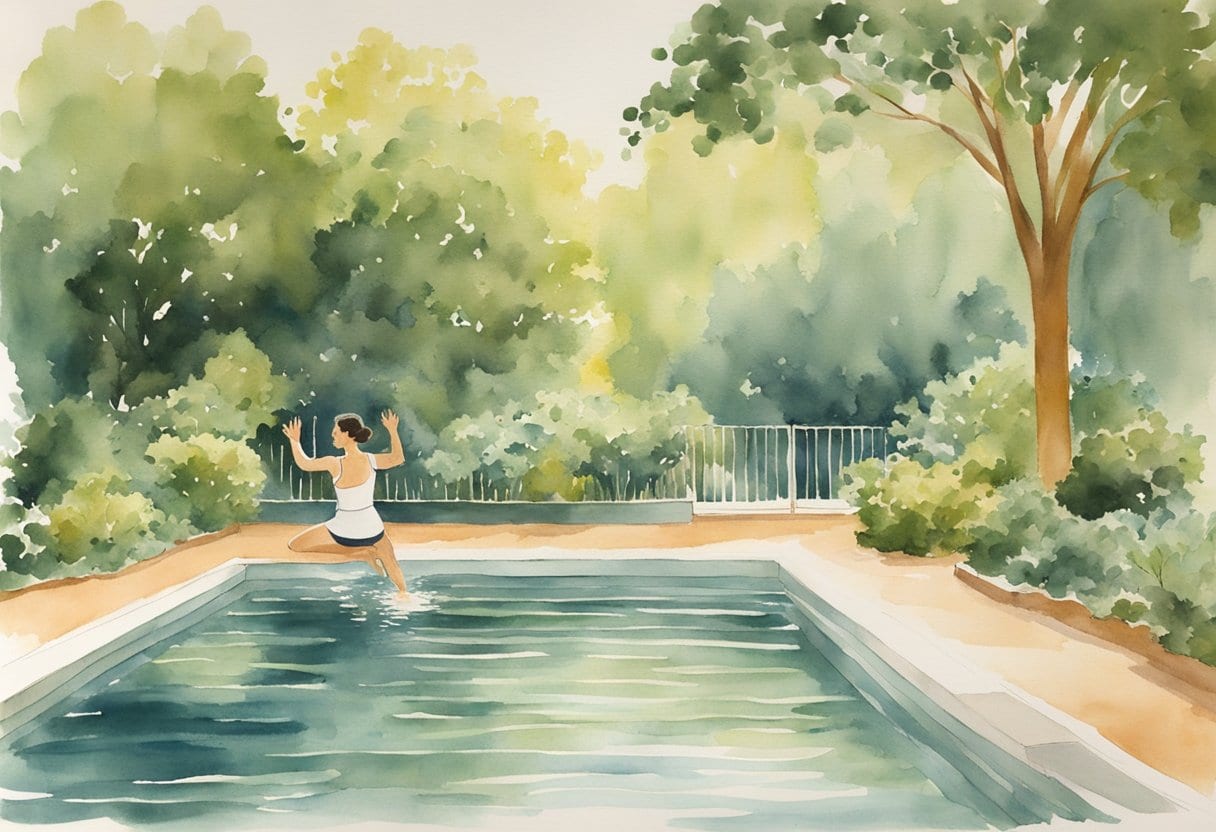
A well-planned water exercise routine helps people stay active while protecting their joints. The right mix of exercises and proper adjustments make water workouts both safe and effective.
Incorporating Aquatic Exercises
Water aerobics and aquafit exercises provide excellent low-impact options for fitness. The natural resistance of water creates an effective workout without putting stress on joints.
Start with basic moves in chest-deep water:
- Walking or jogging in place: 3-5 minutes
- Side steps: 2-3 minutes each direction
- Arm circles: 1-2 minutes forward and backward
- Jumping jacks in waist-deep water: 1-2 minutes
Rest between exercises for 30-60 seconds. Begin with 20-minute sessions and gradually increase duration as fitness improves.
Customizing for Individual Needs
Low-impact water workouts can be modified to match different fitness levels and physical limitations.
People with arthritis should focus on gentle movements and avoid quick directional changes. Those with balance issues can stay near the pool wall for support.
Essential safety tips:
- Exercise in water between 83-88°F (28-31°C)
- Stay hydrated even when in water
- Use water shoes for better grip
- Stop if experiencing dizziness or fatigue
Work with a trained instructor to learn proper form and get personalized exercise modifications.
Aquatic Exercises for Senior Workouts
Water aerobics gives seniors a safe way to stay active while protecting their joints. The buoyancy of water reduces impact and makes movement easier.
Safety Considerations
Always start with a 5-minute warm-up of gentle water walking in chest-deep water. This helps prepare muscles and joints.
Choose pools with non-slip surfaces and handrails. The water temperature should be between 83-88°F for comfort and safety.
Seniors should:
- Wear water shoes for better grip
- Stay hydrated even when in the pool
- Exercise with a buddy when possible
- Keep movement controlled and steady
- Stop if feeling dizzy or tired
Adapting Intensity Levels
Low-impact water workouts can be modified to match different fitness levels. Start in waist-deep water and progress to deeper levels as strength improves.
For beginners:
- Use slower movements
- Take frequent rest breaks
- Stay in shallower water
- Focus on form over speed
More advanced exercisers can:
- Add water weights
- Increase movement speed
- Try aqua jogging
- Work in deeper water for extra resistance
Frequently Asked Questions
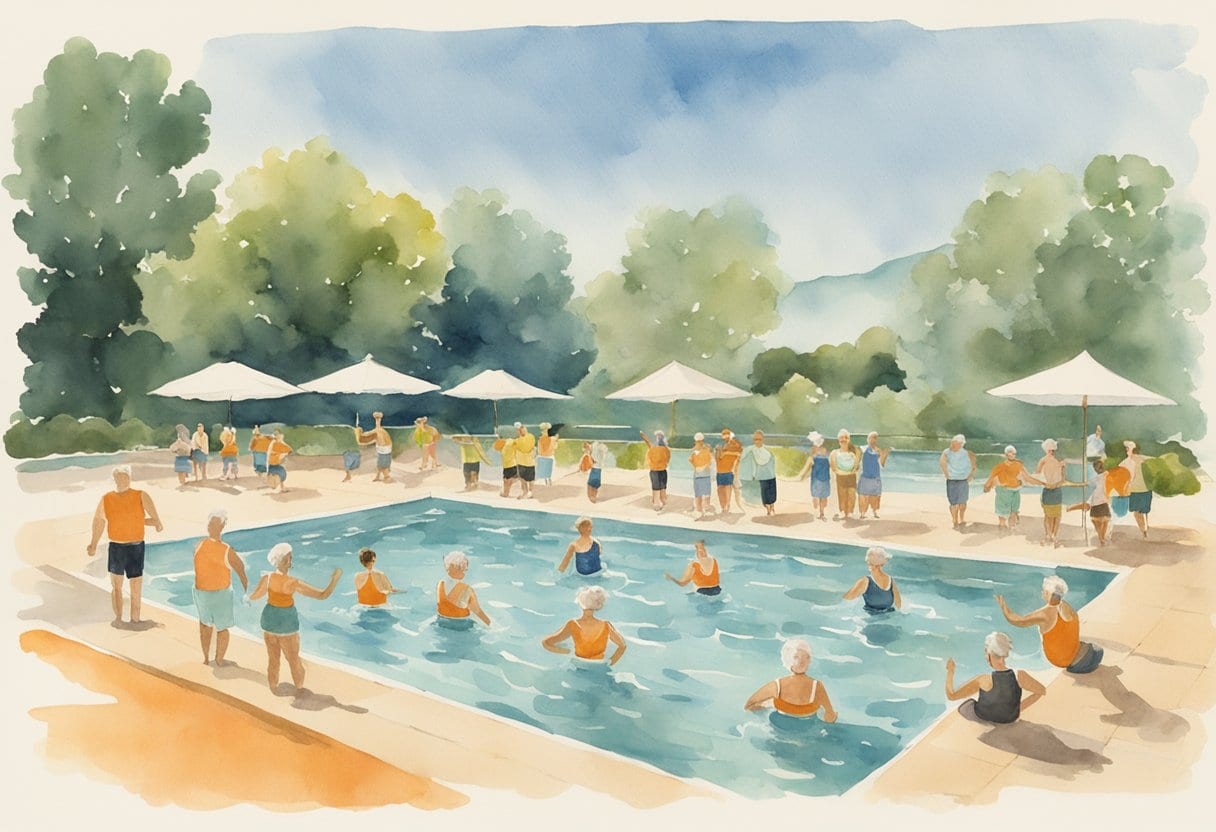
Water aerobics provides gentle resistance training while protecting joints from impact. The buoyancy of water makes exercise safer and more enjoyable for older adults.
What are the best aquatic exercises for seniors to improve fitness without causing strain?
Water walking and jogging are excellent starting points for seniors new to pool workouts. The water's resistance builds strength naturally.
Arm circles and leg lifts in chest-deep water help improve balance and flexibility. These movements can be done at a comfortable pace.
How often should seniors participate in water aerobics for optimal health benefits?
Seniors should aim for 2-3 water exercise sessions per week, each lasting 30-45 minutes. Rest days between sessions allow muscles to recover properly.
Starting with 20-minute sessions helps build endurance gradually without overexertion.
Can aquatic exercises help alleviate joint pain for seniors with arthritis?
Aquatic exercise reduces stress on joints while providing resistance for strength building. The warm water helps relax stiff muscles and ease joint discomfort.
Water walking and gentle stretching motions are particularly beneficial for arthritis management.
What type of water workout is recommended for seniors with knee pain?
Deep water exercises eliminate impact on knee joints while building leg strength. Water jogging with a flotation belt keeps feet from touching the pool bottom.
Vertical kicking exercises while holding the pool edge strengthen knees without strain.
Are there any free resources available for seniors to learn aquatic exercises?
Many community centers offer free introductory water exercise classes. Local senior centers often provide basic instruction in pool safety and exercises.
Chair yoga movements can help prepare seniors for water exercises at home.
How effective is swimming as an exercise for older adults above the age of 70?
Swimming improves cardiovascular health and muscle strength at any age. The low-impact nature makes it ideal for maintaining fitness in later years.
Even 15-20 minutes of gentle swimming can boost endurance and flexibility for seniors over 70.
Ready to restore your own photos?
Our artists bring your damaged photos back by hand, most within a few days.
Rated 4.96 out of 5 stars.4.96/5 · Loved by 400,000+ families