10 Fascinating Facts About Mongolia’s Yak Festival: A Spectacular Nomadic Celebration
Mongolia's rich cultural heritage comes alive through vibrant festivals that celebrate traditional ways of life.
Each year, communities gather to honor the sacred bond between nomadic herders and their livestock. They do this to keep ancient customs alive for future generations.
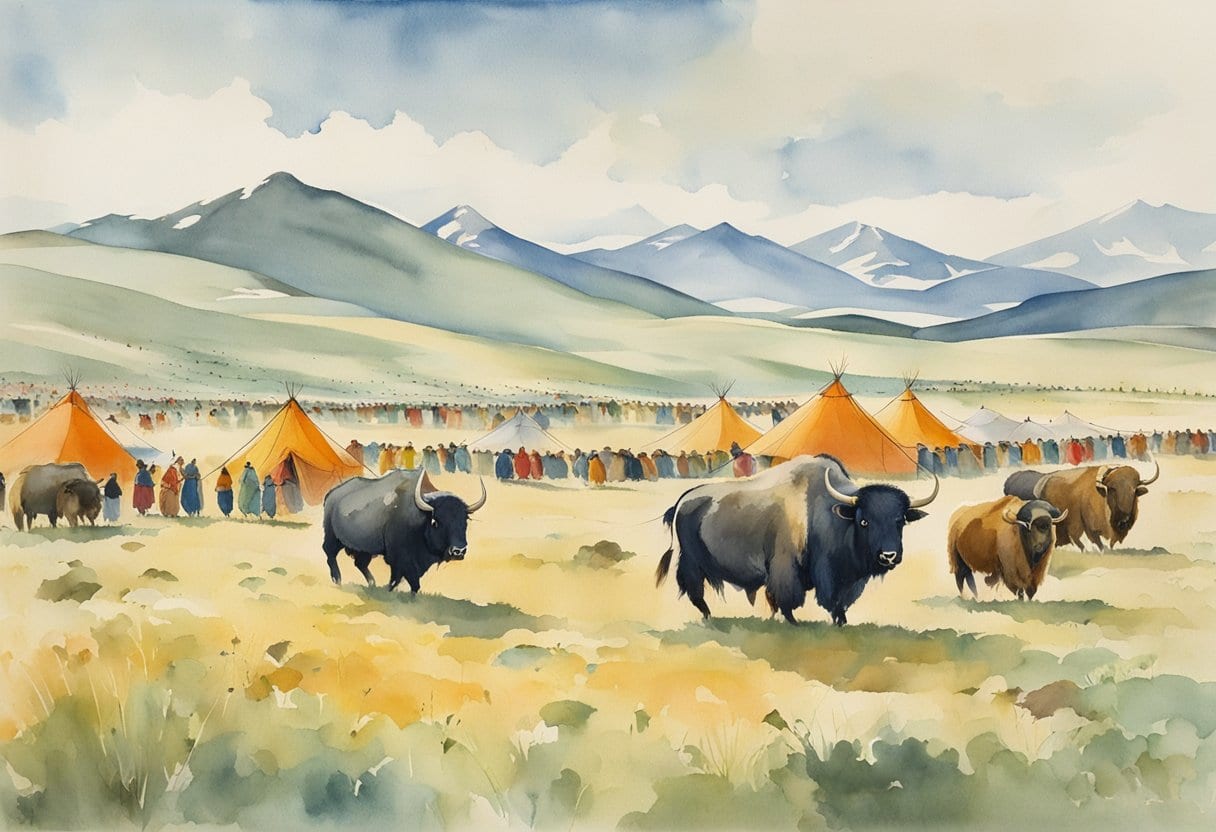
The Yak Festival in Mongolia stands as one of the country's most important cultural celebrations. It showcases the vital role these powerful animals play in nomadic life.
These magnificent creatures provide transportation, wool, milk, and meat. They also serve as a symbol of strength and survival in Mongolia's challenging landscape.
1) Yaks: A Symbol of Resilience in Mongolia
Mongolia has the second-largest yak population in the world. Over 1 million of these hardy creatures are spread across 13 provinces.
These remarkable animals thrive in the nation's harsh mountain environments.
Yaks inhabit the high regions of the Altai Mountain range, Khangai Mountain range, and the Kharkhiraa and Khuvsgul mountains.
Their thick fur and sturdy build make them perfect for Mongolia's challenging terrain.
These animals serve multiple purposes in Mongolian life. Yaks provide wool, transportation, and sustenance to nomadic communities, making them essential to the traditional way of life.
Nomadic herders rely on yaks for carrying equipment and pulling carts. Their versatility and strength have earned them deep respect in Mongolian culture.
The yak's importance is celebrated yearly through festivals featuring rodeos, races, and beauty contests. These events showcase the close bond between Mongolians and their beloved yaks.
2) Significance of Yaks in Nomadic Culture
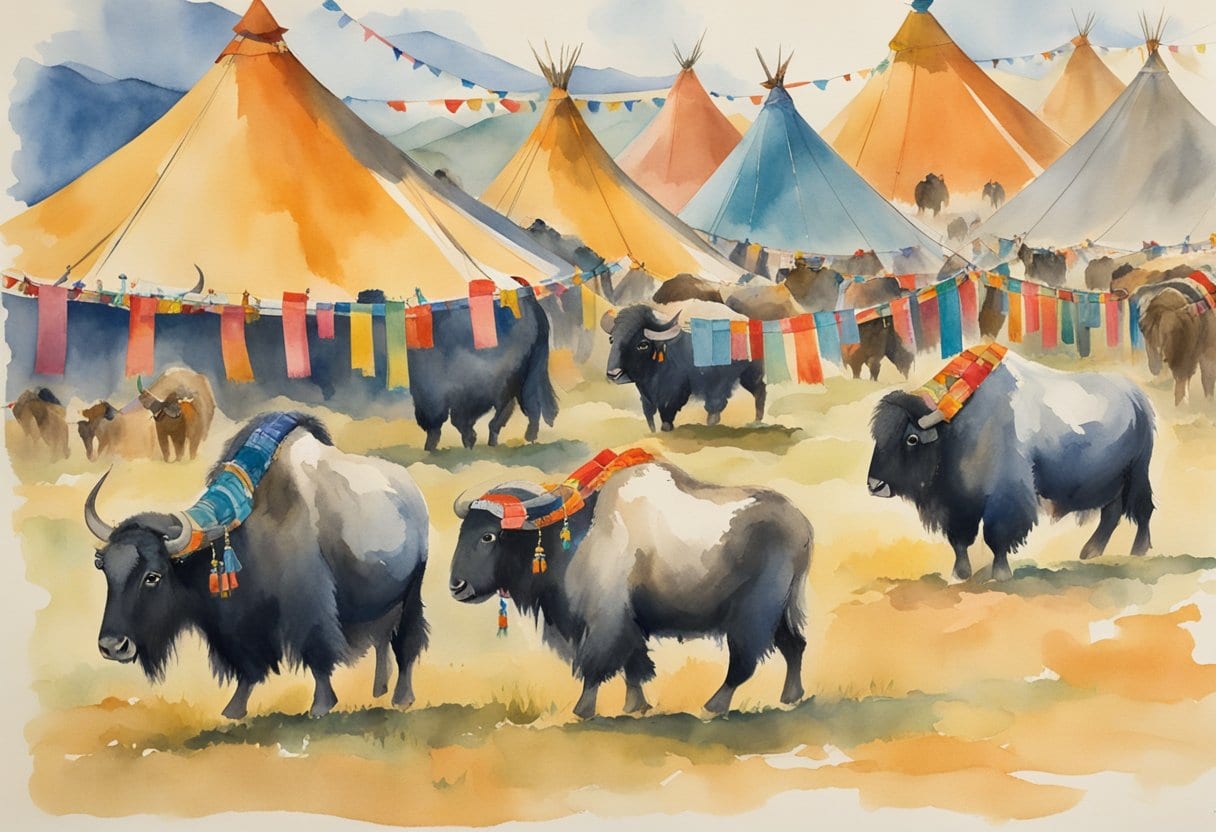
Yaks are vital partners in Mongolia's nomadic way of life. These hardy animals serve as all-in-one companions for nomadic families, providing essential resources for daily survival.
The relationship between nomads and yaks goes beyond basic farming. These remarkable creatures help carry equipment and pull carts, making them invaluable for transportation across Mongolia's rugged terrain.
Nomadic families rely on yaks for many basic needs. Their wool becomes warm clothing, while their milk transforms into butter, cheese, and other dairy products. This makes nomads self-sufficient in food production.
These animals are perfect for Mongolia's harsh climate. They handle extreme cold and high altitudes with ease, thriving in places where other livestock might struggle. Their strength and adaptability make them irreplaceable in nomadic communities.
Yaks represent more than just livestock - they're cultural symbols. Their presence in daily life has shaped Mongolia's nomadic traditions for generations, creating a deep bond between herders and their animals.
3) Overview of the Mongolian Yak Festival
The Mongolian Yak Festival takes place in Arkhangai province's Ikh Tamir village, about 470 kilometers from Ulaanbaatar.
This two-day celebration brings together local herders and visitors to honor these remarkable animals.
The festival features exciting yak lassoing competitions, where skilled riders on horseback demonstrate their herding abilities.
Some riders guide the yaks while others show off their roping skills.
Visitors can sample traditional yak products during the event. The animals provide high-quality meat that's naturally low in cholesterol, and their milk becomes especially rich in autumn, containing up to 12% fat content.
The festival serves as more than just entertainment - it's a celebration of Mongolia's cultural heritage and traditional way of life.
Local artisans display crafts made from yak wool and down, which is similar to cashmere in softness and provides exceptional warmth.
Festival organizers aim to promote sustainable yak farming while attracting both domestic and international tourists. The event helps preserve ancient herding traditions while showcasing their importance in modern Mongolia.
4) Traditional Yak Rodeos and Competitions
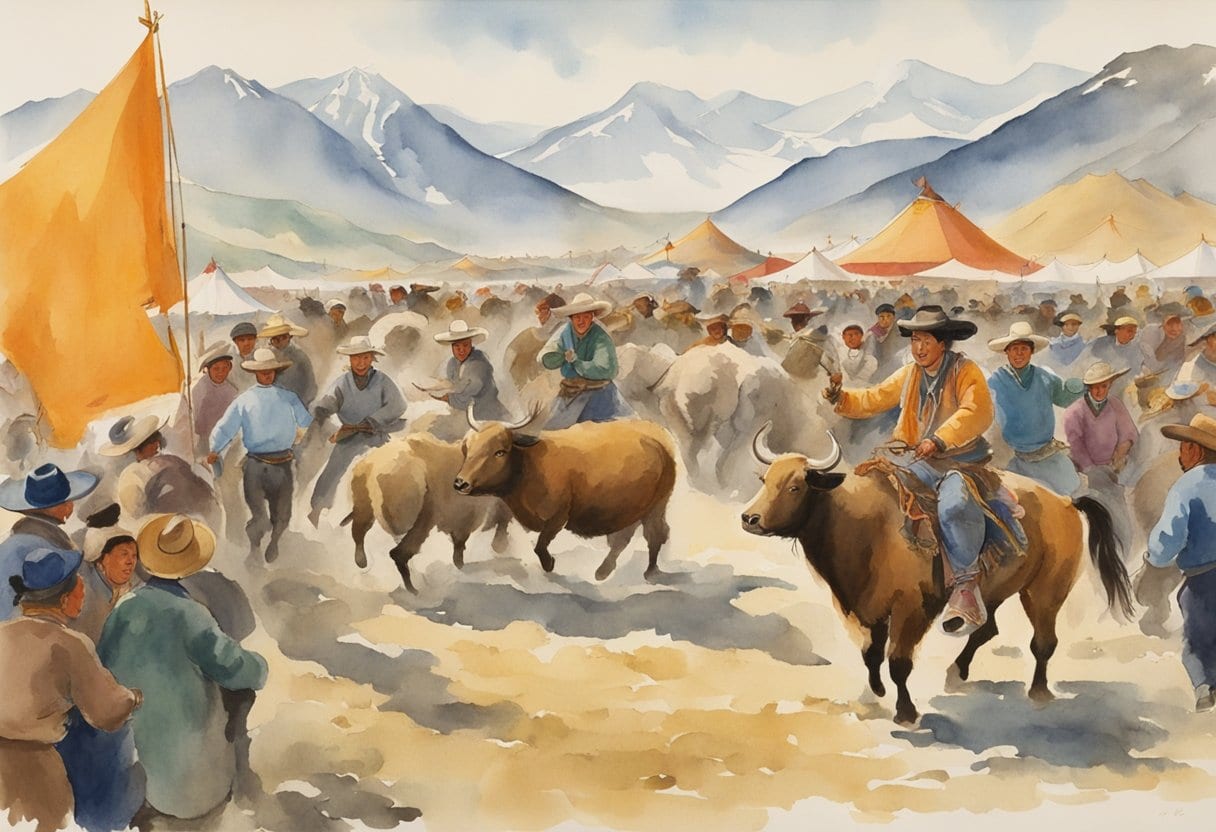
The Yak Festival features exciting rodeos where skilled riders demonstrate their mastery over these powerful animals.
Participants compete in challenging events like yak lassoing and riding demonstrations.
Yak milking competitions test the speed and skill of experienced herders.
The participants must approach the yaks calmly and efficiently collect milk while demonstrating proper technique.
One of the most thrilling events is yak polo, where riders navigate these massive animals across the field while trying to score goals.
The unique sport requires exceptional balance and control.
The festival includes a yak beauty contest where owners present their finest animals.
Judges evaluate both the yaks' natural appearance and their decorative ornaments.
Fast-paced yak races draw huge crowds as the massive creatures thunder across the grasslands.
Skilled riders guide their mounts toward the finish line in an impressive display of speed and power.
Local herders also compete to show off their best-decorated yaks. The animals wear colorful traditional ornaments that highlight Mongolia's rich cultural heritage.
5) Yak Milking Trials and Techniques
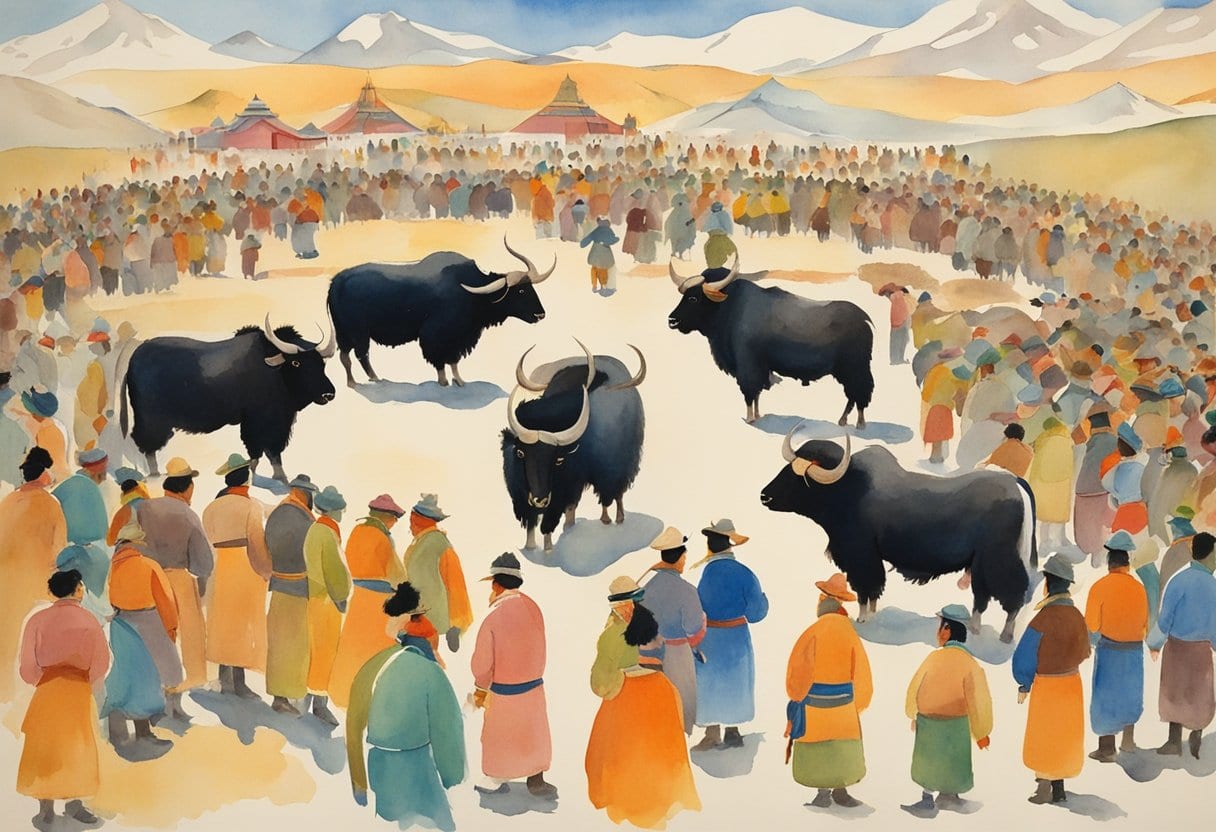
The yak milking trials form an exciting part of the festival's competitions.
Local herders demonstrate their skill and speed in milking these powerful animals.
Milking a yak requires special techniques different from other livestock. The milker must approach from the left side and work quickly while keeping the yak calm.
A skilled herder can milk a yak in just a few minutes.
Female yaks, called dri, produce rich milk with high fat content. During the trials, contestants compete to fill their buckets with the most milk in a set time period while maintaining proper technique.
The judges watch carefully for cleanliness and proper handling.
They check if milkers follow traditional methods and keep both the animals and milk containers clean throughout the process.
Winners of the milking trials earn respect from their community. Their success shows deep knowledge of yak handling and the traditional skills passed down through generations of Mongolian herders.
6) Importance of Yak Products in Daily Life
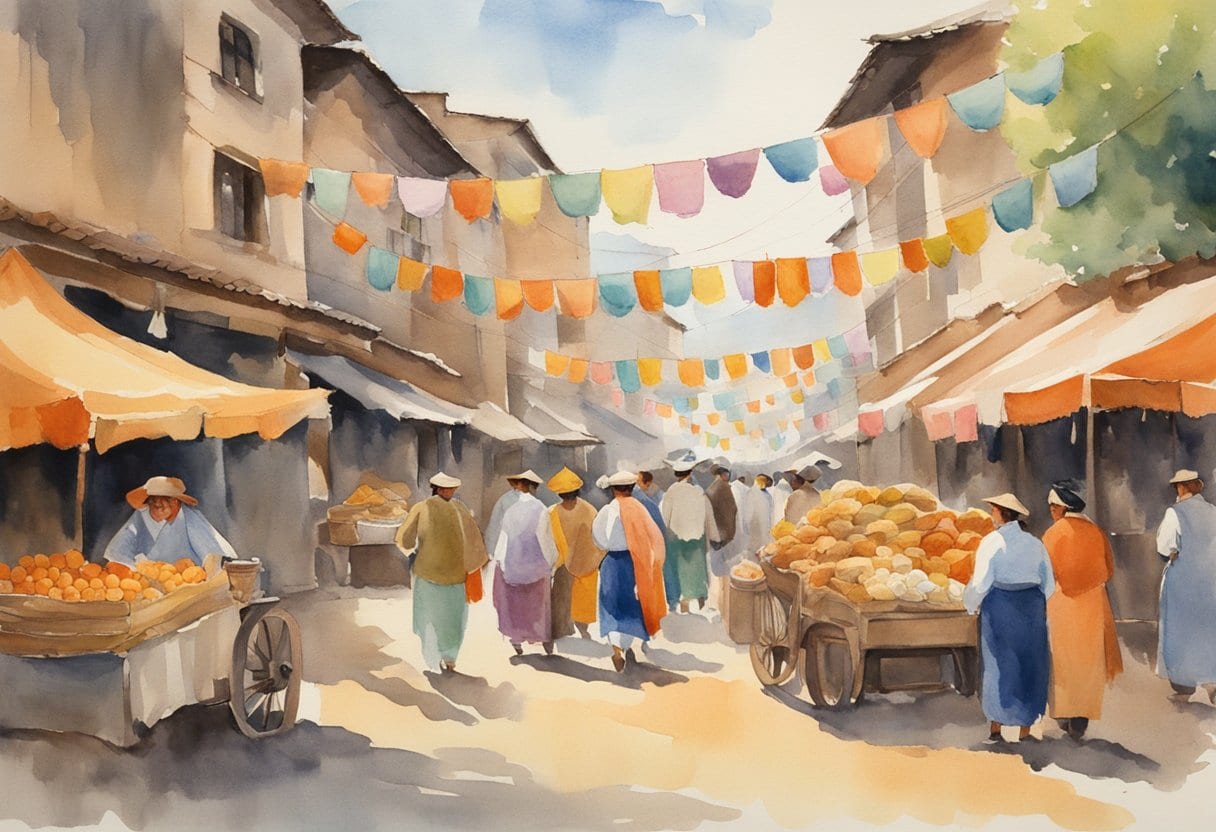
Yaks provide essential resources for Mongolian herders' daily survival. The versatile animals supply milk, wool, and other materials that families use throughout the year.
Local herders create multiple dairy products from yak milk. These include butter, cheese, and fermented drinks that provide important nutrition during the harsh mountain winters.
Yak wool processing has become a significant economic activity.
Skilled craftspeople transform the wool into warm clothing, blankets, and traditional handicrafts that families use and sell.
The wool products generate income for local communities when sold at markets or exported.
Some companies now produce high-end clothing items from yak wool for international customers.
Yak horns and leather serve practical purposes too. Herders use these materials to make tools, containers, and other necessary items for their households.
Nothing goes to waste from these valuable animals. Even yak dung provides fuel for heating and cooking in areas where wood is scarce.
7) Yak Beauty Contests: Celebrating Grace
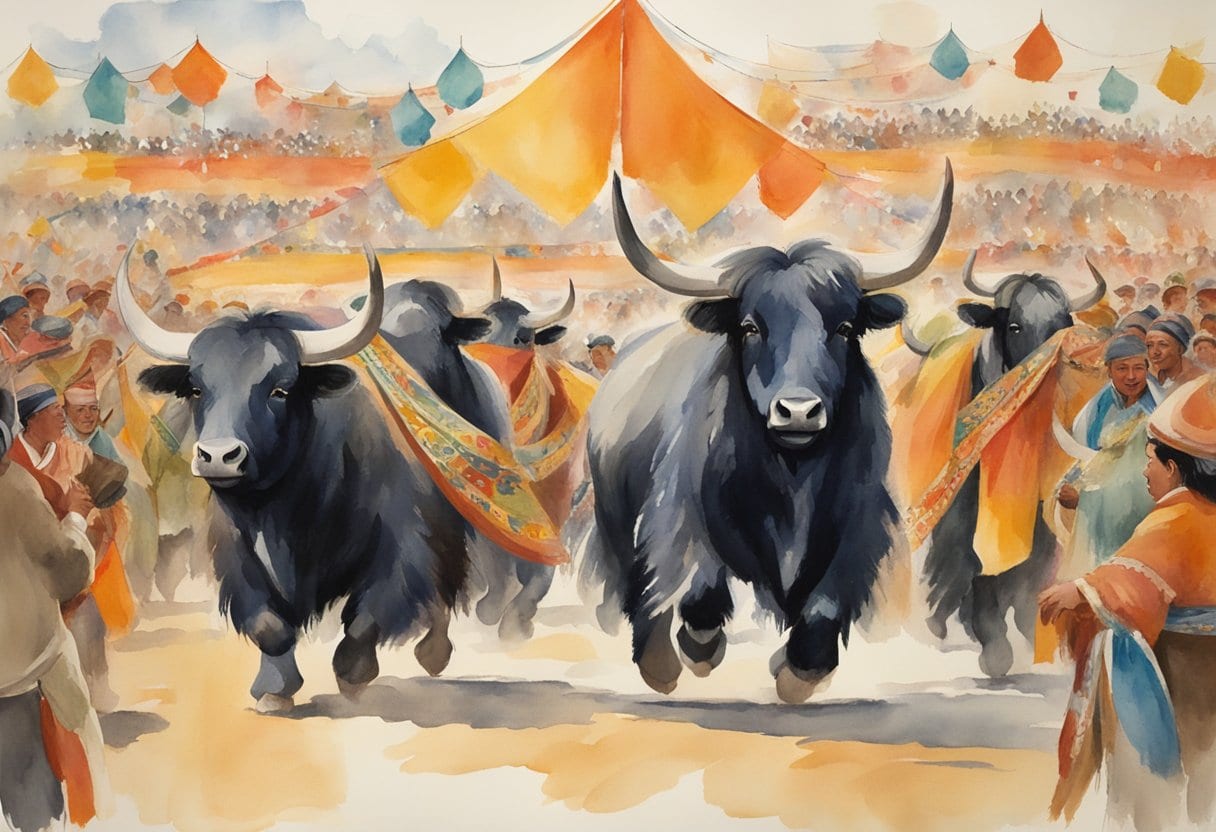
The Yak Festival in Mongolia features spectacular beauty contests where these majestic animals show off their finest qualities.
Owners brush and clean their yaks until their coats shine in the sunlight.
During these contests, judges look at the yak's physical features, including coat quality, horn shape, and overall build.
Local herders take great pride in presenting their best yaks, often decorating them with traditional ornaments.
Traditional Mongolian dress plays an important role in the beauty contests.
Herders wear their most colorful and elaborate deel garments while presenting their yaks to the judges and spectators.
The beauty contests celebrate more than just appearances. They honor the special bond between nomadic herders and their yaks, recognizing these animals' vital role in Mongolian culture and daily life.
These festive competitions draw large crowds who cheer for their favorite yaks. The atmosphere fills with excitement as judges deliberate and select winners from among the region's finest specimens.
8) Polo on Yak Back: A Unique Experience
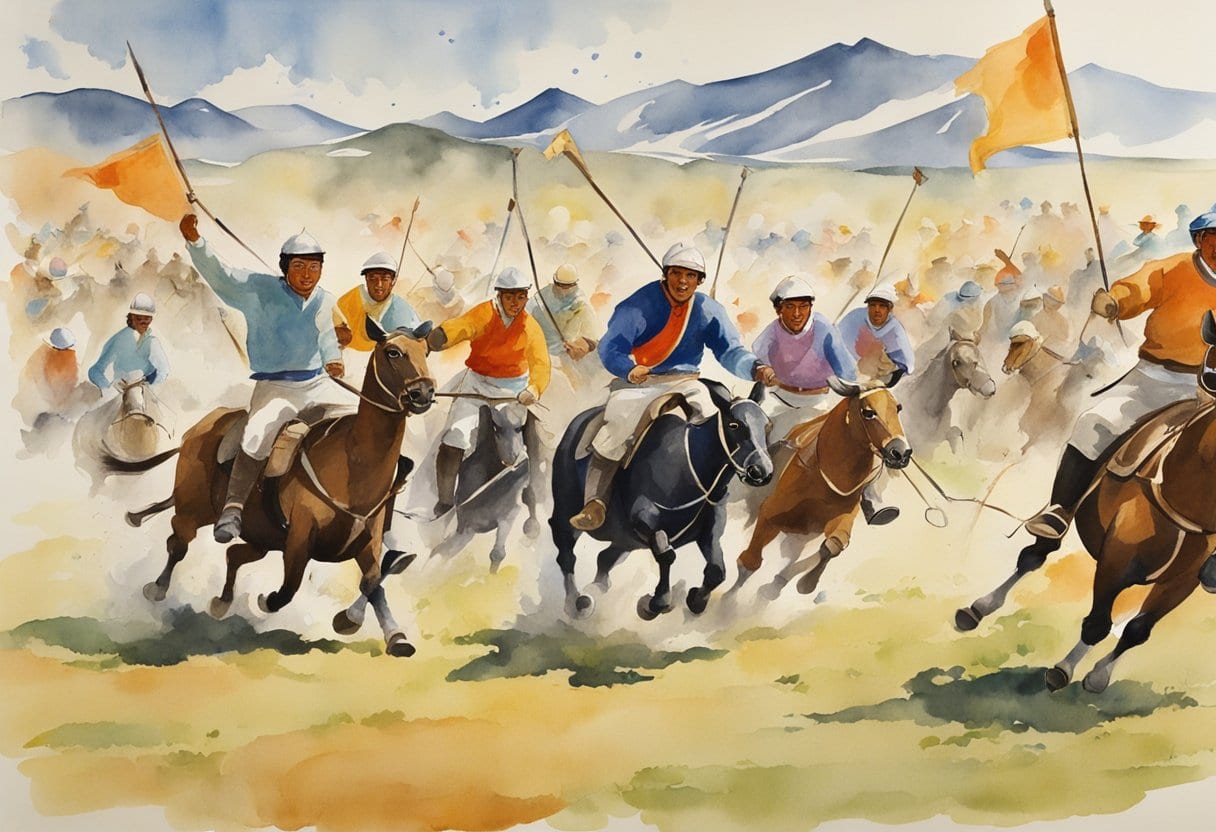
Among the most thrilling events at the Mongol Yak Festival is yak polo, a creative adaptation of the traditional equestrian sport. Players mount these powerful creatures instead of horses, creating an unforgettable spectacle.
The game follows similar rules to regular polo, but the unique characteristics of yaks add an extra layer of excitement.
Yaks move differently than horses, making the sport more unpredictable and entertaining for both players and spectators.
Yak polo demonstrations showcase the remarkable bond between herders and their animals.
Riders must carefully balance their position while maneuvering these strong, sturdy creatures across the field.
Local herders spend weeks training their yaks for this special event. The animals need to learn to respond to commands and move in coordination with their riders' signals.
This distinctive sporting event draws visitors from around the world who want to witness this rare combination of traditional polo and Mongolia's beloved yaks.
Some brave tourists even get the chance to try riding yaks under careful supervision.
9) Yak Races: Speed and Excitement
Yak racing stands as one of the most thrilling events at traditional festivals across Mongolia and other Central Asian regions. These massive animals thunder across the grasslands with surprising agility and speed.
The racing yaks demonstrate remarkable quickness, often exceeding spectators' expectations.
Skilled riders guide these powerful creatures toward the finish line in an impressive display of control and partnership.
Local herders dress in their finest traditional clothing to participate in these races. Each rider hopes their yak will earn glory and recognition among the gathered crowd.
Past festivals have showcased notable achievements.
One such example comes from Erdenetolgoi, where a six-year-old yak claimed victory after previously placing third in an earlier competition.
The races serve as more than entertainment. They celebrate the deep connection between Mongolian herders and their animals while testing the strength and speed of these remarkable creatures.
10) Traditional Clothing at the Yak Festival
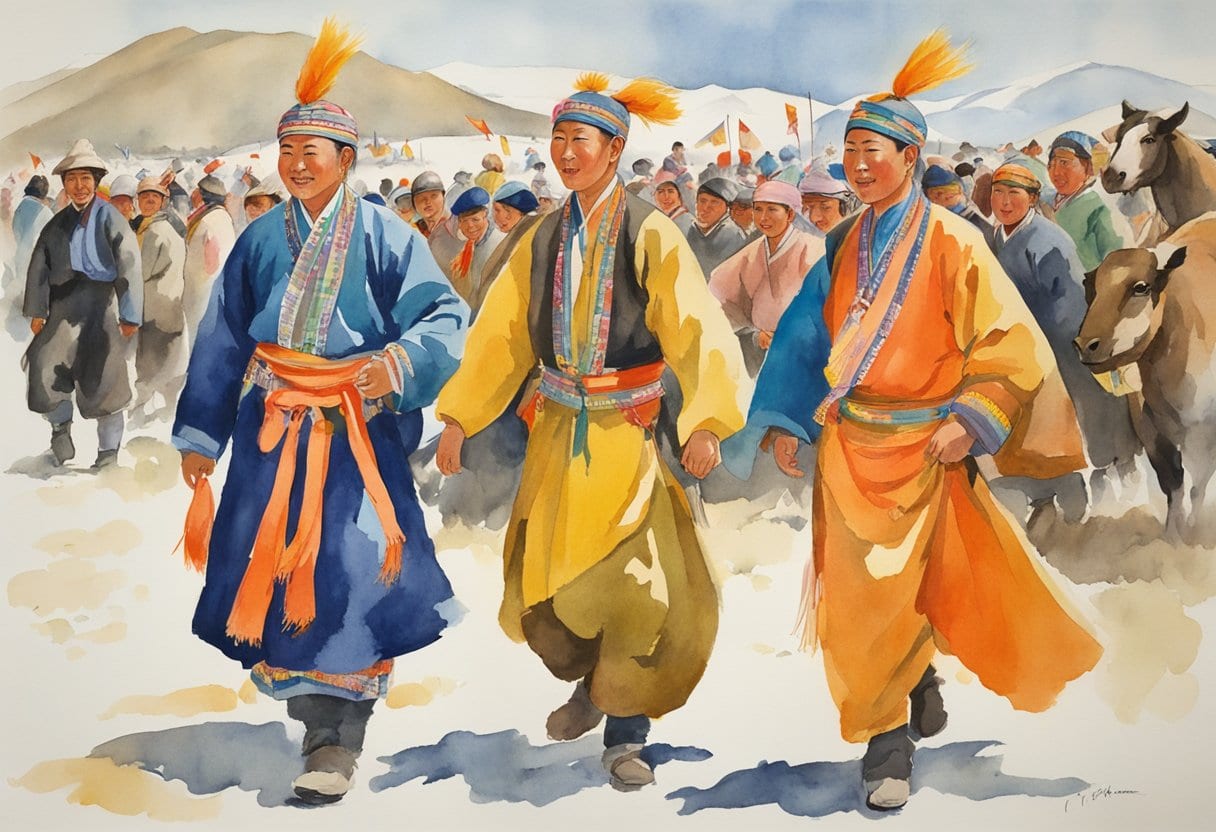
The Yak Festival brings out people wearing their finest traditional attire. Locals dress up in their most beautiful deel, the traditional Mongolian robe worn by both men and women.
The deel worn at the festival features bright colors and intricate patterns.
These robes are typically made from silk or cotton and secured with a decorative sash around the waist.
Women often add colorful headdresses and jewelry to their outfits.
The ornate accessories include silver pieces, coral beads, and traditional hair ornaments that sparkle in the sunlight.
Men wear deels in darker, rich colors like deep blue or brown. They pair their robes with traditional leather boots and distinctive hats that protect them from the sun during the outdoor festivities.
Many festival participants choose to wear special clothing made from yak wool.
These garments show respect for the animal being celebrated while providing warmth in the cool mountain air.
Cultural Significance of the Yak Festival
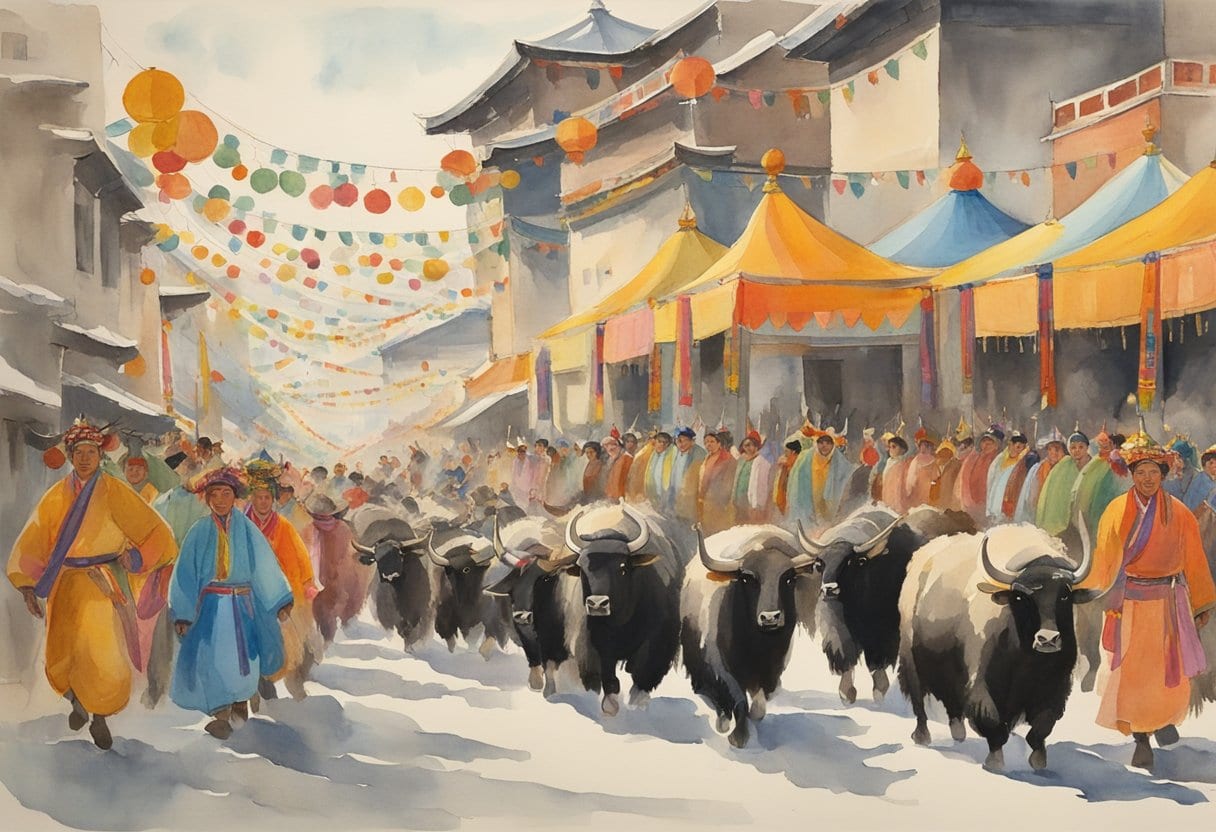
The Yak Festival celebrates Mongolia's deep connection with these remarkable animals through competitions, cultural displays, and traditional ceremonies that highlight their importance in nomadic life.
Historical Background
The Yak Festival emerged as a vital celebration of Mongolia's nomadic heritage, where yaks have been essential for survival in the harsh mountain regions. These animals provide food, shelter, and transportation for local communities.
Yaks hold special meaning as symbols of strength and endurance in Mongolian culture.
The festival includes ancient rituals to honor the "Yak God," a tradition that dates back generations.
Local herders gather annually in the Khangai Mountains, an area with one of the world's highest yak populations, to showcase their prized animals and maintain cultural connections.
Role in Mongolian Livestock Traditions
The festival features several traditional competitions that display herding skills:
- Yak rodeos
- Milking trials
- Beauty contests
- Polo matches on yak-back
- Racing events
Participants wear their finest traditional clothing while competing in these events.
The festival also includes displays of yak wool garments and local handicrafts, showing how communities use every part of the animal.
The celebration brings together families and communities to share knowledge about yak herding practices. Young herders learn important skills from experienced elders during the festivities.
Activities and Celebrations
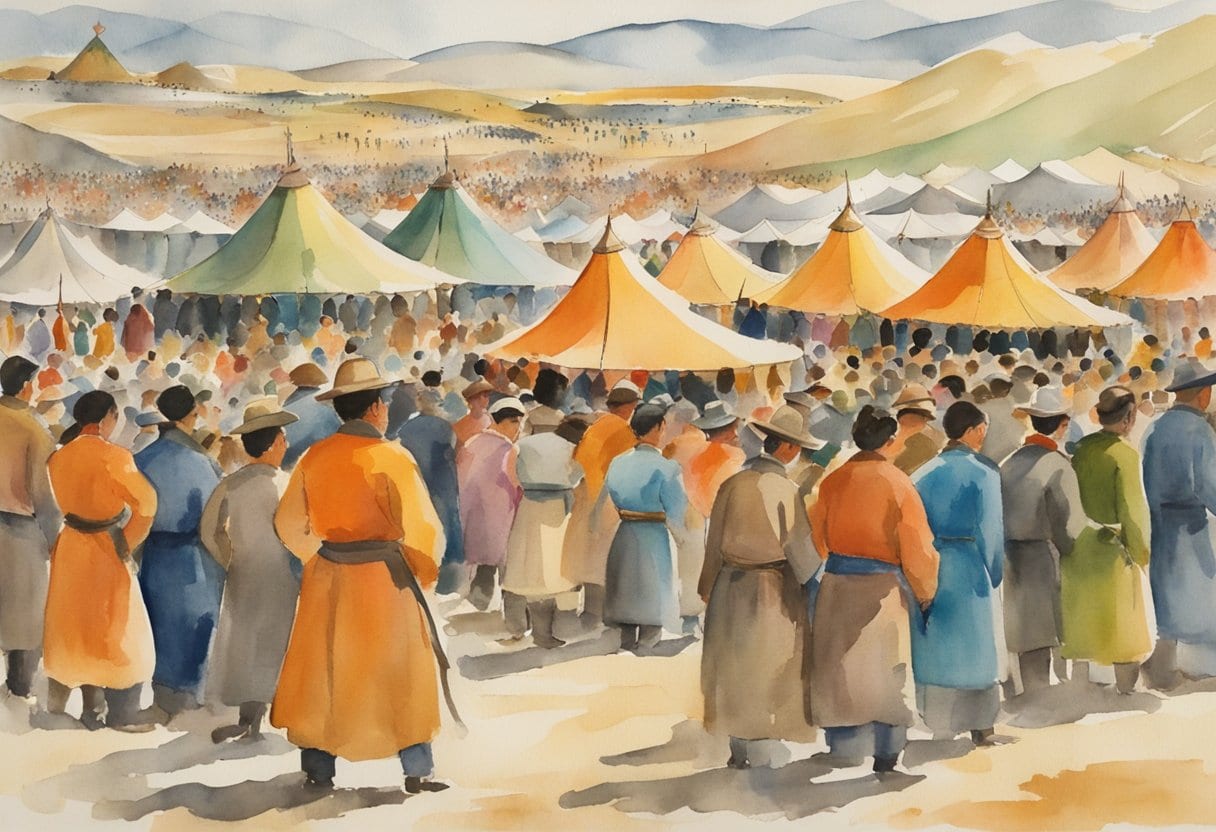
The Mongolian Yak Festival features exciting competitions and traditional food celebrations that showcase the cultural significance of these magnificent animals. Local herders gather to display their skills and share traditional dishes.
Traditional Competitions
Yak racing and rodeos bring thrills to the two-day celebration.
Skilled riders compete in daring displays of horsemanship atop these powerful creatures.
The festival includes a yak milking competition where herders demonstrate their expertise. This tests both speed and technique.
A unique highlight is polo played on yak-back, combining traditional sports with these mighty animals. Players must master both balance and control.
The best-decorated yak contest showcases beautifully adorned animals in colorful traditional ornaments. Herders spend hours preparing their yaks for this parade.
Culinary Highlights
Traditional dairy products take center stage at the festival.
Fresh yak milk, cheese, and butter demonstrate the versatility of these animals in Mongolian cuisine.
Local families prepare special dishes using yak meat, a protein-rich food central to nomadic life. These recipes have been passed down through generations.
A fashion show featuring yak wool clothing displays the practical and stylish uses of yak fiber. Craftspeople present both traditional and modern designs.
Visitors can taste authentic dairy products and learn about traditional preservation methods used by nomadic families.
Frequently Asked Questions
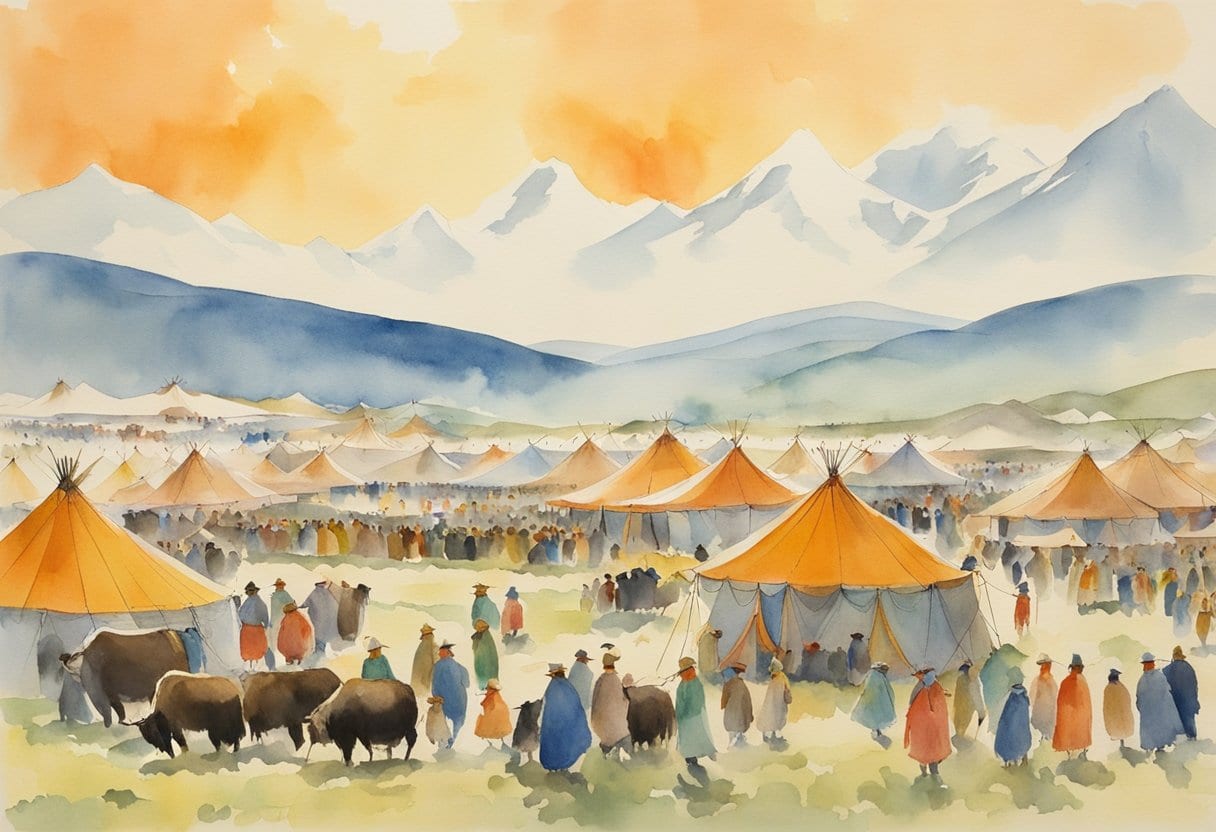
The annual Yak Festival brings together nomadic traditions, cultural celebrations, and competitive events that showcase Mongolia's deep connection with these remarkable animals. Local herders display their skills while visitors experience authentic customs and traditional products.
How can one obtain tickets for the Yak Festival in Mongolia?
Tickets can be purchased through local tour operators in Mongolia.
Many tourism companies offer festival packages that include transportation and accommodations.
Most visitors arrange their festival attendance through guided tours based in Ulaanbaatar.
What are the dates and location for the Yak Festival in Mongolia?
The festival takes place on July 23rd each year in the Orkhon Valley, located in Bat Ulzii sum, Ovorkhangai province.
The timing allows visitors to experience peak summer weather conditions in the mountainous region.
What cultural significance does the Yak Festival hold in Mongolia?
The festival celebrates the yak as a symbol of resilience and survival in Mongolian culture.
These animals play a vital role in nomadic life, providing transportation, dairy products, wool, and meat for local communities.
What activities are included in the celebration of the Yak Festival?
The event features yak racing, milking competitions, and wool crafting demonstrations.
Traditional ceremonies include blessing rituals and deity worship specific to yak herding culture.
Local families showcase their finest yaks in beauty contests and strength demonstrations.
How does the Yak Festival contribute to the preservation of livestock traditions in Mongolia?
The festival helps preserve ancient herding techniques and traditional yak products.
Young herders learn essential skills from experienced community members during competitions and demonstrations.
Which other festivals occur in Mongolia during the summer season?
The Naadam Festival celebrates wrestling, archery, and horse racing in July.
The Eagle Festival takes place in the western regions. It features traditional hunting demonstrations.
The Felt Making Festival showcases traditional textile crafting methods used by nomadic communities.
Ready to restore your own photos?
Our artists bring your damaged photos back by hand, most within a few days.
Rated 4.96 out of 5 stars.4.96/5 · Loved by 400,000+ families