
Rated 4.96/5 by 2,185+ reviews· Updated August 1, 2026
ScanCafe Alternatives: 7 Ways to Get a Photo Restored, Not Just Scanned
Most people searching for ScanCafe alternatives want one damaged photograph fixed, not a shoebox digitized. At the time of writing, ScanCafe's process page states restoration is quoted after an evaluation of each individual photo, with a 50% deposit on approved quotes. MemoryCherish puts the number first instead. Restoration starts at $38, and the artist tier you choose sets that price rather than how damaged your print is. Real US artists do the work by hand, never AI at any stage, with about four hours going into an average photograph. Your original never leaves your house, because you upload a copy. The first proof comes back in about one to three days, revisions are free until you are happy, and there is a 100% money-back guarantee paid in cash.
How we compared them
- Whether you are buying digitizing or an actual repair
- A published price you can read up front, or a price set after somebody grades your damage
- Whether the print itself has to be shipped anywhere
- What stage of the job a published time figure is actually measuring
- A real human artist, or an automated model filling in what is missing
- What the remedy is worth if the first version misses, and whether it is paid in cash
The shortlist
| Service | What they publish about their method |
|---|---|
| MemoryCherish | Real artists based in the United States, working by hand, never AI at any stage, with roughly four hours of hand work on an average photograph |
| Forever StudiosSource: foreverstudios.com/restore-retouch-photo-service | Forever Studios' old photo restoration page states its US-based team of restoration professionals reverses aging and damage in photographs by hand. |
| RetouchUpSource: retouchup.com/services.php | RetouchUp describes its offering as human-powered and states that a human touch is the only proper way to treat artwork. |
| RememorieSource: rememorie.com | Rememorie's homepage states images are restored and colorized by professional artists, not robots or AI, and its restoration page states the work is done by hand using highly manual, AI-free tools. |
| FixThePhotoSource: fixthephoto.com/pricing | FixThePhoto states its professional retouchers follow the customer's photo editing guidelines, and its about page describes the company as a group of skilled retouchers, editors, designers and storytellers. |
| Hotpot.ai AI Picture RestorerSource: hotpot.ai/restore-picture | Hotpot states its AI Picture Restorer restores, sharpens and repairs pictures with AI, automatically removing scratches, sharpening colors and enhancing faces. |
| Topaz Photo (Topaz Labs)Source: topazlabs.com/topaz-photo | Topaz describes Topaz Photo as a desktop-based, AI-powered application used to enhance image and photo quality, with a set of AI-powered tools plus an autopilot mode, on Mac and Windows. |
MemoryCherish
Ordering opens at $38, and the number tracks the artist tier you choose rather than the state of the photograph, so a print in four pieces and a mild fade cost the same at the same tier. You upload a copy, which means the original stays in your drawer throughout. The first proof arrives in about one to three days. Revisions are free until the result is right, with no cap on how many. If it never is right, the guarantee returns your money in cash rather than credit toward another order, and the files already delivered are yours either way, with no watermark and no expiry. Museums and historical societies have hired these artists, as have more than 400,000 families. Verified reviews average 4.96 out of 5 across 2,178+ of them, and combined artist experience passes 37 years. Nothing is invented: an artist works from the detail that survives in your print, and tells you plainly when a region cannot be brought back honestly.
Forever Studios
The company says it has provided professional photo restoration in the USA since 2007, and its homepage leads with historical media digitizing alongside the restoration services, which is the shape of a mixed transfer-and-editing shop rather than a single-photo studio. On timing, at the time of writing its site states a first proof arrives in the customer's account in one to three days, and that a first set of colorization proofs arrives in about three days. Both figures describe a proof stage rather than a finished file, so read them as a checkpoint. Published figures move, so check their live page on the day you order rather than any number quoted in an article. What we can tell you about our own side of the comparison is fixed: MemoryCherish opens at $38, set by the artist tier you pick and never by how damaged the print is, with a first proof in about one to three days, free revisions until you are happy, and a 100% money-back guarantee paid in cash.
RetouchUp
RetouchUp states it was established in 2006, and that it was created by Hollywood FotoFix, Inc., which it says has been in business since 1993. Its listed business address is 345 South Main St, Alpine, UT 84004, and its published services run to photo retouching, clipping path, color correction and photo restoration, so a damaged family print sits inside a wider production menu aimed largely at photographers. Read its live services page for current figures. MemoryCherish is built around the opposite job: one photograph, one US artist, about four hours of hand work, from $38, with the artist tier setting the price instead of the damage, and free revisions until you are happy.
Rememorie
We report that as their published positioning rather than adjudicating it. At the time of writing, its site states standard delivery of 1 to 4 business days, and states that a 24-hour delivery option is offered. Pricing is published flat per photo with a lower bulk rate and a colorization add-on, so read the live figures on their own page. The company describes itself as a small team of experts, and states its artists have been providing photo restoration, photo editing and graphic design services for over a decade. Whether you have one photograph or a stack of them, MemoryCherish prices each one from $38 by the artist tier you choose, with no minimum, no package and no contract, returns a first proof in about one to three days, revises free until you are happy, and backs it with a cash money-back guarantee.
FixThePhoto
The company says it was founded in 2003, and describes itself as an online photo editing service without geographic limits rather than a fixed-location studio. Restoration is one line on a broad editing menu there, so if you go that route, write your brief carefully and be specific about what must not change on a face. Entry pricing moves, so read the live page for current figures. For a single irreplaceable print, MemoryCherish assigns a US artist who works by hand, never AI, spends around four hours on an average photograph, and works to a written rule: rebuild only from the detail the photograph still holds, and never invent a face.
Hotpot.ai AI Picture Restorer
At the time of writing, Hotpot offers the restorer free with no account needed, and states the free service repairs both color photos and black-and-white ones. Read the company's own caveat before setting expectations: it states that while the service automates photo restoration, it "cannot replace experts for demanding restoration jobs", and describes the tool as designed to help consumers with lightweight requirements while helping professionals save time on difficult restoration requests. It states free images are limited by the CC BY-NC license, which is worth reading before you plan anything commercial with the output, and that it retains images only as long as necessary to run its machine learning models. Use it to sort, then send the photographs that actually matter to MemoryCherish, where a real US artist works on them by hand from $38 and the delivered files are yours permanently with no license attached.
Topaz Photo (Topaz Labs)
You supply the labor here, so this is not a like-for-like swap for a restoration order. Topaz lists archival images as a use case, including removing dust and scratches, adjusting lighting and color, and restoring images to their original sharpness. It states the product's AI was trained on millions of images, and that it offers private local rendering in which files never leave the user's computer, with cloud rendering also offered. It is sold on recurring subscription plans rather than per photo, so the cost keeps arriving whether you are working or not. Its footer lists an address at 5100 Belt Line Rd Ste 930, Dallas, TX 75254. The trade is your evenings and a learning curve, and you are still the one judging whether a rebuilt area matches what your print actually recorded. MemoryCherish is a single $38 order with no subscription, a US artist doing the deciding, free revisions until you are happy, and a cash money-back guarantee if it never lands.
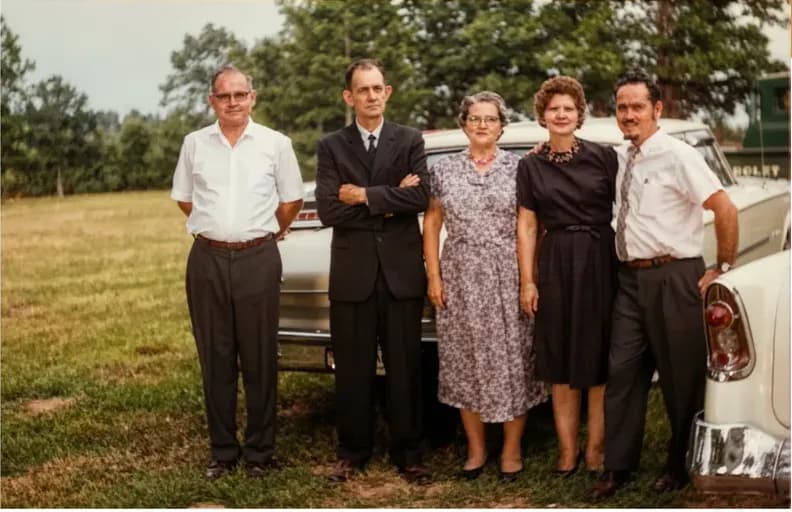
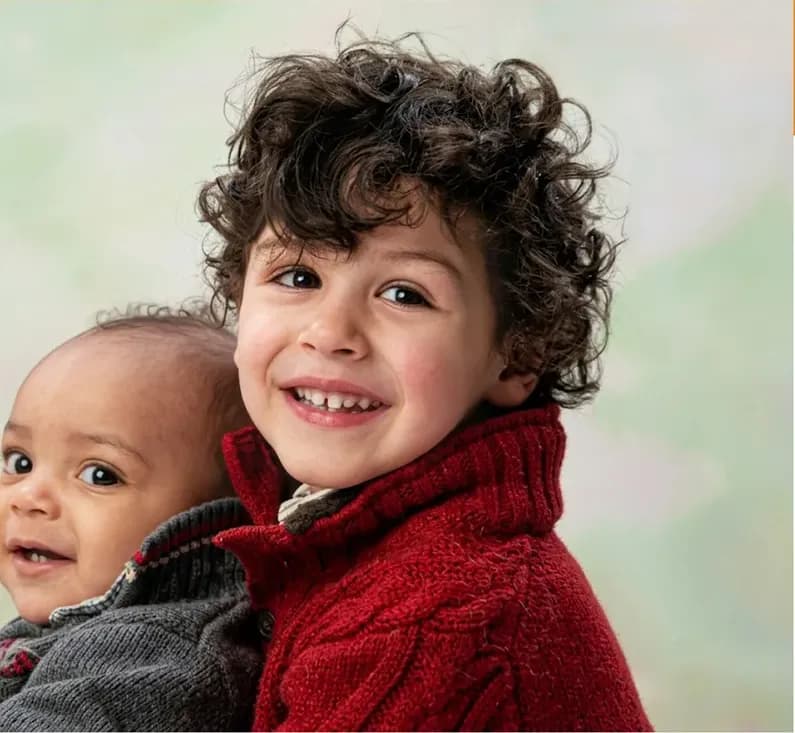
Real photos our artists brought back
Every one restored by hand by a real American artist, shown before and after.
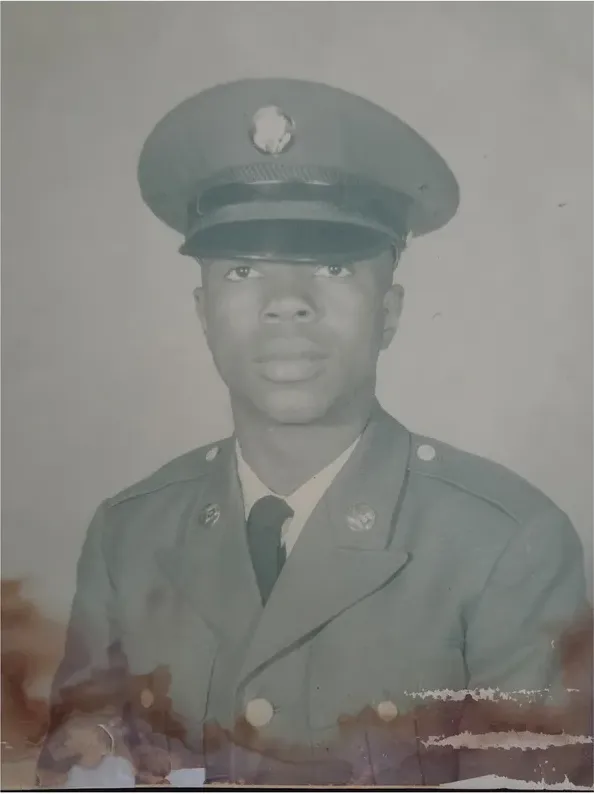 Before
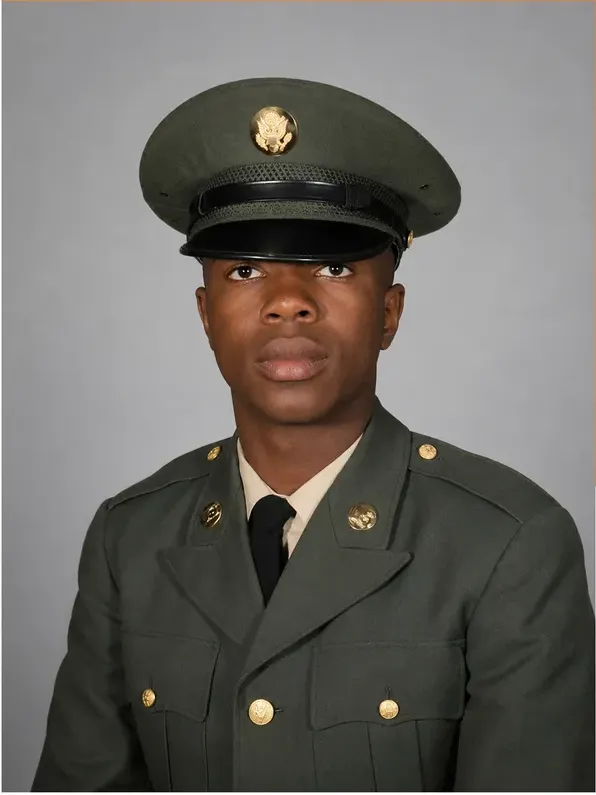 After
After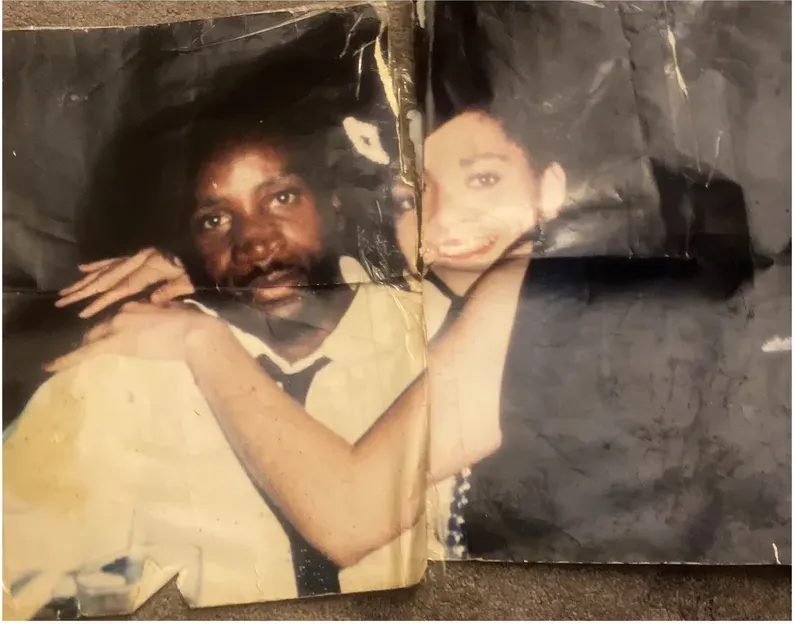 Before
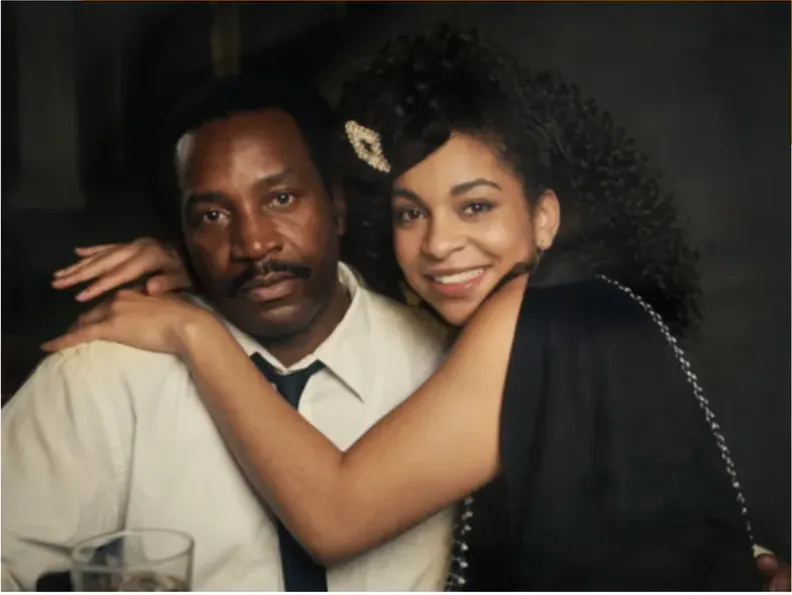 After
After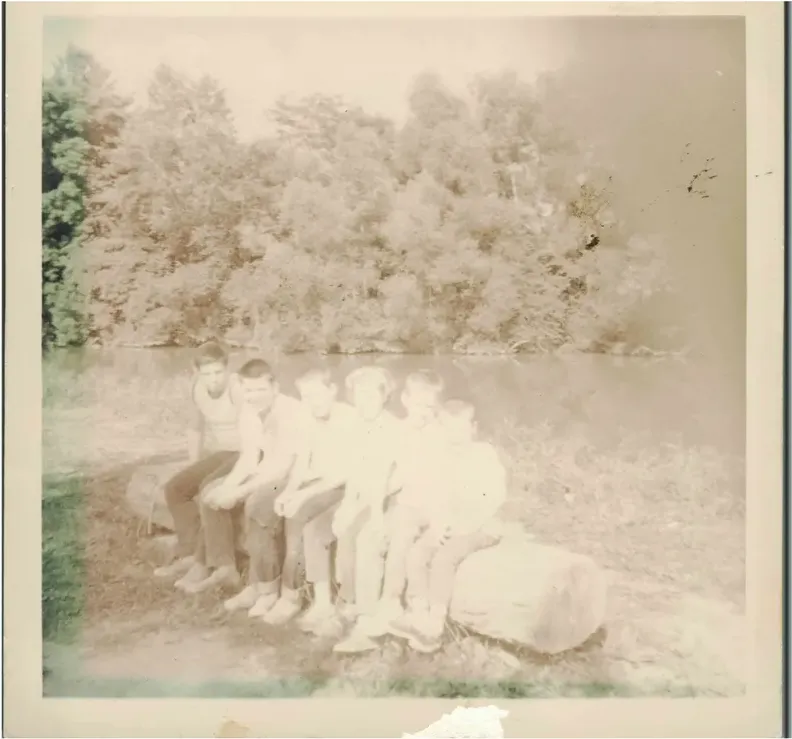 Before
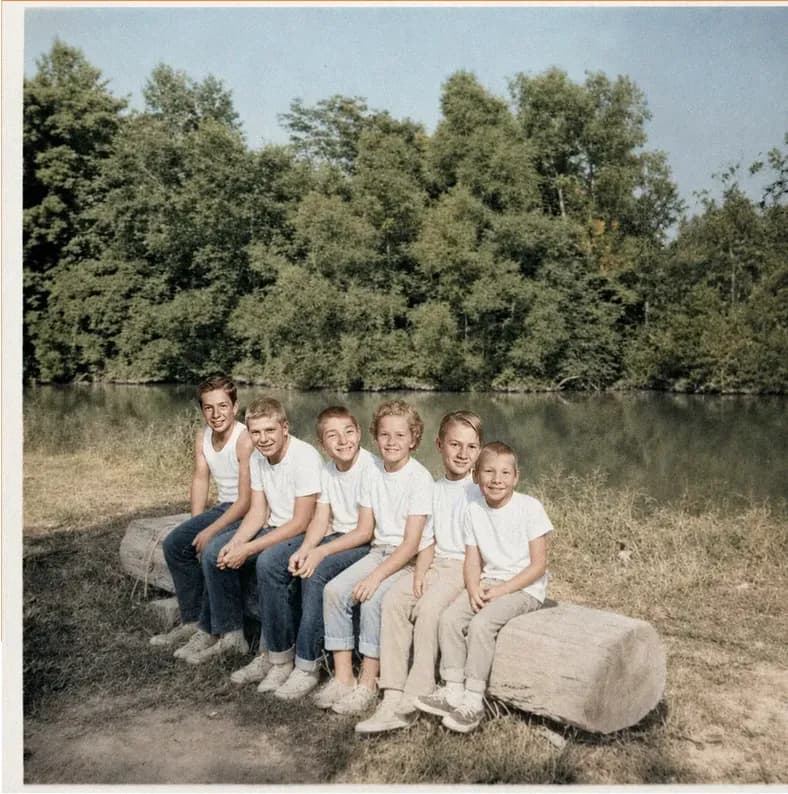 After
After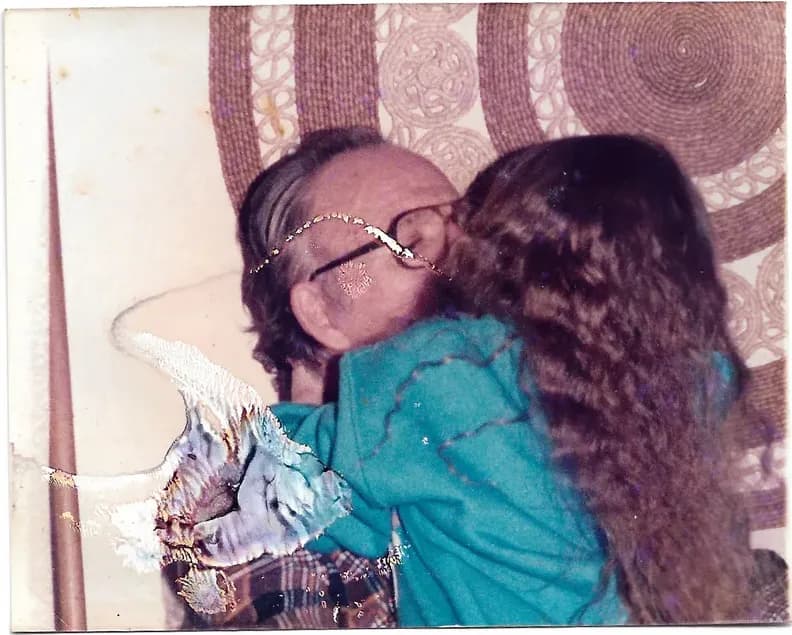 Before
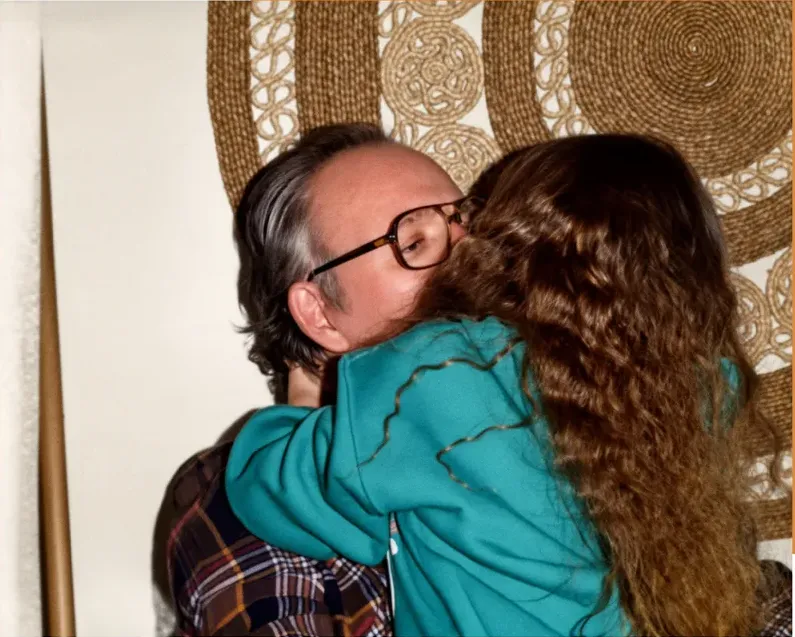 After
After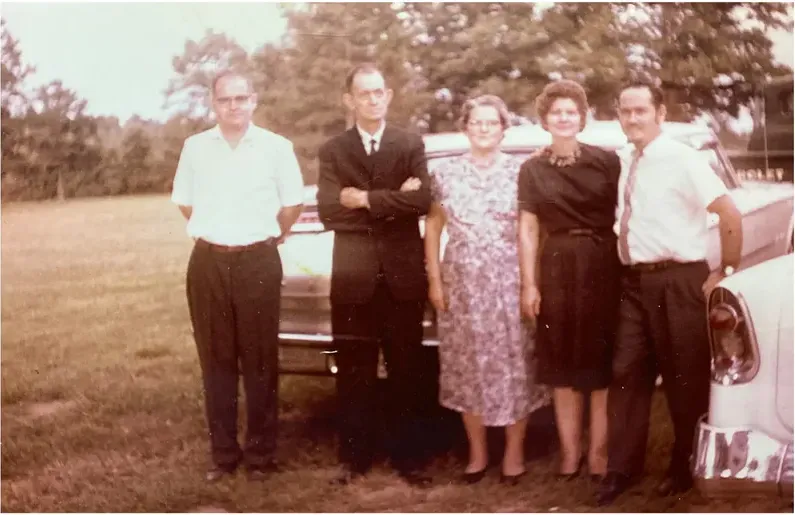 Before
 After
After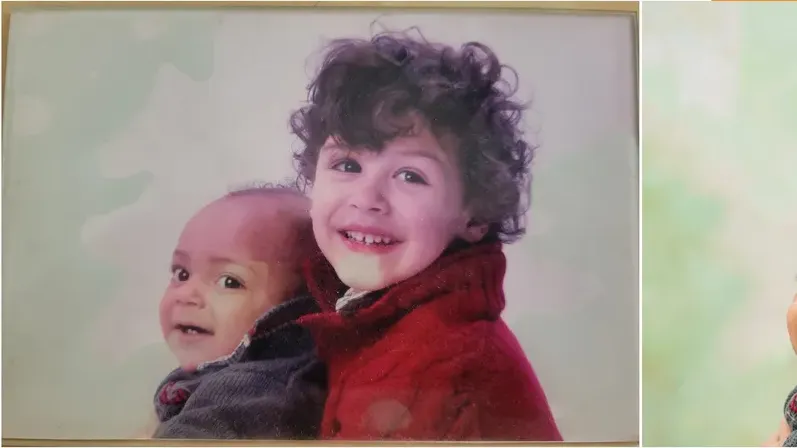 Before
 After
After
Digitizing and restoring are two separate purchases
Untangle these two before you shop, because search results do not. ScanCafe's site states it digitizes photos, slides, negatives, film, video tapes and audio, and that it offers a flat-rate prepaid Kit option alongside per-item pricing. It states media is scanned at its Indianapolis facility. That is a volume operation, priced and organized around boxes of material.
Restoration is the opposite shape of job. One print, one particular set of problems, one person deciding what a missing corner used to contain. ScanCafe offers that too: the company states that once a quote is approved, a restoration technician is assigned to restore the photo, and describes the work as extremely painstaking and in some cases done pixel by pixel. At the time of writing, that work is priced after an evaluation rather than from a published list.
So which problem do you have? Four hundred slides in a carousel and three shoeboxes in a cupboard is a scanning problem. One wedding portrait with a crease through the groom's face is not a volume problem at all. You are buying a few hours of one specific person's attention, and the questions that matter are about that person, about what happens if the first attempt lands slightly wrong, and about whether your price is settled before or after somebody grades your damage.
MemoryCherish only does that second job. Real US artists restore your photograph by hand, never AI at any stage. An average photograph takes about four hours of that hand work, and the team behind it holds more than 37 years of combined experience. Ordering opens at $38, and the number follows the artist tier you choose rather than the condition of the print. You upload a copy, so the original stays in your drawer the whole time.
Everything below is sorted along that line. Most entries are services you send a file to. One is software you operate yourself. One is a free automated tool, which earns its place as a way to sort a large pile before anybody spends money on the photographs that genuinely matter.
A price after your damage is graded, or a price before you order
ScanCafe's pricing model is genuinely different from a published price list, and it is worth understanding rather than waving away. At the time of writing, the company states its restoration prices are based on an evaluation of each individual photo, quoted in tiers by damage severity; that there is no charge to request a restoration quote; and that it asks for a 50% deposit on each approved quote. Its process page states you upload a digital version of the photo to receive that quote.
Read that sequence slowly, because it shapes the whole order. Upload, wait for a number, decide, pay half, then the work begins. Your price is settled after somebody has graded how bad your photograph is.
Now think about which photographs families actually send. It is almost never the tidy one. It is the christening portrait that hung in direct sun for forty years. It is the wedding picture folded into a wallet and carried through a war. It is the only surviving image of a grandmother, torn across the corner where it was pulled off a scrapbook page. Those are the images people care most about, and they are also the most damaged things in the box.
MemoryCherish puts the number first and keeps damage out of it entirely. Ordering starts at $38. The figure follows the artist tier you select, not the state of the print. A photograph in four pieces with half a face gone costs what a gentle fade costs at the same tier. Nothing is graded, nothing is quoted back to you later, and you are not asked for a deposit against a figure you have not seen yet.
There is a second thing a published price buys, and it rarely gets named. You can decide in one sitting. No upload-and-wait step, no email thread, no second decision to make once a number comes back. If there is a memorial on Saturday, every day spent waiting on a quote is a day nobody is working on your photograph.
What $38 actually buys
Several services on this page publish a per-image restoration figure, and those figures move. Read the live page on the day you order rather than trusting a number in any article, this one included. What an article can usefully do is tell you what sits behind a price instead of only the price itself, because a restoration is not a commodity. Two studios can charge within a few dollars of each other and hand back completely different photographs.
Here is what $38 buys at MemoryCherish, item by item.
- Real human artists in the United States. Never AI, at any stage of the job. About four hours of hand work goes into an average photograph, and the team holds 37+ years of combined experience.
- A price the damage cannot move. The artist tier you choose sets the figure. A torn, stained, badly faded print costs the same as a clean one at the same tier.
- Your original stays home. You upload a copy. Nothing irreplaceable goes in the mail, and nothing sits in somebody's facility waiting to be shipped back to you.
- About one to three days for the first proof. You see where the work is going early, while it can still be steered.
- Free revisions until you are happy. Not two rounds, not three. Until you are happy.
- A 100% money-back guarantee, paid in cash. Money returned to you, not credit toward another order you did not want.
- Files that stay yours permanently. No watermark, no expiry. Print them at any size, as many times as you like, and hand them to your children.
That is the whole offer written out, which is unusual in this category. We would rather compete on those terms than on the last three dollars, because the thing that decides how a restored photograph looks is who sat with your image and for how long.
One note on comparing across categories. Subscription software and free automated tools appear further down this page, and their prices answer a different question altogether: what it costs to do the work yourself, rather than what it costs to have somebody do it for you.
Every published time figure measures a different stage
Timing is where comparisons quietly fall apart, because these companies publish numbers for entirely different parts of an order.
- ScanCafe states photo restoration typically takes about a week, and that originals are dispatched within 3 business days of final payment. Typically is the company's own word, and that week sits apart from the quoting stage that has to happen first.
- Forever Studios' site states the first proof arrives in the customer's account in one to three days, and that a first set of colorization proofs arrives in about three days. A proof is a checkpoint, not a finished file.
- At the time of writing, Rememorie's site states standard delivery of 1 to 4 business days, and states that a 24-hour delivery option is offered.
- Automated tools publish processing speed instead. VanceAI's site states a heavily damaged photo restores in under ten seconds, and RestoreClick's site states its AI restoration processes images in under two minutes.
- MemoryCherish returns a first proof in about one to three days, then revises free until you are happy. The clock starts the moment you upload, because there is no quoting step sitting in front of it.
Keep those categories apart as you read. A processing figure counts how long a system takes to output a file. A proof window counts a stage inside somebody's working week, queue included. A delivery window counts something else again. The smallest number on a page is rarely evidence of the best service; usually it is evidence that a different thing was being measured.
The question worth putting to any company is the only one that affects you: when will the finished file be in my hands? If there is a memorial on Saturday, say so in your very first message and ask for a commitment against that date, rather than reading a published range and hoping it covers every stage. A hand service can often arrange a deadline it knows about in advance, and can do nothing at all about one it hears about afterwards. Tell us the date when you order and we will say straight away whether we can meet it.
Sort with a free tool, then check the faces at full size
There is a sensible use for automated restoration even when you fully intend to pay a person, and it is sorting.
At the time of writing, Hotpot offers its picture restorer free with no account needed, and states the free service repairs both color photos and black-and-white ones. Its own page also states that while the service automates photo restoration, it "cannot replace experts for demanding restoration jobs". That is a company describing the limits of its own tool, and it marks the line usefully.
Run a batch through something free and the pile sorts itself into three. Photographs that were only dusty and now look fine, which just saved you money. Photographs where the print itself has lost detail, so anything now sitting in that space was generated rather than recovered. Photographs with real physical damage, a tear, a missing corner, a crease straight through a face. The third group is your restoration budget. The second group is the one to look at hardest.
Here is the reason for that caution, and it is about how the technique works rather than a comment on any one product. Where detail is gone from the print, software has to generate what it puts in that space. Recovering detail and generating it are two different operations, and only one of them is constrained by what your photograph actually recorded. Zoom to full size and check the eyes, the mouth corners, the hairline and any identifying feature such as a scar or a crooked tooth. Do that especially on photographs of people nobody living remembers clearly, because those are the ones where nobody is left to hold the file up against a memory, and whatever you keep becomes the family's version of that face.
Anything that fails that check belongs with a person. At MemoryCherish a US artist rebuilds a damaged area from the pixels that survived around it, from the intact side of a symmetrical feature, and from any other photograph of the same person you can send. When a region is too far gone to recover honestly, you are told, rather than handed something convincing and invented.
What happens when the first version is not right
Ask this before you pay anybody, because it is the part of the transaction people discover too late. A restoration is a judgement about your photograph made by a stranger. Sometimes the first version comes back close but wrong in a way only you can name. The skin tone is slightly off. The eyes are right and the mouth is not. The background came back lighter than you remember the room being.
So read what each company publishes on that point, in its own words, on its own live page. Look for three things in particular. How many revisions are included, and whether that number is capped. Whether a refund means money back or credit toward a future order, because those are very different things when you only have one photograph you care about. And how long you have to raise a problem after delivery.
MemoryCherish publishes all three plainly. Revisions are free and they are not capped. You say what is wrong, an artist fixes it, and that repeats until you are happy with the picture. If it never gets there, the guarantee returns your money in cash rather than crediting your account for work you did not want. Files already delivered stay yours either way.
That policy is possible because of the kind of work this is. When a real artist has your file open, a correction is a correction: you point at the mouth, the artist adjusts the mouth, and nothing else in the picture has to move. Ask any company what a revision involves on their side, because the word covers more than one process, and an unlimited revision promise means something different depending on who is holding the pen.
How we would choose
If the real problem is a cupboard full of media, that is a scanning job, and scanning is a different purchase from restoration. Digitize first, live with the files for a week, then pick the handful of images that genuinely deserve an artist. Almost nobody needs four hundred restorations.
If the problem is one photograph, three things decide it. Whether you want the price settled before you commit. Whether a person or a model does the work. And what the company publishes for the case where the result misses.
Our answer is MemoryCherish on all three, and here is the reasoning rather than a slogan. The price starts at $38 and follows the artist tier you choose, so damage never inflates it and nothing has to be graded before you see a number. The work is done by real US artists, by hand, never AI, with about four hours going into an average photograph and 37+ years of combined experience across the team. The first proof comes back in about one to three days. Revisions stay free until the picture is right. The guarantee pays money back in cash. Your print never leaves your house, because you upload a copy of it. The delivered files are yours permanently, with no watermark and no expiry. Behind all of that sit 400,000+ families, a verified review average of 4.96 out of 5 from 2,178+ reviews, and commissions from museums and historical societies.
Our single non-negotiable concerns the picture itself. We recover the detail that survives in your photograph rather than adding detail that does not. That occasionally means a more restrained result than one built by filling in what is missing, and it means every line in the finished file traces back to something your photograph actually recorded. If a region is too far gone to bring back honestly, we say so instead of handing over a convincing invention.
Send us the one that matters most. That photograph is what this whole page is about.
What it costs with us
From $38 per photo, you choose your artist
The price is set by the artist tier you choose, never by how damaged your photo is. Free revisions until it’s right, and a cash refund — not store credit — if we can’t make it perfect.
The MemoryCherish Guarantee: Love it or every cent back within 30 days. Cash, not store credit. Free revisions until it looks exactly like you remember. And if a photo just can’t be restored, we’ll tell you honestly and you won’t pay a thing. Read the full guarantee
Questions people ask
Do I have to post my original print anywhere?
Is restoration usually priced by how bad the damage is?
Should I digitize everything before restoring anything?
How long does hand restoration actually take?
What happens if I do not like the restored photograph?
Is a free automated pass worth trying before I pay anyone?
What do I actually get delivered?
Keep comparing
- MemoryCherish vs ScanCafe: Who Should Restore the Photo That Matters?
- Best Hand Photo Restoration Services in 2026 (And How to Check the Claim)
- Best Photo Restoration for Severely Damaged Photos: Tears, Mold, Water and Missing Pieces
- Best Photo Restoration for Genealogy and Family History Research
- Forever Studios Alternatives: 7 Photo Restoration Options Compared
- FixThePhoto Alternatives for Photo Restoration: 7 Options Compared
More on this kind of damage
Last updated August 1, 2026. Company details are taken from each company’s own public pages at the time of writing and may change, so we cite the page we read rather than linking to it. Check the current wording with any company before you order.