10 Captivating Travel Photography Tips for Seniors: Capture Memories Like a Pro
Travel is a beautiful way to experience new places, cultures, and people. For seniors, photography adds another layer of joy to every journey.
It helps you relive adventures and share them with loved ones. You don’t need to be a professional to take amazing photos.
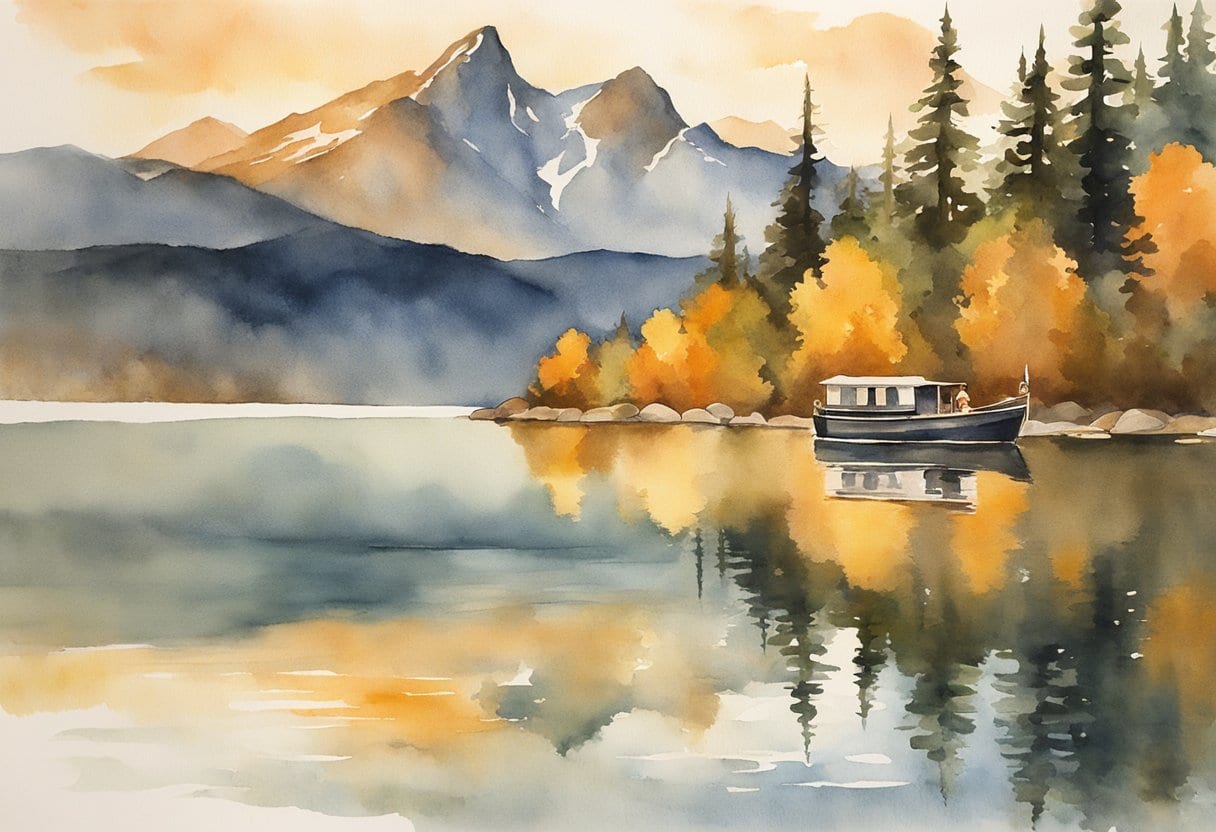
Simple techniques can turn ordinary shots into lasting treasures. Good lighting, angles, and composition make all the difference.
Lightweight cameras or even smartphones can do the trick. A steady hand and patience will improve your shots.
Every picture tells a story, and yours should shine. Let’s dive into simple yet powerful travel photography tips.
1) Golden Hour Bliss: Capture warm hues at sunrise
Ever wonder why photographers rave about the golden hour? It's like nature's own Instagram filter! This magical time happens right after sunrise, painting the world in warm, soft light.
Want to snap some breathtaking shots? Set that alarm clock early.
The best light appears about 30 minutes after the sun peeks over the horizon. It's worth the yawn, trust us!
Camera settings for golden hour are key. Switch the white balance to "cloudy" mode. This keeps those gorgeous golden tones intact.
For landscapes, aim for an aperture of f/8 or higher. This ensures everything stays sharp and in focus.
A shutter speed of at least 1/250 keeps things crisp, unless you're going for artsy blur effects.
Don't forget to play with composition. The long shadows at this time can add depth and drama to your shots. Try framing your subject with these shadows for added interest.
Remember, golden hour waits for no one. Scout locations ahead of time to make the most of this fleeting moment.
With a bit of planning and practice, you'll be capturing sunrise magic in no time!
2) Rule of Thirds: Compose stunning travel shots
The rule of thirds is a game-changer for travel photography. It's simple but powerful. Imagine a tic-tac-toe grid over your photo. That's it!
Place key elements along these lines or at their intersections. It creates balance and draws the eye.
For landscapes, try putting the horizon on the top or bottom third line.
When capturing people, position their eyes near an intersection. It makes portraits more engaging.
Remember, this rule isn't strict. It's a guideline to enhance your shots.
Mastering the rule of thirds can transform ordinary images into captivating visual stories. It adds depth and interest to your travel memories.
Most cameras have a grid feature. Turn it on to practice. Soon, you'll frame shots instinctively. Your travel photos will stand out.
Try it with different subjects. A lone tree, a bustling market, or a serene beach. The rule of thirds works for all. It's versatile and effective.
Remember, great photos tell stories. This technique helps you tell yours better. So next time you're out exploring, give it a shot. Your photos will thank you.
3) Senior Journey Chronicles: Document your adventures
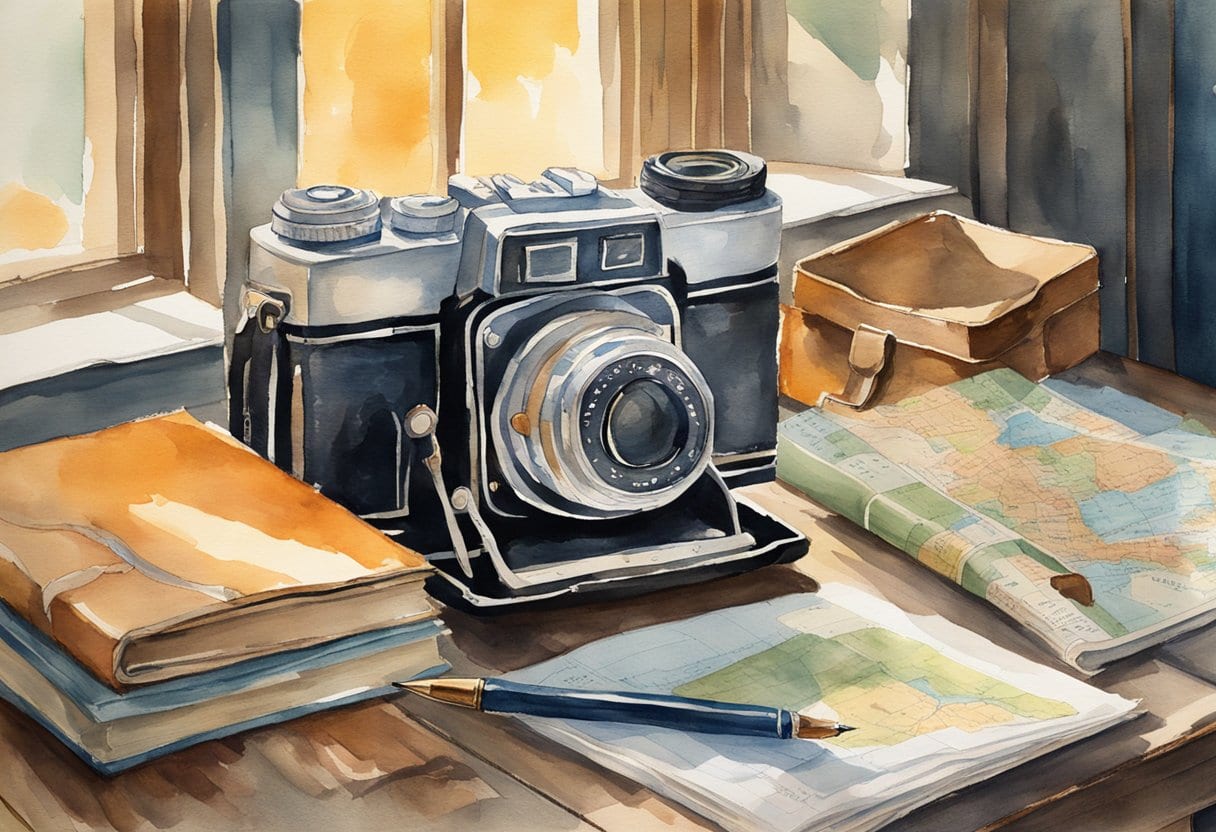
Seniors, your travels are gold mines of memories. Don't let them fade! Grab that camera and start capturing your adventures. It's easier than you think.
Remember, every photo tells a story. That quaint cafe in Paris? Snap it. The grandkids building sandcastles? Click away. These moments are precious.
You don't need fancy gear. Your smartphone works wonders. Just point and shoot. The magic is in the memory, not the megapixels.
Try different angles. Get low, go high. Play with light. Early morning and sunset offer beautiful soft light. Perfect for portraits.
Travel journals are another great way to document trips. Write down your thoughts, feelings, and experiences. Stick in ticket stubs or postcards. It's your personal time capsule.
Want to get creative? Make a travel scrapbook. Combine photos, souvenirs, and notes. It's a fun project for rainy days at home.
Don't forget to actually enjoy your trip. Put the camera down sometimes. Soak in the moment. The best memories are often the ones we don't photograph.
4) Find Your Focus: Use leading lines for drama
Want to add some excitement to your travel photos? Try using leading lines. These are lines in your image that guide the eye to the main subject.
Roads, paths, and rivers make great leading lines. They draw viewers into the scene. Buildings and fences work well too. Look for any lines that point to what you want to highlight.
Leading lines can make a big difference in your shots. They turn ordinary photos into images with purpose and energy. It's a simple trick that packs a punch.
To use leading lines, get close to them. This makes the effect stronger. The lines will exaggerate space and make everything feel bigger.
Leading lines are everywhere once you start looking. In cities, look for man-made lines like railings or sidewalks. In nature, try riverbanks or tree lines.
Remember, the goal is to guide the viewer's eye. Pick a line that points to your main subject. Then, frame your shot to make that line stand out.
With practice, you'll be creating dramatic travel photos in no time.
5) Storytelling Shots: Create a visual narrative
Travel photography is more than just snapping pretty pictures. It's about capturing the essence of a place and telling its story through images.
To create a visual narrative, photographers need to think like storytellers. What's the main character of the scene? What's the plot? How can they show this in a single frame?
One trick is to look for moments that reveal something about the destination's culture or people. A vendor at a bustling market or a local going about their daily routine can speak volumes.
Composition plays a big role too. Leading lines can guide the viewer's eye through the image, creating a sense of journey. Framing elements like doorways or arches can add depth and context.
Lighting and color are powerful tools for setting mood. Golden hour light can evoke warmth and nostalgia, while moody shadows might suggest mystery or drama.
Don't forget about sequences. A series of shots can show the progression of an event or the passage of time, adding richness to the narrative.
6) Burst Mode Magic: Capture dynamic moments
Ever seen a perfect photo of a bird in flight? That's burst mode at work. It's a game-changer for travel photography, especially for seniors who want to freeze lively moments.
Burst mode lets your camera take multiple shots in quick succession. It's like having a mini-movie of a single instant. This feature is perfect for capturing fast-moving subjects or fleeting expressions.
Want to snap that dolphin leaping out of the water? Or your grandchild's first steps? Burst mode is your secret weapon. It increases your chances of getting that one perfect shot.
Most modern cameras have burst mode. Look for an icon with multiple overlapping frames in your camera settings. Once you've found it, you're ready to go!
Practice makes perfect. Try burst mode on different subjects. A bustling city street, waves crashing on the shore, or even your pet playing fetch. You'll be amazed at the moments you can capture.
Remember, burst mode takes lots of photos quickly. Make sure you have enough storage space on your memory card. It's also a good idea to bring spare batteries on your travels.
7) Candid Captures: Embrace unposed photography
Candid photography is all about capturing real, unscripted moments. It's a fantastic way to tell authentic stories through images.
Travelers can try this approach by keeping their camera ready at all times. You never know when a perfect moment will present itself.
One trick is to blend in with the surroundings. This helps subjects feel at ease and act naturally.
Using a zoom lens can also help photographers maintain distance while capturing intimate scenes.
Patience is key in candid photography. Waiting for the right moment can lead to truly special shots that capture the essence of a place or person.
Photographers should focus on emotions and interactions. These elements often make for the most compelling candid images.
Remember, imperfections are part of the charm in candid shots. They add character and authenticity to the photos.
With practice, photographers can develop an eye for spotting potential candid moments before they happen. This skill allows them to be ready when opportunities arise.
8) Color Contrast: Enhance images with vibrant shades
Color contrast can make travel photos pop. It's a powerful tool for senior photographers.
By using opposite colors on the color wheel, images become more eye-catching.
Think about a bright red flower against a lush green background. Or a golden sunset over deep blue waters. These combinations create visual interest and depth.
Color theory in photography helps create stunning images. Look for naturally occurring contrasts during travels, like a yellow taxi against New York's gray streets.
Photographers can also create contrast through clothing choices. A person in a vibrant outfit standing before a neutral backdrop draws the eye.
Using contrasting colors can elevate travel shots. It adds energy and emotion to scenes. A bright umbrella on a rainy day becomes a focal point.
Don't be afraid to experiment with color in post-processing. Boosting saturation or adjusting hues can enhance natural contrasts. But use a light touch to keep images looking realistic.
Remember, the goal is to guide the viewer's eye through the photo. Strategic use of color contrast does just that. It turns good travel photos into great ones.
9) Local Life Lens: Photograph cultural elements
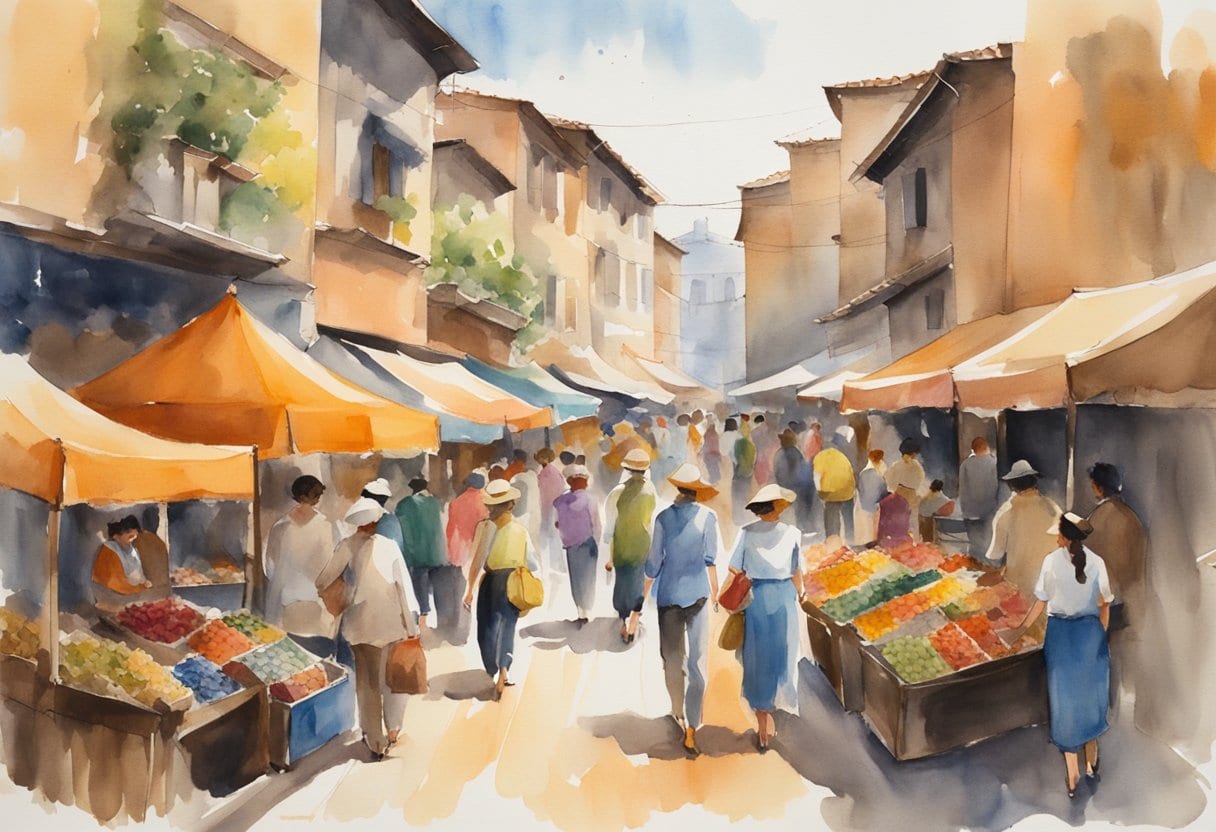
Capturing local life through photography brings cultures to life. It's a way to show the heart of a place and its people. Photos can tell stories that words can't.
What makes a place unique? Look for everyday scenes that locals take for granted. A busy market, street food vendors, or kids playing games can all reveal cultural richness.
Timing is key. Early morning or evening light can add magic to ordinary moments. Be patient and observe. The perfect shot often comes when you least expect it.
Photograph everyday life in public spaces. This can show local habits and social interactions. Adjust your camera for different lighting as needed.
Respect is crucial when photographing people. Ask permission when possible. A smile and a nod can go a long way. If someone says no, thank them and move on.
Try to blend in. Being discreet helps capture natural, unposed moments. Use a smaller camera if you have one. It's less intimidating and draws less attention.
10) Silhouette Mastery: Perfect backlit profiles
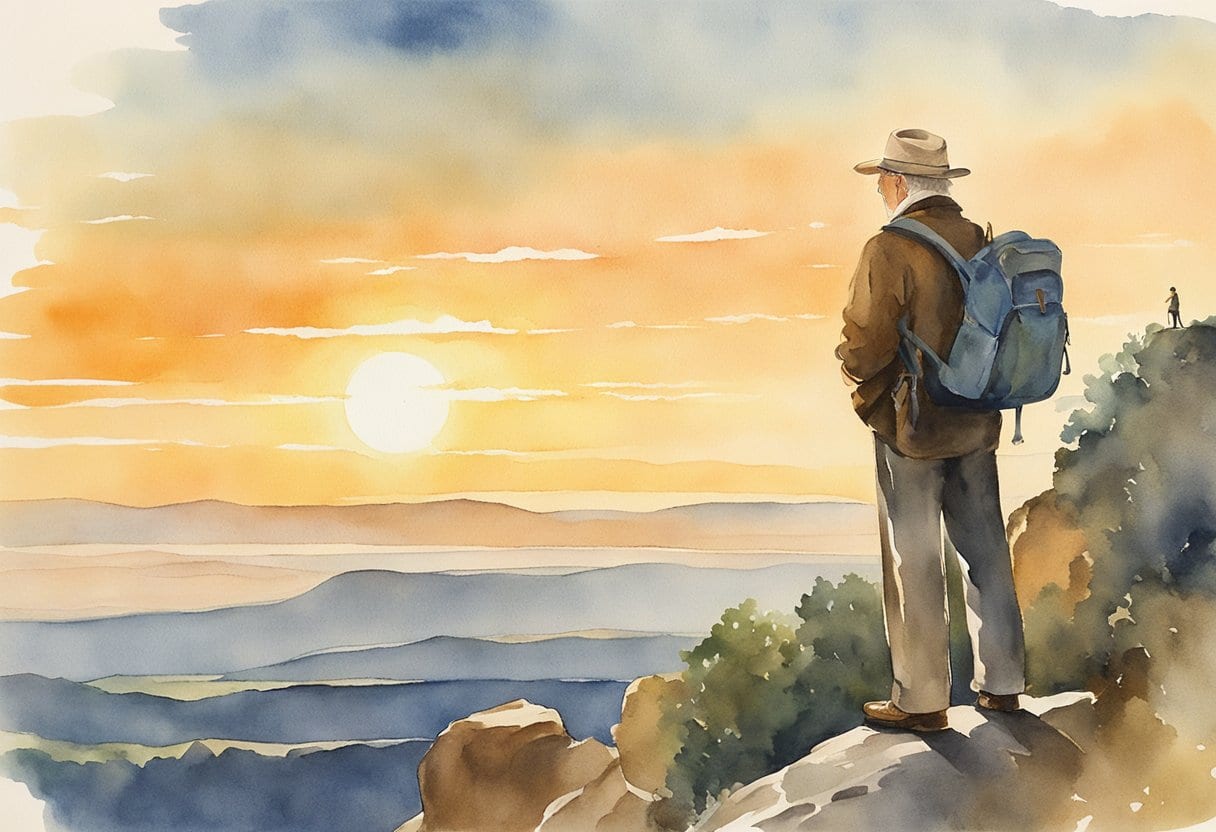
Want to add drama to your travel shots? Try silhouette photography. It's a fun way to capture memorable moments on your senior journey.
Silhouettes work best with strong backlighting. Find a bright background like a sunset or bright window. Place your subject between the light and your camera.
Set your camera to manual mode. This gives you control over the exposure. Try using a low ISO and a fast shutter speed. This keeps the background bright and your subject dark.
Outdoor portrait photography can be tricky. But with silhouettes, you don't need to worry about facial details. Focus on the outline and shape of your subject instead.
Composition is key. Look for interesting shapes or profiles. A person looking out over a landscape can make a great silhouette. So can landmarks or unique architecture.
Don't forget to experiment with UV paint for creative effects. It can add a fun twist to your silhouette shots.
Remember, practice makes perfect. The more you try, the better you'll get at capturing stunning silhouettes. So grab your camera and start experimenting!
Mastering Travel Photography
Travel photography is an exciting way to capture memories and share experiences. It takes skill and practice to get great shots while exploring new places. Let's look at some key tips to improve your travel photos.
Understanding Light and Composition
Light can make or break a photo. The golden hour just after sunrise or before sunset offers soft, warm light that's perfect for landscapes and portraits. During midday, seek out shade to avoid harsh shadows.
Composition is all about how you arrange elements in your frame. Try the rule of thirds - imagine a grid dividing your image into nine equal parts. Place important subjects along these lines or at their intersections.
Leading lines can draw the viewer's eye through your photo. Look for natural lines like roads, rivers, or building edges to guide attention to your main subject.
Don't be afraid to get low or climb high for unique angles. A different perspective can turn an ordinary scene into something special.
Choosing the Right Gear
Your camera gear can greatly affect your travel photos. But remember, the best camera is the one you have with you!
For beginners, a good smartphone or compact camera works well. These are lightweight and easy to carry all day. Many newer phones have impressive camera features.
If you want more control, consider a mirrorless camera. They're smaller than DSLRs but still offer interchangeable lenses and manual settings.
A versatile zoom lens (like 24-70mm) covers most travel situations. For landscapes, a wide-angle lens (16-35mm) can capture sweeping vistas. A prime lens (35mm or 50mm) is great for street scenes and low light.
Don't forget a sturdy tripod for night shots or long exposures. A lightweight travel tripod won't weigh you down.
Senior Journey Insights
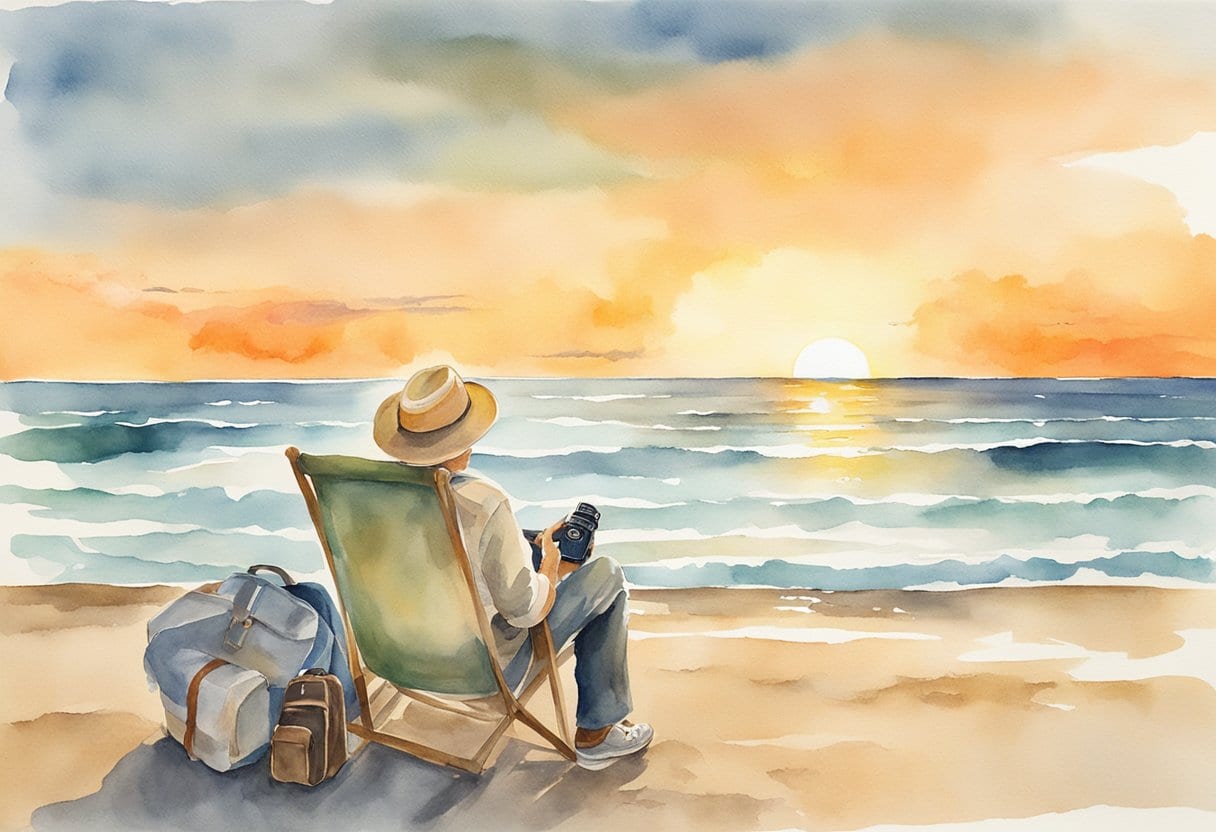
Travel photography takes on new meaning as we age. It's a way to capture memories and share experiences with loved ones. Let's explore how seniors can make the most of their photographic adventures.
Capturing Memorable Moments
Seniors have a unique perspective when it comes to capturing life's beautiful moments. They've lived rich lives and can use their cameras to tell stories. Here are some tips:
• Focus on details that catch your eye
• Experiment with different angles
• Don't be afraid to ask people for photos
Family gatherings are great photo opportunities. Get candid shots of grandkids playing or relatives laughing. These become treasured keepsakes.
Landscapes can be stunning subjects too. Try photographing sunsets, mountains, or city skylines. Use a tripod if your hands aren't as steady as they used to be.
Remember, it's not about perfection. It's about preserving memories that mean something to you.
Planning Senior-Friendly Trips
Planning a photography trip takes some extra thought for seniors. But with the right approach, it can be a rewarding experience.
Consider these factors:
• Accessibility of locations
• Pace of the trip
• Accommodation comfort
Choose destinations with senior-friendly amenities. Look for places with smooth walkways and plenty of rest areas.
Don't try to pack too much into each day. Allow time for breaks and relaxation. This lets you enjoy the journey and take better photos.
Travel photography enriches seniors' lives in many ways. It keeps the mind active and provides a creative outlet. Plus, it's a great way to connect with others who share your passion.
Remember to pack light. Bring only the camera gear you really need. A lightweight camera bag can make a big difference on long days out shooting.
Enhancing Camera Creativity
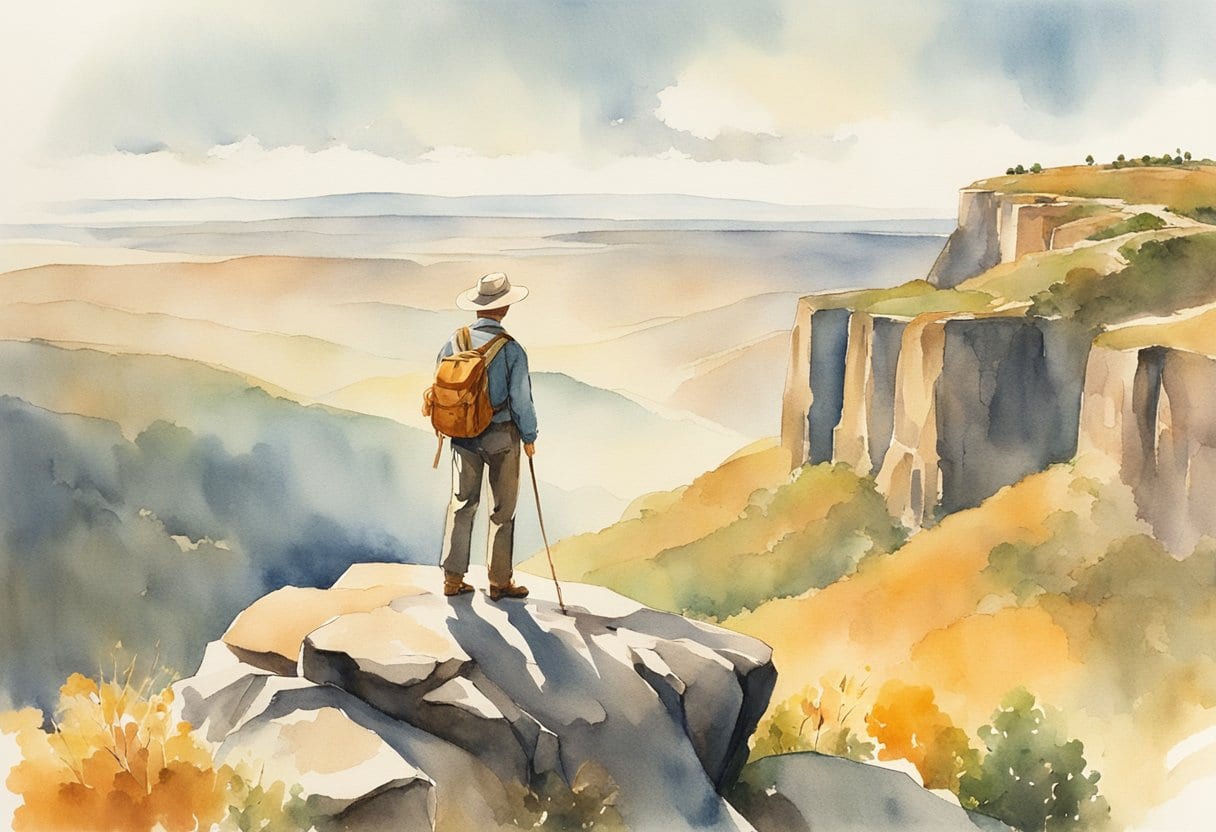
Want to take your travel photos from meh to marvelous? Let's explore some tricks to boost your camera skills. These easy techniques will help you capture stunning memories of your adventures.
Experimenting with Angles
Get down low. Climb up high. Tilt that camera!
Creative angles can transform ordinary scenes into eye-catching masterpieces.
Try shooting from ground level to make flowers look larger than life. Or find a high vantage point for a bird's-eye view of bustling streets.
Don't be afraid to get quirky. Lean your camera for a dynamic diagonal composition.
Shoot through objects like fences or leaves for a framed effect. Play with reflections in puddles or windows for a fresh perspective.
Remember, the best angle isn't always eye-level.
Move around your subject. Crouch, stretch, lean - whatever it takes to find that perfect shot. Your knees might complain, but your photos will thank you!
Post-Processing Techniques
Snapped a great photo? Don't stop there!
Post-processing can enhance your images and bring out their full potential.
Start with simple adjustments like brightness, contrast, and saturation. These tweaks can make colors pop and add depth to your shots.
Feeling adventurous? Try out filters or presets.
They can give your photos a consistent style or mood. But use them sparingly - you want your pictures to look natural, not over-edited.
Cropping is another powerful tool. It can improve composition and draw attention to the main subject.
Just be careful not to crop too much and lose image quality.
Remember, post-processing is about enhancing, not completely changing your photo.
The goal is to make your travel memories shine, not create a fantasy world.
Frequently Asked Questions
Travel photography offers seniors a creative outlet and a way to document their journeys. It combines technical skills with artistic expression, making it both challenging and rewarding.
What are the best practices for seniors starting out in travel photography?
Start with a user-friendly camera.
Learn its basic functions before your trip.
Practice in your local area to build confidence. Don't forget to pack extra batteries and memory cards.
How can one improve their creative skills in photography while traveling?
Try new angles and perspectives. Get up early for golden hour shots.
Experiment with the rule of thirds to create balanced compositions. Look for unique local details that tell a story.
What should be avoided when taking photographs during travel?
Avoid overloading your itinerary with photo stops.
Don't forget to enjoy the moment. Steer clear of dangerous areas or risky poses for the sake of a shot. Be respectful of local customs and ask permission before photographing people.
How does photography act as a means of creative expression?
Photography allows travelers to share their unique view of the world.
It encourages them to notice small details and find beauty in unexpected places. Each photo becomes a personal interpretation of a moment or scene.
Is photography a beneficial activity for senior citizens?
Yes, photography can be very beneficial for seniors.
It keeps the mind active and encourages social interaction.
It provides gentle physical activity and a reason to explore new places. The hobby can also boost self-esteem and provide a sense of accomplishment.
What is the 'rule of thirds' in photography and how does it enhance photo composition?
The rule of thirds divides an image into a 3x3 grid. Placing key elements along these lines or at their intersections creates more balanced and interesting photos.
It helps draw the viewer's eye to important parts of the image and adds visual appeal.
Ready to restore your own photos?
Our artists bring your damaged photos back by hand, most within a few days.
Rated 4.96 out of 5 stars.4.96/5 · Loved by 400,000+ families