10 Powerful Ways Ruth Bader Ginsburg Fought for Equality and Justice
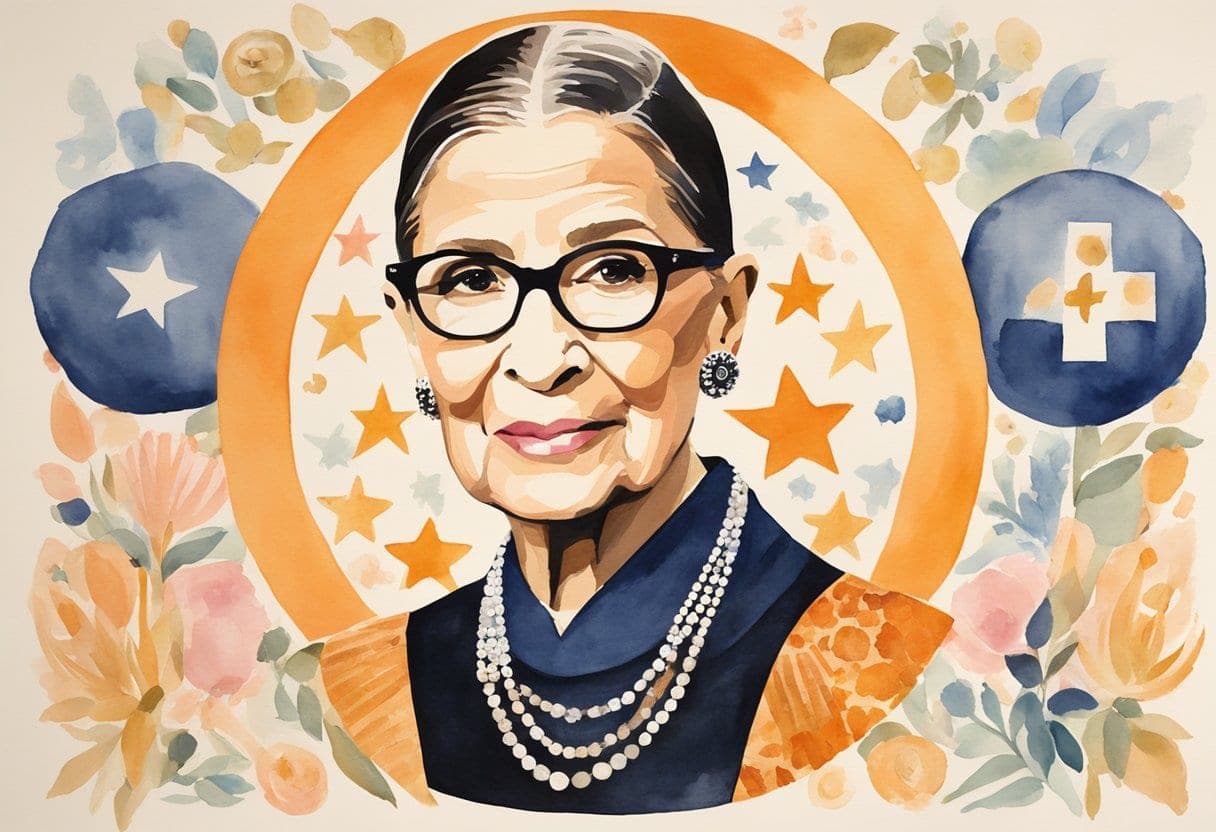
Ruth Bader Ginsburg left a lasting mark on American law and society. She fought for equal rights throughout her career.
As a lawyer and later as a Supreme Court Justice, she worked to end gender discrimination.
Ginsburg's efforts helped shape modern views on equality and justice. Her work touched many areas of life, from employment to education.
She believed in fair treatment for all people, regardless of their gender. Ginsburg's legacy continues to inspire those who seek a more just world.
1) First Woman on Harvard Law Review
Ruth Bader Ginsburg made history in 1957. She became the first woman on the Harvard Law Review. This was a big deal at the time.
Harvard Law School had only started letting women in a few years before.
Ginsburg stood out from the start. She worked hard and got top grades.
Getting on the Law Review was tough. It meant long hours and lots of writing. Ginsburg did all this while raising a young child and helping her sick husband.
Her spot on the Law Review opened doors. It showed she could compete with anyone. This early success set the stage for her later work on gender equality.
Ginsburg's time at Harvard wasn't easy. She faced bias as one of the few women there. But she didn't let that stop her. She kept pushing forward.
Her place on the Law Review was just the start. It helped launch a career that would change the law for women across the country.
2) Co-Founder of Women's Rights Project at ACLU
In the early 1970s, Ruth Bader Ginsburg helped start a big change. She became a co-founder of the Women's Rights Project at the American Civil Liberties Union (ACLU).
This project was a big deal. It aimed to fight for equal rights for women. Ginsburg saw that women weren't being treated fairly in many areas of life. She wanted to change that.
At the ACLU, Ginsburg got to work right away. She took on cases that challenged unfair laws. These laws treated men and women differently for no good reason.
Ginsburg had a clever plan. She picked cases that showed how unfair laws hurt both men and women. This strategy helped judges see why equality was important for everyone.
Through her work at the ACLU, Ginsburg argued several cases before the Supreme Court. She won many of these cases, which led to big changes in the law.
The Women's Rights Project became a powerful force for change. It helped make gender equality a key issue in American law. Ginsburg's work there laid the groundwork for many rights women have today.
3) Landmark Case: United States v. Virginia
Ever heard of the Virginia Military Institute? It was once an all-male public college. But that changed in 1996.
The U.S. sued Virginia. Some women wanted to attend VMI. The case went all the way to the Supreme Court.
Ruth Bader Ginsburg wrote the landmark opinion. She said VMI's male-only policy was unconstitutional. It violated the Equal Protection Clause.
The Court ruled that Virginia needed a really good reason to exclude women. Guess what? They didn't have one.
This case was huge for gender equality. It made it harder for schools to discriminate based on sex.
VMI had to change. They started admitting women in 1997. It wasn't easy, but it was necessary.
This ruling went beyond just VMI. It set a new standard for gender discrimination cases. Courts now use "exceedingly persuasive justification" when looking at gender-based policies.
Ginsburg's opinion in this case was a game-changer. It opened doors for women in education and beyond.
4) Dissenter on Ledbetter v. Goodyear
Ruth Bader Ginsburg made waves with her powerful dissent in the Ledbetter v. Goodyear case. This 2007 Supreme Court decision dealt with gender pay discrimination.
Lilly Ledbetter sued Goodyear Tire for paying her less than male colleagues over many years. The Court ruled against her, saying she filed too late.
Ginsburg didn't agree. She read her dissent from the bench, a rare move that showed how strongly she felt.
In her view, the majority was out of touch with how pay discrimination really works. It often happens in small amounts over time, making it hard to spot right away.
Ginsburg argued that each unfair paycheck should count as a new act of discrimination. This would give workers more time to file complaints.
Her dissent had a big impact. It led to the Lilly Ledbetter Fair Pay Act in 2009, which changed the rules to match Ginsburg's view.
5) Advocate for Gender-Neutral Language in Supreme Court
Ruth Bader Ginsburg was a champion for gender-neutral language in the Supreme Court. She believed words matter and could shape perceptions of equality.
Have you ever noticed how language can exclude people? Ginsburg did. She worked to change that in the highest court of the land.
Ginsburg often used gender-neutral language in her opinions and statements. She avoided terms like "man" or "mankind" when referring to all people. Instead, she opted for inclusive words like "humankind" or "people."
Her efforts didn't stop with her own writing. Ginsburg encouraged her fellow justices to adopt similar practices. Some followed her lead, while others were slower to change.
Why did this matter so much to her? Ginsburg saw language as a powerful tool for equality. By using inclusive terms, she hoped to create a more welcoming legal system for all.
Think about it. When you read "chairman," what image comes to mind? Ginsburg wanted to challenge those automatic assumptions. She pushed for terms like "chair" or "chairperson" instead.
Her advocacy went beyond the courtroom. Ginsburg spoke about the importance of gender-neutral language in interviews and speeches. She wanted to spark a wider conversation about inclusivity in all areas of life.
6) Notorious RBG Meme Popularity
Ruth Bader Ginsburg became an unlikely pop culture icon in her later years. The nickname "Notorious R.B.G." took off in 2013. It started with a Tumblr blog created by a law student.
The name plays on rapper Notorious B.I.G.'s moniker. It highlights the contrast between Ginsburg's petite frame and powerful presence. The meme spread like wildfire on social media.
Soon, Ginsburg's face appeared on t-shirts, tote bags, and even action figures. Young people embraced her as a symbol of strength and justice. Her dissenting opinions became rallying cries.
The Notorious R.B.G. phenomenon brought Ginsburg to a new audience. It introduced her work on gender equality to younger generations. Ginsburg herself was amused by the attention, though she needed her clerks to explain the reference.
7) Author of 'My Own Words'
Ruth Bader Ginsburg wrote a book called "My Own Words." It came out in 2016. The book is a mix of her speeches and writings from over the years.
Want to know something cool? Some of the writings are from when she was in 8th grade! Can you believe it?
The book covers lots of topics. Gender equality, of course. That was a big deal for RBG. It also talks about how the Supreme Court works.
Ever wonder what it's like to be Jewish and on the Supreme Court? RBG shares her thoughts on that too.
My Own Words shows off RBG's smart mind. It gives readers a peek into how she thinks.
The book isn't just about law stuff. RBG writes about opera too! Did you know law and opera can mix?
RBG also talks about looking at other countries when thinking about the U.S. Constitution. Pretty interesting, right?
8) Role in Lilly Ledbetter Fair Pay Act
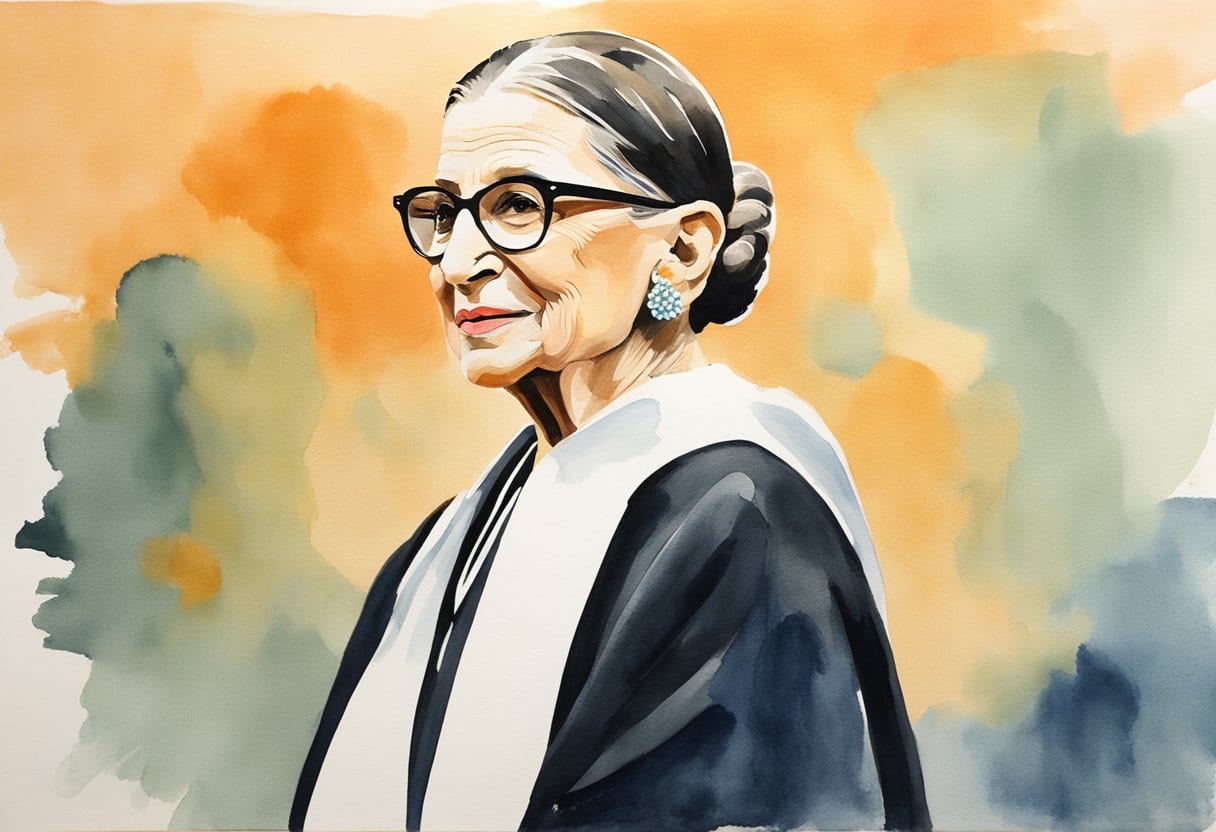
Ruth Bader Ginsburg played a key part in the Lilly Ledbetter Fair Pay Act. It all started with a Supreme Court case about pay discrimination.
Lilly Ledbetter sued her employer for paying her less than male coworkers. The Court ruled against Ledbetter. They said she filed her claim too late. But Ginsburg didn't agree.
She wrote a powerful dissent explaining why the ruling was unfair. Ginsburg's words struck a chord. They inspired lawmakers to act.
Congress wrote a new law to fix the problem Ginsburg pointed out. The result? The Lilly Ledbetter Fair Pay Act. This law made it easier for workers to challenge unfair pay. It reset the clock each time a discriminatory paycheck was issued.
President Obama signed the Act in 2009. It was a big win for fair pay. Ginsburg's dissent helped make it happen. Her words turned a courtroom loss into a victory for workers' rights.
9) Recipient of Berggruen Prize for Philosophy and Culture
Ruth Bader Ginsburg's impact on society extended far beyond the courtroom. In 2019, she received a prestigious honor that recognized her profound influence on human understanding.
The Berggruen Prize for Philosophy & Culture is a $1 million award given yearly to thinkers who shape our world.
Ginsburg won this prize for her work in gender equality and strengthening the rule of law. This award highlighted Ginsburg's role as more than just a judge. It showed how her ideas changed society's views on equality and justice.
The prize committee praised Ginsburg's lifelong fight for women's rights and equal treatment under the law. They noted how her work helped advance human rights globally.
Winning this award put Ginsburg in the company of great philosophers and cultural leaders. It proved that her impact went beyond legal rulings to shape how we think about fairness and equality.
10) Meeting with Gloria Steinem for Equal Rights Amendment
Ruth Bader Ginsburg and Gloria Steinem joined forces to fight for women's rights. They met to discuss the Equal Rights Amendment (ERA). This amendment aimed to guarantee equal legal rights for all Americans, regardless of sex.
The two powerhouses shared their views on women's rights during their meeting.
Ginsburg, a legal expert, brought her courtroom experience. Steinem added her activist perspective. Together, they made a strong team.
Their talk focused on pushing the ERA forward. They knew it was crucial for gender equality. The amendment had been introduced in Congress but hadn't passed yet.
Ginsburg and Steinem planned strategies to gain support. They wanted to educate people about the ERA's importance. Their goal was to change minds and laws.
This meeting showed how different approaches could work together. Ginsburg's legal skills and Steinem's activism complemented each other. They proved that teamwork could make a big difference in the fight for equality.
Ruth Bader Ginsburg's Legacy
Ruth Bader Ginsburg left an indelible mark on American law and society. Her tireless efforts advanced gender equality and shaped modern legal thinking. Let's explore her groundbreaking work and lasting influence.
Pioneering Work in Gender Equality
Ginsburg's fight for gender equality began long before her Supreme Court appointment.
In the 1970s, she argued several landmark cases before the Supreme Court. These cases challenged laws that discriminated based on sex.
Her strategy was clever. She often represented male plaintiffs to show how gender bias hurt everyone. This approach helped convince male judges to see the harm of sex-based laws.
Ginsburg co-founded the Women's Rights Project at the ACLU. Through this work, she tackled systemic gender discrimination. Her efforts led to significant legal victories for women's rights.
Influence on Modern Jurisprudence
As a Supreme Court Justice, Ginsburg continued to champion equality. Her opinions and dissents shaped legal thinking on many issues.
She became known for her sharp legal reasoning and powerful dissents.
Ginsburg's work extended beyond gender equality. She advocated for civil rights, workers' rights, and voting rights.
Her opinions often focused on expanding access to justice for all Americans. Her impact went beyond the courtroom.
Ginsburg became a cultural icon, inspiring new generations of lawyers and activists. Her legacy continues to influence legal education and practice today.
Ginsburg's jurisprudence emphasized the Constitution's enduring principles in modern contexts. She believed in interpreting the law to promote equality and fairness for all.
Gender Equality Milestones
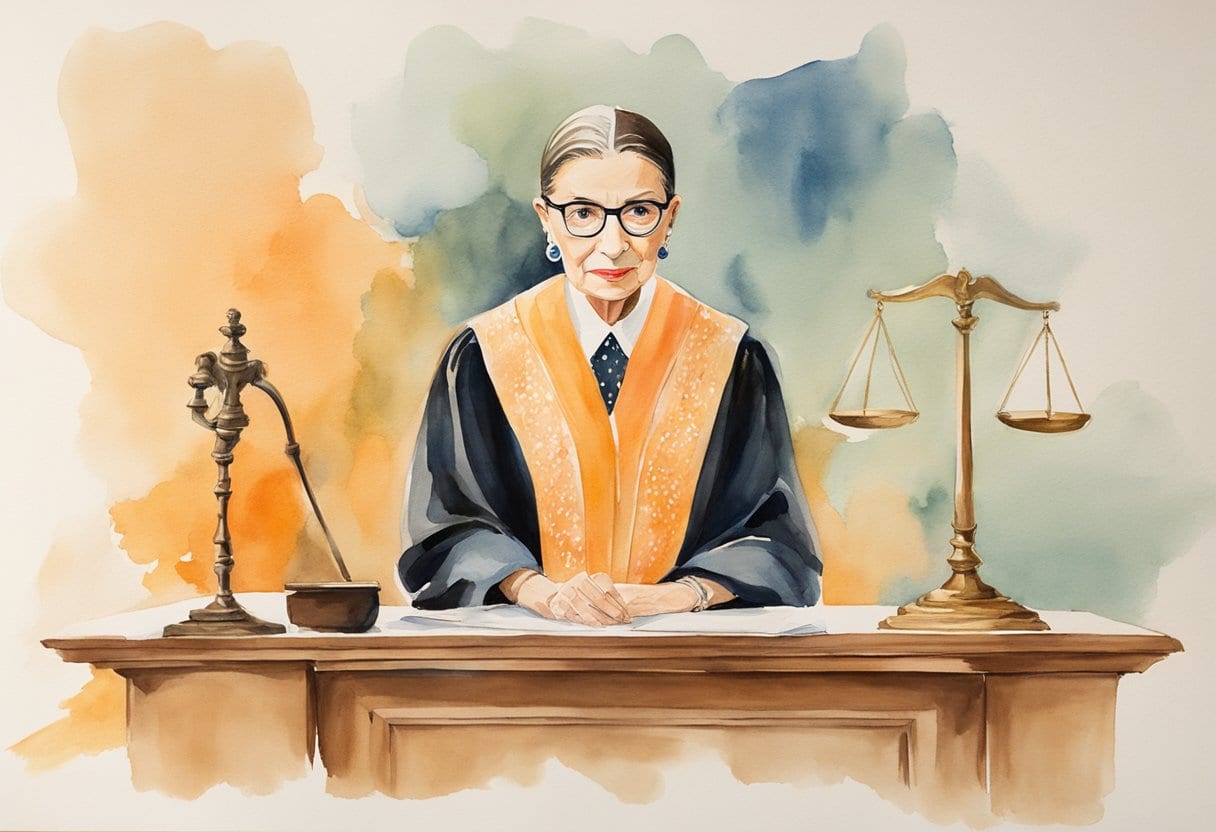
Ruth Bader Ginsburg played a key role in advancing gender equality through landmark legal cases and her work on the Supreme Court. Her efforts helped reshape laws and challenge discriminatory practices.
Landmark Legal Cases
RBG argued several groundbreaking cases before the Supreme Court in the 1970s.
In Reed v. Reed, she successfully challenged an Idaho law that favored men over women as estate administrators. This marked the first time the Court ruled that the 14th Amendment's Equal Protection Clause applied to gender discrimination.
Another key victory came in Weinberger v. Wiesenfeld.
RBG argued that widowers should receive the same Social Security benefits as widows. The Court agreed, striking down gender-based distinctions in benefits.
These cases set important precedents for gender equality under the law. RBG's strategic approach focused on demonstrating how gender discrimination harmed both women and men.
Role of the Supreme Court
As a Supreme Court Justice, RBG continued to be a fierce advocate for gender equality.
In United States v. Virginia, she authored the majority opinion striking down Virginia Military Institute's male-only admissions policy. This ruling reinforced that gender-based discrimination must meet a high bar to be justified.
RBG's dissents also made an impact. Her dissent in Ledbetter v. Goodyear Tire & Rubber Co. led Congress to pass the Lilly Ledbetter Fair Pay Act, addressing pay discrimination.
Through her tenure, RBG worked to interpret the Constitution in ways that advanced equality.
Her efforts helped expand protections against gender-based discrimination in education, employment, and other areas.
Justice Advocacy Today
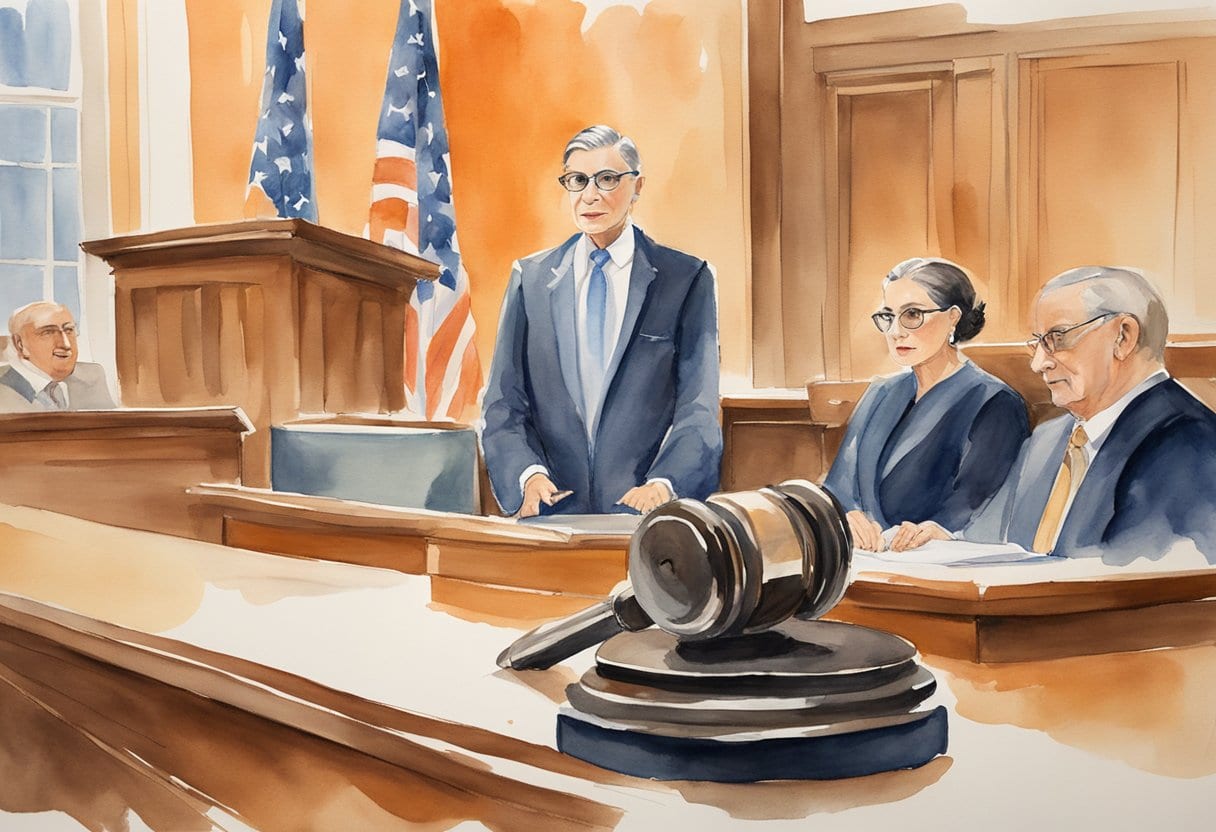
Ruth Bader Ginsburg's fight for gender equality lives on. Her work paved the way for today's advocates, but challenges remain.
Impact of RBG's Work
RBG's legacy continues to shape the legal landscape. Her groundbreaking cases set precedents that modern lawyers use to argue for equality.
Want to know how RBG's work affects you today? Think about this:
- Equal pay laws
- Protection from workplace discrimination
- Fair housing practices
These are just a few areas where her influence shines.
RBG's strategic approach to gender discrimination cases opened doors for both men and women. She showed that unfair treatment hurts everyone.
Her arguments laid the groundwork for LGBTQ+ rights too. By challenging gender-based laws, she helped create a more inclusive legal framework.
Ongoing Challenges
Despite progress, the fight for equality isn't over.
Gender pay gaps persist. Women still face hurdles in leadership roles. Discrimination takes new, subtle forms.
What can you do? Stay informed and speak up. Here are some current issues:
- Reproductive rights debates
- Transgender rights in sports and healthcare
- Intersectional discrimination
These topics need voices like yours.
RBG taught us that change happens through persistence. She didn't win every battle, but she never stopped trying.
Remember, advocacy isn't just for lawyers.
You can make a difference in your community. Join local groups, write to your representatives, or mentor young people. Every action counts.
Frequently Asked Questions
Ruth Bader Ginsburg's impact on gender equality and justice was far-reaching. Her legal career spanned decades and shaped American law in profound ways.
What are some notable accomplishments of Ruth Bader Ginsburg in advancing gender equality?
RBG broke barriers as the first woman on the Harvard Law Review. This paved the way for future generations of female lawyers.
She also co-founded the Women's Rights Project at the ACLU. Through this work, she argued key cases before the Supreme Court.
Which significant legal opinions did Justice Ruth Bader Ginsburg author during her tenure on the Supreme Court?
One of RBG's most influential opinions came in United States v. Virginia. This landmark case opened the Virginia Military Institute to women.
She also wrote powerful dissents. Her dissent in Ledbetter v. Goodyear highlighted pay discrimination issues.
How has Ruth Bader Ginsburg's advocacy impacted women's rights legislation?
RBG's work led to major changes in laws affecting women. She argued cases that struck down gender-based discrimination.
Her efforts also helped pass laws like the Pregnancy Discrimination Act. This protected women's jobs during pregnancy.
What was Ruth Bader Ginsburg's approach to combating gender discrimination throughout her career?
RBG took a strategic approach to fighting discrimination. She often highlighted how gender bias hurt men too.
By framing equality as benefiting everyone, she won over skeptics. This tactic proved effective in court cases and public debates.
Can you outline the timeline of Ruth Bader Ginsburg's most influential legal achievements?
1950s: RBG graduates top of her class at Harvard and Columbia Law Schools.
1970s: Argues landmark gender equality cases before the Supreme Court.
1980s: Appointed to the U.S. Court of Appeals for the D.C. Circuit.
1993: Nominated and confirmed to the U.S. Supreme Court.
2000s-2010s: Authors major opinions and dissents on equality issues.
In what ways did Ruth Bader Ginsburg's personal experiences shape her perspectives on justice and equality?
RBG faced discrimination as a young lawyer and mother. These experiences fueled her passion for equality.
She balanced work and family life, showing it was possible. This shaped her views on work-life issues in law.
Ready to restore your own photos?
Our artists bring your damaged photos back by hand, most within a few days.
Rated 4.96 out of 5 stars.4.96/5 · Loved by 400,000+ families