Sundanese Folklore: 10 Enchanting Tales Hidden in West Java’s Puppets
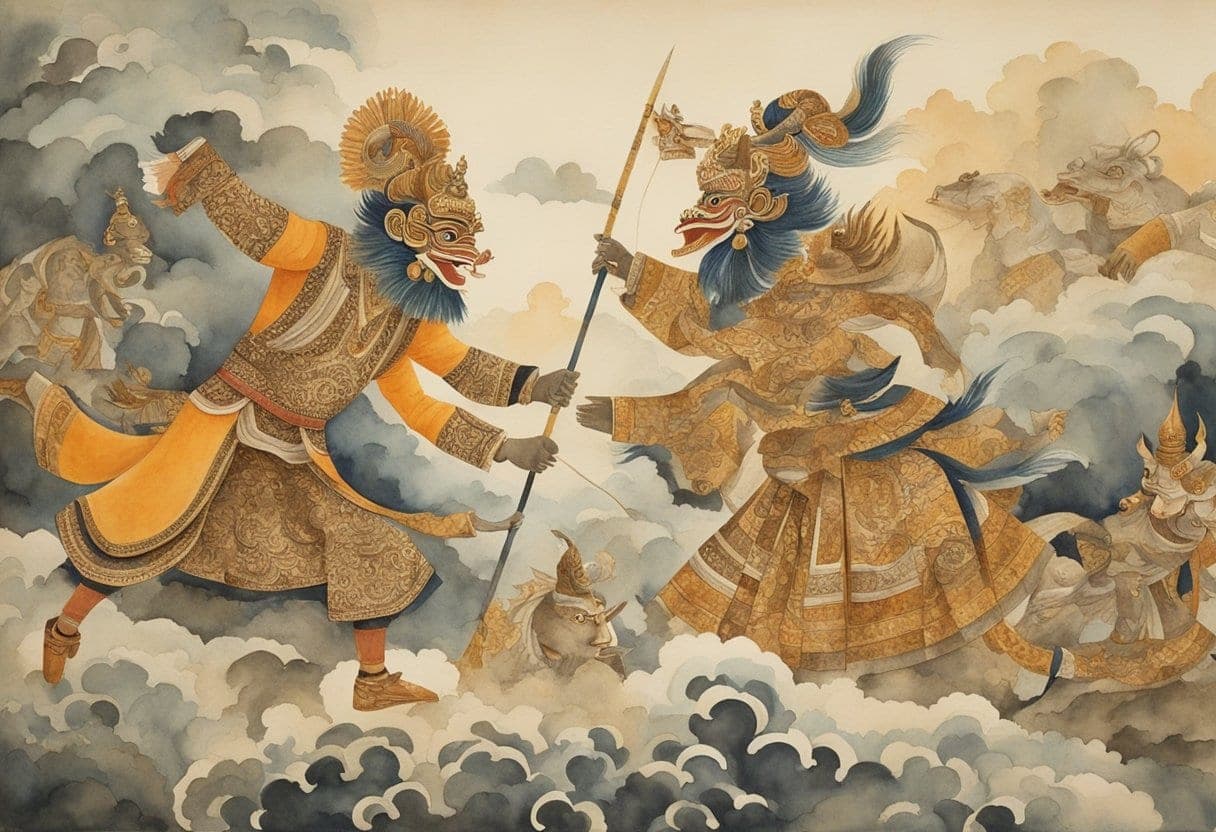
West Java’s puppetry is more than entertainment, it’s a gateway to Sundanese folklore. These performances have kept ancient stories alive for centuries.
Through shadow puppets and wooden figures, myths and legends unfold. Warriors battle demons, gods bestow wisdom, and spirits roam unseen.
Each tale carries moral lessons and cultural values. The puppets themselves are masterpieces, carved with exquisite detail.
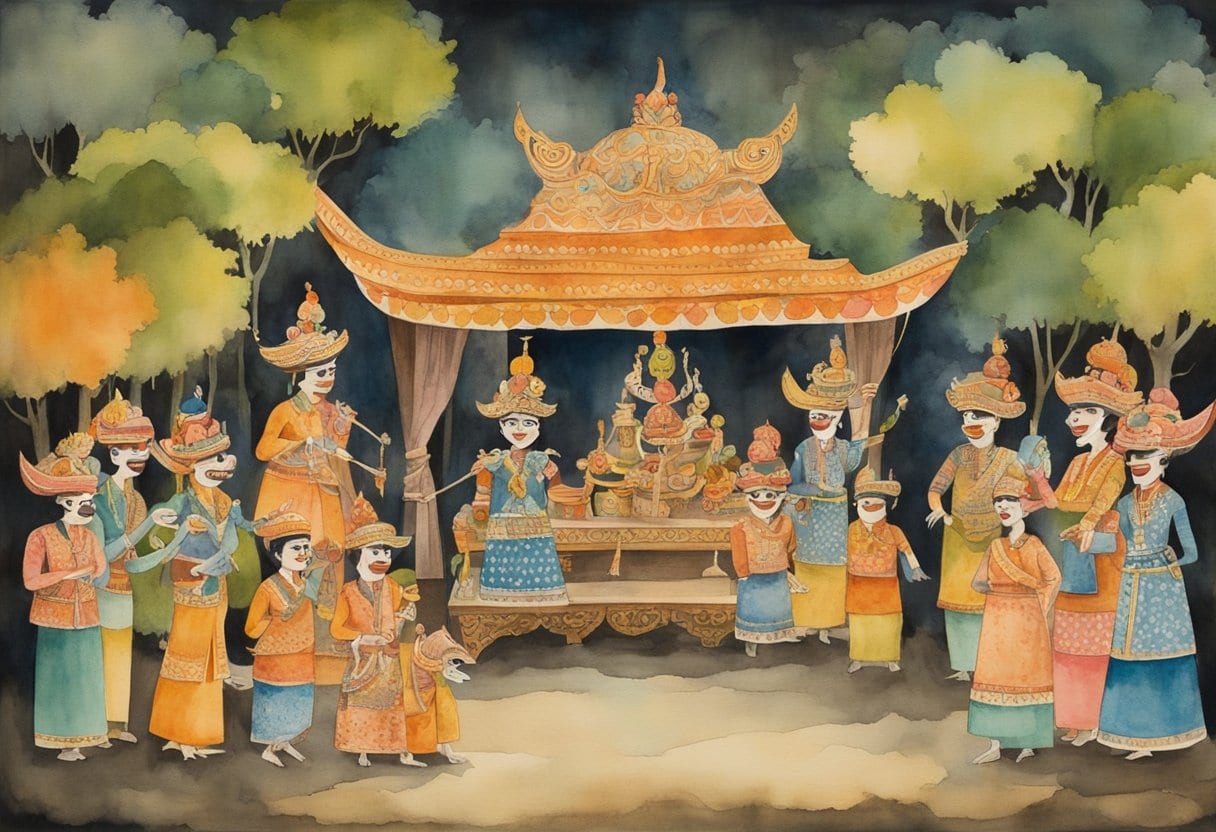
Traditional gamelan music enhances the mystical experience. The art of wayang golek and wayang kulit remains a cherished tradition.
These stories reflect the beliefs and history of the Sundanese people. Let’s journey into the enchanting world of West Java’s puppets.
1) Wayang Golek Cepot
Cepot is a beloved character in Sundanese puppetry, known as a punokawan or comic relief figure. His bright red face and distinctive appearance make him instantly recognizable among wayang golek puppets.
As one of Semar's sons, Cepot lives in the fictional village of Tumaritis with his father and two brothers, Petruk and Dawala. Unlike many wayang characters, Cepot doesn't appear in the original Mahabharata or Ramayana epics.
The character brings humor and wisdom to performances through his rural personality and witty observations. Puppet masters use Cepot to connect with audiences and share important social messages in an entertaining way.
Cepot represents the common person's perspective in wayang golek shows. His jokes and antics help make complex stories more approachable for viewers of all ages.
His red face, round eyes, and wide smile are crafted with great skill by puppet makers. These features help bring his comedic personality to life during performances.
2) Panji Semirang
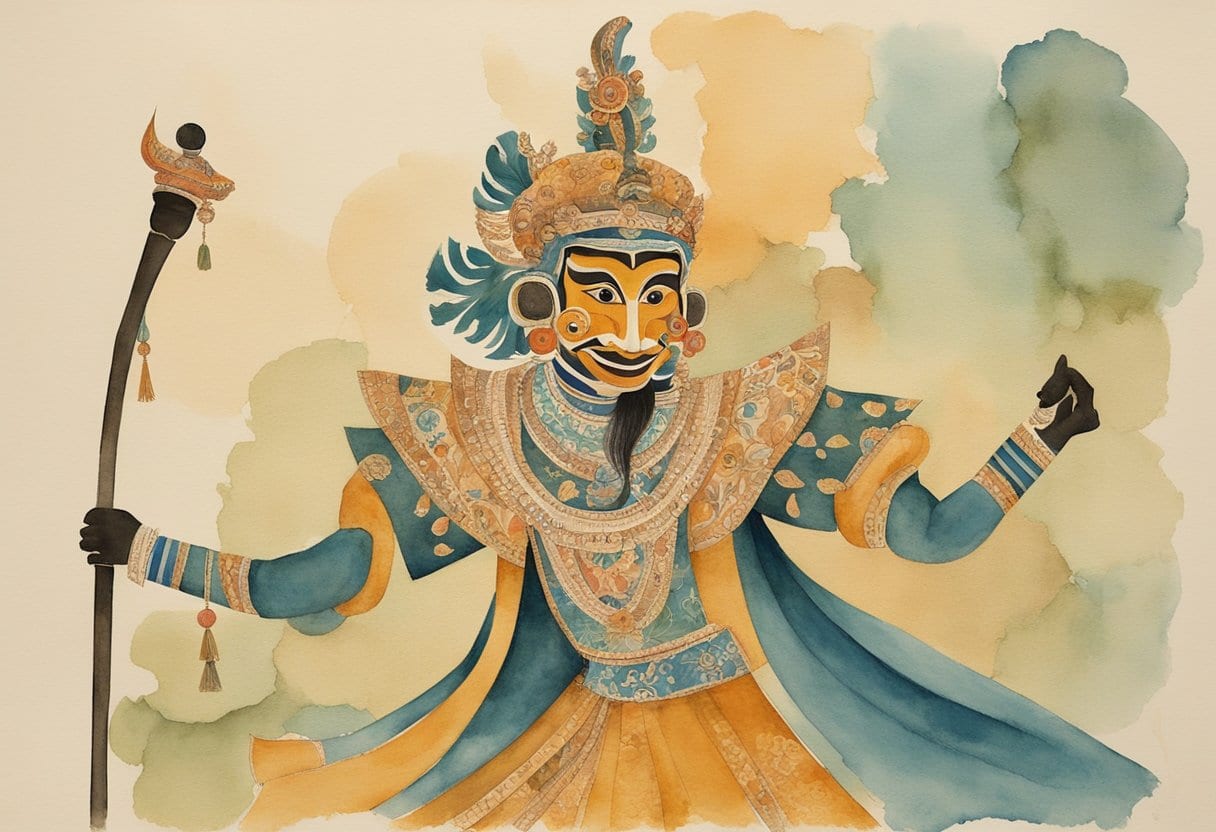
Panji tales form an important cycle of Javanese stories centered around a legendary prince. These stories have become a cornerstone of Indonesian cultural heritage.
Panji Semirang represents one of the most beloved tales passed down through generations in Indonesia. Grandparents often share this story with their grandchildren at bedtime, keeping the tradition alive.
The story comes to life through various art forms, particularly in wayang performances. Professional puppeteers, known as dalangs, bring these characters to life using intricately carved wooden puppets.
These performances combine music, storytelling, and puppetry to share the tale with audiences. The puppets move gracefully across the stage, their movements controlled by skilled artists who have trained for years to master this craft.
The Panji Semirang story maintains its cultural significance through both oral tradition and artistic presentations. Its themes and characters continue to resonate with Indonesian audiences today.
3) Ki Semar Story
Semar is a unique character in Indonesian mythology who stands apart from Hindu influences. He appears as a short figure with an unusual appearance - he has breasts, a large bottom, and a tendency to pass gas.
Don't let his strange looks fool you. As the main clown character in Javanese puppet shows, Semar brings both wisdom and humor to performances. He shows up in shadow puppets, rod puppets, masked theater, and dance dramas across Indonesia.
In the shadow puppet tradition, Semar plays a complex role. Though he acts as a servant, he carries deep wisdom and virtue despite his unusual physical form.
The character remains relevant even today. Modern TV shows feature Semar in new stories that connect with current life and needs. His philosophical nature makes him one of the most important figures in wayang performances.
In Sundanese puppet shows, Semar has three sons - Cepot, Petruk, and Dawala. They live together in a village called Tumaritis, adding their own comic relief to the traditional stories.
4) Nyai Dasima
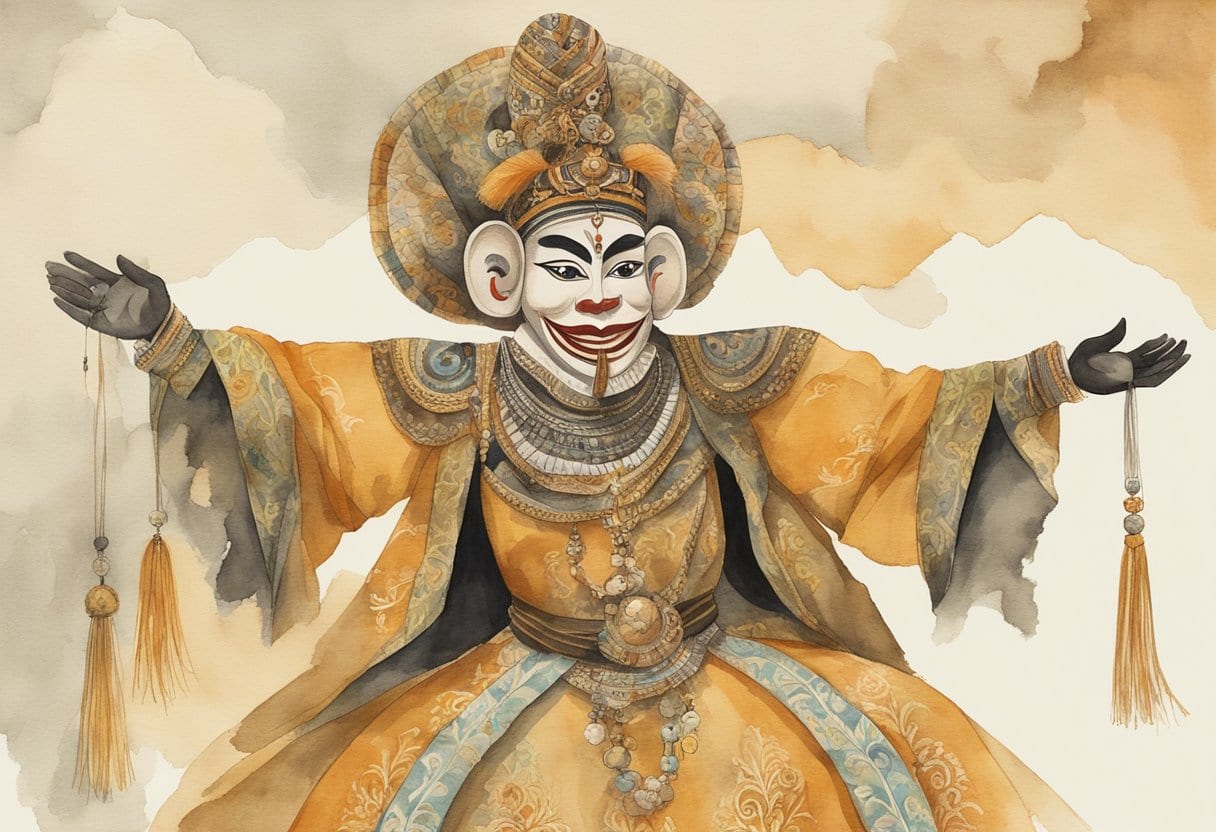
Nyai Dasima is a legendary figure in Indonesian cultural history, whose tragic tale became a significant part of 19th-century Batavia's folklore. Her story takes place in what is now modern-day Jakarta.
The tale of Nyai Dasima has been kept alive through many art forms. Artists have shared her story through books, plays, and traditional puppet shows. Her narrative has special meaning in Indonesian theater and storytelling traditions.
Puppet masters often include Nyai Dasima's story in their performances to teach moral lessons. The dramatic elements of her tale make it perfect for wayang golek shows, where wooden puppets bring characters to life.
Her story represents the complex social dynamics of colonial Indonesia. Through puppetry and other art forms, performers explore themes of love, betrayal, and cultural identity that remain relevant today.
The preservation of Nyai Dasima's story shows how Indonesian folklore stays alive through different types of performance art. Traditional puppet theater helps new generations connect with this important cultural narrative.
5) The Tale of Sangkuriang
The legend of Sangkuriang tells a fascinating story from West Java about a young man who unknowingly falls in love with his own mother, Dayang Sumbi. This tale explains the creation of several natural landmarks in Indonesia.
The story begins with Sangkuriang's childhood, when he accidentally kills his father, who had taken the form of a dog. His mother banishes him from their home in anger.
Many years later, Sangkuriang returns as a grown man and meets a beautiful woman - not realizing she is his mother. They plan to marry until Dayang Sumbi notices a scar on his head and recognizes him as her son.
To prevent the marriage, Dayang Sumbi sets impossible tasks. She asks Sangkuriang to build a dam and a boat in one night. When he nearly succeeds with help from spirits, she tricks him by making fake dawn light appear.
In his fury at failing, Sangkuriang kicks the boat, which turns upside down and becomes Mount Tangkuban Perahu. The story remains an important part of Sundanese culture and is often performed in traditional puppet shows.
6) Jabang Tetuka
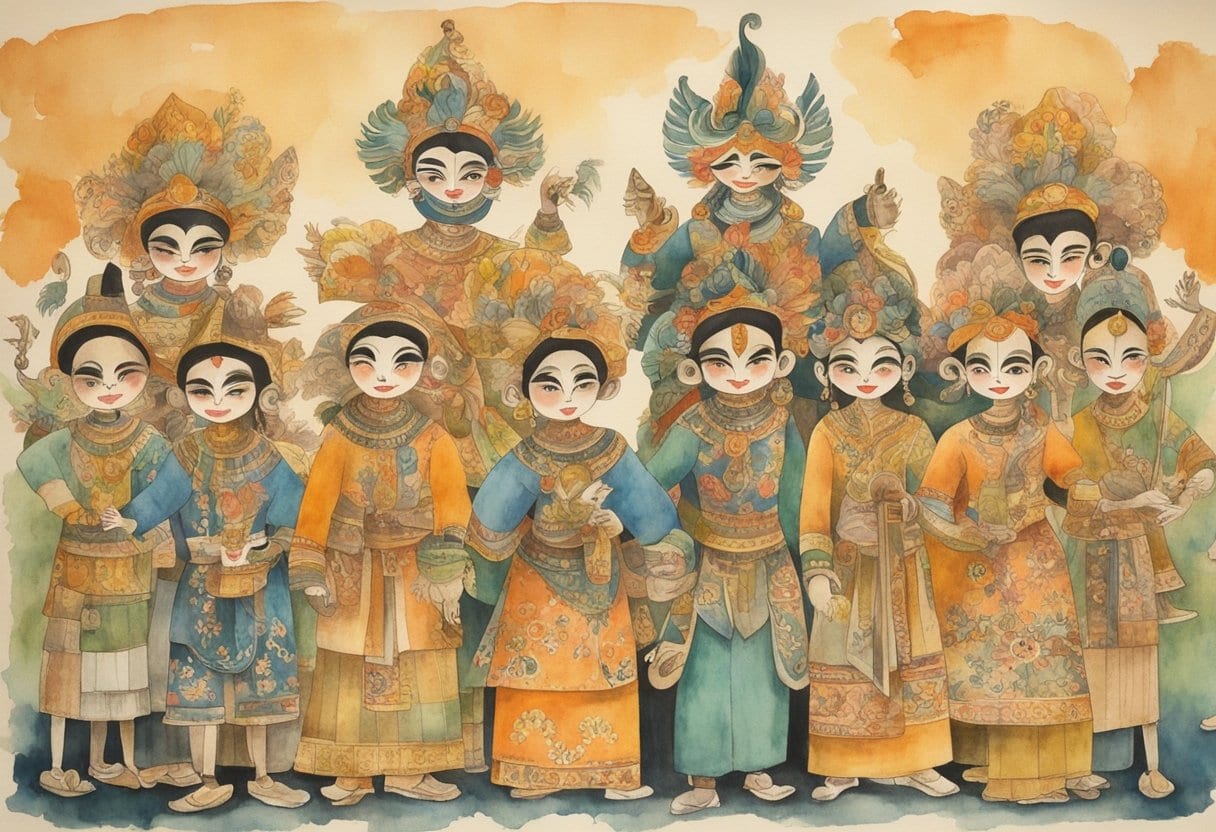
Jabang Tutuka is a beloved story in Sundanese wayang golek performances. The tale takes place in the mythical realm of Suralaya and features supernatural characters and epic battles.
The story unfolds through intricate wooden puppet performances where skilled puppeteers bring the characters to life. Each puppet moves with careful precision to tell this ancient narrative.
The tale follows special themes found in many traditional Javanese performances, mixing elements from Hindu mythology with local Sundanese folklore. The story teaches important values about bravery, duty, and wisdom.
Like other wayang golek stories, Jabang Tutuka includes both serious moments and light comedy. The puppeteers use different voices and movements to show each character's personality.
The performance mixes music, storytelling, and puppet artistry. Local gamelan orchestras play traditional songs that match the mood of each scene.
7) Delem and Sangut

Delem and Sangut are two key puppet characters in Wayang Golek theater. These figures serve as comic relief and provide social commentary during performances.
Delem is the larger, rounder character who often acts bossy and pompous. His personality reflects those who think too highly of themselves, making him a perfect tool for social satire.
Sangut is Delem's opposite - a thin, clever character who frequently outsmarts his companion. Their dynamic creates entertaining moments that keep audiences engaged while delivering important moral lessons.
These characters appear in many traditional Sundanese puppet shows. They interact with noble heroes and villains, offering witty observations about life and society through their amusing exchanges.
Skilled puppeteers make Delem and Sangut come alive through distinctive voices and movements. Their scenes provide breaks between serious plot points and help audiences connect with complex stories.
8) Bambang Kumbono
Bambang Kumbono ranks among the most beloved characters in Wayang Golek puppet theater. His character represents a noble warrior prince known for his bravery and wisdom.
The puppet that represents Bambang Kumbono features intricate wooden carvings, with special attention paid to his facial features and headdress. Like other traditional Wayang Golek puppets, his head is carved with exceptional detail, including a bird motif on the back of his crown.
In performances, Bambang Kumbono often appears in stories that teach moral lessons about courage and integrity. The dalang puppeteer brings him to life through skilled rod manipulation and voice acting.
His stories typically involve adventures where he must overcome challenges while maintaining his principles. These tales resonate with audiences and have helped preserve Sundanese cultural values across generations.
The character's costume design features rich colors and patterns that symbolize his royal lineage. His movements in performances are graceful yet powerful, matching his status as a warrior prince.
9) Gatotkaca's Adventures
Gatotkaca stands as one of the most beloved characters in Sundanese wayang golek puppetry. His magical powers and flying abilities make him a unique figure in puppet performances.
The tale of Gatotkaca's birth and early life forms a special part of traditional puppet shows. His birth story, known as Jabang Tutuka, shows how he gained his supernatural powers as a baby.
In many puppet shows, Gatotkaca fights evil spirits and protects his kingdom. His iron bones and steel skin make him nearly impossible to defeat in battle. He zooms through the sky like lightning and can crush mountains with his bare hands.
Young viewers love watching Gatotkaca's flying scenes in puppet shows. Puppet masters make him soar and spin through the air while fighting demons and giants. His most famous battles include facing off against other mighty warriors who challenge his strength.
People tell stories about Gatotkaca helping farmers with their crops and defending villages from monsters. These tales show his kind heart despite his fierce appearance and great power.
10) Wayang Kulit Cirebon Style
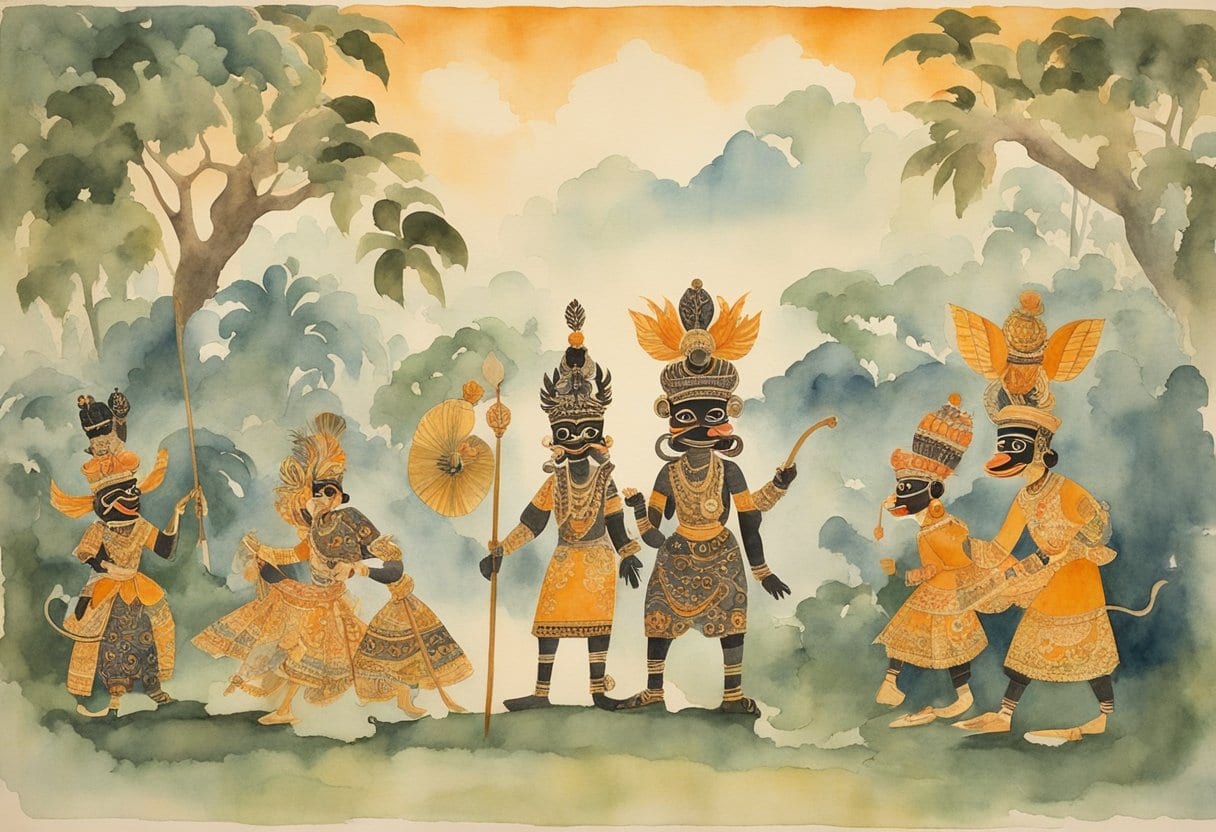
Wayang kulit in Cirebon emerged as a distinct artistic tradition along Java's north coast. This style developed its own unique characteristics that set it apart from other regional variations.
The puppets in Cirebon style feature distinctive flat or papak heads, known as wayang cepak. These special designs reflect the cultural fusion that took place in this coastal trading hub.
Islamic influences shaped the development of Cirebon's wayang tradition. The art form became an important tool for sharing religious teachings with local communities through storytelling.
The puppet performances blend traditional Javanese elements with Islamic cultural aspects. The stories often include both ancient tales and religious teachings.
Each puppet requires incredible skill to create and manipulate. The leather puppets cast intricate shadows on screens during performances, creating a mesmerizing visual display for audiences.
UNESCO recognizes wayang as an important cultural heritage. The Cirebon style adds its own special chapter to this rich tradition of Indonesian puppetry arts.
Understanding Sundanese Folklore
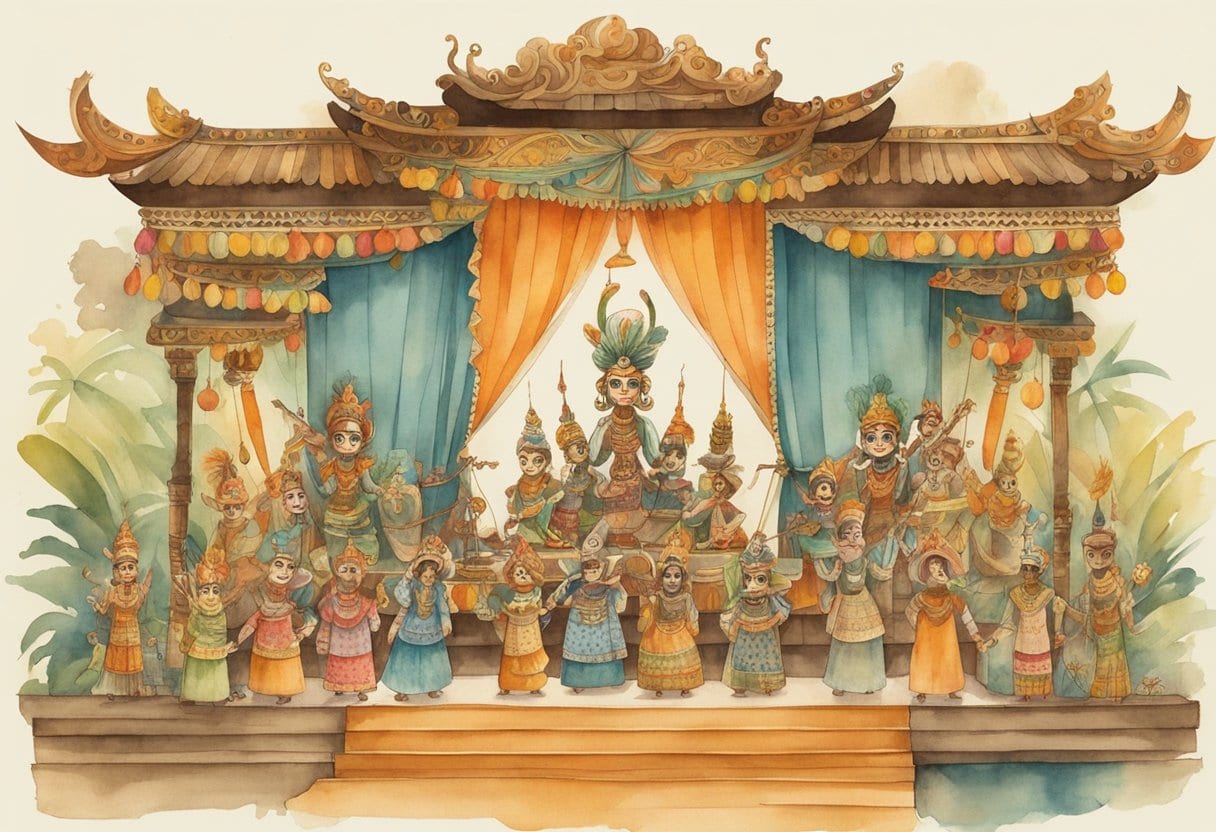
The rich cultural heritage of Sundanese folklore blends ancient traditions with Islamic influences. These stories shape community values and preserve cultural wisdom through generations.
Cultural Significance
Wayang golek puppetry serves as a key medium for sharing Sundanese folklore. Puppet masters use wooden figures to bring ancient tales to life.
These performances mix entertainment with moral teachings. Each story contains life lessons about honor, respect, and community values.
The tales feature a mix of characters from daily life and supernatural beings. This combination helps people connect with the stories while exploring deeper spiritual themes.
Mythological Elements
Sundanese myths blend local beliefs with outside influences. The stories often include spirits, magical creatures, and divine beings that represent natural forces.
Traditional narratives incorporate Hindu epics alongside Muslim teachings. This creates a unique mythology that reflects the region's diverse cultural history.
Sacred locations play important roles in many tales. Mountains, forests, and rivers appear as both settings and characters, showing the deep connection between Sundanese people and their environment.
Characters face moral choices that test their wisdom and virtue. These challenges mirror real-life situations, making the stories relevant across generations.
Wayang Golek: Traditional Art Form
Wayang golek puppetry represents one of Indonesia's most cherished theatrical arts, combining wooden rod puppets with complex storytelling traditions. These three-dimensional puppets bring ancient tales to life through skilled manipulation and dramatic performances.
Historical Background
The art form emerged in the 17th century along Java's north coast, particularly in Cirebon. The original puppets featured flat heads, known as wayang cepak, and played a key role in spreading Islamic teachings.
The tradition evolved from its roots in West Java's Sundanese culture, blending Hindu epics with Buddhist philosophy and Muslim influences. This unique mix created a rich storytelling tradition that continues today.
Religious leaders used these puppet shows to teach moral values and spiritual lessons. The performances helped bridge different belief systems and made complex teachings easier to understand.
Artistry and Craftsmanship
Each puppet features intricate details, from carefully painted faces to elaborate costumes. Craftsmen dress the figures in silk blouses, cotton batik skirts, and decorative jewelry.
The puppets' construction requires great skill. Each figure includes:
- Wooden body parts
- Metal bracelets and ornaments
- Glass bead necklaces
- Fabric clothing
- Detailed paint work
Professional puppet masters, called dalang, bring these characters to life. They must master voice acting, puppet manipulation, and storytelling to create engaging performances.
Javanese Puppetry Techniques
Javanese puppet theatre combines skilled manipulation with storytelling to bring ancient tales to life. The puppeteers use intricate movements and voice techniques passed down through generations.
Performance Styles
The dalang (puppeteer) sits behind a white screen with a lamp above their head. For wayang kulit performances, they cast shadows by pressing leather puppets against the screen.
Each puppet has jointed limbs controlled by thin rods. The dalang moves these rods to create fluid, lifelike movements. They must master distinct voices for every character.
During shows, the dalang coordinates with a gamelan orchestra. The music changes to match different scenes and emotions. Fast rhythms accompany battles, while soft melodies accompany romantic moments.
Role in Community Rituals
Traditional puppet shows serve as both entertainment and sacred ceremonies. Many villages host performances during important life events like weddings and harvests.
Shows often start at night and continue until dawn. The community gathers to watch stories that teach moral lessons through ancient myths and legends.
The puppeteer acts as both performer and spiritual guide. They bless the puppets before each show and follow strict ritual practices during performances. These traditions connect modern audiences to centuries of Javanese cultural heritage.
Frequently Asked Questions
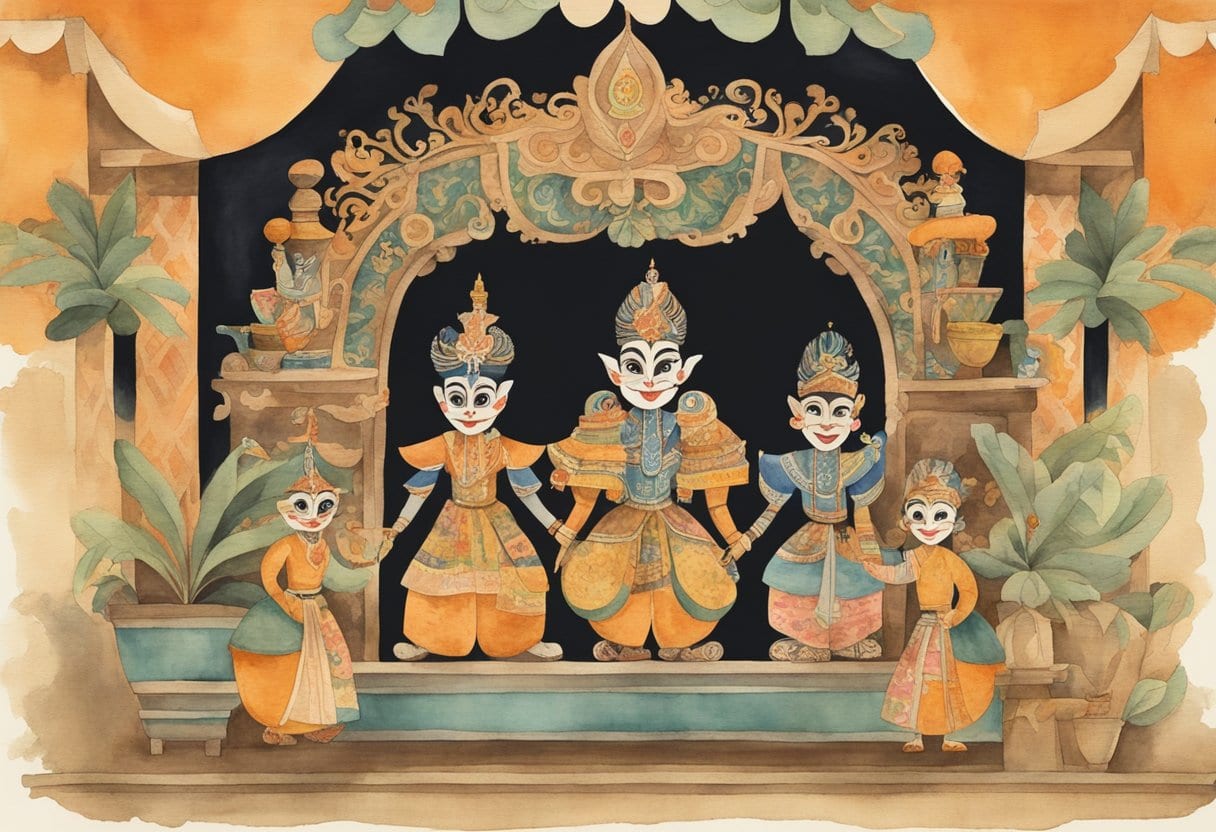
Traditional Javanese puppetry encompasses unique performance styles, character stories, and crafting methods that have evolved since the 17th century. Each puppet type serves distinct storytelling purposes through carefully chosen materials and performance techniques.
What are the key differences between Wayang Kulit and Wayang Golek performances?
Wayang Kulit uses flat leather shadow puppets displayed behind a screen. The shadows create the performance visual.
Wayang Golek features three-dimensional wooden puppets controlled by rods. The audience watches the actual puppets rather than shadows.
Who are the central characters in Wayang Golek and Wayang Kulit?
The wise clown-servant Cepot brings humor and moral lessons to many tales.
Ki Semar serves as a divine figure and advisor to heroes. His wisdom guides both puppets and audiences.
Panji Semirang appears in romantic adventures, while Nyai Dasima features in dramatic moral tales.
Can you describe the history of Wayang Golek puppetry?
Wayang Golek emerged on Java's north coast, especially in Cirebon. The art form started with flat-headed puppets called wayang cepak.
The tradition combines Hindu stories with Buddhist and Muslim ideas along with local folklore.
What narratives are typically represented in Javanese puppet theater shows?
The Tale of Sangkuriang teaches moral lessons about family relationships and respect.
Religious stories spread Islamic teachings through entertaining performances.
Traditional folk tales celebrate local heroes and cultural values.
How are Wayang Golek puppets crafted and what materials are used?
Craftspeople carve the puppets from light wood, typically using albesia or pulai wood.
Each puppet receives detailed paint work and cloth costumes. Metal rods control the arms and body.
Where can one find Wayang Golek puppets for purchase?
Traditional puppet troupes in West Java often sell authentic handmade puppets.
Local markets and artisan workshops in Java offer puppets made by skilled craftspeople.
Online marketplaces now connect international buyers with Indonesian puppet makers.
Ready to restore your own photos?
Our artists bring your damaged photos back by hand, most within a few days.
Rated 4.96 out of 5 stars.4.96/5 · Loved by 400,000+ families