
Downsizing Guide: 10 Powerful Steps for a Clutter-Free Senior Home

Downsizing is a big decision, but it brings many benefits. A clutter-free home makes life simpler and more enjoyable.
Seniors often feel more comfortable with fewer belongings. Decluttering improves safety and organization.
It also creates space for what truly matters. The key is to take it one step at a time.

Sorting through items can bring back cherished memories. Donating or gifting things can be rewarding.
A downsizing guide helps make the process stress-free. Let’s explore the best ways to downsize with ease.
1) Marie Kondo's Decluttering Method
The KonMari Method focuses on tidying by category rather than location. This approach treats decluttering as one major event instead of small cleaning sessions.
Marie Kondo's method starts with clothes, then moves to books, papers, miscellaneous items, and ends with sentimental objects. Each item gets held to determine if it "sparks joy" in the owner's life.
Using the KonMari approach turns downsizing into an opportunity for positive change. People can create homes that bring them happiness, regardless of size.
The method works well for seniors moving to smaller spaces. They can sort through belongings without guilt and keep items that truly matter to them.
Two key rules make this method effective. First, gather all items from one category in a single location. Second, touch each item to decide if it brings joy before choosing to keep or donate it.
Items that no longer serve a purpose get thanked for their service before being let go. This practice helps people release objects with gratitude instead of regret.
2) Capsule Wardrobe Essentials

A capsule wardrobe needs quality basics that work well together. The key is picking versatile pieces in neutral colors like black, white, navy, and beige.
Essential items include three pairs of well-fitting pants, five basic tops, and two classic blazers or cardigans. These pieces should mix and match easily to create different outfits.
Creating a capsule wardrobe starts with choosing a color palette. This makes it simple to match clothes and prevents buying items that don't work together.
Good shoes are important too. Three pairs can cover most needs - comfortable walking shoes, dressy flats, and casual sneakers. Each pair should match multiple outfits.
Accessories help create different looks with the same clothes. A few scarves, simple jewelry pieces, and two handbags can transform basic outfits.
Maintaining a minimalist wardrobe requires regular care of clothes. Quality pieces last longer when properly washed and stored.
Each season, people should check their capsule wardrobe. Replace worn items and adjust for changing needs. This keeps the wardrobe fresh and functional.
3) Downsize and Donate with Goodwill
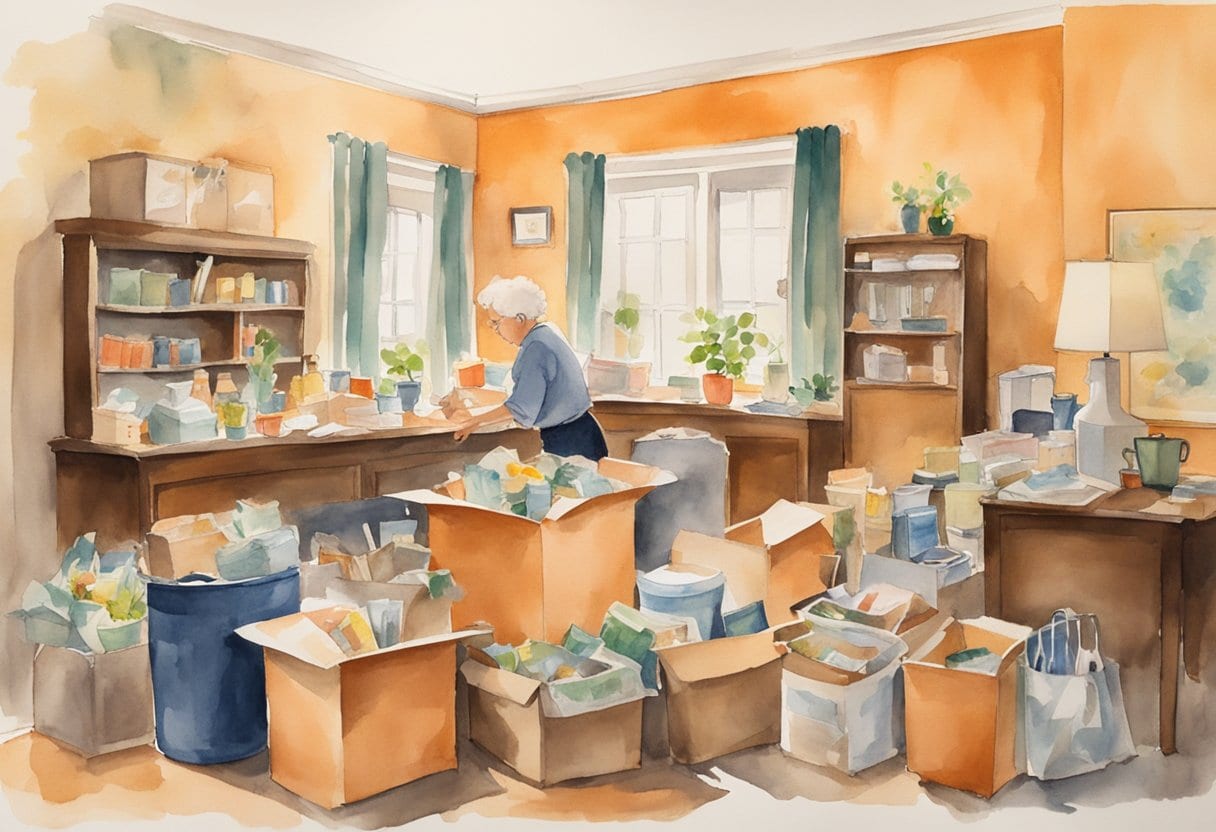
Empty spaces create room for new possibilities. Organizing with intention means sorting items into keep, store, and donate piles. Items that still have life in them can find new homes through Goodwill.
Goodwill makes donating simple and meaningful. Their donation centers welcome gently used clothing, furniture, electronics, and household items. Each donation helps fund job training and community programs.
Senior move specialists can guide people through the donation process. They measure furniture, create floor plans, and help decide which items to keep or donate. This takes the stress out of downsizing.
Starting the decluttering process room by room prevents feeling overwhelmed. The bedroom closet is often an excellent place to begin. Clothes that haven't been worn in a year can help others through Goodwill.
Tax deductions are an added benefit of donating. Goodwill provides receipts for all donations, which can be used when filing taxes. Every item given helps both the donor and the community.
4) Space-Saving Furniture Solutions
Smart furniture choices make a huge difference when moving to a smaller space. Multi-functional furniture pieces like sofa beds serve double duty - comfortable seating by day and cozy sleeping spots at night.
Vertical storage solutions help maximize wall space while keeping floors clear. Tall bookcases, mounted shelves, and over-door organizers create storage without taking up precious floor space.
Hidden storage furniture keeps spaces tidy and organized. Ottoman benches store blankets, coffee tables with drawers hold remote controls, and bed frames with built-in drawers eliminate the need for extra dressers.
Expandable dining tables adapt to different needs. A small table works for daily meals, then extends to welcome family gatherings. Nesting tables tuck away when not needed but provide extra surface area for guests.
Folding chairs and collapsible tables make entertaining simple. These pieces store flat in closets or under beds until needed. Wall-mounted desks fold down for work and up when finished, perfect for home offices in tight spaces.
Scale matters in smaller homes. Choosing furniture that fits the room's proportions prevents cramped, crowded spaces. Pieces with legs create an open feel by letting light flow underneath.
5) Vertical Gardening Techniques

Living in a smaller space doesn't mean giving up gardening. Vertical gardening techniques make it possible to grow plants upward instead of outward, perfect for downsizing households.
Small-space gardeners can transform walls and fences into green spaces with simple solutions. Installing wall-mounted planters and trellises creates room for herbs, vegetables, and decorative plants while keeping floor space clear.
Regular garden maintenance becomes easier with vertical setups. Plants grown at eye level reduce bending and stretching, making gardening more comfortable for seniors and those with limited mobility.
Simple DIY options include hanging basket systems and repurposed pallets. These projects need just 1-2 square feet of floor space while providing ample growing area.
Vertical gardens bring nature closer while maximizing limited space. They create peaceful green views and can even help divide living areas in open-plan homes.
The best plants for vertical gardens include trailing varieties and compact growers. Herbs, strawberries, and leafy greens thrive in these spaces and provide fresh harvests year-round.
6) Minimalist Kitchen Tips
A clutter-free kitchen makes cooking and daily tasks much easier. Start by removing duplicate utensils and rarely used gadgets from drawers and countertops.
Keep only essential items within easy reach. Store everyday dishes, cups, and frequently used cooking tools in accessible cabinets. Less-used items can go in higher or lower storage spaces.
Clear countertops create a sense of calm and make cleaning simpler. Use drawer organizers and cabinet dividers to keep items tidy and easy to find. Consider installing pull-out shelves in lower cabinets for better access.
Decluttering the pantry helps prevent food waste. Check expiration dates regularly and organize items by category. Use clear containers to store dry goods and label everything clearly.
Create designated zones for different activities like food prep, cooking, and cleaning. This organization system helps maintain order and makes the kitchen more functional.
Consider donating extra kitchen items to local charities. Many seniors find that a simplified kitchen with fewer choices reduces stress and makes meal preparation more enjoyable.
7) Efficient Living Space Layouts

A well-planned layout helps seniors make the most of their new home.
Professional move managers recommend measuring furniture and rooms before moving day to ensure everything fits properly.
Smart furniture placement creates clear paths for walking. Keep high-traffic areas open and free from obstacles.
Place frequently used items within easy reach to reduce bending and stretching.
Creating zones in each room makes spaces more functional.
A reading nook near a window takes advantage of natural light. A dedicated spot for medications and important papers keeps essential items organized.
Multi-purpose furniture saves valuable space.
Ottoman storage benches provide seating and hide blankets. Fold-down tables work well in small dining areas.
Good lighting makes rooms feel larger and safer. Place lamps in corners to brighten dark spots.
Task lighting above counters and reading areas reduces eye strain.
Floor plans should account for mobility needs.
Leave extra space around furniture for walkers or wheelchairs. Install handrails in bathrooms and hallways for added safety.
8) Setting Up a Memory Box
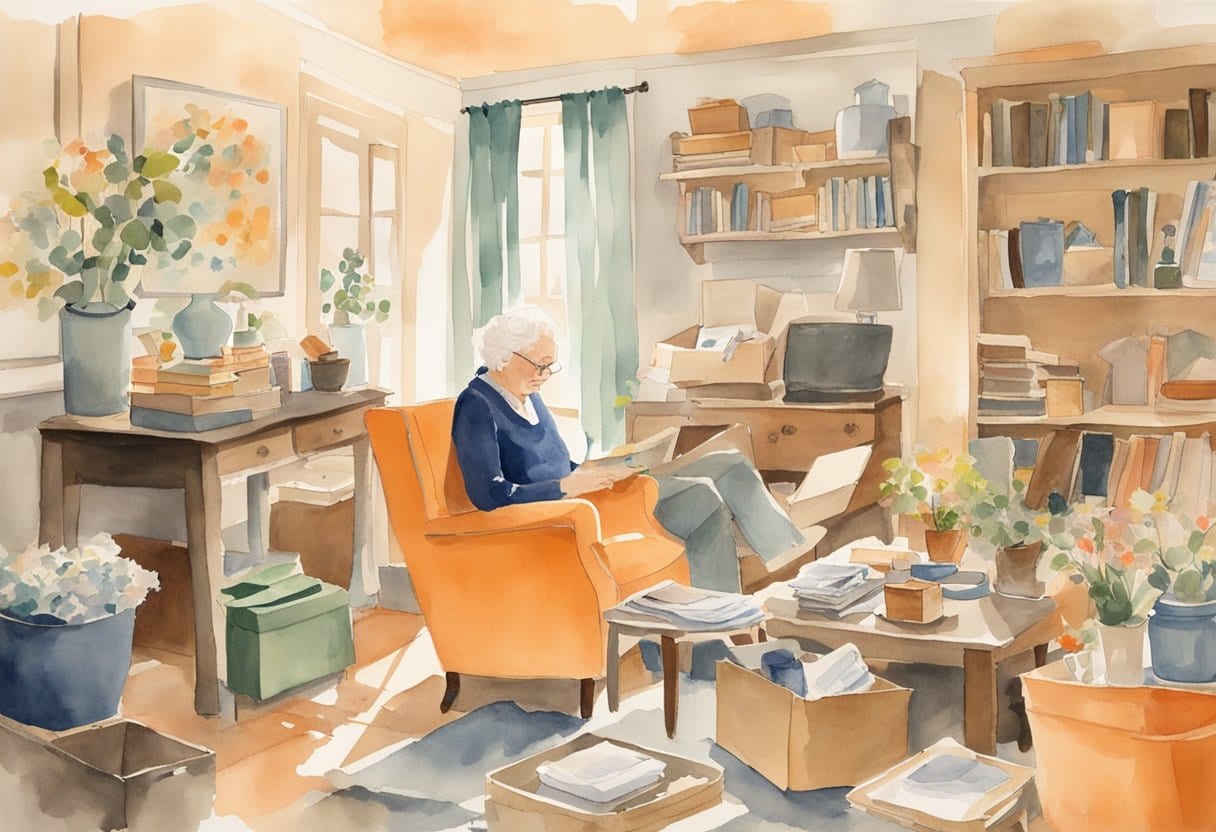
A memory box helps preserve cherished items while managing sentimental clutter.
Choose a sturdy, medium-sized container that protects contents from dust and moisture.
Start by selecting meaningful items that spark joy or tell important life stories.
Photos, letters, small family heirlooms, and special cards make excellent choices for the memory box.
Digitizing memories can help reduce physical items while preserving their significance.
Scan old photographs and documents to keep digital copies alongside the originals.
Label each item with a brief note explaining its significance and date. This helps family members understand the story behind each treasure.
Keep the box organized by using small bags or dividers.
Group similar items together, such as childhood memories, wedding mementos, or travel souvenirs.
Consider creating separate memory boxes for different life chapters or family members. This makes it easier to pass down heirlooms to specific loved ones.
Store the memory box in a cool, dry place away from direct sunlight. Check contents yearly to ensure proper preservation.
9) Digital Decluttering Strategies
Starting a digital declutter feels less scary when broken into small steps.
The first move is to pick one digital space to tackle, like email or phone photos.
Photos take up lots of space on phones and computers. A good strategy is to sort them into clear folders by year and event, then delete duplicates and blurry shots.
Backing up precious pictures to a cloud service protects memories from device failures.
Digital decluttering makes work easier by removing distractions.
When the computer desktop is clean and files are organized, finding important documents takes seconds instead of minutes.
Seniors can ask younger family members for help with organizing digital spaces.
Teaching moments create nice bonding time while getting digital life in order.
The key is to start with a list of all digital accounts and devices.
This includes phones, computers, email accounts, and social media profiles. Checking each item off brings a sense of progress.
Delete unused apps and unsubscribe from unwanted emails.
This reduces digital noise and makes important messages easier to spot. Set aside 15 minutes each day for organizing until the task is done.
10) Choosing the Right Senior Community
Moving to a senior living community can bring exciting changes and new opportunities.
A good community offers social activities, wellness programs, and maintenance-free living.
Location matters a lot.
Pick a community close to family, friends, and favorite places like shops or churches. Think about how easy it is to get around the area.
The right amenities make life more enjoyable.
Look for fitness centers, dining options, and organized social events.
Some communities offer art classes, book clubs, and group outings.
Safety features are essential.
Check for emergency response systems, well-lit walkways, and grab bars in bathrooms. Ask about staff availability and medical care access.
Creating a familiar environment helps with the transition.
Most communities welcome personal furniture and decorations to make spaces feel like home.
Visit several communities before deciding.
Talk to current residents about their experiences. Pay attention to how staff members interact with residents and each other.
Ask about costs and what services are included.
Some communities charge extra for meals or special activities. Get clear information about monthly fees and potential future cost increases.
Understanding the Benefits of Downsizing
Downsizing and decluttering create positive changes in both living spaces and daily life.
A simplified home environment leads to reduced stress and increased comfort.
Financial Advantages
Moving to a smaller space cuts monthly expenses dramatically.
Housing costs drop through lower mortgage or rent payments, reduced utility bills, and decreased maintenance costs. Many seniors save $500-800 per month after downsizing.
Insurance costs typically decrease in a smaller home. Property taxes often go down too.
The money saved can fund hobbies, travel, or retirement savings.
Selling unneeded items during downsizing brings in extra cash.
Furniture, collectibles, and household goods can add up to thousands in sales.
Simplifying Daily Routines
A smaller space means less time spent on cleaning and maintenance.
Daily tasks become more manageable when everything has its place.
Key benefits of simplified routines:
- Reduced physical strain from household chores
- More time for hobbies and social activities
- Better organization of essential items
- Improved safety with fewer tripping hazards
- Less stress from managing excess belongings
Creating an organized living space helps seniors maintain independence. Simple changes like keeping frequently used items within easy reach make daily tasks easier.
Effective Decluttering Steps
A clear plan and organized approach makes decluttering manageable and less stressful.
Breaking down the process into smaller tasks helps prevent feeling overwhelmed while creating lasting results.
Assessing Personal Belongings
Start by walking through each room with a notebook, taking inventory of items.
Take photos of each space before starting - this helps track progress and provides motivation.
Create these three simple categories:
- Must-keep items (essential daily use)
- Maybe items (need further consideration)
- Remove items (donate, sell, or discard)
Consider the practical value of each item.
Does it serve a clear purpose? Has it been used in the past year? Could someone else benefit from it more?
Deciding What to Keep
Try viewing the home as a first-time visitor to spot unnecessary items more easily.
This fresh perspective helps identify what truly belongs.
Focus on quality over quantity. Keep items that:
- Serve multiple purposes
- Bring genuine joy
- Have significant sentimental value
- Are used regularly
Store sentimental items in a dedicated memory box rather than scattered throughout the home.
Organizing the Remaining Items
Create dedicated zones for different activities and item categories. Label storage containers clearly.
Use these storage solutions:
- Clear containers for visibility
- Drawer dividers for small items
- Vertical storage to maximize space
- Multi-purpose furniture with storage
Put frequently used items in easy-to-reach places. Store seasonal items in less accessible areas.
Maintain the new system by returning items to their designated spots after use.
Exploring Senior Home Options

Moving to a senior living space means picking between places that match different care needs and lifestyle wants. Each option brings unique features that help seniors live their best lives.
Independent Living Communities
Independent living communities offer seniors active, maintenance-free lifestyles. These communities feel like neighborhoods where residents can keep their independence while enjoying social connections.
Residents live in private apartments or homes. They benefit from shared amenities like:
- Fitness centers and pools
- Game rooms and libraries
- Community dining areas
- Organized social activities
- Transportation services
Monthly fees typically cover utilities, maintenance, and basic services. Many communities also include housekeeping and security.
Assisted Living Facilities
Assisted living facilities provide extra support while maintaining dignity and independence. Staff helps with daily tasks like medication management, bathing, and dressing.
Key features include:
- 24/7 medical staff on-site
- Three meals daily in dining rooms
- Personal care assistance
- Emergency call systems
- Social activities and events
Residents enjoy private or semi-private rooms with bathrooms designed for safety. Many facilities offer memory care units for those with cognitive challenges.
The monthly cost covers room, board, care services, and activities. Some facilities accept long-term care insurance or Medicaid.
Frequently Asked Questions
Moving to a smaller home needs careful planning and smart choices. The right steps can make downsizing easier and less stressful for seniors who want to simplify their lives.
What steps should seniors take to effectively declutter their homes before moving to a smaller residence?
The decluttering process starts with one room or category at a time, like books or kitchenware. Many seniors find success using the Marie Kondo method of keeping items that spark joy.
Taking photos of sentimental items before letting them go helps preserve memories without keeping physical objects.
What items should be prioritized for disposal or donation when seniors are downsizing their living spaces?
Duplicate items and rarely used belongings should go first. This includes extra sets of dishes, old magazines, and unused exercise equipment.
Seasonal decorations and bulky furniture that won't fit in the new space can be donated to local charities or family members.
How can seniors create a manageable downsizing checklist to streamline their transition to a smaller home or senior living community?
A simple checklist divides tasks into 30-minute segments spread over several weeks. Breaking down the work prevents exhaustion and keeps the process organized.
Each day should focus on one specific area or type of item. This method prevents getting distracted or overwhelmed.
Where can seniors find assistance with downsizing in their local area?
Professional senior move managers specialize in helping older adults downsize and relocate. Senior centers often maintain lists of trusted local helpers.
Many real estate agents who work with seniors can recommend reliable downsizing services.
At what age is it most common for individuals to consider downsizing their homes?
Most people start thinking about downsizing between ages 65 and 75. This timing often coincides with retirement or when home maintenance becomes more challenging.
What are effective strategies for seniors to downsize their homes without feeling overwhelmed by the process?
Setting a realistic timeline helps reduce stress. Working for just 2-3 hours per day keeps energy levels steady.
Creating a capsule wardrobe with versatile clothing pieces saves space and simplifies daily choices.
Using space-saving furniture and vertical storage solutions maximizes space in the new home.
Ready to restore your own photos?
Our artists bring your damaged photos back by hand, most within a few days.
Rated 4.96 out of 5 stars.4.96/5 · Loved by 400,000+ families