
General
Gardening Benefits: Fostering Senior Activities for Enhanced Elder Well-being
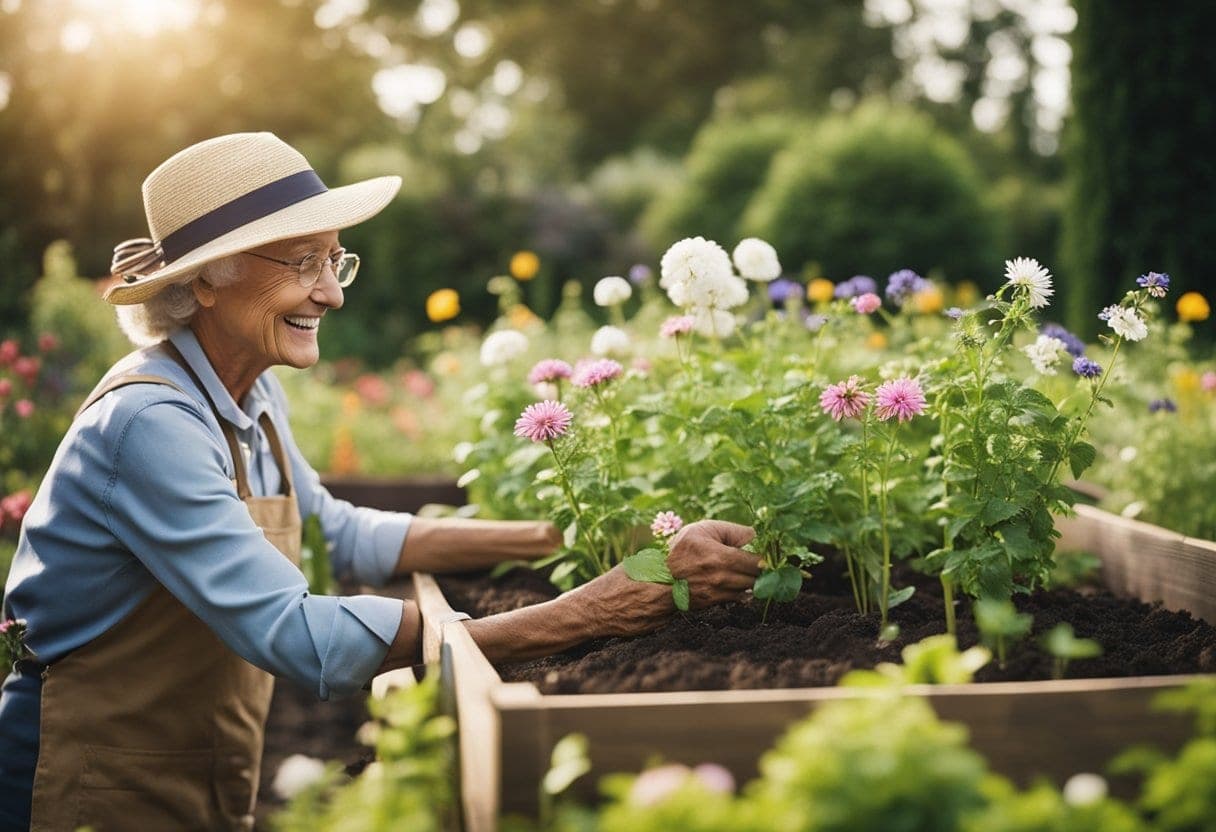
For seniors, gardening can serve as a dynamic form of exercise that is adaptable to different levels of mobility and fitness. It encourages you to engage in regular physical activity, which can improve strength, endurance, and flexibility. The naturally occurring tasks in gardening, such as digging, planting, and weeding, also contribute to maintaining fine motor skills. Beyond the physical benefits, gardening offers psychological and therapeutic advantages.
It can reduce stress, enhance mood, and provide a sense of purpose. By taking control of a living space and nurturing growth, you tap into a deeply satisfying cycle of life and rejuvenation. There's also the added bonus of having fresh produce at your fingertips, promoting a healthy diet rich in fruits and vegetables, a key component of senior nutrition.
Moreover, gardening doesn't have to be a solitary activity; it can be a social endeavor too. Collaborating on community gardens or sharing tips with fellow gardeners fosters community connections and can lead to intergenerational exchanges of wisdom and friendship. Various studies have echoed the sentiment that gardening can be a cornerstone for a healthier, more connected lifestyle for seniors.
Key Takeaways
- Gardening acts as a multifaceted activity for seniors that supports physical, mental, and social well-being.
- Starting a gardening project can range from simple potted plants to full-blown garden plots, suitable for varying abilities and environments.
- Engaging in gardening not only promotes a healthier lifestyle but also nurtures community connections and intergenerational learning.
Benefits of Gardening for Seniors
Gardening can be a powerful tool for maintaining and enhancing your overall well-being as you age. Through a combination of physical exercise and mental stimulation, it addresses various aspects of health, promotes longevity, and offers opportunities for social interaction.
Physical Health and Mobility
Engaging in gardening activities helps you maintain physical health and mobility. The varied tasks involved in tending to a garden require the use of different muscle groups, which can lead to improved strength and flexibility. Regular gardening can contribute to your endurance levels and assist in the prevention of diseases like osteoporosis. Being active in the garden also aids in managing heart disease by providing a form of moderate exercise.
Mental and Emotional Wellness
Your mental and emotional wellness can greatly benefit from the therapeutic properties of gardening. Spending time outdoors and nurturing plants can decrease levels of cortisol, the stress hormone, improving your overall stress management. This activity can also offer relief from symptoms related to depression and anxiety. Moreover, the mental engagement that gardening requires may enhance your memory and other aspects of cognitive function, catering to positive aging.
Social Engagement and Community
Gardening fosters social engagement and helps in building a sense of community. Participating in community gardens provides a platform where you can interact with others, reducing feelings of loneliness and isolation. These communal gardens are not merely places to grow plants but also spaces where you can share stories, experiences, and form meaningful connections that contribute to your social wellbeing.
Starting a Gardening Project
Embarking on a gardening project can be a source of joy and physical well-being for seniors, but it's important to choose suitable activities, prevent injury, and create an environment conducive to safe gardening.
Choosing the Right Activities
Gardening for seniors should align with the individual's abilities and interests. Consider easy-to-handle plants and the most rewarding gardening tasks such as:
- Watering: A simple yet essential task; use a lightweight can or hose with an adjustable nozzle.
- Weeding: Invest in a long-handled weeder to avoid excessive bending.
- Pruning: Use ergonomically designed shears for comfortable grip and less strain.
Container gardening and raised beds are excellent options for reducing the need for bending and avoiding strain on the back and knees.
Gardening without Injury
To minimize the risk of injury, take protective measures such as:
- Wearing sturdy shoes and gardening gloves.
- Using ergonomic tools to ease the strain on joints.
- Taking frequent breaks to prevent overexertion.
Remember, safe gardening is about pacing yourself and recognizing your limits.
Creating a Senior-Friendly Garden
When starting a gardening project, create a space that is both senior-friendly and conducive to physical well-being:
- Elevated planters and raised beds can reduce the need for stooping and kneeling.
- Paths should be wide, even, and non-slip for easy navigation between garden beds.
- Opt for containers on casters or stands to make moving plants easier.
By incorporating these elements into your garden, you’re not just cultivating plants, but nurturing your health as well.
Psychological and Therapeutic Advantages
Engaging in gardening as a habitual activity can offer you substantial psychological and therapeutic benefits. Through nurturing plants, you are likely to reduce everyday stresses and nurture a stronger sense of purpose and self-worth.
Reducing Stress and Anxiety
Gardening can be a profoundly relaxing experience, offering therapeutic qualities that alleviate stress and anxiety. When engaged in tending to a garden, your body’s cortisol levels, a hormone associated with stress, often decrease. This regular dose of gardening serves not only as a form of mental stimulation but also promotes a state of relaxation as you become immersed in the task at hand. The repetitive nature of gardening tasks can act as a meditation, focusing your mind on the present and pushing aside persistent worries.
Enhancing Self-esteem and Purpose
Gardening can also be a therapeutic activity that helps foster a sense of identity and achievement. As you watch the plants you've cared for flourish, your efforts are rewarded, which in turn boosts your confidence and enhanced self-esteem. The psychological effects associated with gardening include a sense of purpose and accomplishment. Cultivating a garden not only impacts the environment around you but reinforces the belief in your capability to contribute positively, fostering a productive sense of self.
Diet and Nutrition through Gardening
Gardening can transform your approach to diet and nutrition, providing access to fresh, organic produce that fuels your body with essential vitamins and minerals. When you grow your own vegetables, fruits, and herbs, you're more inclined to incorporate these nutritious components into your daily meals, which encourages healthy eating habits.
Fresh Produce Right at Your Doorstep:
- Increased intake of fruits and vegetables
- Freshness ensures higher nutrient levels than store-bought counterparts
Nutritional Benefits:
- Homegrown produce can be richer in vitamins and antioxidants
- Gardening allows you to control your use of pesticides, promoting organic consumption
Consider these points about the nutritional advantages you can enjoy through gardening:
| Aspect of Gardening | Nutritional Impact |
|---|---|
| Growing a variety of produce | Diversifies your diet with different nutrients |
| Harvesting leafy greens | Supplies iron, calcium, and vitamins A and C |
| Cultivating root vegetables | Provides a good source of fiber and vitamin B6 |
| Raising tomatoes and berries | Offers vitamin C and antioxidants |
By spending time outdoors to tend to your garden, you also have the added benefit of vitamin D exposure from the sun, which is vital for bone health and immune function. Just remember to protect your skin with sunscreen during peak hours.
When you engage in gardening, you're not just growing food; you're nurturing a healthier lifestyle. Start simple with easy-to-grow plants like lettuce or tomatoes and gradually expand to a full-fledged garden. Your meals will be complemented by the fruits of your labor, both literally and figuratively, enhancing your overall well-being with every bite.
Community and Intergenerational Connections
Community gardening is more than just tending to plants; it's a vital source of community spirit and bonding across different ages. By participating in such projects, you connect with your community, fostering relationships that transcend generational divides.
When you get involved in intergenerational gardening, you are part of a unique exchange of wisdom and enthusiasm. Older community members often share their knowledge of horticulture and life experiences with younger participants, who in return impart fresh perspectives and energy.
You may discover that community gardens serve as natural meeting spots for social interaction. These environments encourage active learning for all ages, and your participation can significantly contribute to elder well-being by integrating physical activity, social engagement, and exposure to nature.
Here's what you might gain from joining these spaces:
- Skills Exchange: Experience a blend of traditional and modern gardening techniques.
- Social Cohesion: Build a sense of belonging and collective responsibility.
- Emotional Support: Receive and offer encouragement, fostering mutual respect.
By bridging the generational gap through shared activities like gardening, you can help cultivate a harmonious environment conducive to growth, both in the garden and within your community.
Research and Perspectives on Gardening Benefits

Gardening provides a variety of health and well-being benefits, as supported by a wealth of quantitative and qualitative studies as well as personal stories from individual gardeners.
Quantitative and Qualitative Studies
Leisure gardening has emerged as a significant contributor to positive aging. According to a survey conducted with 331 Australian gardeners aged 60-95, multiple regression analysis revealed that the restorative and physical benefits of gardening strongly influence participants' self-perceptions regarding aging. Moreover, community gardens are not just places to grow plants but hubs for enhancing mental benefits and general health and well-being. This is supported by quantitative data suggesting that gardeners experience lower stress levels and higher resilience, optimism, and openness, as stated in studies like one involving a community gardening initiative in Singapore, where 111 residents' survey responses indicated measurable mental health improvements.
- Quantitative Data: Shows a clear correlation between gardening and health metrics.
- Qualitative Data: Echoes the importance of the subjective, emotional impacts on gardener's lives.
Personal Narratives and Case Studies
In addition to empirical research, personal narratives and case studies provide a rich tapestry of the psychosocial benefits. For many, particularly the older members of your community, joining a community garden becomes more than a hobby; it's a form of social inclusion, fostering a sense of benefits of membership. These self-reported psychosocial benefits, such as increased self-esteem and community connection, are often highlighted in narratives that accentuate attitudes to aging and the overall life satisfaction that gardening brings.
Case Study 1: Demonstrates health and well-being improvements through regular gardening activities.
Case Study 2: Illustrates the transformation in attitudes to aging post involvement in gardening.
By reviewing both the empirical data and personal accounts, you gain a holistic understanding of how gardening can serve as a powerful tool to enhance quality of life, especially for older adults.
Frequently Asked Questions
In this section, you will find targeted information addressing common inquiries about the role of gardening in enhancing the quality of life for the elderly, along with practical advice for those with varying levels of ability.
What are the advantages of gardening for improving mental health in the elderly?
Gardening can significantly boost mental health in older adults by providing exposure to vitamin D and opportunities for enhancing mood and cognitive function. Regular interaction with nature is linked to reduced stress levels and a lower risk of mental health disorders.
How does horticulture therapy benefit seniors with dementia?
For seniors with dementia, horticulture therapy serves as a form of sensory stimulation which can improve emotional well-being and cognitive function. Engaging in gardening activities has been linked with reduced agitation and improved eating habits in individuals with Alzheimer's and other forms of dementia.

What are some suitable gardening activities that accommodate adults with disabilities?
Adults with disabilities can participate in various gardening activities such as raised bed gardening, container gardening, and the use of adaptive tools designed for easier handling. These methods and tools enable more comfortable access and reduce the physical strain associated with traditional gardening.
Which tools and equipment can enhance the gardening experience for the elderly and handicapped?
Ergonomically designed tools, lightweight equipment, garden kneelers, and seated gardening stations greatly enhance the gardening experience for the elderly and handicapped. These aids help to minimize discomfort and make gardening more accessible to individuals with mobility or strength limitations.
In what ways does volunteer gardening contribute to the well-being of senior citizens?
Volunteer gardening can provide senior citizens with essential social engagement, a sense of purpose, and community involvement. It encourages physical activity and nurturing connections with others, factors that are vital for maintaining overall well-being.
How does engaging in gardening activities impact the physical health of retirees?
Gardening encourages retirees to engage in regular physical activity, which is crucial for maintaining mobility, flexibility, and strength. It also aids in preventing conditions such as osteoporosis and can contribute to improved endurance and functional health.
Ready to restore your own photos?
Our artists bring your damaged photos back by hand, most within a few days.
Rated 4.96 out of 5 stars.4.96/5 · Loved by 400,000+ families