Old Photos
What Are Copyright Laws For Old Photos?
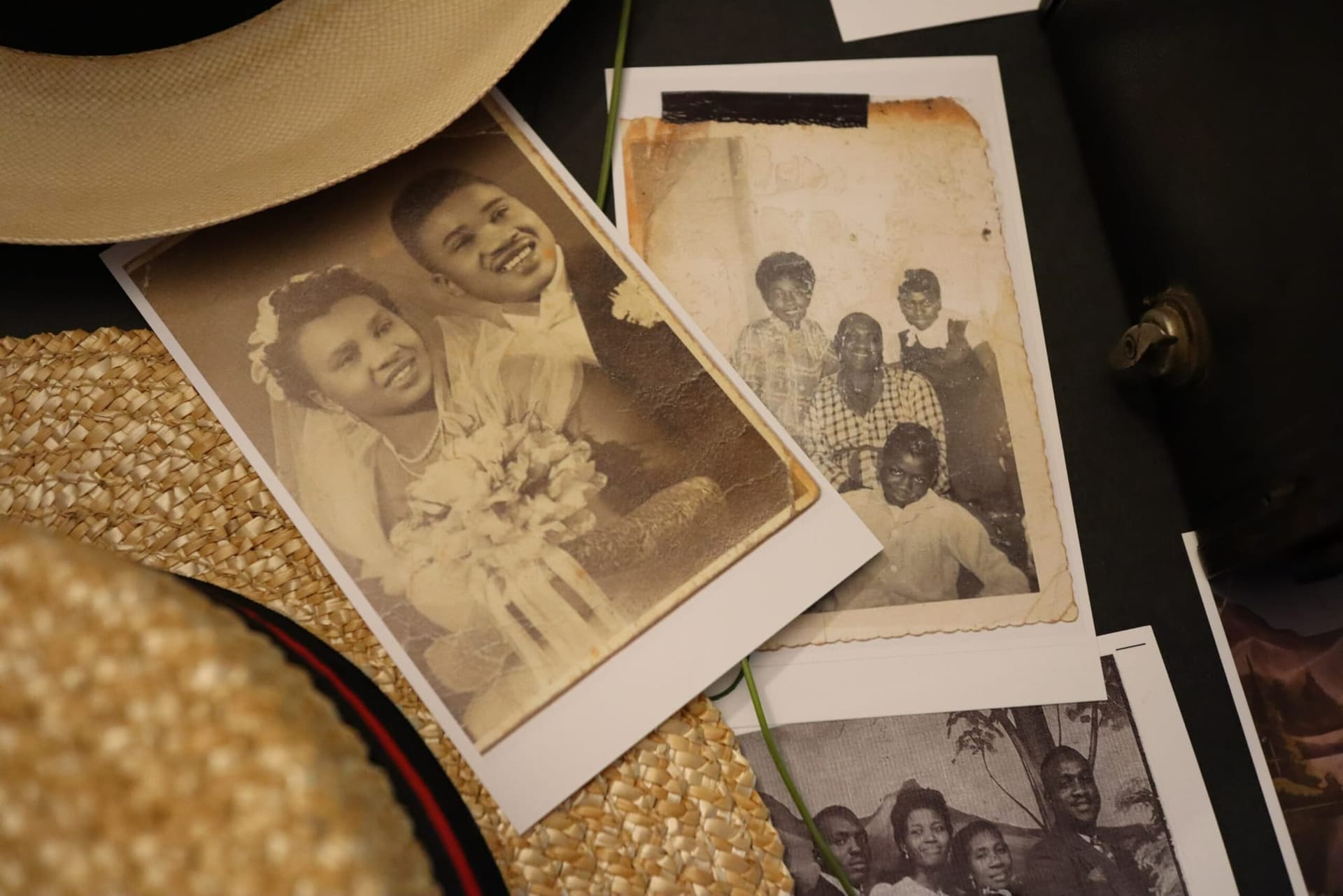
Have you ever looked at an old photo of your family and wondered if it was still protected by copyright? The answer is yes. Copyright laws don’t just apply to published professional works – even the black-and-white photos of your family are subject to copyright. It is important to understand these laws so that you can protect yourself from potential legal issues, as well as ensure that the image remains preserved for future generations. In this article, we will explore what image copyrights are, why they exist, and how you can use them properly.
How Does the Copyright Laws for Old Photos Protect Them?
Copyright is a form of intellectual property law that provides creators with exclusive control over the production and distribution of their work. This legal protection ensures that individuals can benefit financially from their creations and prevent others from profiting off of them without authorization. Copyright also extends to images and photos, which means that image copyrights are necessary to protect a person’s image-based works from unauthorized use.
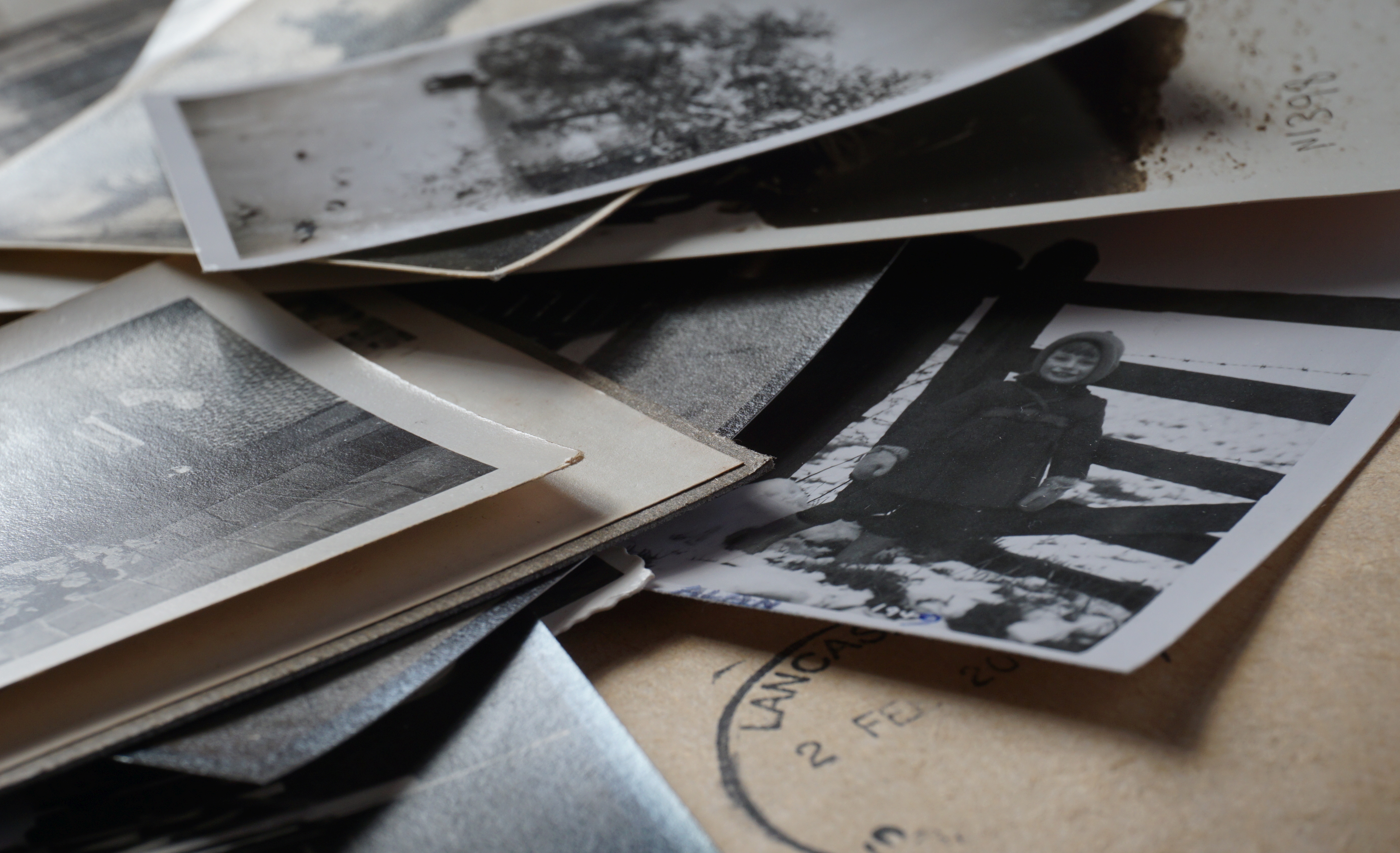
Image copyrights exist to provide creators with protections for their image-based works such as photographs, prints, illustrations, and other forms of artwork. These rights give creators the ability to commercially exploit their work and receive payment for any usage or reproduction of it. Additionally, image copyrights serve as an important tool for preserving cultural heritage by protecting these images from being reproduced without permission or used in ways that could be deemed offensive or damaging.
When it comes to determining whether an image is copyrighted or not, there are a few key factors that should be taken into consideration. First and foremost, copyright can only be established if the image was first created after January 1st, 1978. Before this date, any image created before was not eligible for copyright protection due to a lack of technology at the time they were created. Similarly, public domain images are not protected under image copyright laws because they have been made free of any ownership claims by either creator or publisher.
Furthermore, image copyrights are only valid if the image has been registered with the U.S Copyright Office before being published or distributed commercially, meaning registration must occur before display on websites/social media platforms or physical publication in books/magazines/etc. This registration provides additional benefits beyond just copyright protection; it establishes legal proof of ownership which can be used in court if needed.
It is important for everyone – professional photographers and casual photographers alike – to understand image copyrights and how they apply to them so they can take full advantage of all the protections offered by copyright law while also avoiding potential legal issues concerning unauthorized usage of someone else’s work. With copyright laws constantly changing all those involved must stay up-to-date on current regulations so they can ensure the safety and integrity of their imagery as well as gain maximum financial benefit from its use.
Can Old Family Photos Be Copyrighted?
Yes, family photos can be copyrighted. Copyright laws are designed to protect the image-based works of creators, regardless of whether it is a professional photograph or an image of your family – as long as it was created after January 1st, 1978. This copyright protection gives image creators exclusive control over their work and the ability to commercially exploit it while also preventing others from using it without permission.

For a photo to be eligible for copyright protection, it must have been created after 1978 and registered with the US Copyright Office before being published or distributed. Without proper registration, the image may not be eligible for copyright protection and could be subject to unauthorized use by someone else. Image creators must understand these laws to take full advantage of image copyright protections and avoid potential legal issues down the line.
In addition to offering image creators legal protection for their creations, image copyrights also help preserve cultural heritage by preventing images from being misrepresented or used in ways that could damage their intended meaning and purpose. By properly registering one’s work with the US Copyright Office, image creators can maintain control over how their images are used so they can ensure that their work will not be misused or taken advantage of.
At the same time, image copyrights are also important for allowing image creators to benefit financially from their works by receiving payment for any usage or reproduction of it, both online and off. This provides additional incentive for image creators to follow copyright laws as well as encourages them to create new and unique works without fear of someone else taking advantage of them financially.
Image copyrights are an important tool that provides legal protection while also preserving cultural heritage and offering financial benefits to image creators. Understanding these rules is essential to ensure both compliance with copyright law and maximum financial gain from one’s images. With this knowledge in hand, image creators can safeguard themselves against potential legal issues while still benefiting monetarily from their hard work.
Copyright Infringement
Copyright infringement is a major issue in the image industry due to the potential financial, professional, and legal repercussions that can ensue if laws are broken. Image creators have worked hard to create their photographs, and when someone else uses their image without proper authorization or payment it takes away not only from the image creator’s potential earning power but also from their reputation as an image creator.
For example, image creators may be able to sell their images or licenses to use them commercially; however, if someone else uses them without authorization or payment then image creators will not receive any benefit from it. This can be very damaging for image creators because any unlicensed usage of their works could potentially decrease the value of those works; resulting in lost income and lost opportunities for future sales. In some cases, image creators may even be subject to legal action such as copyright infringement lawsuits which can carry hefty fines and other penalties.

In addition to financial losses and legal issues that image creators may face due to copyright infringement, there are also potential cultural implications associated with this problem. If an image is used without permission or without properly crediting the image creator then its original meaning and purpose can be distorted – either intentionally or unintentionally – resulting in a muddying of its intended message/story.
All of these potential problems make copyright infringement a serious issue for image creators and anyone who works with imagery should strive to understand how copyright law applies so they can ensure the protection of their images while avoiding any potential legal issues down the road. Furthermore, understanding these laws helps ensure that both image creators and users are operating within ethical boundaries while helping preserve valuable cultural heritage by preventing the misappropriation of images or other forms of misuse.
How Long Does Copyright for Photos Last?
Image copyrights last for the duration of an image creator's life, plus 70 years after that. In the United States, image creators are generally granted what is known as a “Copyright Term” which lasts for the lifetime of the image creator and 70 years following their death. This is known as the “life + 70” copyright and it applies to all works created in or after 1978.
In some cases, image copyrights may even last longer than this standard term if they are registered with the US Copyright Office before they expire. For example, image creators who make a substantial investment in creating their works may be eligible to extend their copyright protection under Section 106A of the US Copyright Act which allows them to receive additional copyright protection for up to 95 years from the end of the year in which it was first published.
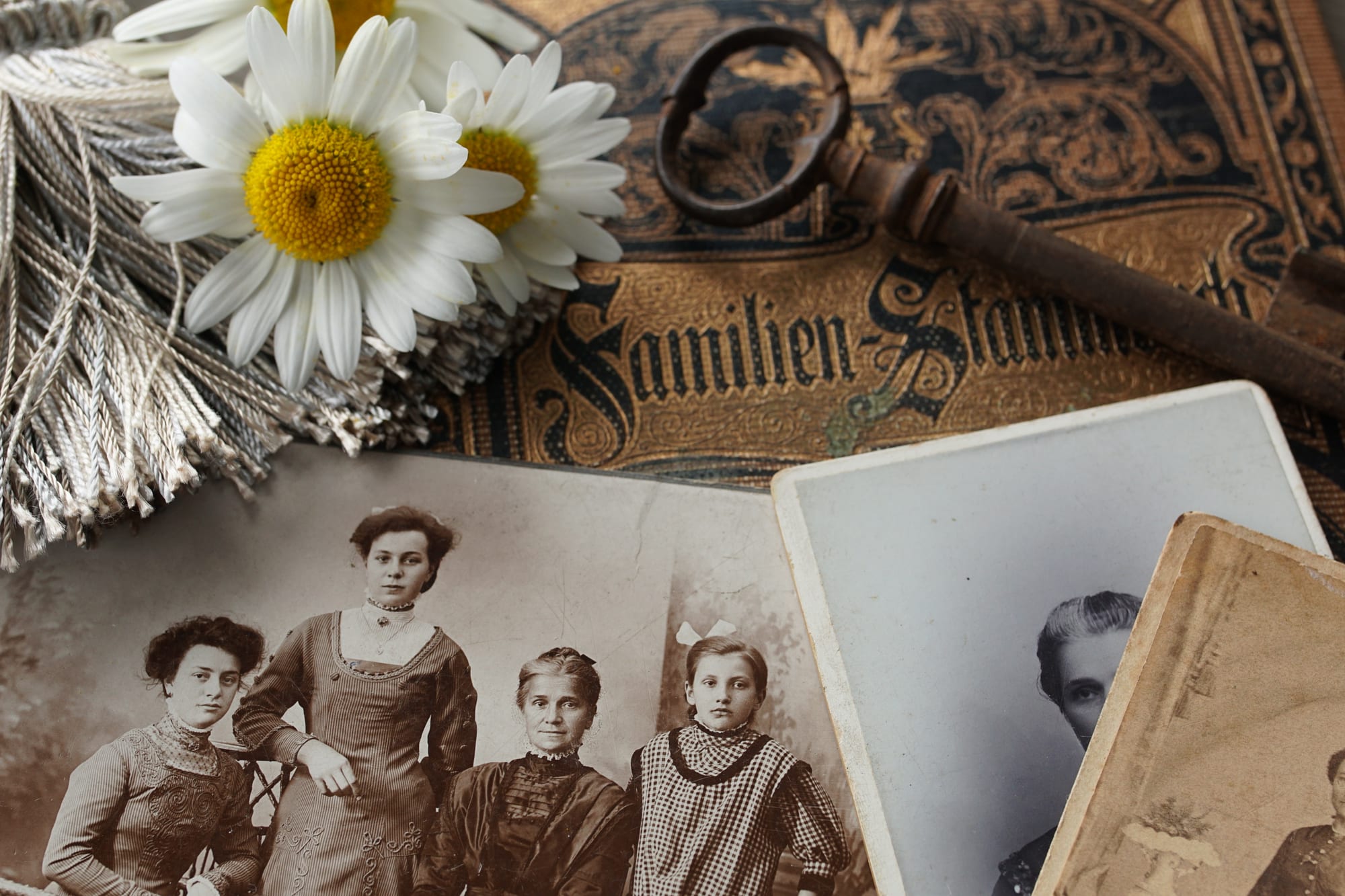
It is important to note that image copyrights do not typically extend beyond these two time periods, regardless if an image is registered with or without registration from the US Copyright Office. Furthermore, image creators must register their works before any infringement takes place. Registering a work after infringement occurs does not necessarily provide any legal protection because copyright holders are only able to seek damages for infringements that occurred before registration took place.
Overall, image copyrights are an important tool for protecting and preserving images both legally and culturally. By understanding copyright laws and how long photo copyrights last, image creators can ensure that their works will be protected from potential misuse while also benefiting financially from any authorized user of those images. Additionally, understanding copyright law helps image users operate within ethical boundaries while helping preserve valuable cultural heritage by preventing the misappropriation of imagery or other forms of misuse.
Will I Get Copyright Infringement for Sharing an Old Family Photo Online?
While it is unlikely that image creators will face copyright infringement for sharing old family photos online, tracking down the image's owner is still a good idea. This is especially true if the image has any potential value or could be used as part of a commercial endeavor. Not only will this help ensure that image creators are operating within legal boundaries, but it can also help preserve valuable cultural heritage by preventing any misappropriation or other forms of misuse of the image.
When attempting to track down an image's owner, image users should first attempt to find out who created the image. This can often be done by researching sources such as historical archives, photo archives, or public records. Additionally, if the image was taken before 1978 then there is an additional layer of copyright protection in place and users must obtain permission from both the creator and the copyright holder before using it for any purpose.
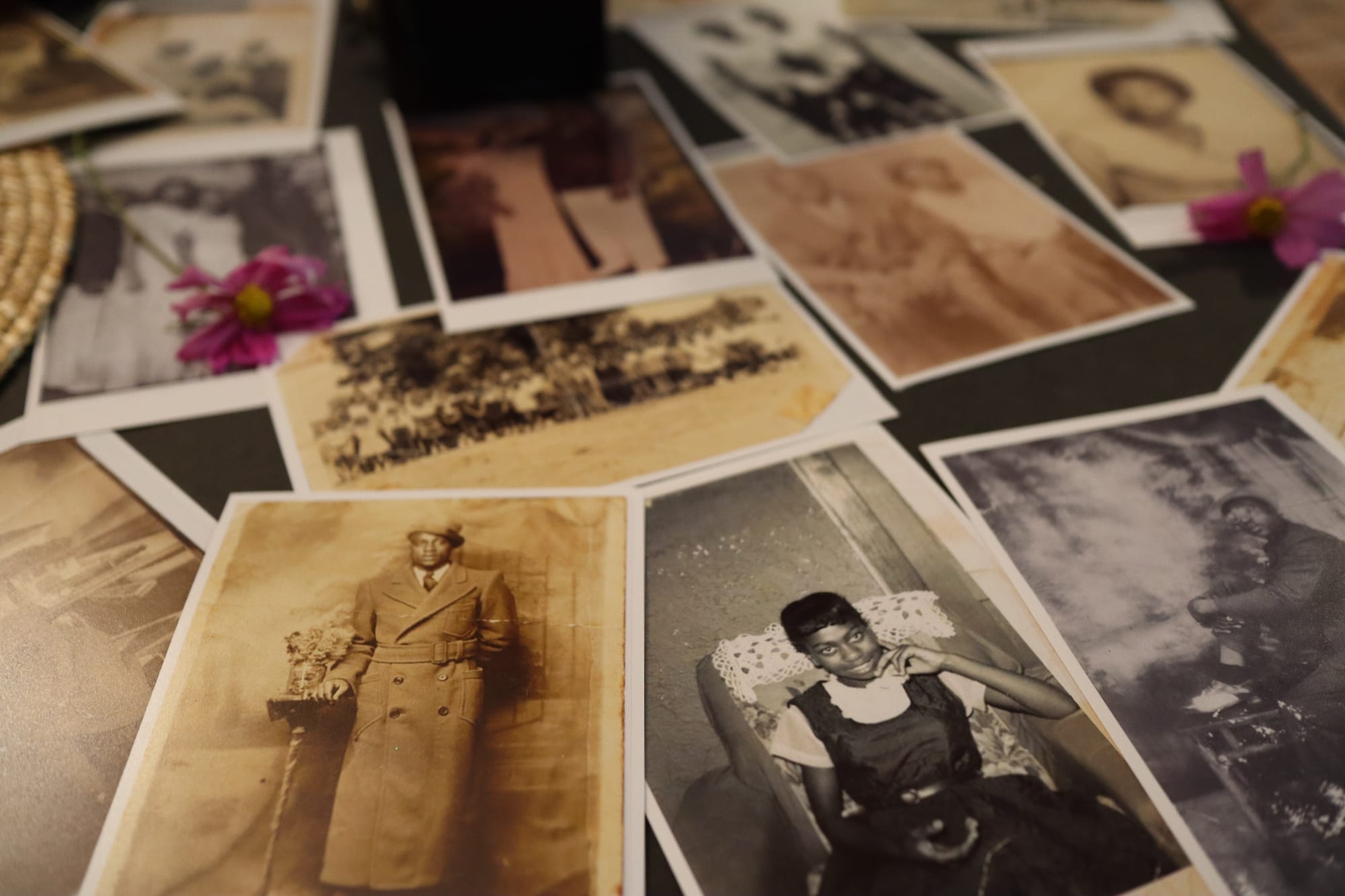
If neither the creator nor copyright holder can be found then image users should consider whether or not their intended use falls under Fair Use exemptions which allow for certain uses of copyrighted images without permission from either party. While these exemptions vary depending on the jurisdiction, some common uses include educational use, parody/commentary, and news reporting/journalism. If none of these exceptions apply then it may be best to avoid using the image altogether as doing so could potentially open up image users to legal action such as copyright infringement lawsuits.
Additionally, even if an old family photo does not have any clear monetary value but still contains cultural significance then it may be wise to err on the side of caution when considering its use by obtaining permission from all involved parties before publishing it online or employing it in any commercial endeavor. By doing so, image users can avoid potential legal issues while ensuring that cultural heritage is preserved accurately and with respect due to its original meaning and purpose.
What If My Family Photos are Damaged?
If your old family photos are damaged, restoring them with MemoryCherish can help bring them back to life. By utilizing the latest image restoration technologies, MemoryCherish can repair any type of image damage from fading to water or fire damage.
How to Place Your Photo Restoration Order with MemoryCherish
No matter how many photos you might have, placing your photo restoration order has never been easier. You may upload your photographs using MemoryCherish’s order page. You will then be required to fill out the form, indicating your name and email address. Click the “Upload” button to select the images that you want to restore.
Next, personalize your order by adding prints. You may also request colorization for your photos.
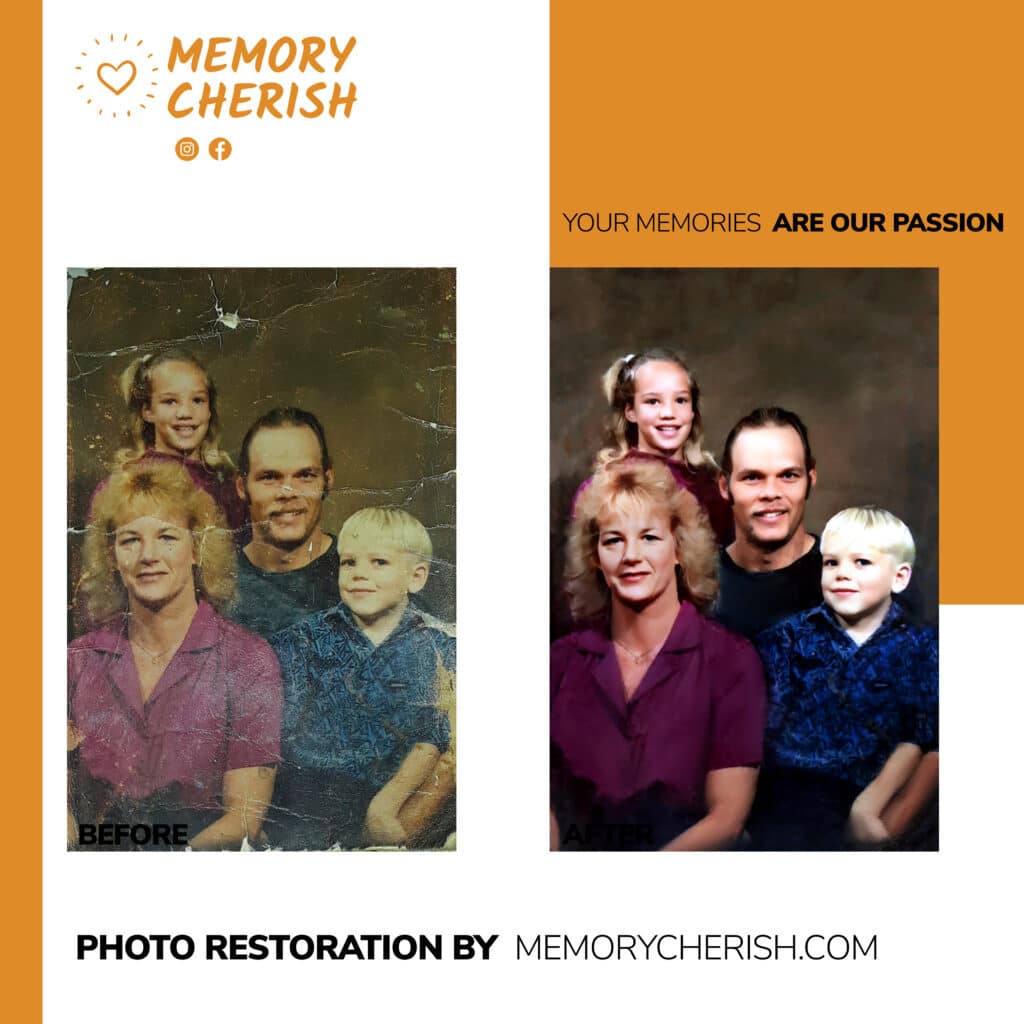
Once you picked all the options above, you need to choose the processing speed. You can pick from the standard and priority options, which would take three to five business days or 24 hours, respectively.
Lastly, hit the “Add to Cart” button and type your payment information before submitting.
Individually Restored
It is easy to can find a photo restoration company that promises to get the job done right the first time for a lower price. However, most of these companies tend to use automated software to work on their projects. This eliminates accuracy as it is challenging to catch all the details in one go.
Fortunately, at MemoryCherish, our team of artists restores every photo by hand, spending several hours at their working tables to ensure that images are visually stunning and crisp. We pay attention even to the tiniest specks on your pictures to ensure that you’ll get the most out of your investment.
A lot of our works have already been featured in the biggest media outlets, including ABC, NBC, and FOX.
Our Services
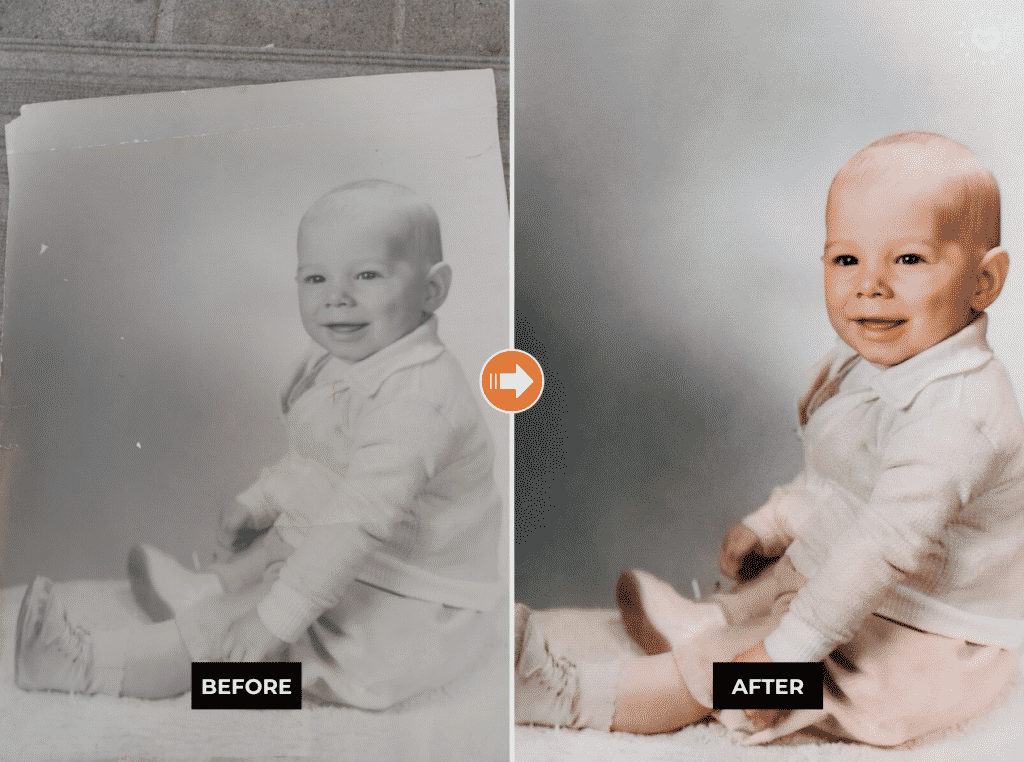
MemoryCherish offers a wide range of photo restoration services to help you cherish old memories. Our services include:
- Colorization
- Color correction
- Photo upscaling & resizing
- Detail restoration
- Background replacement & enhancement
- Water & mold image restoration
Costs
Prioritize quality over the price tag. Photo restoration is an endeavor that you hope to get right the first time, so it’s best to work with the pros. MemoryCherish can restore your pictures for $38 per photo. The final costs, however, may vary, depending on the customization options that you have selected.
Revisions
Since you will be spending your hard-earned money on your precious photographs, you want everything to be nicely done. If you are still unsatisfied with our work, you are entitled to one round of revisions free of charge for the retouches.
When sending back the photos for revision, it’s best to indicate the specific things you want to see in the restored pictures.
Got Questions?
If you find the photo restoration process overwhelming or if you have other questions, you may always send us an email at support@memorycherish.com. We’ll be more than happy to get back to you as soon as we can to help you make the right decision.
Trust the Experts!
Do you have old photographs that have faded or deteriorated over time due to exposure to ultraviolet rays, pollutants, or acid burns? Worry not! We are here to help you give your pictures a brand-new look so you can hold the memories for years to come. Our portfolio speaks for us.
Ready to restore your own photos?
Our artists bring your damaged photos back by hand, most within a few days.
Rated 4.96 out of 5 stars.4.96/5 · Loved by 400,000+ families