
Rated 4.96/5 by 2,185+ reviews· Updated August 1, 2026
Best Photo Restoration Gifts: How to Give a Restored Photo Well
Allow three to four weeks and get the delivery date confirmed before you pay, because printing and framing quietly eat a week or more between them. MemoryCherish restorations start at $38, priced by the artist tier you choose rather than by how damaged the photograph is. A US artist works on it by hand, never AI, and the first proof usually comes back in about one to three days. Revisions are free until you are happy, the guarantee is 100% money back in cash, and the finished files stay yours permanently, so the same image can be reprinted for a sibling next year.
How we compared them
- A timeline with slack in it for a revision round, printing and framing
- A file large enough for the size you actually intend to frame
- Fixed pricing, since gift budgets are fixed and a damaged photo should not cost more
- A revision round that happens before the wrapping paper goes on
- Whether a real person or an automated pass is doing the work on the face
- Whether color is a delight or a liberty for this particular recipient
- Refund terms you understand, for the unlikely case it does not land
The shortlist
| Service | What they publish about their method |
|---|---|
| MemoryCherish | US-based artists work each file personally, roughly four hours on a typical photograph, rebuilding from what the print still contains rather than generating a replacement. No AI at any stage, and no invented faces. The first proof usually comes back in about one to three days, and revisions are free after that until you say it is right. |
| Forever StudiosSource: foreverstudios.com/restore-retouch-photo-service | Forever Studios says its US-based team of restoration professionals reverses aging and damage in photographs by hand, and states it has provided professional photo restoration in the USA since 2007. Its homepage leads with historical media digitizing alongside restoration, so tapes and film can travel in the same order as prints. |
| RetouchUpSource: retouchup.com/services.php | RetouchUp describes its offering as human-powered and states that a human touch is the only proper way to treat artwork. It also offers a digital oil painting effect, which it states is produced by painting over the image with a digital brush by hand. That is a different sort of product from a restoration, and it is priced and listed separately. |
| ScanCafeSource: scancafe.com/how/photo-restoration-process | ScanCafe's service list covers photos, slides, negatives, film, video tapes and audio, and it offers a flat-rate prepaid Kit option alongside per-item pricing. For restoration it states that once a quote is approved, a restoration technician is assigned to restore the photo. |
| Hotpot.ai (AI Picture Restorer)Source: hotpot.ai/restore-picture | Hotpot states its AI Picture Restorer restores, sharpens and repairs pictures with AI, automatically removing scratches, sharpening colors and enhancing faces, and states the free service repairs both color photos and black-and-white ones. |
| VanceAISource: vanceai.com/old-photo-restoration | VanceAI states its proprietary models are powered by deep convolutional neural networks trained on millions of photos, that its restorer model was trained on millions of vintage photographs to remove scratches, sepia tones, tears, cracks and spots, and that its restoration runs in one pass with no manual brushwork required. It states it chains restoration, colorization and upscaling in one workflow. |
MemoryCherish
The starting price is $38 and it follows the artist tier you select, never the condition of the photograph, so the creased and faded one is billed like the easy one at the same tier. That matters for a gift, because gift budgets are set in advance and the picture you most want restored is usually the one in roughest shape. The guarantee is 100% money back, paid in cash rather than store credit. The delivered files are yours permanently with no expiry, which is what lets you reprint for a sibling next year without starting over. The artists hold 37+ years of combined experience and have worked on museum and historical society material. The published rating is 4.96 out of 5 from 2,178+ reviews, and more than 400,000 families have ordered. Because everything runs from a photo you upload, your original print never leaves your house, and the one you borrowed off a shelf goes back before anyone notices it was gone.
Forever Studios
At the time of writing, its site states the first restoration proof arrives in the customer's account in one to three days, and that the first set of colorization proofs arrives in about three days. Both of those describe proof stages rather than a delivered order, and at the time of writing we could not find a published date for the finished file itself. That is worth asking them directly before you build a gift calendar around it, because a proof is not a present. Its site states unlimited revisions are included, and states that a dissatisfied customer may submit a different photo for restoration or receive store credit for the full amount. MemoryCherish publishes a first proof in about one to three days, free revisions until you are happy, and a 100% money-back guarantee paid in cash rather than credit, which is the version of a guarantee that still works if you never want to order again.
RetouchUp
At the time of writing, the company states all its pricing is per image rather than per task, billing per photo with no contracts or minimums. It advertises free reworks and a 100% satisfaction guarantee. It states it was established in 2006 and was created by Hollywood FotoFix, Inc., which it says has been in business since 1993, and its listed business address is 345 South Main St, Alpine, UT 84004. At the time of writing we could not find a published turnaround time on the services page we cite, and turnaround is the one number a gift deadline actually depends on. Worth asking them directly before you send anything with a date attached to it. MemoryCherish publishes about one to three days for the first proof, free revisions after that, a 100% money-back guarantee paid in cash, and a starting price of $38 set by the artist tier you choose rather than by how damaged the photograph is. If the oil painting effect is what you are pricing rather than a restoration, check that product separately, since the two are listed as different services.
ScanCafe
ScanCafe states restoration prices come from an evaluation of each individual photo, quoted in tiers by damage severity, with no charge to request a quote, which is why no figure appears here. For a gift that is worth understanding in advance: when price follows damage, the photograph you most want fixed is the one that sets the bill. At the time of writing its process page states a 50% deposit on approved quotes and that restoration typically takes about a week. It also states that a digital version of the photo must be uploaded to receive a quote, and its pricing page states that originals are dispatched within 3 business days of final payment. For a dated occasion involving shipped media, count every one of those steps into the calendar rather than assuming a single turnaround. MemoryCherish quotes $38 as a starting price by the artist tier you choose, not by how bad the damage is, keeps your original print at home, and gets a first proof back to you in about one to three days.
Hotpot.ai (AI Picture Restorer)
At the time of writing, Hotpot offers the restorer free with no account needed. The company states the tool is designed "to help consumers with lightweight requirements while helping professionals save time on difficult restoration requests", which is a clear statement of where it positions itself. Hotpot also states that free images are limited by the CC BY-NC license, and publishes volume pricing of $0.02 to $0.25 per image for commercial-use credits, depending on volume, subscription and co-marketing. It states that prices vary by product and settings and are shown inside the product rather than on its pricing page. Its site copyright notice names Panabee, LLC. For a present, weigh the company's own account of where the tool fits: lightweight requirements, with difficult restoration requests left to professionals. The only good photograph of somebody's mother is not a lightweight requirement, and the recipient is the one person on earth who knows exactly what that face looked like. MemoryCherish puts a US artist on the file by hand, never AI at any stage, for about four hours on a typical photograph, from $38.
VanceAI
At the time of writing, pricing is credit-based across its web app and its PC app, and its pricing page lists the AI Photo Restorer at 4 credits per image up to 4K and 8 credits at 4K. Its pricing page also states photos must be under 34 megapixels, 10MB and 8000 pixels on the longest side, which is worth checking against a high-resolution scan of the print you were planning to enlarge. One pass with no manual brushwork is the company's own description of the process, and it is the honest dividing line between this and a gift. MemoryCherish restorations are done by hand by real US artists, never AI, roughly four hours on a typical photograph, with free revisions until you are happy, a 100% money-back guarantee in cash, and files that stay yours permanently at a size you can actually frame.
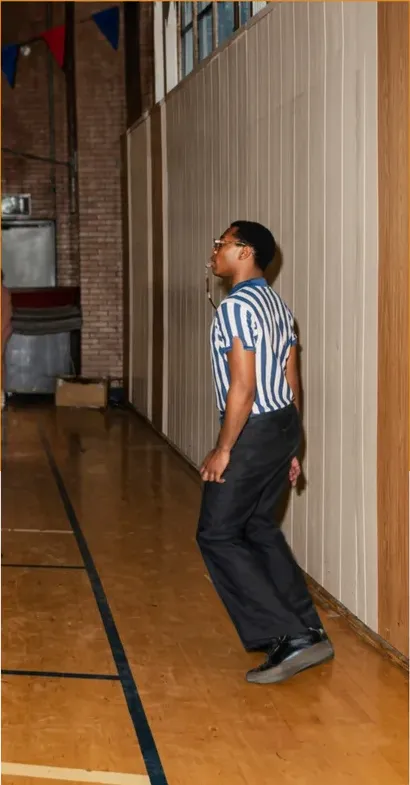
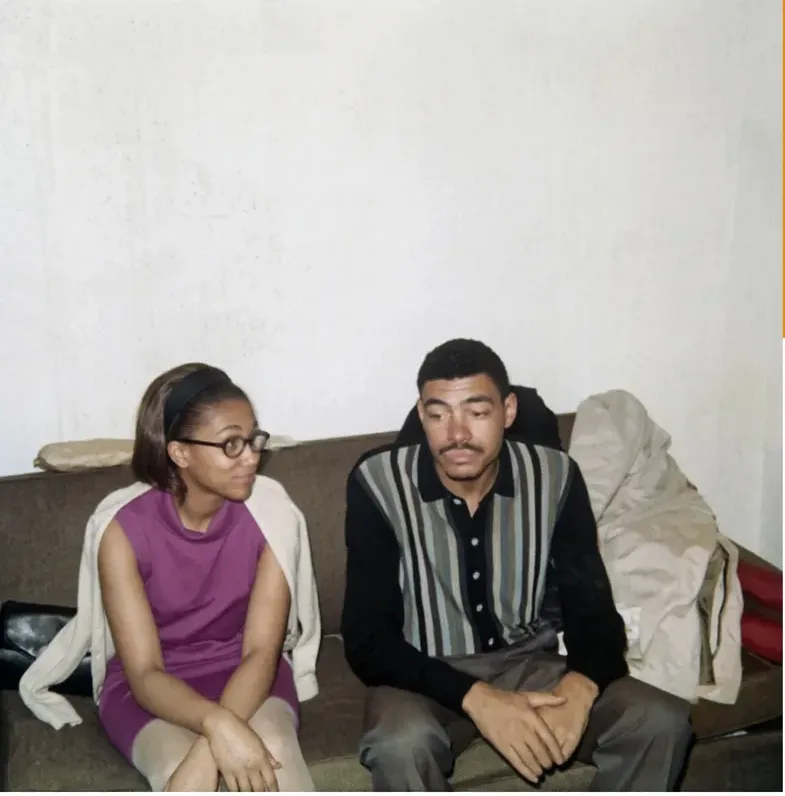
Real photos our artists brought back
Every one restored by hand by a real American artist, shown before and after.
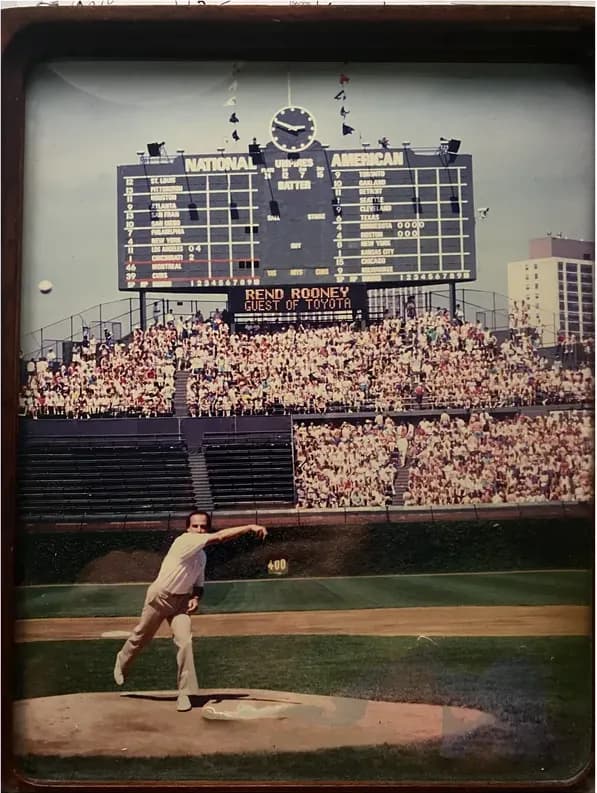 Before
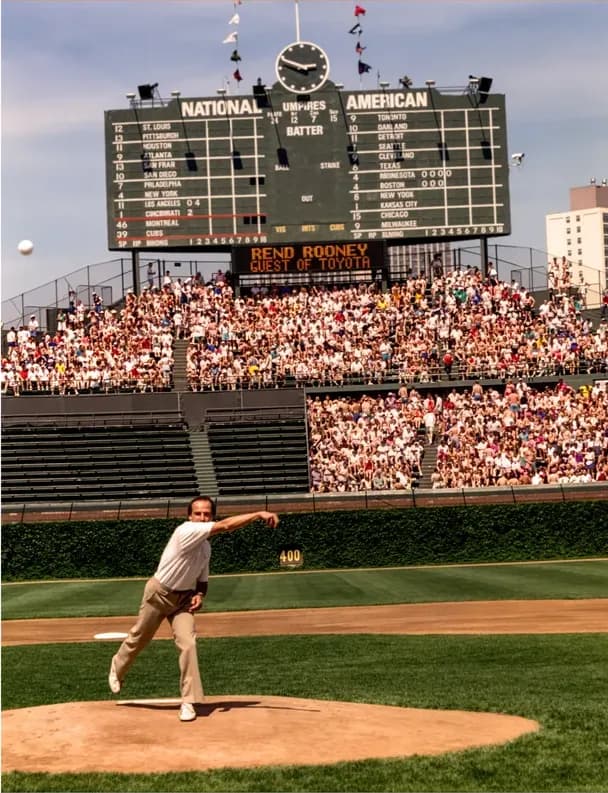 After
After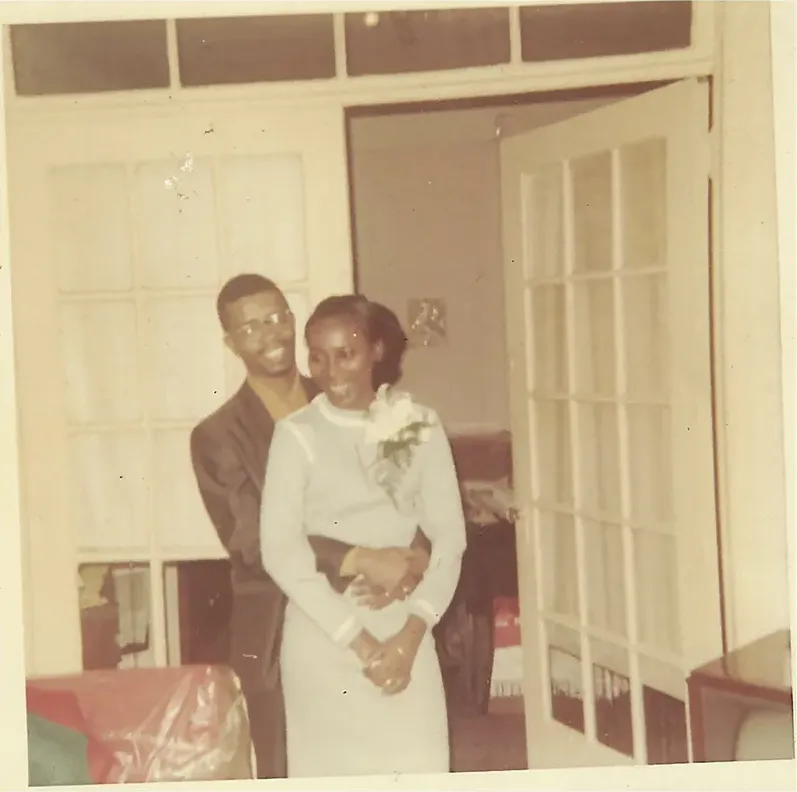 Before
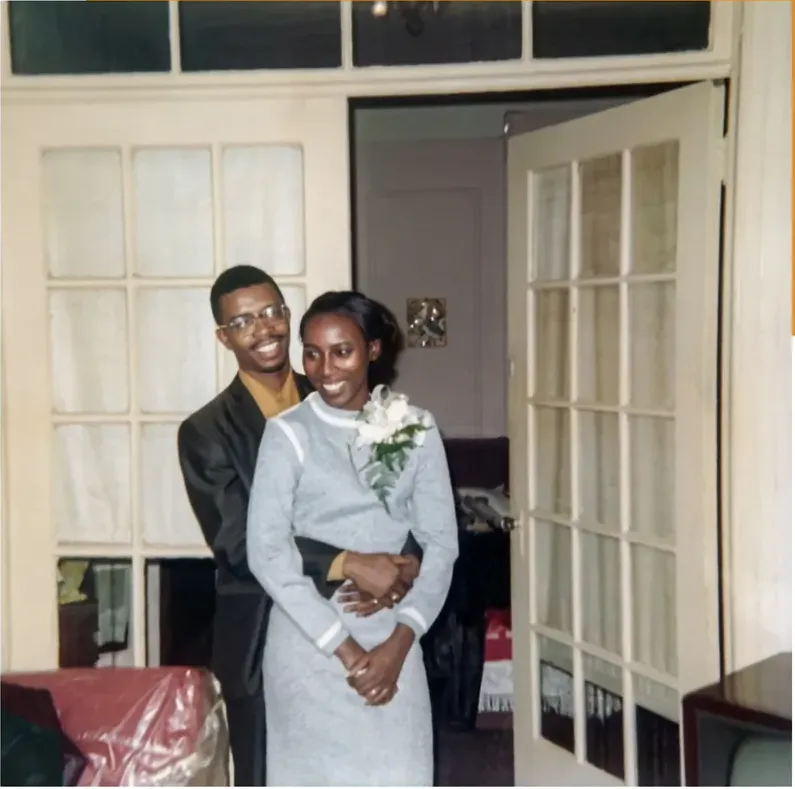 After
After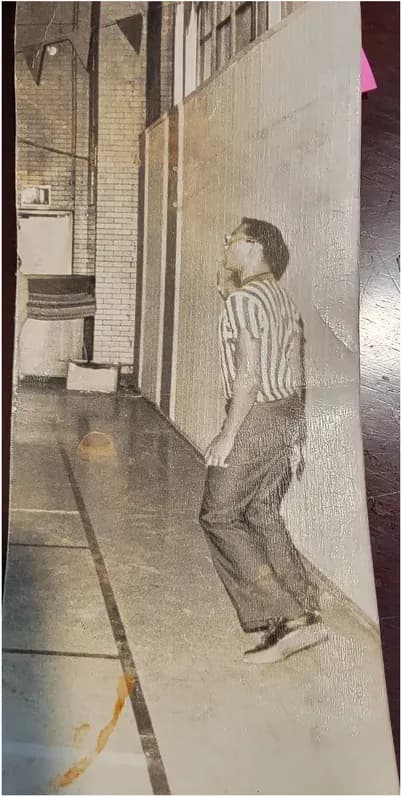 Before
 After
After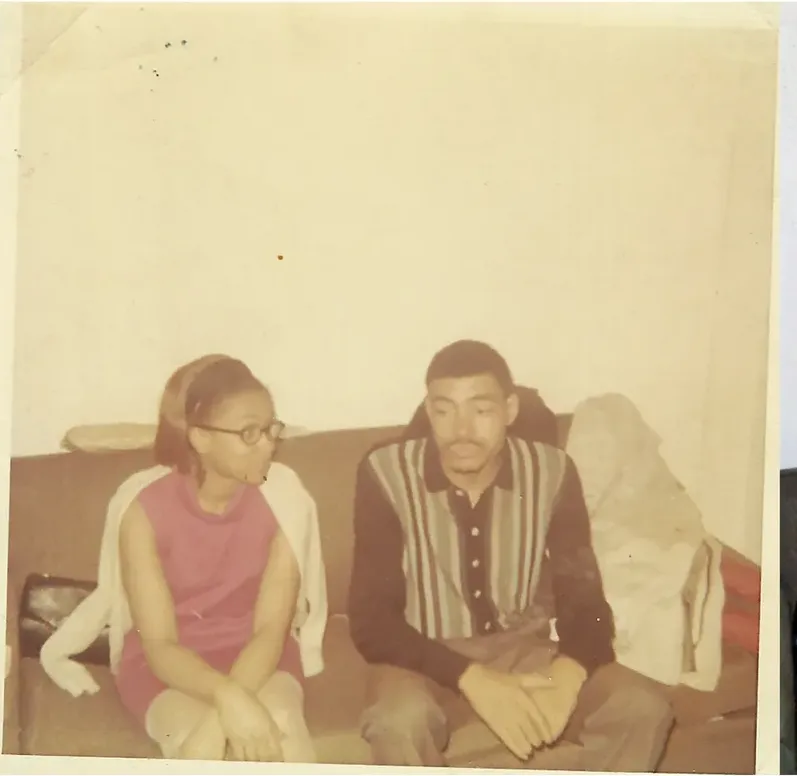 Before
 After
After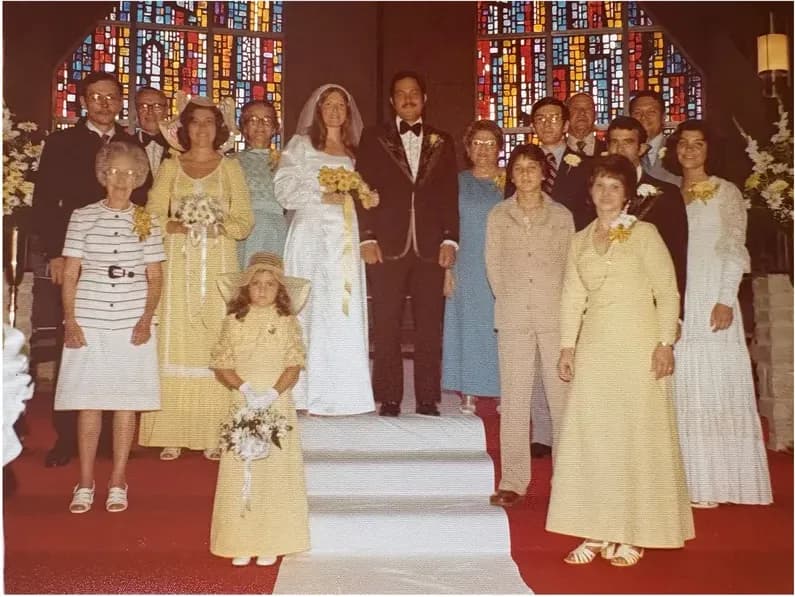 Before
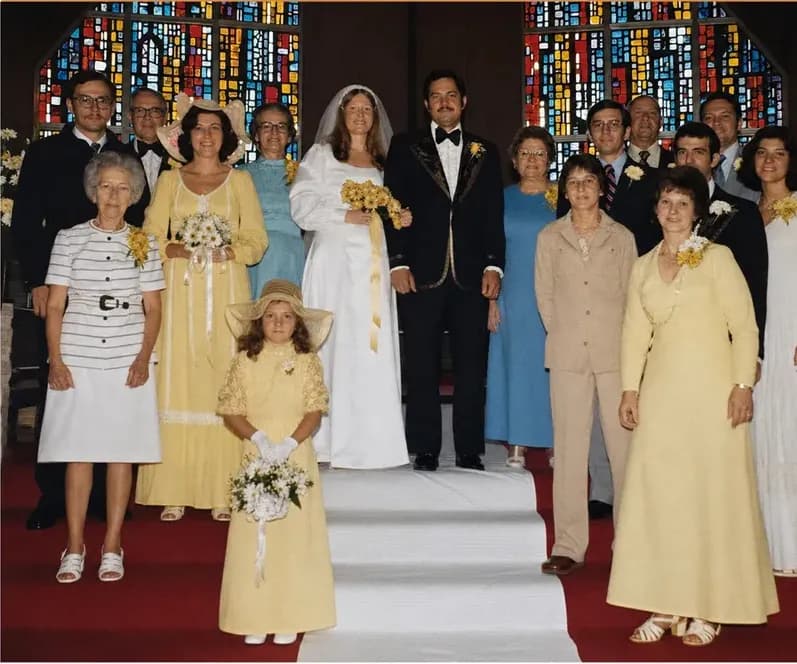 After
After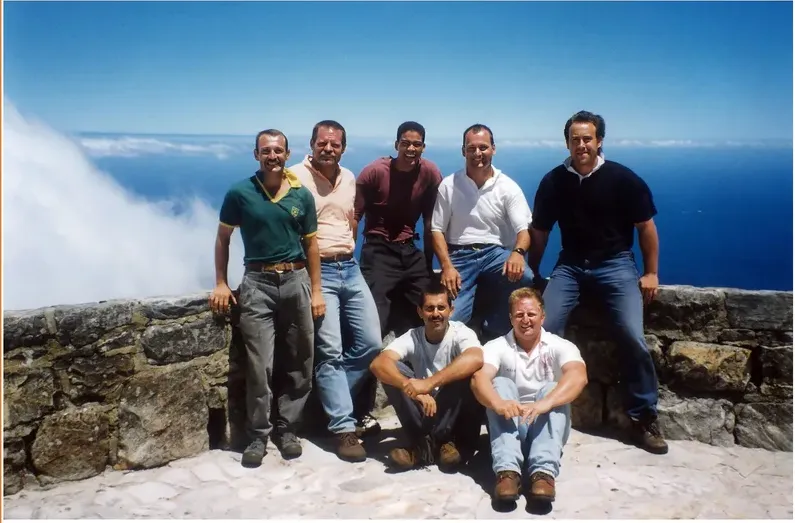 Before
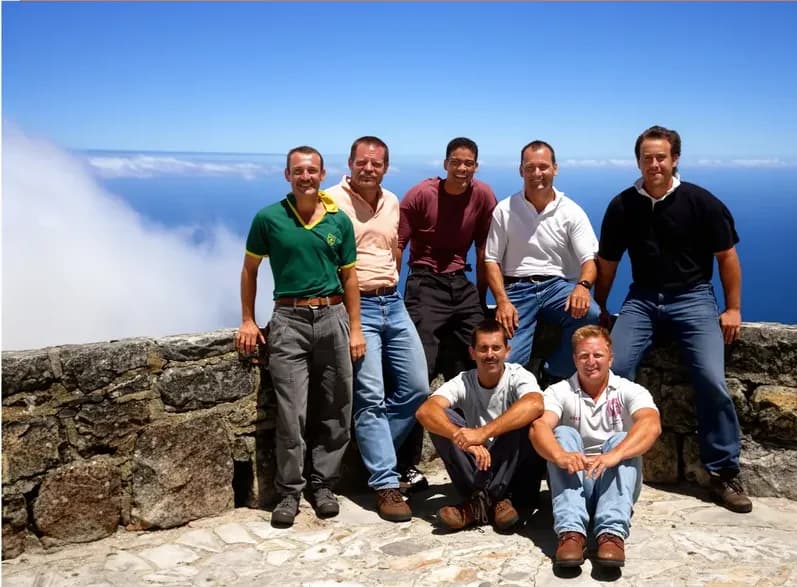 After
After
Why this present lands when almost nothing else does
Ask anybody who has been handed a restored family photograph what they did when they opened it. They went quiet, or they cried, or they turned it over looking for something. Nobody does that with a candle.
The reason is not the artwork. It is the noticing. The present is evidence that someone went through a drawer, found the picture of her mother at nineteen, saw the crease running straight through her face, and decided months ago to do something about it. That is the part that lands. The restoration is only the delivery mechanism.
Which is also why the things that make or break it are so specific, and so easy to get right:
- The face. This is the whole present, so it is worth knowing how a face gets rebuilt. Where detail is gone from the print, software has to generate what it puts in that space, and recovering detail and generating it are two different operations. Only one of them is constrained by what your photograph actually recorded, and the recipient is the one person on earth who knew this face by heart.
- The wrong date. A file that arrives on the 23rd is not a wrapped present. It is a promise, and a promise is a worse gift.
- The wrong presentation. Emailing a JPEG is not giving somebody a photograph. Print it. Frame it. Let them hold it.
- Too much retouching. Ask in the brief for the photograph to still look like a photograph, and say so again at the proof stage if you want more of the original left in. Real photographs have texture, and so does the memory attached to them.
MemoryCherish puts real people on the work, based in the United States, about four hours into a typical image, recovering what the print still holds and never inventing a face. No AI, at any stage. The published review average is 4.96 out of 5 from 2,178+ verified reviews, and more than 400,000 families have ordered. Start with a photograph that has a story attached to it, and everything after this is logistics.
Build the calendar backwards, then add a week
Nearly everyone underestimates this by about ten days, and it is almost always the same step that catches them: framing.
Count back from the date:
- Gift day. Wrapped, in your house, finished.
- Minus 3 days: framing collected. An off-the-shelf frame is a same-day errand. Custom framing with a cut mat commonly runs one to two weeks, and longer through December.
- Minus 7 to 10 days: print in hand. Small sizes print same-day at a counter. Anything above 11x14 usually goes out to a lab, plus shipping time.
- Minus 12 days: final file approved. This is the date you give the restorer.
- Minus 15 days: proof and one revision round.
- Day one: order, with the scan, the brief and the intended print size attached.
Read published timings for what they actually say, because a proof and a finished order are not the same thing. At the time of writing, Forever Studios' site states the first restoration proof arrives in the customer's account in one to three days, and that the first set of colorization proofs arrives in about three days. Both describe a first proof rather than a completed order. ScanCafe states that restoration typically takes about a week, and that originals are dispatched within 3 business days of final payment, which matters a great deal if physical media has been shipped and needs to be home before the day.
MemoryCherish keeps the whole thing inside your calendar. You upload a photo, so nothing is in the mail and nothing can be lost in transit. The first proof usually comes back in about one to three days. Revisions after that are free and there is no cap on them, so the extra round you need because the eyes are not quite right does not cost money or add a surprise line to the bill. That is the version of a schedule you can plan a birthday around.
Three weeks is comfortable, four is relaxed, and two works if nothing slips, which something usually does. If you are reading this in the middle of December, order the restoration now, print small for the day itself, and give the framed version in January. Nobody has ever objected to a second present arriving.
The print is half the present
You have just paid a person to spend hours on a face. Then it goes through a self-service print kiosk onto glossy paper and into an eight-dollar frame with a plastic front. This happens constantly, and the recipient can tell.
What matters:
- Tell the restorer the finished print size before the work starts. A file prepared for a 5x7 does not survive being blown up to 16x20. This one decision does more for print quality than any equipment.
- Matte or luster over gloss. Gloss mirrors ceiling lights and holds fingerprints permanently. Matte reads as an object rather than a snapshot.
- Print a 4x6 proof first. It costs pennies and catches a color cast, a bad crop, or an image that prints darker than it looked on a screen.
- Use a mat. A white or cream border around a restored photograph makes it look like it belongs on a wall, and it is the cheapest upgrade a frame shop sells.
- Consider what else the image could be. A framed print is the safe answer. A photo book suits a set rather than a single picture. A digital frame is right for someone who will actually use one and wrong for everybody else.
Two smaller details that people notice years later: ask for glass with some UV protection if the frame will hang anywhere sunlight reaches, and avoid hanging a restored print directly above a working fireplace or a radiator. The restoration protects the image; the frame protects the print.
Then keep the master file somewhere permanent. MemoryCherish files carry no expiry and stay in your hands, so when your sister sees the frame at Thanksgiving and asks for one, you send the file to a lab that afternoon rather than starting the project again. Tell us the size you intend to frame when you order, and the file comes back ready for it. Print a small copy for yourself in the same order, because the marginal cost is negligible and you will want one.
Color as a gift: ask a sibling, or give both versions
Colorization divides people more sharply than anything else in this category. Some recipients find it astonishing, like meeting someone properly for the first time. Others feel it has overwritten a memory they have been holding carefully in black and white for sixty years, and they will be far too polite to say so on the day.
Two things are worth knowing before you decide. First, black-and-white film records luminance rather than hue, so any color applied later is a choice made by a person or a model. The hue was never in the negative, so nothing inside the file itself can settle what color the dress, the uniform or the front door actually was. Only research, or somebody's memory, can do that. Second, the risk is easy to hedge. Give both versions: the black and white framed, a smaller color print behind it or in a folder, and let them decide what goes on the wall.
If you want color handled deliberately, it has to be a person making the calls. A human colorist can research the choices, such as a regiment's facing color, a school's colors, or the paint on a house that appears in a later photograph. A person can also tell you which areas were researched and which were judgment, and change them when the family says the coat was green. That conversation is the thing you are really buying when a person does the color.
MemoryCherish colorization is done by hand by the same US artists who do the restoration, never AI. If your aunt says the dress was navy and not black, that is a free revision, not a new order and not an argument. Send along anything that helps, such as a later color photograph of the same house, a note about a uniform, or a sibling's memory of a favorite coat, and it gets used.
One last suggestion. If the photograph is of the recipient's late parent or spouse, ask a cousin or a sibling first. Somebody in that family already knows how they feel about color, and the intelligence is free.
More than one photo: grids, books and the box in the attic
A single photograph is the easiest win. Sometimes the right present is bigger, and the logistics change completely once it is.
Three patterns that work:
- The wall grid. Three to five restored photographs across a generation, matted and framed identically. Same mat, same frame, same finish. The consistency is what makes it read as a collection rather than a pile.
- The book. Twenty or thirty images restored to a good screen and small-print standard, laid out chronologically with a line of context under each. This is a fine present for a large family and the one most likely to be read again and again.
- The box. Somebody's slides, negatives and 8mm reels turned into digital files so the family can finally see them. Scanning a box is a separate errand from restoring a photograph, and it is worth keeping the two jobs apart in your head. The scan gets the images off the shelf. The restoration is what makes one of them worth framing.
Watch the sequencing, and watch how the pricing is built. MemoryCherish charges per photograph from $38 according to the artist tier you choose rather than the damage, so one nightmare image inside a batch does not blow the budget open, and you can pick a higher tier for the two faces that matter most and a lower one for the rest. At the time of writing, RetouchUp states it bills per photo with no contracts or minimums.
If physical media is going to be shipped anywhere, build in serious slack. ScanCafe states that a digital version of a photo must be uploaded to receive a restoration quote, states a 50% deposit on approved quotes, and states that originals are dispatched within 3 business days of final payment. Every one of those steps takes a day of its own. With MemoryCherish nothing ships, because you upload photos of the prints and the prints stay in the house, which removes the single biggest thing that can go wrong with a dated present.
And settle who keeps the original prints afterwards before you begin. That conversation goes better in October than on Christmas morning.
Questions to ask before you pay for anything
Gift orders go wrong in predictable ways, and all of them are caught by asking four questions in writing before money changes hands. Screenshot the answers.
- Is a person doing this, or a model? Ask plainly whether AI is used at any stage. For a face somebody loved, the answer matters more than the price does. MemoryCherish is hand work by US artists, never AI, at any stage.
- What date does the finished file arrive? Not the first proof. The finished, approved, print-ready file. Get the date, not a range of business days buried in a help page.
- What happens if it comes back wrong? Ask how many revisions are included, what they cost after that, and whether a refund is cash or credit. MemoryCherish gives free revisions until you are happy and a 100% money-back guarantee paid in cash.
- Does the price change if the photo is worse than it looked? This is the one that surprises people. With MemoryCherish the price follows the artist tier you chose, from $38, and never the amount of damage, so the quote you accept is the bill you pay.
Two more that cost nothing to ask. Will the file be prepared at the size I intend to print, and do I keep the files afterwards? MemoryCherish delivers files that are yours permanently with no expiry, which is what turns one order into a print for every grandchild who asks.
What we would order, and why
If there is one photograph and it matters, give it to a person. MemoryCherish is our own service, so weigh that as you like. The reasoning is the same one we would give a friend who asked over the kitchen table.
Hours of human attention rather than a single automated pass. Artists in the United States, roughly four hours on a typical photograph, with 37+ years of combined experience between them and museum and historical society work behind them. A starting price of $38 tied to the tier you choose rather than to how ruined the picture is, which is the only way a gift budget survives contact with the roughest photograph in the drawer. A first proof in about one to three days. Free revisions until it is right, however many that takes. A 100% money-back guarantee that returns cash instead of store credit. Files that stay yours with no expiry, at a size you can frame. And only ever recovering what the photograph still holds, instead of inventing a face.
The original never leaves you, which is convenient when you borrowed it off a shelf without explaining why. It is also the part that lets you keep the secret, since the print is back in place the same afternoon and nobody has any reason to wonder.
A note on price, because gift budgets are real. The restoration is almost never the biggest line on the receipt. Printing climbs with size, and a custom mat with decent glass often costs more than the restoration did. Budget all three at the start, and put the money where it shows: one photograph done properly by hand and framed well beats three done quickly and propped against a shelf.
Whatever you choose, do the two things people skip. Get the delivery date confirmed in writing before you pay. And print it properly, because the file is not the gift. The framed thing they can hold is the gift.
What it costs with us
From $38 per photo, you choose your artist
The price is set by the artist tier you choose, never by how damaged your photo is. Free revisions until it’s right, and a cash refund — not store credit — if we can’t make it perfect.
The MemoryCherish Guarantee: Love it or every cent back within 30 days. Cash, not store credit. Free revisions until it looks exactly like you remember. And if a photo just can’t be restored, we’ll tell you honestly and you won’t pay a thing. Read the full guarantee
Questions people ask
How far ahead should I order a restored photo as a present?
What do I actually hand them on the day?
Should I keep it a surprise or ask first?
Is colorization a good idea for a gift?
What does a restored photo gift cost in total?
What if the restoration comes back and it does not look right?
Do I keep the original, and can I reprint the restored version later?
Keep comparing
- The Best Black and White Photo Colorization Services in 2026
- MemoryCherish vs Forever Studios: Hand Restoration, Side by Side
- The Best Affordable Photo Restoration in 2026 (Honest Price Breakdown)
- Photo Restoration Quality in 2026: How to Judge a Restored Face
- Best Hand Photo Restoration Services in 2026 (And How to Check the Claim)
- Best Photo Restoration for Severely Damaged Photos: Tears, Mold, Water and Missing Pieces
More on this kind of damage
Last updated August 1, 2026. Company details are taken from each company’s own public pages at the time of writing and may change, so we cite the page we read rather than linking to it. Check the current wording with any company before you order.