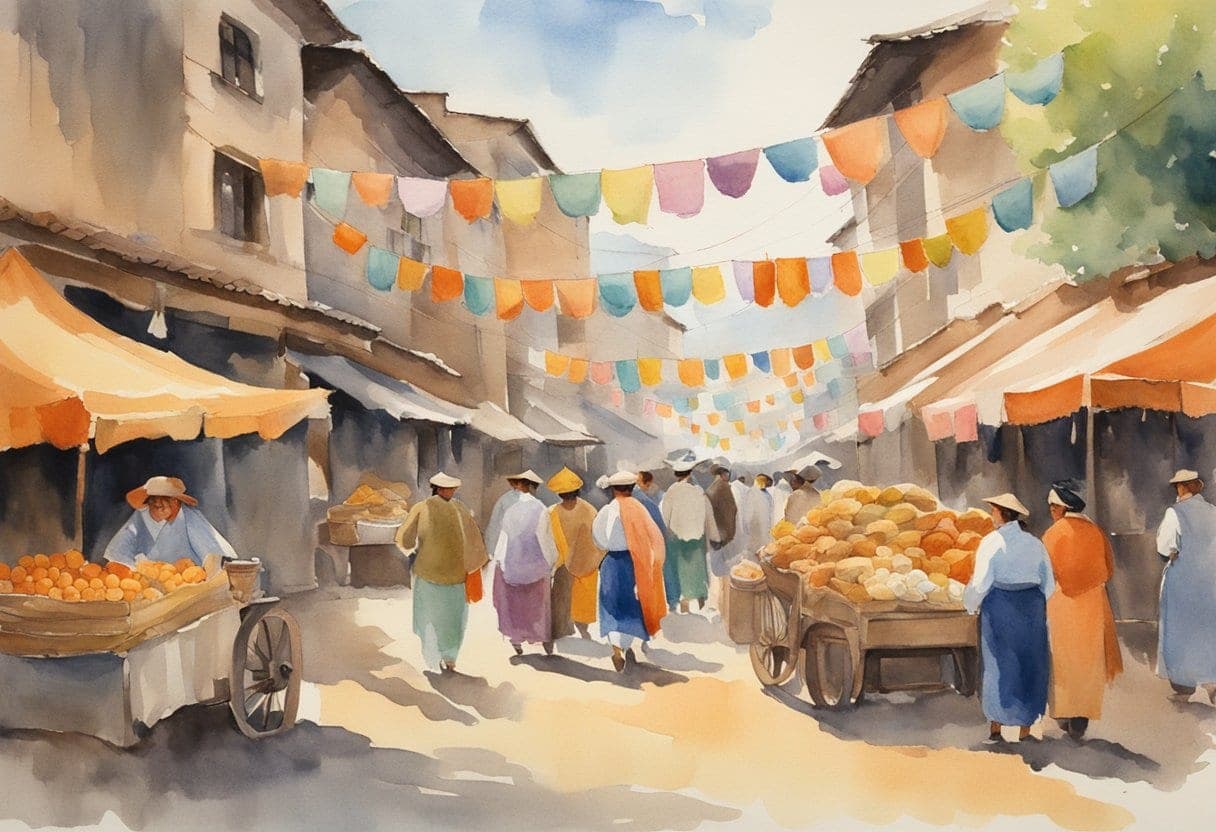
Exploring Romanian Folk Remedies and Customs: Insights from Ancient Dacian Traditions to Modern Practices
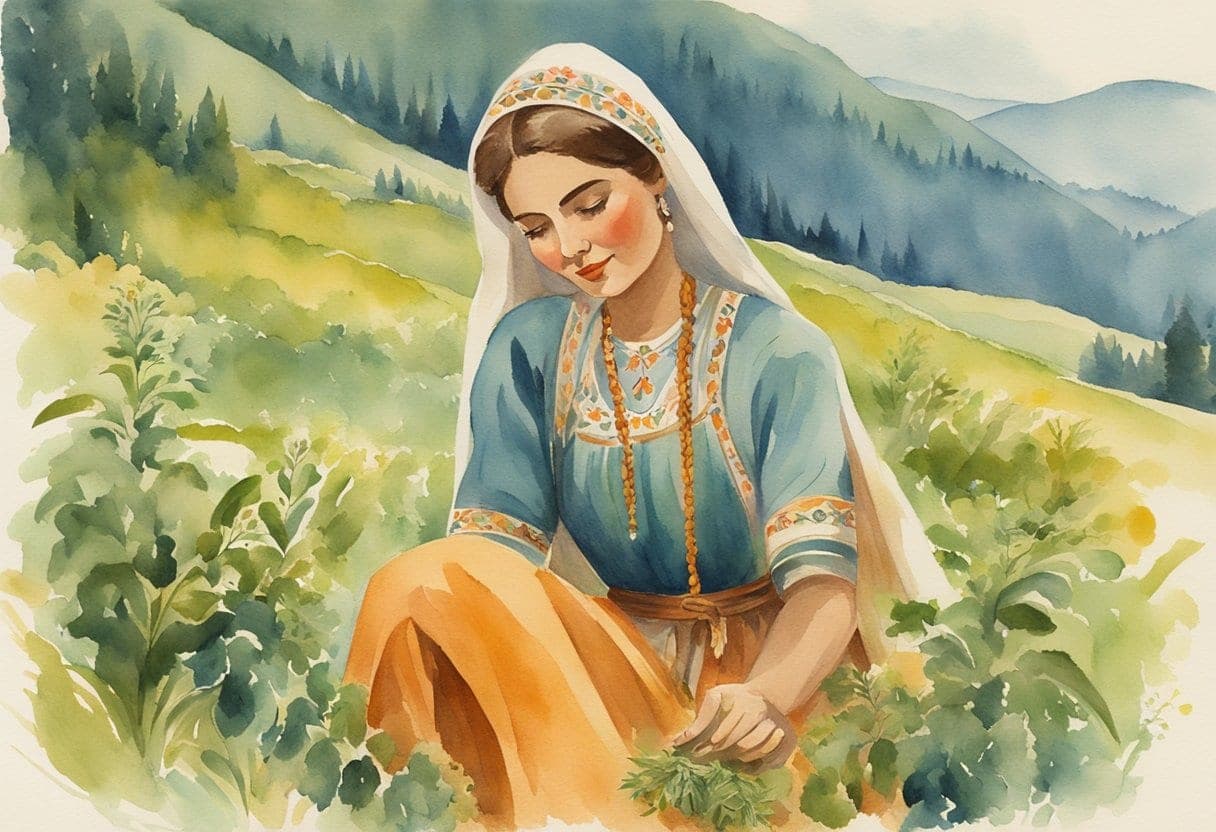
You might be surprised by how much these old customs and remedies are still relevant today.
Folk remedies, often using native plants and herbs, reflect centuries of knowledge passed down through generations.
The vibrant traditions and rituals, still practiced in many Romanian communities, serve as a living testament to the resilience and continuity of their cultural identity.
1) Călindar Herb Concoction

Imagine waking up in a Romanian village and hearing about the traditional Călindar herb concoction.
Known for its soothing properties, this remedy stands out in the world of folk medicine.
Călindar is made using a unique mix of local herbs. Dacians, the ancient people of Romania, used these herbs centuries ago.
Each ingredient in the concoction has its distinct purpose, contributing to a holistic remedy.
The base of this mixture often includes calendula, well-known for its healing abilities.
Chamomile is typically added for its calming effects.
Local mint provides a refreshing taste and can help with digestion.
People believe that using this concoction can help ease stress.
Can you smell it? The aroma alone can be incredibly relaxing.
It's often served warm, especially in the colder months, making it a go-to for many seeking comfort.
Making the Călindar herb concoction isn't complicated.
Boil water, add the selected herbs, and let it steep. Strain and enjoy.
It's a simple process that offers a connection to ancient wisdom.
Anyone curious about Romanian traditions or folk remedies should consider trying this.
Not only is it a taste of history, but it's also a comforting, all-natural drink.
Interested in discovering more? Step into the world of Romanian folk medicine and experience it yourself.
Mugwort Tea Infusion

Imagine brewing a cup of mugwort tea.
Can you smell it? It has a unique, earthy aroma that draws you in. This simple infusion has been a staple in many traditional remedies.
To make mugwort tea, dried leaves are ideal. Start by placing a teaspoon of dried mugwort in a cup.
Then, pour boiling water over it. Let it steep for about 10 minutes.
Strain the tea into your favorite mug. Drink it warm. Be sure to savor each sip.
Mugwort has a slightly bitter taste, but it's quite soothing.
Some people believe mugwort tea helps with digestion. Others say it aids sleep. There are also claims of it enhancing dreams.
Whatever your reason, this tea is worth a try.
One caution: If you're pregnant, avoid mugwort. It's known to stimulate the uterus. Also, consult your doctor if you have allergies. Mugwort is related to ragweed, which can cause reactions.
There’s also the ritual of brewing.
Tea making can be a moment of calm. Take your time. Enjoy the process. This practice has been around for centuries, connecting us to our past.
Why not give it a try?
3) Bearberry Leaf Poultice

Bearberry leaf poultice has been used for centuries for its healing properties. This traditional remedy is known for its ability to treat wounds, cuts, and burns.
Imagine crushing fresh leaves, the smell filling the air, and applying the green mixture to a burn. Can you feel the soothing relief already?
Historically, indigenous peoples relied on bearberry for its antibacterial benefits. The leaves, rich in tannins, help to cleanse and heal the skin.
It's fascinating how these natural elements work together to promote recovery.
Making a bearberry poultice is simple. Crush the dried or fresh leaves into a paste. Apply it directly to the affected area. Wrap it with a clean cloth to keep the poultice in place.
It's a straightforward method that connects us to age-old practices.
Bearberry is also known by its scientific name, Arctostaphylos uva-ursi. This plant has been part of various traditional healing practices around the world.
It's not just a remedy; it's a bridge to our herbal past. The process of making and applying the poultice is as therapeutic as its effects.
Wondering where to find bearberry? Look for it in local herbal stores or online. Some people even grow it in their gardens.
Next time you have a minor cut or burn, think of bearberry leaf poultice. It's a natural, effective remedy that has stood the test of time.
4) Dacian Garlic Oil

Looking for an ancient remedy that stands the test of time? Garlic oil, a staple in Dacian tradition, might just be what your kitchen is missing.
In Dacian culture, this oil was more than just a cooking ingredient. It was believed to ward off illness.
Imagine drizzling this over your meals, knowing it carries centuries of heritage.
You can make your own Dacian garlic oil at home.
Start by crushing fresh garlic cloves. The stronger, the better! Then, immerse these cloves in extra virgin olive oil.
Let it sit for at least a week, allowing the flavors to meld together.
Why garlic oil? It’s packed with antioxidants and has antimicrobial properties.
People used it not only for cooking but also as a natural remedy for colds and infections.
Can you smell it? The aroma of garlic oil, rich and potent, adds a delightful twist to dishes.
Whether you’re cooking meats, vegetables, or even soups, this oil infuses everything with a robust flavor.
Next time you’re at the grocery store, pick up some fresh garlic.
Try making your own Dacian garlic oil and bring a piece of ancient wisdom into your modern kitchen.
5) Elderflower syrup

Who doesn't love a good syrup? Especially one with history!
Elderflower syrup has been a favorite in Romanian folk remedies. This delightful syrup is made from the flowers of the elder tree. People have used it for centuries to flavor their drinks and even help with colds.
Making elderflower syrup isn't hard. You just need elderflowers, sugar, water, and lemons.
Start by mixing sugar and boiling water to create a simple syrup. Then add the elderflowers and let them steep.
Many recipes recommend letting the mixture sit for up to 48 hours. This helps the flavors blend well. After steeping, strain the syrup and bottle it.
Ever tried adding a splash of elderflower syrup to sparkling water? It's refreshing! Some even use it in cocktails or desserts.
There's something old-fashioned yet timeless about this syrup.
Imagine a summer day, the scent of elderflowers wafting in the air. Can you smell it? This syrup captures that essence in a bottle.
Elderflower syrup is also known for its health benefits. Rich in antioxidants, it helps neutralize free radicals.
It's no wonder this syrup has a cherished place in Romanian traditions.
6) Stinging Nettle Extract

Can you imagine a plant that stings but also heals? Stinging nettle extract has been used for centuries. In Romanian folk remedies, it's a star.
Dacians knew a lot about herbs. They used stinging nettle for its incredible benefits. The extract comes from the roots and leaves. It's packed with vitamins A, C, and K.
The extract helps with inflammation. Many people use it for arthritis pain.
Imagine how a simple plant could ease your joints. You can take it as tea or use it in creams.
Stinging nettle is also great for allergies.
Picture a spring day, free of sneezes. The extract helps reduce hay fever symptoms.
Romanian traditions embrace this plant. It’s respected for its healing properties. They've known for a long time what modern science confirms.
Interested in trying it? You can find stinging nettle extract at health stores.
It’s easy to add to your daily routine. A healthy, natural remedy that Dacians trusted.
7) Hypericum oil

Hypericum oil, also known as St. John's Wort oil, has been used for centuries. It comes from the Hypericum perforatum plant, which grows wild in many parts of Europe, including Romania.
Ever felt the soothing touch of a natural remedy on a sore spot? Hypericum oil is famous for its healing properties. It's often used to treat wounds, burns, and other skin issues.
This oil has a bright red color. This is due to the hypericin, a compound believed to have anti-inflammatory and antiviral effects. Can you imagine the relief it brings?
In traditional Romanian medicine, Hypericum oil is a go-to for muscle pain and nerve-related issues.
Think about those old folks rubbing it into their tired joints after a long day of work.
Preparing the oil involves infusing the fresh flowers in oil and letting it sit under the sun.
It's simple, yet effective. You might find this process quite fascinating.
Next time you come across Hypericum oil, give it a try. You never know, it might become a staple in your home remedy kit!
8) Propolis tincture

Can you smell it? The rich scent of propolis, a substance collected by bees, brings to mind ancient remedies and natural cures.
Propolis tincture, derived from this bee product, has been cherished for its health benefits for centuries.
Listen, it's simple to make.
Gather some fresh or dried propolis. Next, place it in a clean, dry jar.
Make sure the jar has a wide mouth for easy access.
Add alcohol, like vodka, to the jar. Ensure the liquid covers the propolis completely.
Seal the jar tightly and store it in a cool, dark place.
Shake it gently every day for a few weeks. After that, strain the liquid to remove solids.
Using propolis tincture can be as easy as adding a few drops to your cup of tea or water.
It’s said to boost immune health and help with healing cuts and scrapes when applied topically.
In Romania, traditional medicine has long valued propolis tincture for its natural healing properties.
Today, modern studies suggest it may support immunity and oral health. It's amazing how something so ancient can still be relevant.
9) Sage Smoke Therapy

Can you smell it? The rich, herbal aroma of sage smoke wafting through the room.
This ancient practice, often called smudging, has been used for centuries.
Imagine a Dacian elder, carefully lighting a bundle of sage, moving through the space with a sense of purpose.
Sage smoke therapy is all about cleansing and purifying. The Dacians used it for many reasons. Sometimes it was for spiritual rituals, other times to clear negative energy from their homes.
To try it yourself, start with a sage bundle.
Light the end until it smolders. Move the bundle around your space, letting the smoke reach all corners. You might use a feather or your hand to guide it.
Listen... Feel the calm it brings.
When you're done, make sure the sage is completely out. You don't want any accidental fires. Use a fireproof bowl to extinguish it safely.
Many people today see sage smoke therapy as a way to reset their lives.
They believe it helps with focus and relaxation.
Curious? Give it a try.
You might find that this age-old practice brings a bit of peace to your modern life.
It's easy, accessible, and offers a unique connection to the past. Why not see if it works for you?
10) Juniper berry mixture

Imagine you've been out in the garden all day. Your back hurts, and you're looking for something natural to help. Have you ever tried juniper berries?
These little berries have a long history in traditional Romanian medicine. Known for their healing properties, they were used by the Dacians, who knew their benefits well.
To make a simple juniper berry mixture, start with some dried juniper berries.
Crush them lightly with a mortar and pestle. The aroma alone can be quite invigorating.
Next, mix the crushed berries with some warm water or herbal tea. Let it steep for about ten minutes.
Drink it slowly, and let the warmth bring you some comfort.
If you want something stronger, add a few drops of juniper essential oil to the mix. Just be careful; a little goes a long way.
Some folks even add juniper berries to their bath.
Imagine soaking in warm water infused with the subtle, woodsy scent.
It's like bringing a bit of the ancient world into your home.
Juniper berries aren't just about relaxation, though. They have antimicrobial and anti-inflammatory properties.
Feeling a bit under the weather? Consider a cup of juniper berry tea.
Incorporating juniper berries into your routine is simple and has been practiced for centuries.
Whether you drink it, mix it, or soak in it, this natural remedy can be a great addition to your wellness habits.
For more on the uses of juniper berries in medicine, you can check out this detailed article.
Dacian Roots of Romanian Folk Remedies

Dacian traditions are a vital part of Romanian folk remedies. The plants and practices from ancient times have influenced modern healing methods in Romania.
Historical Context of Dacian Traditions
The Dacians were an ancient civilization living in what is now Romania. They were known for their deep knowledge of the natural world.
Historical records by Herodotus, Hippocrates, Galen, and Dioscorides mention the Dacians' use of medicinal plants. This shows how advanced their herbal medicine was.
Dacian healers used various herbs for their curative properties. These practices were passed down through generations.
They believed in the healing power of nature. Many of these plants were later confirmed by modern science to have medicinal benefits.
For example, the Dacians used plants like yarrow for wounds and chamomile for digestive issues.
This extensive understanding of herbs laid the groundwork for future generations.
Influence of Dacian Practices on Modern Remedies
Today, Romanian folk medicine still reflects Dacian traditions.
Many modern remedies use the same herbs that Dacians used centuries ago. The link between past and present is strong in Romanian culture.
Modern herbalists in Romania often turn to traditional plants such as dill, thyme, and mint.
These herbs are used to treat various ailments like colds, stomachaches, and anxiety.
The Dacian influence is clear in these practices, showing a deep respect for ancient knowledge.
Romanian folk remedies are not just about herbs. There is also a spiritual element.
Rituals and beliefs tied to the Dacian way of thinking are still part of the healing process.
These include blessings and specific methods of preparation, adding depth to the treatment.
Traditional Customs in Romanian Folk Medicine

Traditional Romanian folk medicine carries customs that are deeply rooted in history. These customs include specific practices in rural areas and the vital role played by local healers and herbalists.
Common Practices in Rural Areas
In rural Romania, the use of medicinal plants is a time-honored tradition.
People often prepare herbal teas and poultices.
Grandma’s kitchen is the heart of these activities, filled with the scent of dried herbs.
Think of sipping a hot chamomile tea for a cold. Can you smell it?
Villagers collect plants like arnica and sage during specific seasons, knowing the best times to harvest for medicinal properties.
They dry and store these herbs in dark, cool places, just like their ancestors taught them.
It's fascinating how these practices are passed down through generations.
Even today, many rural homes have a corner dedicated to drying herbs, reminding us of ancient traditions. Listen... there's a story in each leaf!
Role of Healers and Herbalists
Healers and herbalists, or vraci, hold a special place in Romanian villages. They are trusted with the health of the community, using knowledge passed down through generations.
Imagine visiting a local healer. They might ask about your symptoms and then handpick herbs from their garden.
These healers often work with plants like lavender and rosemary.
They understand which combinations work best for different ailments.
Herbalists are the keepers of ancient secrets.
They know how to create remedies that can soothe pain or cure infections.
Their role is not just about healing the body but also nurturing the spirit.
It’s a holistic approach that integrates mind, body, and nature, something that modern medicine often overlooks.
Healers connect deeply with the cycles of nature, planting according to phases of the moon and offering wisdom that blends seamlessly with daily life.
These practices illustrate a beautiful legacy of care and respect for natural healing methods.
Frequently Asked Questions

Romanian folk remedies and traditions have deep roots in the ancient Dacian civilization. These practices, rich in history and cultural significance, continue to shape modern Romanian customs and beliefs.
What are traditional Romanian folk remedies with Dacian origins?
Some well-known folk remedies from Dacian times include the Călindar herb concoction for respiratory issues and Mugwort tea infusion for digestive health.
Bearberry leaf poultice is used for treating wounds, while Dacian garlic oil helps with various infections. Elderflower syrup is another favorite for colds and flu.
How do Dacian beliefs influence modern Romanian customs?
Dacian beliefs, especially those related to nature and spirituality, still play a role in Romanian customs.
For example, people celebrate various seasonal festivals that honor ancient deities and spirits.
The connection to the land and respect for natural cycles is evident in agricultural practices and holiday celebrations.
In what ways has Dacian language contributed to Romanian folk medicine?
Though most of the Dacian language was lost, certain words related to healing and plants have persisted.
These terms are often used in traditional medicine recipes and practices, providing a bridge to the past.
This linguistic heritage helps preserve ancient knowledge within modern Romanian culture.
Can you describe some Dacian-rooted customs still practiced in Romania today?
One enduring custom is the Embellished Ox, celebrated during Pentecost in Transylvania.
This tradition dates back to Dacian times and involves decorating oxen with flowers and ribbons.
Martisor, celebrated on March 1st, where people exchange red and white trinkets for luck, also has ancient roots.
How did ancient Dacian spiritual practices shape the Romanian cultural heritage?
Dacian spiritual practices, such as honoring nature gods and performing seasonal rituals, have significantly shaped Romanian traditions.
Many festivals and customs today are derived from these ancient practices, blending them with later influences to create a rich cultural tapestry.
What are some key characteristics of traditional Dacian medicine and healing practices?
Traditional Dacian medicine relied heavily on natural ingredients like herbs and plants. They used simple yet effective methods such as teas, poultices, and oils.
The focus was on holistic healing, addressing both physical and spiritual well-being. This continues to be a cornerstone of Romanian folk remedies today.
Ready to restore your own photos?
Our artists bring your damaged photos back by hand, most within a few days.
Rated 4.96 out of 5 stars.4.96/5 · Loved by 400,000+ families